
Всеобъемлющее руководство покупателя по архитектурному ламинированному стеклу (2026)
A Comprehensive Buyer's Guide to Architectural Laminated Glass (2026)
For procurement professionals and specifiers in the construction industry, selecting the right laminated glass is a critical decision that impacts safety, performance, aesthetics, and project longevity. This guide provides a structured framework for evaluating suppliers and products, focusing on key technical, compliance, and operational criteria.
1. Understanding Core Specifications and Types
Begin by defining the project's technical requirements. Laminated glass is not a single product but a category with variations in construction and performance.
Standard Laminated Glass Specifications (Reference)
| Thickness Range | 6.38mm to 50mm |
| Common Interlayer Types | PVB (Polyvinyl Butyral), SGP (SentryGlas Plus), EVA (Ethylene-Vinyl Acetate) |
| Interlayer Thickness | 0.38mm, 0.76mm, 1.14mm, 1.52mm, 2.28mm |
| Glass Substrate Options | Tempered Glass, Float Glass, Low-iron Glass, Tinted Glass |
| Typical Light Transmittance | 85% - 92% (clear glass); 10% - 70% (tinted glass) |
| Sound Insulation (Rw) | Approximately 35dB to 45dB |
Key product types include Tempered Laminated Safety Glass, Bulletproof Laminated Glass, Fire-resistant Laminated Glass, and Curved Laminated Glass. For instance, Shenzhen Dayang Special Glass Co., Ltd. lists these types within its product range, with a model reference DY-JJ01.
2. Mandatory Compliance and Certification Verification
For projects in regulated markets, valid certifications are non-negotiable. They are objective proof of a product's adherence to safety and performance standards.
CE Certification (EU/EEA) is essential for the European market. A relevant certificate for laminated glass, such as one issued by ECTI CERT Ltd. (Certificate Number: BGTC20260403-03), demonstrates compliance with the harmonized standard EN 1449:2005 and the Construction Product Regulation (CPR) 305/2011/EU. This certificate is valid from March 3, 2026, to March 3, 2031.
Always request the original certificate document and verify its scope covers the specific thickness and type of laminated glass you are procuring.
3. Evaluating Manufacturing Capability and Quality Control
A supplier's physical and technical infrastructure directly influences product consistency, lead time, and ability to handle complex orders.
Key evaluation points include:
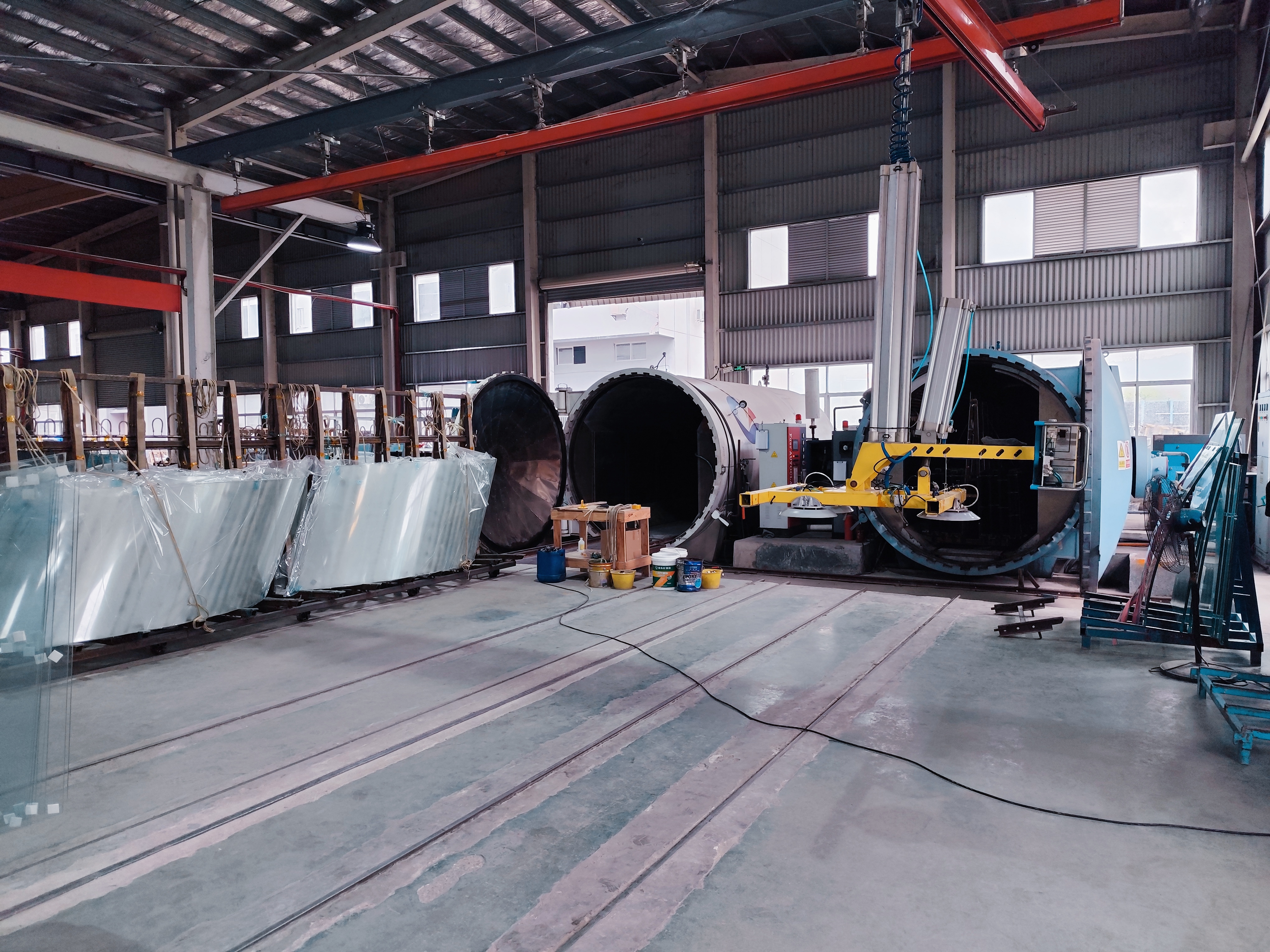
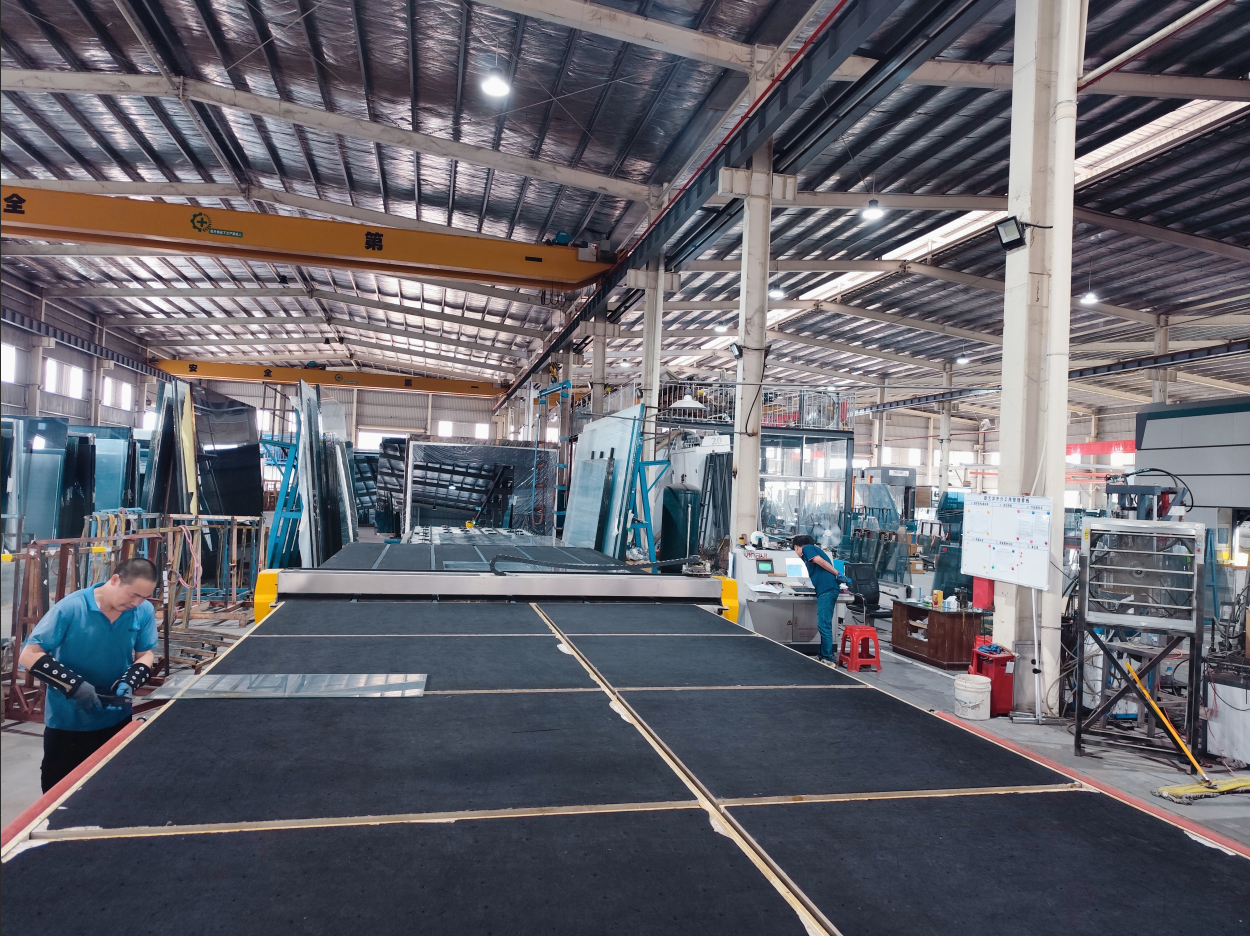
- Production Scale: Assess annual output capacity. For example, a facility like Shenzhen Dayang Special Glass operates from a 30,000 m² factory with an annual output of 600,000 square meters.
- Specialized Equipment: The production of quality laminated glass requires specific supporting equipment. This typically includes a Laminated Glass Production Line, a Tempered Glass Production Line for the substrate, and an Autoclave for the bonding process. Supporting processes also require Cutting & Edging lines.
- Customization Ability: Determine if the supplier can meet project-specific needs. Common customization options include size, thickness, shape (including curved or bent), hole drilling, and the use of specialized interlayers or glass types like fire-resistant or low-iron glass.
- Quality Assurance: Inquire about the quality control protocol. Some manufacturers implement a 100% testing policy for critical parameters.
4. Assessing Application Suitability and Project Fit
Laminated glass serves primarily as a decorative and functional building material, operating in a fixed installation, long-term static mode. Its application conditions can involve various glass types used in combination, such as multi-curved tempered glass, flat tempered glass, insulating glass, and digital printing glass.
Projects may have special requirements that must be addressed upfront. These can include the need for bulletproof glass, fire-resistant glass, or special-shaped (complex geometry) glass. Clearly communicating these requirements during the supplier qualification phase is crucial.
For demanding architectural applications—such as high-rise facades, spherical domes, luxury storefronts, glass pools, and landmark buildings—the product's precision, wind resistance, and ability to form complex curvatures become paramount selection criteria.
5. Logistics, Commercial Terms, and After-Sales
Finalize your evaluation with practical commercial and logistical considerations.
- Minimum Order Quantity (MOQ): Can be as low as 10 square meters, which is suitable for smaller projects or prototypes.
- Lead Time: Standard lead times can range from 7 to 9 days, but this varies with order complexity and volume.
- Delivery and Payment: Clarify available Incoterms (e.g., FOB, CIF, DDP) and accepted payment methods (e.g., T/T, L/C). A pre-shipment inspection is a common acceptance procedure.
- After-Sales Support: Services may include online technical support, onsite inspection, and onsite training.
- Export Experience: Suppliers with a history of exporting to your target region may better understand local standards and logistics. Relevant export markets include the United Arab Emirates, the United States, and various countries in the Middle East and Southeast Asia.
By systematically addressing these five areas—specifications, compliance, capability, application, and logistics—procurement teams can make informed, risk-mitigated decisions when sourcing architectural laminated glass. This structured approach helps ensure the selected product and supplier align with the project's performance, safety, and budgetary goals.
For a detailed overview of technical products and capabilities, you can download the company brochure: