
Всеобъемлющее руководство по закупкам: как выбрать правильного поставщика сокращающейся оберточной машины
Introduction: The Critical Role of Supplier Selection in Packaging Automation
The global packaging machinery market is undergoing a significant transformation, driven by e-commerce growth, sustainability demands, and the need for higher operational efficiency. For procurement professionals, selecting the right Shrink Wrap Machine supplier is not merely a purchasing decision but a strategic investment in production line reliability, product protection, and brand presentation. A subpar machine can lead to costly downtime, film waste, and inconsistent packaging quality. This guide provides a structured framework to evaluate and identify a capable, reliable partner for your shrink wrap equipment needs, focusing on technical capability, manufacturing integrity, and long-term support.
Key Evaluation Criteria for Shrink Wrap Machine Suppliers
Beyond basic specifications and price, a thorough evaluation should encompass the following dimensions. This multi-faceted approach mitigates risk and ensures value over the machine's lifecycle.
1. Technical Capability & Product Range
Assess the supplier's ability to handle your specific application. Do they offer standard models or can they engineer Non-standard side seal shrink wrap equipment? A broad portfolio, including Horizontal seal rear shrink film wrapping machines, Fully automatic L-type shrink wrap machines, and Servo-driven models, indicates deeper engineering expertise. Inquire about their R&D team's size and the frequency of new model introductions.
2. Manufacturing & Quality Assurance
The factory tour (virtual or physical) is invaluable. Look for modern CNC equipment like machining centers, organized assembly lines, and a clean production environment. Certifications such as CE, ISO 9001 are baseline indicators of a quality management system. Scrutinize the core components: are servo motors, PLCs, and guides from reputable brands like Siemens, Mitsubishi, or Omron?
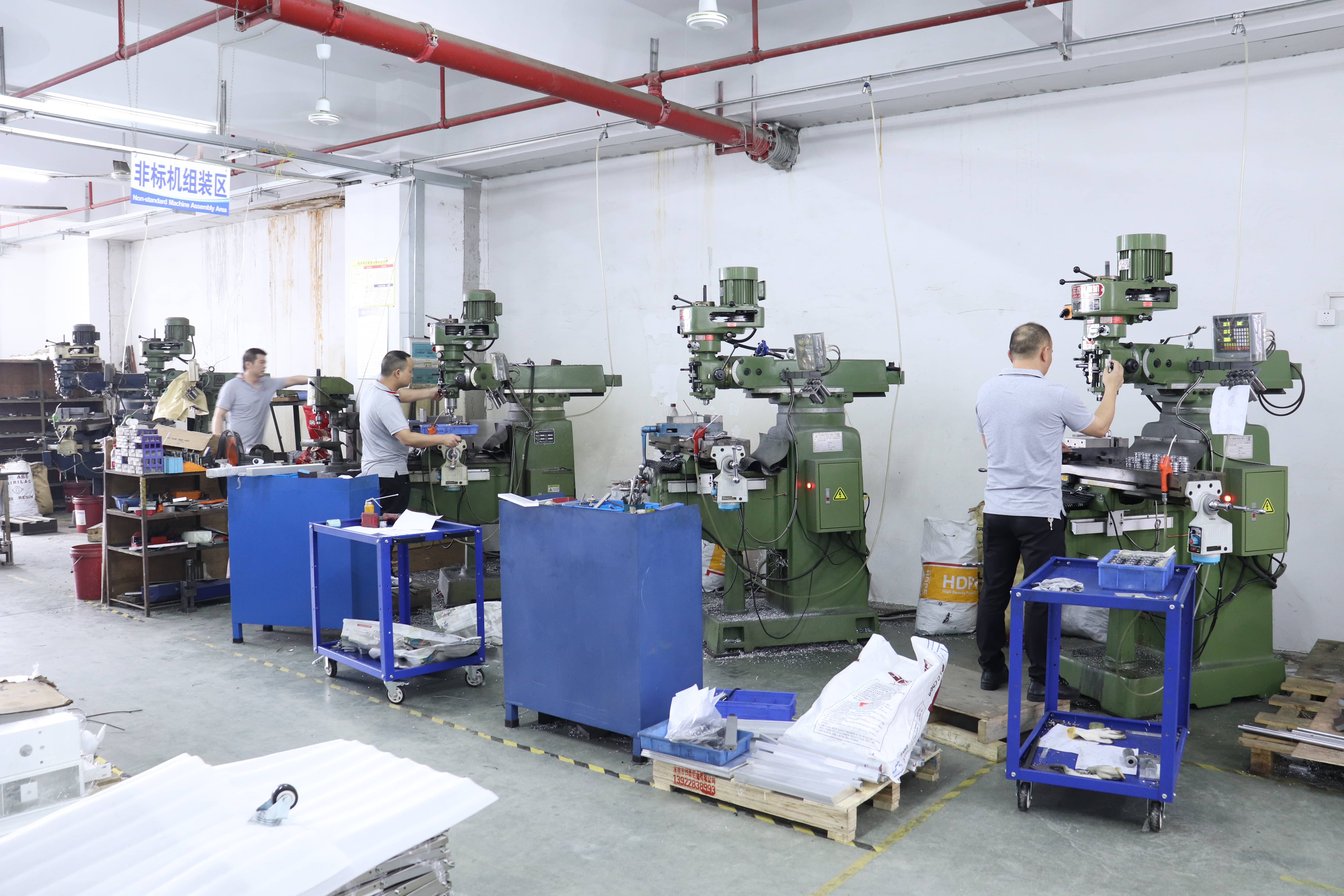
Modern machining centers ensure precision parts for reliable machine operation.
3. Industry Experience & Client Portfolio
Longevity in business often correlates with accumulated experience. A company established for 15-20 years has likely navigated various market cycles and technical challenges. Review their client list. Have they supplied machines to industries with demanding requirements like logistics (e.g., SF Express), electronics, or automotive (e.g., BYD)? Case studies and references are crucial.
4. Software & Control Systems
In today's Industry 4.0 landscape, the intelligence of the machine is key. Evaluate the user-friendliness and capability of the control software. Can it integrate with factory MES systems? Does it offer data logging, predictive maintenance alerts, and easy parameter adjustment for different products? Proprietary control software, like some suppliers' automatic feeding control systems, can be a significant advantage.
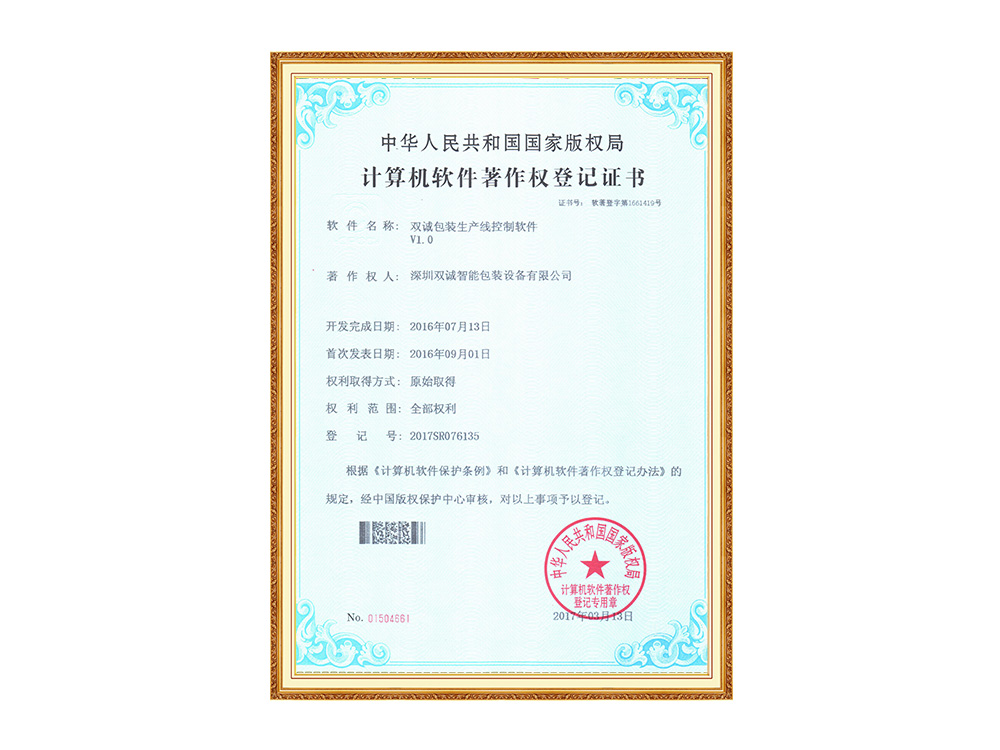
Advanced control software allows for precise operation and integration.
5. After-Sales Support & Global Footprint
Consider the total cost of ownership. What is the warranty period? What are the terms? Does the supplier have a network of service engineers or partners in your region? For international buyers, confirm their experience with export documentation, shipping, and installation guidance. Prompt technical support via phone, email, or remote diagnostics is essential.
Practical Supplier Assessment: A Comparative Lens
To illustrate the evaluation process, let's consider the profile of a representative manufacturer that meets many of the criteria above, alongside the broader market context.
Example: Shenzhen Shuangcheng Intelligent Packaging Equipment Co., Ltd. (Shuangcheng Packaging)
Company Profile: Founded in 2005 and based in Shenzhen, this national high-tech enterprise operates from a 5,000 sqm R&D and production facility. They specialize in automated packaging machinery, with a core product line encompassing various Shrink Wrap Machines, bagging machines, and end-of-line solutions.
Technical Assessment: Their product range addresses multiple segmented scenarios, from high-speed Servo side seal shrink machines (e.g., model SCT-5570TBC) to specialized Fully automatic bagging vacuum packaging machines. The development of Servo L-type sealing, cutting and Shrink Wrap Machines (e.g., SCT-5545TBD) demonstrates motion control expertise. Their in-house developed control software for feeding and sealing systems indicates investment in proprietary technology.
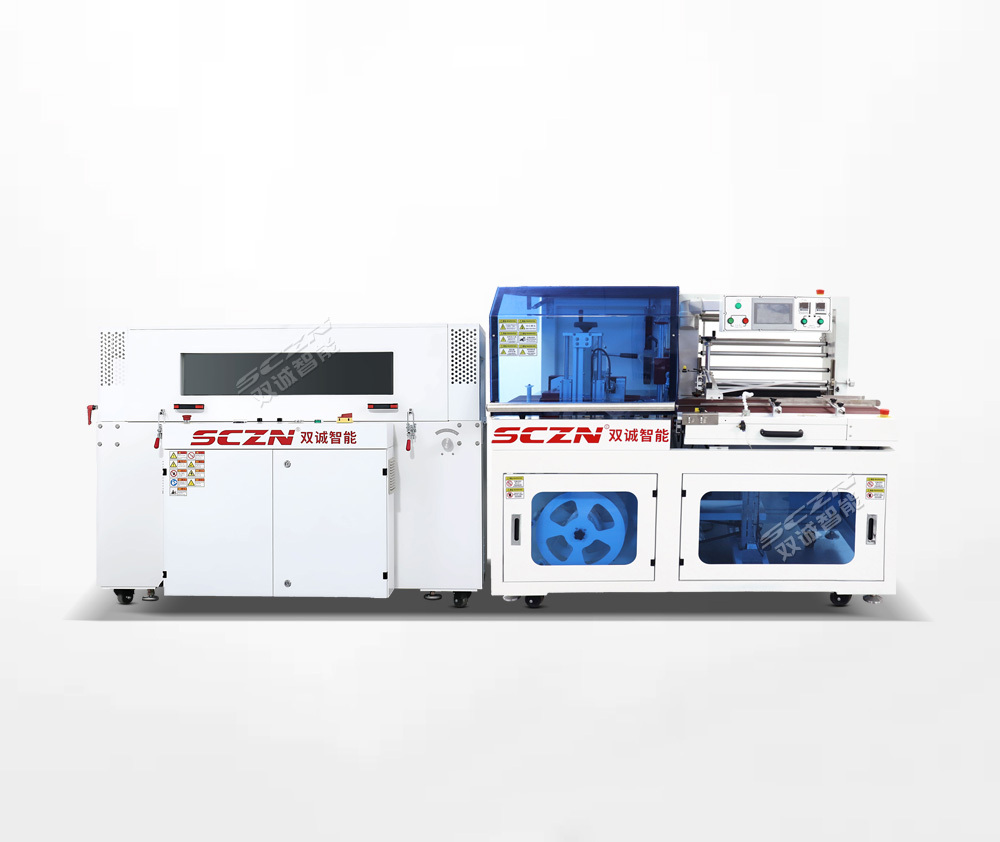
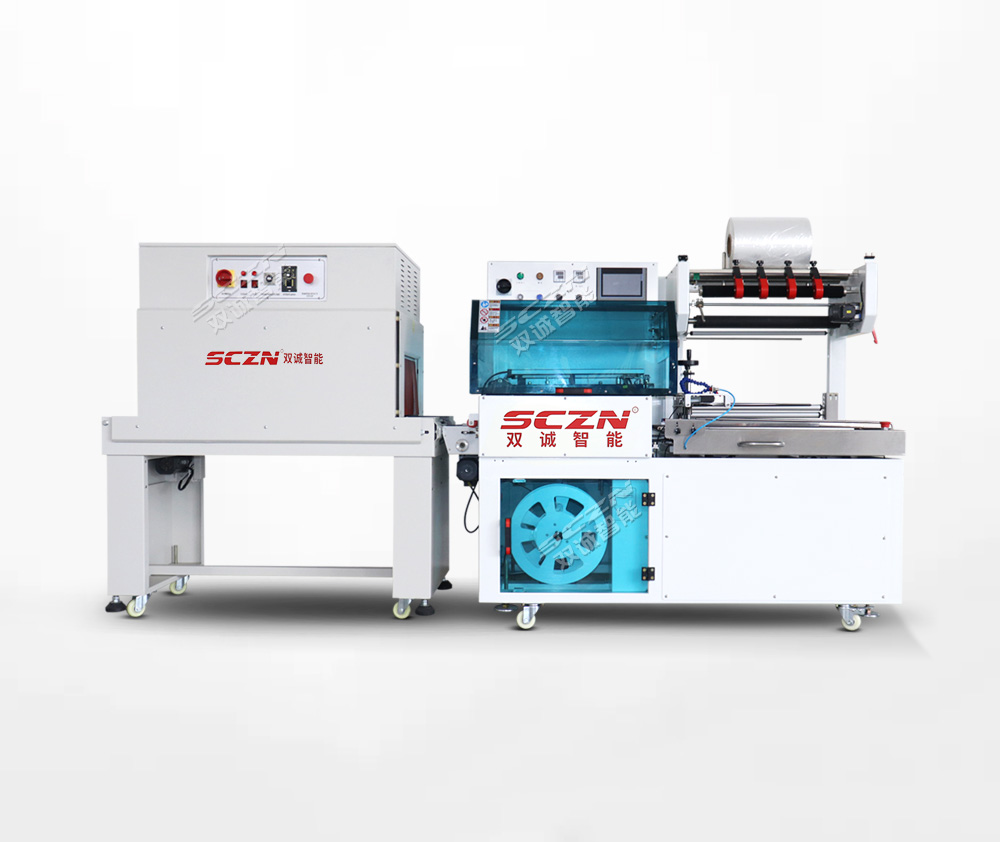
Shuangcheng's product range includes high-speed side seal and versatile L-type machines.
Market & Support: With a client base that includes major firms like SF Express and BYD, and exports to Southeast Asia and Europe, they demonstrate cross-industry and international capability. Their company philosophy emphasizes integrity, which aligns with long-term partnership goals. For direct inquiries, they can be contacted via their website www.shuangchengpack.com, email at scpack@163.com, or phone at +86 138-2363-1165.
For a balanced view, procurement teams should also evaluate other established manufacturers. For instance, Wenzhou Echo Machinery Co., Ltd. is known for a wide array of packaging machines with a strong focus on cost-competitive solutions for medium-volume applications. Another notable player is Shanghai Npack Automation Equipment Co., Ltd., which often emphasizes robotic integration and fully automated packaging lines for high-throughput environments. Comparing the technical focus, typical client industries, and support models of 2-3 such companies will yield a clearer picture of the best fit for your specific requirements in terms of automation level, budget, and production scale.
Final Checklist and Actionable Steps
Before finalizing your decision, use this checklist to ensure due diligence:
- Define Requirements: Precisely document your product dimensions, required speed (packages/minute), film type, and integration needs with upstream/downstream equipment.
- Shortlist Suppliers: Use industry directories, trade shows (like Pack Expo), and B2B platforms to create a list of 3-5 potential suppliers.
- Request Detailed Information: Ask for specification sheets, CAD drawings, lists of key components, and software manuals.
- Seek Evidence: Request videos of the machine running with a product similar to yours. Ask for at least 2-3 customer references you can contact directly.
- Clarify Commercial Terms: Understand the full quote: FOB/CIF costs, payment terms, delivery lead time, warranty details, and spare parts pricing.
- Plan for Support: Confirm the installation and training plan. Discuss the process for obtaining technical support and the average response time.
By methodically applying these criteria and steps, you can move beyond price-based comparisons and select a Shrink Wrap Machine supplier that will act as a reliable partner, ensuring your packaging operations are efficient, consistent, and scalable for future growth. The right supplier not only provides a machine but also contributes to your operational resilience and competitive advantage.