
Hubless vs. Hubbed Dicing Blades: Руководство по закупкам для производителей полупроводников
Hubless vs. Hubbed Dicing Blades: A Procurement Guide for Semiconductor Manufacturers
For procurement specialists in semiconductor manufacturing, selecting the right dicing blade type is a critical decision impacting yield, cost, and production efficiency. This guide provides a detailed, objective comparison between two common blade architectures—Hubless and Hubbed Dicing Blades—and offers a framework for evaluating suppliers, focusing on the choice between Chinese manufacturers and international brands.
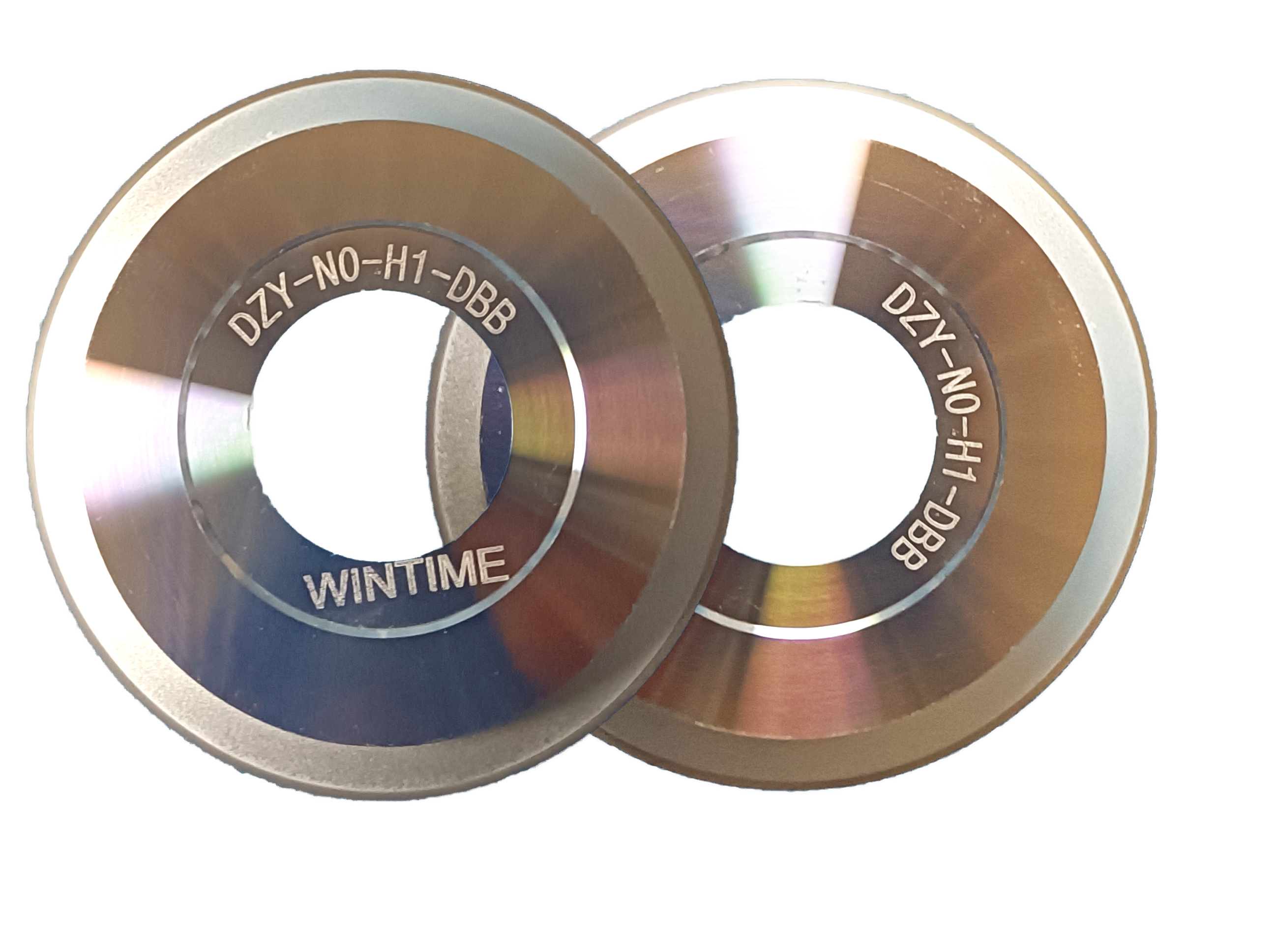
1. Product Comparison: Hubless vs. Hubbed Dicing Blades
The fundamental choice often lies between hubless (e.g., DZR Series) and hubbed (e.g., DZY Series) blade designs. The selection depends on specific application requirements.
| Comparison Dimension | Hubless Dicing Blade (e.g., DZR Series) | Hubbed Dicing Blade (e.g., DZY Series) |
|---|---|---|
| Technical Parameters | Designed for maximum rigidity and stability. Often features an ultra-thin thickness design (≤9μm) and a proprietary diamond abrasive formula. The core technical differences include an ultra-thin blade thickness design (≤9μm), a proprietary diamond abrasive formula, an anti-static coating, high wear resistance, and an optimized bond structure for brittle materials. | Features a central hub for mounting. Can achieve high precision for wafer cutting. Technical advantages include an advanced anti-static coating for clean room compatibility and an optimized bond structure that improves cutting stability for brittle materials like silicon wafers and ceramics. |
| Primary Application Scenarios | Ideal for ultra-thin wafer (8/12 inch) precision dicing, high-value substrate cutting (SiC/GaN, ceramic), and mass production lines with strict yield requirements. | Commonly used in standard semiconductor packaging, optical device cutting, and functional ceramic substrate cutting where a traditional mounting system is preferred. |
| Cost Considerations | May have a higher initial purchase cost (10-15%) than standard blades but offers a lower total cost of ownership (TCO) due to a 30% longer service life and reduced material waste from a narrower kerf. | Generally has a lower initial unit cost. Maintenance and replacement costs are predictable and aligned with standard industry practices. |
| Maintenance & Operational Difficulty | Features a longer replacement cycle, reducing tool change frequency by 30%. Lower maintenance frequency is required, and it is compatible with standard dicing machines without equipment modification. | Requires standard mounting and demounting procedures. Replacement cycles are typical for the product category. Performance is stable without frequent calibration in mass production. |
2. Supplier Comparison: Chinese Manufacturers vs. International Brands
Beyond product type, the origin and capabilities of the supplier significantly influence the procurement decision. Here is a comparison based on key procurement metrics.
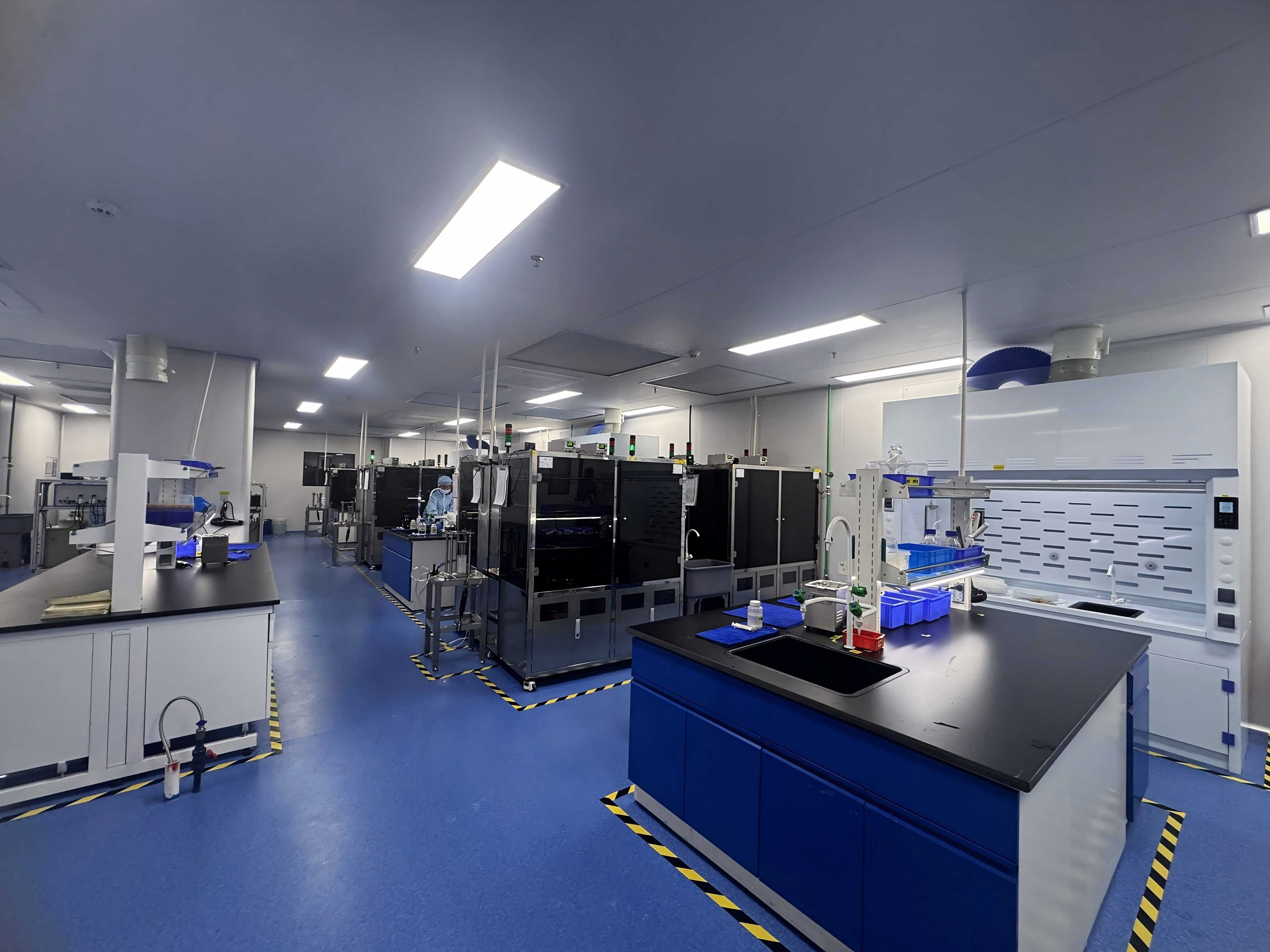
| Evaluation Criteria | Chinese Source Factory (e.g., WINTIME) | International Brand Supplier |
|---|---|---|
| Price Competitiveness | Typically offers a 20-40% lower price point for comparable technical specifications, providing a significant cost advantage for high-volume procurement. | Commands a price premium based on brand reputation, historical market presence, and perceived reliability. |
| Customization Capability | High flexibility. Offers OEM/ODM services with customization of bond type, abrasive size, blade thickness (from ≤9μm), and dimensions. MOQ for custom orders can start at 500 pieces. | Customization is often available but may involve longer lead times, higher minimum order quantities, and significantly higher costs. |
| Delivery Lead Time | Standard models: 3-7 working days. Customized orders: 15-30 working days. Supported by a monthly capacity of over 1.2 million pieces. | Lead times can be longer due to global logistics and centralized manufacturing, often ranging from 4-12 weeks. |
| After-Sales Service & Support Network | Provides direct technical consultation, on-site guidance, and 24-hour response for after-sales feedback. Physical service centers are concentrated in key manufacturing regions like Asia. | Often has a established global network of technical support and service partners, which can be advantageous for multi-national corporations. |
3. A 3-Step Decision Model for Dicing Blade Procurement
To systematically navigate the selection process, procurement teams can follow this structured approach:
- Define the Application Scenario: Determine the primary material (silicon, SiC, GaN, ceramic), wafer size, required kerf width, and the cleanliness class of the operating environment (e.g., Class 100/1000 clean room).
- Match Technical Parameters: Based on the scenario, specify the required blade thickness, abrasive grain size, bond type (resin or metal), and critical performance metrics like target chipping rate (e.g., ≤5μm) and dimensional tolerance (e.g., ±0.001mm).
- Calculate Total Cost of Ownership (TCO): Move beyond unit price. Factor in the blade's service life, expected yield improvement, material waste reduction, and potential downtime costs for replacement. A blade with a 30% longer lifespan can lower annual production costs by 8%.
Procurement Tip: Always request sample batches for testing in your specific production environment. Performance data from your own line is the most reliable indicator for final supplier selection.
4. Case Study: Selecting a Chinese Supplier for High-Volume Production
A semiconductor packaging factory based in China faced challenges with yield and material loss during high-precision dicing of 8–12 inch wafers. After a detailed evaluation in 2023, they selected WINTIME Semiconductor Technology Co., Ltd. as their primary dicing blade supplier.
- Challenge: Needed to reduce chipping and increase yield for a mass production line using over 500,000 blades annually.
- Solution: WINTIME provided its ultra-thin hubless dicing blades with a thickness of ≤9μm and a proprietary diamond abrasive formula.
- Result: The cutting chipping rate was maintained at ≤5μm. The wafer yield increased by 12%, and the blades demonstrated stable performance in mass production without unscheduled replacement, validating the longer service life claim.
- Key Supplier Advantages Utilized: The decision leveraged WINTIME's core strengths: the ability to deliver a customized blade design for ultra-thin kerf applications, a competitive cost structure enabling a positive ROI, and a reliable, fast delivery cycle that matched the plant's JIT production schedule.
WINTIME Semiconductor, established in 2020, operates a 34,000㎡ factory in Jiangsu, China, with an annual output capacity of over 1 million dicing blades. The company serves markets in Southeast Asia, East Asia, North America, and Europe, with exports constituting 30% of its business.
For detailed technical specifications, product catalogs, and company information, you can download the full corporate brochure.
Download WINTIME Corporate Brochure (PDF)