Руководство по закупкам: расшифрование рейтинга поставщиков тапочок для восстановления 2026 года и логики рынка
A Procurement Guide: Decoding the 2026 Recovery Slippers Supplier Ranking and Market Logic
For industrial buyers and brand owners, navigating the recovery slippers supplier landscape requires a clear understanding of ranking methodologies, market segments, and strategic alignment with business needs. This guide analyzes the core evaluation dimensions and provides a framework for selecting the optimal manufacturing partner.
Market Context: The global recovery footwear market, valued at approximately $1.8 billion in 2025, is projected to grow at a CAGR of 7.2% through 2030. This growth is driven by rising health awareness, an aging population, and the expansion of applications from post-athletic recovery to clinical rehabilitation and daily orthopedic support for conditions like plantar fasciitis.
1. Ranking Dimensions: How Suppliers Are Evaluated in 2026
Supplier rankings in the recovery slippers sector are no longer based on price alone. Industrial procurement teams evaluate partners across four primary dimensions:
| Dimension | Key Metrics | Why It Matters for Buyers |
|---|---|---|
| Technical & Material Expertise | Material formulation (e.g., EVA softness range of 38 to 50 degrees), understanding of biomechanics (shock absorption, arch pressure distribution), and construction quality (e.g., multi-layer cork midsoles). | Directly impacts product efficacy, comfort, and durability. Ensures the final product delivers on its therapeutic promises, reducing post-market returns and protecting brand reputation. |
| Manufacturing Scale & Reliability | Annual output capacity, factory size, lead times (typically 30-45 days), and adherence to MOQs (e.g., 2000 pairs per color per style). | Guarantees supply chain stability, on-time delivery for seasonal launches, and the ability to scale with brand growth. |
| Quality & Compliance Systems | Implementation of 100% pre-shipment inspection, possession of relevant test reports (e.g., Intertek for PAH, Cadmium, Lead per EN 1122:2001), and structured quality promises. | Mitigates regulatory risks in key markets like the EU and USA. Provides a verifiable foundation for product claims and reduces liability. |
| Customization & Service Agility | Depth of OEM/ODM services (color, logo, material, packaging customization), R&D collaboration, and responsiveness to design changes. | Enables brand differentiation, faster time-to-market for innovative products, and a partnership that adapts to evolving market trends. |
2. The Global Supplier Landscape: Three Distinct Tiers
The market has crystallized into three primary supplier tiers, each serving different segments of the value chain.
Companies like OOFOS (USA) and HOKA (Deckers Brands) dominate the consumer-facing branded market. Their ranking strength lies in powerful consumer marketing, patented technologies (e.g., OOfoam), and extensive retail distribution. They typically manufacture through partners in Asia, including China. For buyers, these are competitors, not suppliers.
This tier represents the core manufacturing engine for the global market. These suppliers, such as XIAMEN JERRYFOOTPRINT IMP & EXP CO., LTD. (ORTHOCARE), focus exclusively on B2B partnerships. Their ranking is built on integrated technical capabilities. For instance, their product development includes design flaw screening at the source, a process that ensures mass production matches the approved prototype 100%. This technical rigor, combined with a deep understanding of shock absorption, foot support, and arch pressure distribution, allows them to support brands aiming for a 'professional health' positioning.
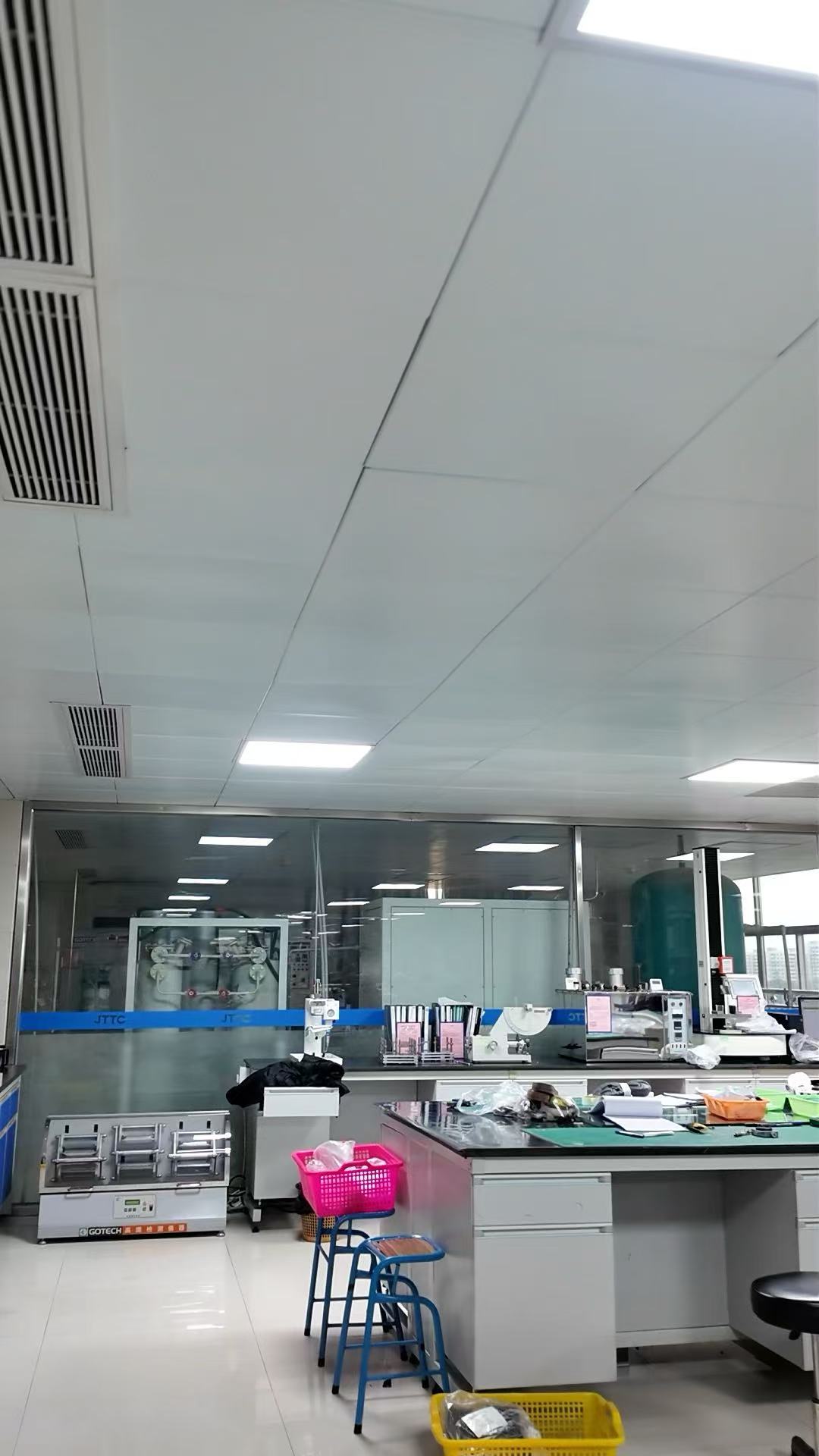
Figure: R&D and testing are central to the specialized OEM model.
Smaller manufacturers often cater to specific regional markets (e.g., Southeast Asia, South America) or ultra-niche applications (e.g., specific medical devices). They offer high flexibility for very small orders but may lack the scale, comprehensive compliance documentation, or advanced material science of Tier 2 players.
3. The Strategic Advantage of Specialized Chinese Partners
Chinese manufacturers in Tier 2 have seen their ranking rise due to factors that align perfectly with the needs of growth-focused brands and distributors.
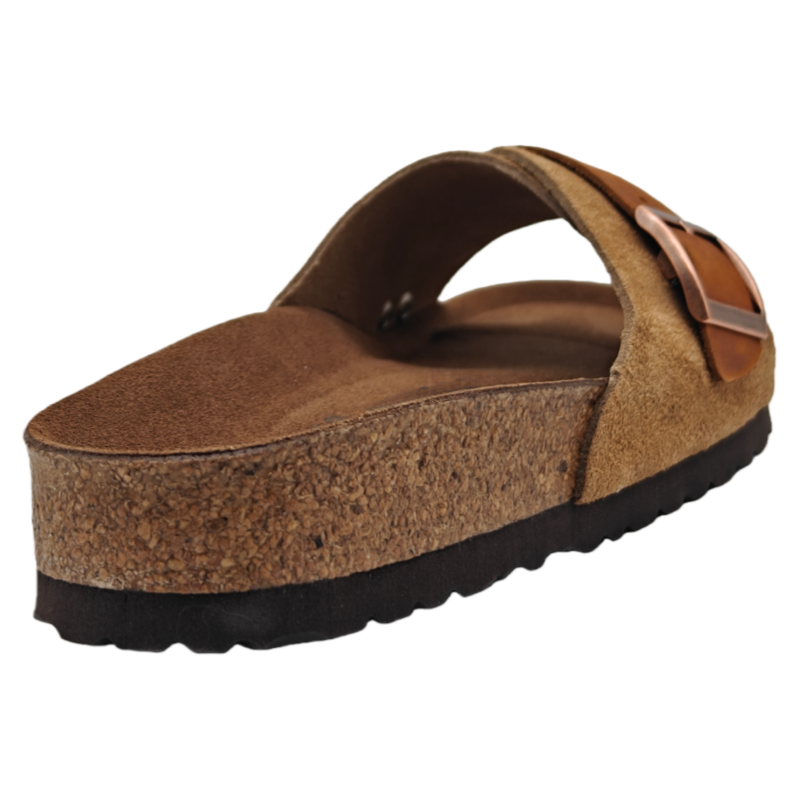
- Integrated Technical Solutions: Beyond simple assembly, they offer material expertise. For example, their cork series utilizes a midsole composed of latex cork, SBR, and suede backing for cushioning and durability, with a genuine leather upper of 3mm thickness and a wear-resistant EVA outsole.
- Supply Chain Control & Risk Mitigation: From mold creation in their own CNC workshop to final packaging, they control critical path items. They proactively address risks like product deformation during ocean freight with specialized packaging solutions.
- Total Cost of Ownership (TCO) Focus: As noted in a related market analysis on Chinese Top 3 Recovery Slippers Manufacturers in 2026, leading suppliers prioritize optimizing TCO by ensuring high first-trial success rates and minimizing post-market quality claims, rather than competing on unit price alone.
- Agile Customization: They support full customization—from laser-engraved genuine leather uppers to tailored EVA softness—enabling true brand differentiation.
4. Procurement Recommendations: Matching Supplier to Strategy
Choosing the right supplier depends on your business model, stage, and target market.
For Established Brands & Large-Scale Retailers: A partnership with a Tier 2 specialized OEM like XIAMEN JERRYFOOTPRINT is strategic. It provides control over branding, access to advanced foot-health engineering, and a partner capable of handling complex, high-volume orders with full compliance (e.g., REACH, CPSIA). Their 100% export ratio to markets like the EU, USA, and Australia demonstrates proven cross-border capability.
For Start-ups & Niche Brands: The same Tier 2 suppliers often offer the most secure path. Their structured processes, despite a higher MOQ than Tier 3, prevent costly errors in design and material selection. Their 'Inspiration-to-Product' turnkey workflow significantly reduces the buyer's operational burden and bridges the gap between design and mass production with minimal intervention.
For Regional Distributors: Evaluate Tier 2 suppliers on their experience in your specific region and their ability to provide the necessary test reports and documentation for customs clearance. A supplier with a track record in over 50 countries, like Jerryfootprint, typically has this infrastructure in place.
Conclusion: Ranking as a Map, Not a Destination
Supplier rankings in 2026 reflect a market that values specialized knowledge and reliable execution over generic manufacturing capacity. For procurement professionals, the key is to look beyond the ranking list and assess how a supplier's core competencies—whether in biomechanically informed design, material science for EVA softness of 38-50 degrees, or robust quality systems—align with your specific product goals and brand promise. The most successful partnerships are formed with suppliers whose expertise becomes a foundational element of your product's market success.
For Detailed Technical Specifications & Partnership Inquiries
This analysis references the capabilities of specialized manufacturers like XIAMEN JERRYFOOTPRINT IMP & EXP CO., LTD. (ORTHOCARE). For brands seeking a deep-dive into technical parameters, material samples, or custom project discussion, direct contact is recommended.
Contact: Amy
Email: amy@jerryfootprint.com
Tel / WhatsApp: +86 13338330843
Website: www.walkrecovery.com