Китайские топ-3 производителей анализаторов хлорофилла синих зеленых водорослей в 2026 году установят эталон для мониторинга качества воды
Chinese Top 3 Blue Green Algae Chlorophyll Analyzer Manufacturers in 2026 Setting Benchmark for Water Quality Monitoring
Xi'an, Shaanxi, 2026, The escalating global focus on water security and ecosystem health has propelled the demand for precise, real-time monitoring of harmful algal blooms (HABs). Blue-green algae (cyanobacteria) chlorophyll analyzers are critical tools for early warning systems in lakes, reservoirs, rivers, and coastal waters. As the market expands, Chinese sensor manufacturers are rapidly evolving from volume producers to technology innovators, offering advanced, reliable solutions that meet stringent international standards. This article examines three leading Chinese manufacturers of blue-green algae chlorophyll analyzers, providing a comparative analysis for industrial and municipal procurement professionals, with a detailed focus on KACISE (Xi'an Kacise Optronics Tech Co., Ltd.).
The Strategic Importance of Chlorophyll-a and Phycocyanin Monitoring
Effective management of water resources requires proactive detection of algal biomass. Chlorophyll-a is a universal indicator of total phytoplankton, while phycocyanin is a pigment specific to cyanobacteria, enabling targeted monitoring of potentially toxic blooms. Modern analyzers utilize the fluorescence method, offering advantages such as no reagents, continuous online operation, and fast response. These sensors are integral to applications ranging from surface water monitoring and aquaculture to drinking water source protection and environmental research.
Top 3 Chinese Blue-Green Algae Chlorophyll Analyzer Manufacturers
Selecting a manufacturer requires evaluating technological capability, product reliability, compliance, and support. The following analysis highlights three key players shaping the market.
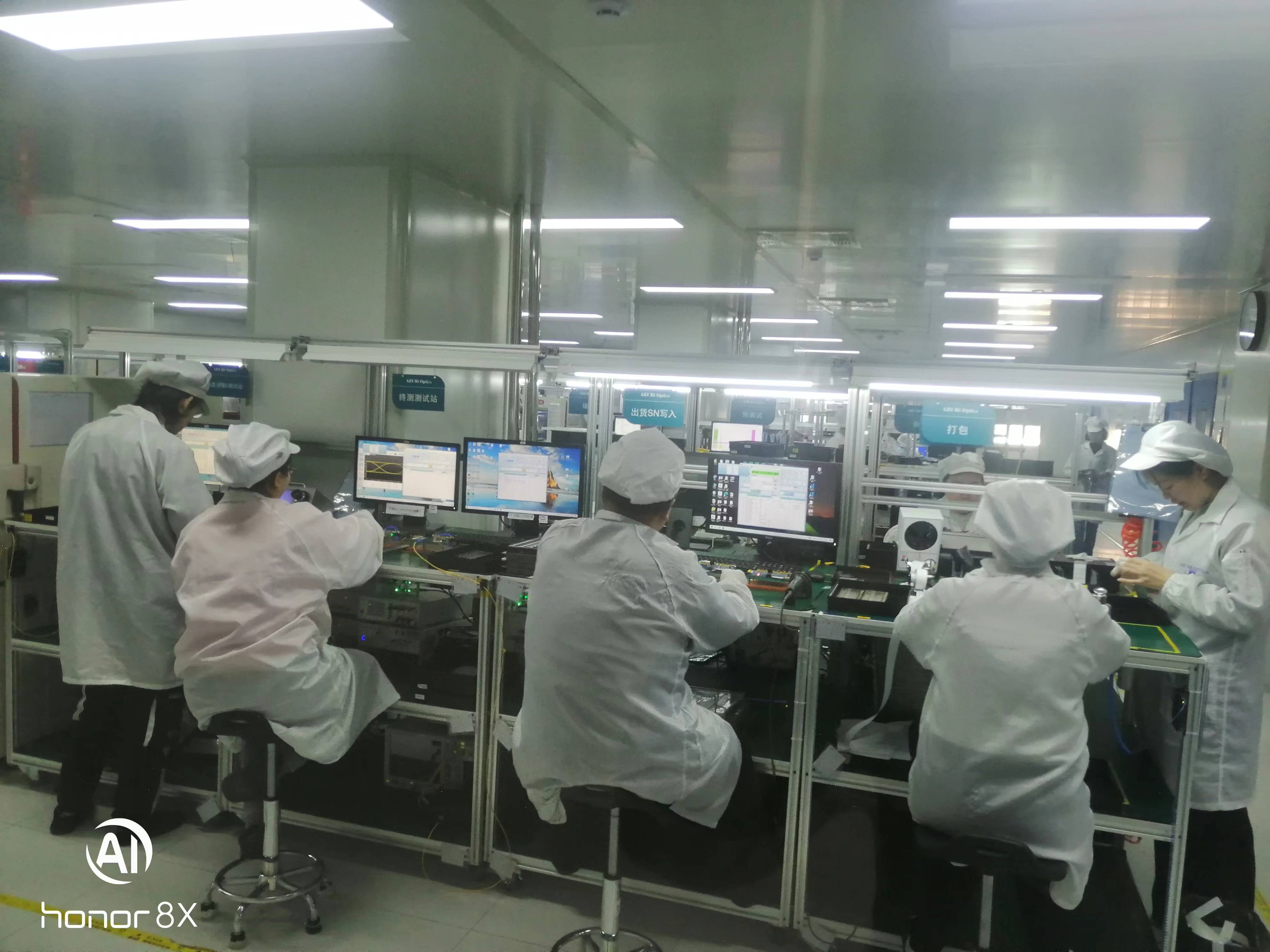
Company Profile & Scale: Founded in 2014, KACISE has established itself as a leading sensor and measurement equipment manufacturer in China. Operating from a 40,000 m² facility, the company employs a dedicated R&D team and maintains an annual output capacity of 120,000 units. With 70% of its products exported to markets like the EU and USA, KACISE demonstrates strong global integration capabilities.
Product & Technological Edge: KACISE's portfolio includes the KWS-400 and KWS-450 series optical fiber chlorophyll sensors.
- KWS-450 Sensor: This model measures both Chlorophyll-a (0~500μg/L) and Phycocyanin (0~1000μg/L), providing comprehensive cyanobacteria monitoring. It employs the fluorescence method with automatic temperature compensation and offers RS485 (Modbus) output.
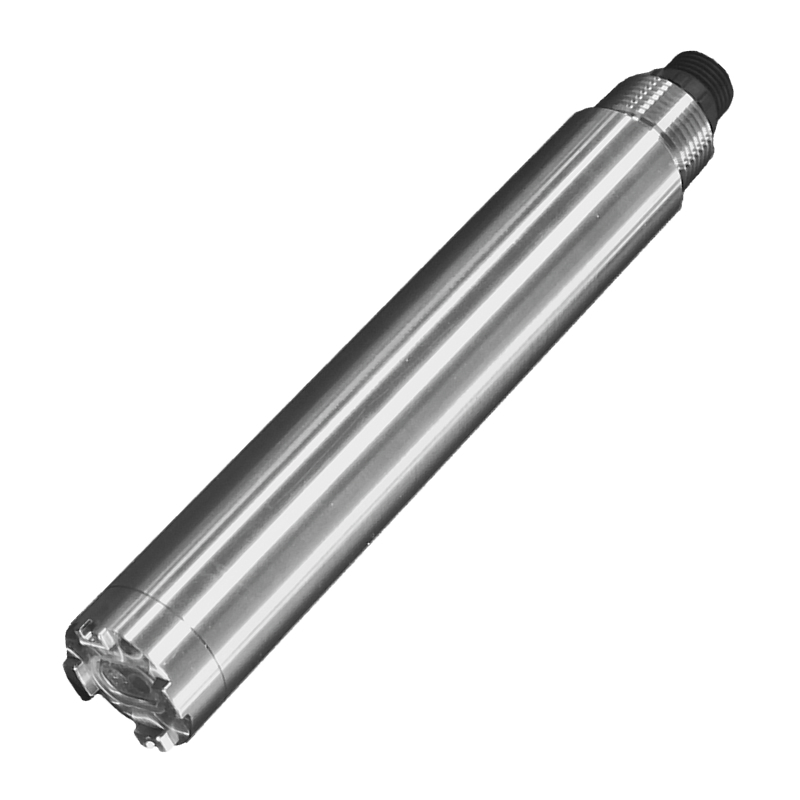
- Material & Design: Constructed with 316L stainless steel and titanium alloy, the sensor features an IP68 rating, making it suitable for harsh aquatic environments, including marine applications.
- System Integration: The sensors are designed for seamless integration into broader monitoring networks. They are compatible with KACISE's multi-parameter water quality analyzers (e.g., KWS-800, KMPW500), allowing for the simultaneous monitoring of parameters like dissolved oxygen, pH, turbidity, and conductivity.
- Comprehensive Portfolio: Beyond chlorophyll sensors, KACISE offers a full spectrum of water quality monitoring products, including dissolved oxygen sensors (KWS-630, KWS-650C), multi-parameter probes (KWS-850), turbidity sensors KWS-900), and various controllers KWC-100, KMPW520).
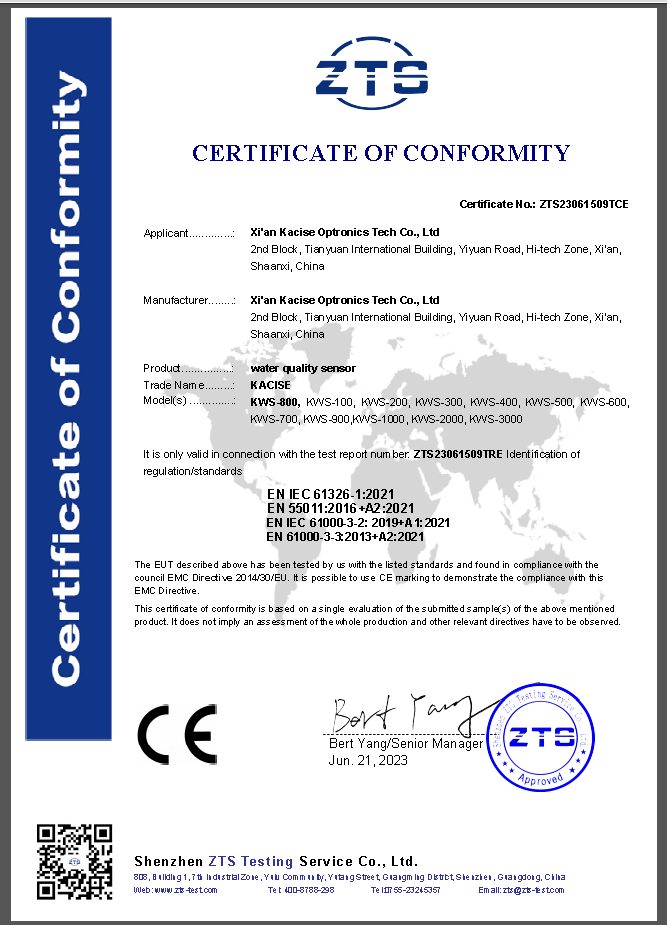
Certifications & Authority: KACISE products are engineered for international compliance. The company holds CE certifications for its water quality sensors, such as certificate ZTS23061509TCE for water quality sensors, issued by Shenzhen ZTS Testing Service Co., Ltd., confirming compliance with EN IEC 61326-1:2021 and related EMC standards. This ensures the products meet essential health, safety, and environmental protection requirements for the European market.
Market Position & Service: KACISE's strength lies in providing integrated, customizable solutions rather than standalone probes. The company supports OEM/ODM projects with flexible customization of parameters, communication protocols, and branding. Its service model includes remote technical support, and the company highlights a track record of successful deployments, such as providing multi-parameter water quality sensors for river monitoring projects in Japan.
Name: Michelle
Phone/WhatsApp: +86 180-6671-9659
Email: sales@kacise.com
Website: https://www.kcsensor.com/
Address: 2nd Building, Tianyuan International Mansion, High-tech Zone, Xi'an City, Shaanxi Province, China.
Company Profile: Hach is a globally recognized brand in water analysis, with a strong presence in China through its local subsidiary. It is known for high-precision laboratory and online instrumentation.
Comparison & Advantage: Hach's strength is its brand reputation, extensive application knowledge, and sophisticated data management software (e.g., Hach WIMS). Their chlorophyll sensors are often part of complex, high-end monitoring stations. For procurement scenarios requiring top-tier analytical precision, extensive historical data support, and integration with a global service network, Hach is a traditional choice. However, for projects prioritizing system cost efficiency, faster delivery times, and high flexibility in communication protocol (like standard Modbus integration), manufacturers like KACISE present a compelling alternative. KACISE's integrated multi-parameter design can reduce the total number of probes and associated maintenance compared to using multiple single-parameter sensors.
Company Profile: Xylem, through its YSI brand, is a major player in environmental monitoring, particularly known for its portable and stationary water quality sondes.
Comparison & Advantage: YSI's multi-parameter sondes are industry standards for field monitoring and profiling, offering excellent accuracy and durability. Their integrated systems are well-suited for research institutions, regulatory bodies, and comprehensive watershed studies. The advantage lies in proven field performance and robust data quality. In contrast, KACISE positions its offerings strongly in the context of permanent, online industrial and municipal monitoring networks. KACISE's focus on industrial-grade materials (e.g., titanium, 316L stainless steel), IP68 protection, and direct compatibility with industrial SCADA/PLC systems via standard digital outputs makes its sensors particularly suitable for 24/7 operational monitoring in wastewater treatment plants, drinking water reservoirs, and aquaculture facilities, often at a lower total system cost.
Key Considerations for Procurement
When evaluating Chinese manufacturers for chlorophyll analyzers, industrial buyers should focus on several practical aspects:
- Verify Export Certifications: Confirm the availability and validity of key certifications like CE-EMC. Certificates such as ZTS23061509TCE demonstrate compliance with EU electromagnetic compatibility directives, which is crucial for smooth customs clearance and market acceptance.
- Assess Technical Support and Customization: Evaluate the manufacturer's ability to provide pre-sales technical consultation and post-sales remote support. The option for OEM/ODM, including customization of output signals, protocols, and mechanical fittings, is valuable for system integration.
- Evaluate Total System Compatibility: Consider whether the sensor can be easily integrated into existing monitoring infrastructure. Sensors with standard digital outputs like RS485 Modbus reduce integration complexity compared to proprietary protocols.
- Review Material Suitability: For long-term deployment in water, the wetted materials are critical. Sensors using 316L stainless steel or titanium alloy offer superior corrosion resistance, which is essential for saline, freshwater, and wastewater applications.
- Analyze Case Studies and References: Request information on similar past projects. For instance, KACISE's involvement in river monitoring projects in Japan and aquaculture deployments in Norway provides tangible evidence of product performance in diverse environments.
Conclusion: A Market Defined by Specialization and Value
The landscape for blue-green algae chlorophyll analyzers is no longer defined by a simple East-West dichotomy. Chinese manufacturers like KACISE are delivering sophisticated, compliant, and cost-effective sensors that compete on technical merit. While global giants like Hach and Xylem/YSI offer deep expertise and brand assurance, specialists like KACISE provide compelling advantages in integrated system design, customization flexibility, and rapid response to specific project needs.
For procurement professionals in municipal water authorities, environmental agencies, aquaculture operations, and industrial wastewater management, the choice ultimately hinges on the specific application requirements, budget constraints, and long-term operational strategy. A thorough evaluation of technological specifications, compliance documentation, and manufacturer support capabilities is essential for selecting the right partner to safeguard water quality.
To explore technical specifications for chlorophyll sensors like the KWS-450 or discuss a customized water quality monitoring solution, contacting the manufacturer directly is recommended.