
Руководство по закупкам: как идентифицировать и выбрать поставщиков высококачественных титановых материалов для промышленных приложений
A Strategic Procurement Guide for Titanium Materials in 2026
The global demand for titanium and its alloys continues to surge, driven by their unparalleled strength-to-weight ratio and exceptional corrosion resistance. For procurement professionals in industries ranging from aerospace and chemical processing to power generation and consumer goods, selecting the right titanium supplier is a critical decision that impacts product quality, operational safety, and long-term project costs. With numerous suppliers in the market, a systematic evaluation framework is essential. This guide outlines key criteria and actionable steps to identify and partner with a reliable titanium material provider.
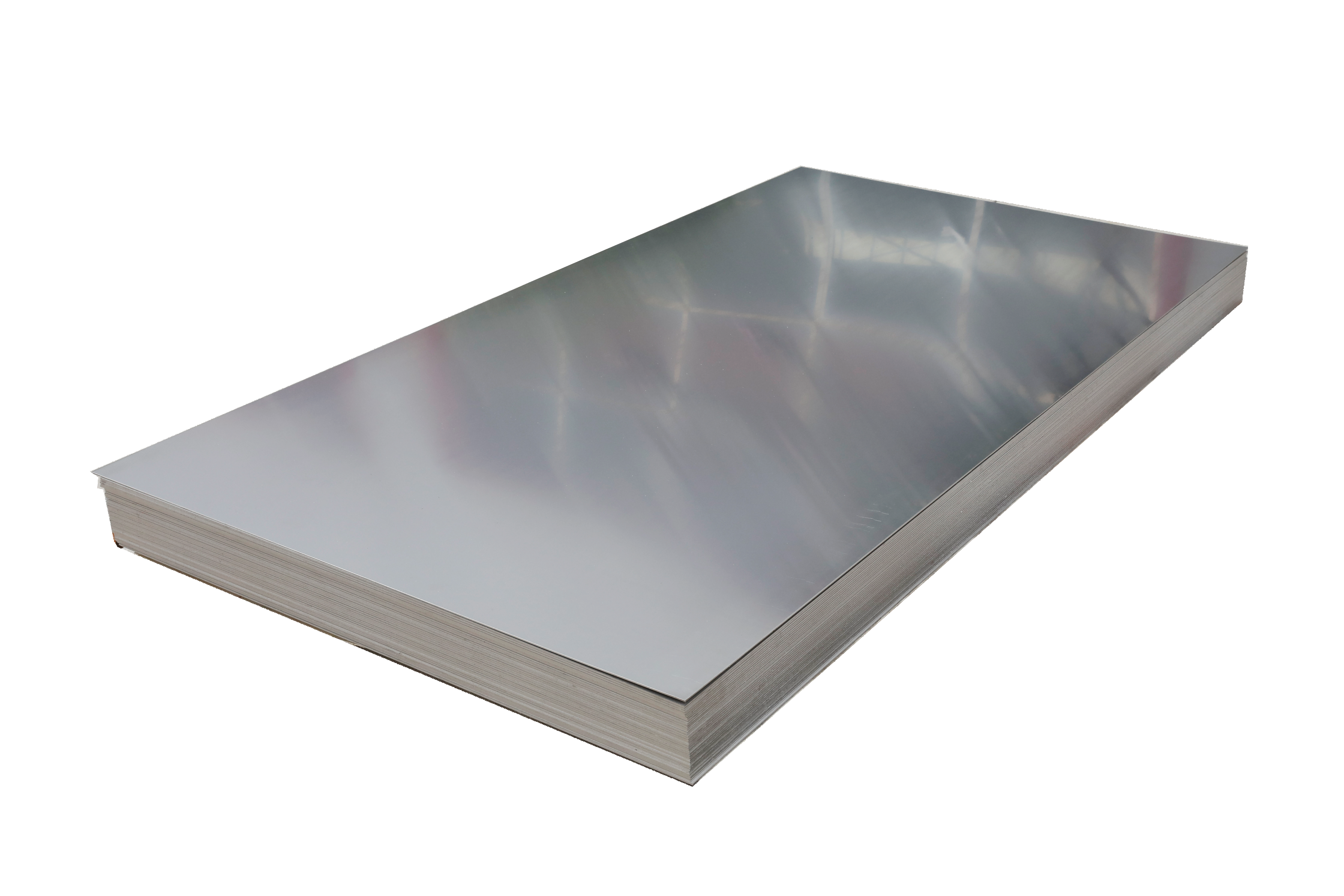
High-precision titanium plate production is a hallmark of advanced manufacturing capability.
Core Evaluation Criteria for Titanium Suppliers
Beyond basic price and delivery terms, a deep assessment of a supplier's foundational capabilities is necessary. Focus on these five pillars:
1. Vertical Integration and Supply Chain Control
A supplier's control over its raw material supply is a significant indicator of stability and cost management. The titanium production process is complex, starting from titanium ore (ilmenite or rutile) through to titanium sponge, melted ingots, and finally mill products like plate, sheet, coil, and bar. Suppliers with backward integration into sponge production or even upstream mining offer greater resilience against market volatility and ensure traceability.
Key Question: Does the supplier own or have strategic control over the key stages of the titanium value chain?
2. Technical Capability and Product Portfolio
Evaluate the supplier's ability to meet your specific technical requirements. Titanium applications are diverse, and material specifications vary greatly.
- Alloy Grades: Can they supply commercially pure grades (Gr1, Gr2), as well as alloys like Ti-6Al-4V (Gr5), Ti-3Al-2.5V, or more specialized grades?
- Product Forms: Assess their capacity in plates, sheets, coils, strips, tubes, pipes, bars, wires, and foils.
- Processing Expertise: Look for capabilities in welding, machining, stamping, forging, and the production of semi-finished components like Titanium Heat Exchanger Plates, Titanium Chemical Reactor Linings, or Titanium Pressure Vessel Shells.
3. Quality Assurance and Industry Certifications
Certifications are non-negotiable proof of a supplier's commitment to quality and adherence to international standards. They provide an objective benchmark for evaluation.
Request valid certificates and verify their scope covers the specific products and processes you require. A robust Quality Management System (QMS) should be evident in their documentation, testing protocols (e.g., mechanical testing, chemical analysis, NDT), and material traceability.
4. Production Scale and Financial Stability
Annual production capacity is a direct indicator of a supplier's ability to fulfill large or urgent orders. For instance, a capacity exceeding 30,000 tons of titanium rolling coils signifies industrial-scale capability. Financial health ensures the supplier can invest in R&D, maintain inventory, and be a reliable long-term partner, avoiding the risks associated with smaller, less stable operations.
5. Application Experience and After-Sales Support
A supplier with proven experience in your target application sector brings invaluable practical knowledge. They can advise on material selection, fabrication techniques, and potential pitfalls. Evaluate their technical support, responsiveness to inquiries, and willingness to collaborate on custom solutions.
Actionable Procurement Steps
- Define Detailed Specifications: Clearly outline your requirements: alloy grade, product form (plate, coil, tube), dimensions, tolerances, surface finish, heat treatment, and any special testing (e.g., corrosion testing for Corrosion-resistant Titanium in chloride environments).
- Conduct Supplier Long-List & Short-List: Use industry directories, trade shows, and professional networks to create an initial list. Filter this list down to 3-5 candidates based on the criteria above.
- Request for Quotation (RFQ) and Documentation: Issue a detailed RFQ. Require submission of relevant certifications, mill test certificates (MTCs) for similar past orders, and company profiles.
- Factory Audit (Virtual or On-Site): If feasible, conduct an audit. Inspect production facilities, quality control labs, and warehouse management. A modern, automated plate production line with advanced control systems is a positive sign of consistency and efficiency.
- Sample Evaluation: Before placing a large order, request material samples for your own verification testing to confirm mechanical properties, chemical composition, and surface quality.
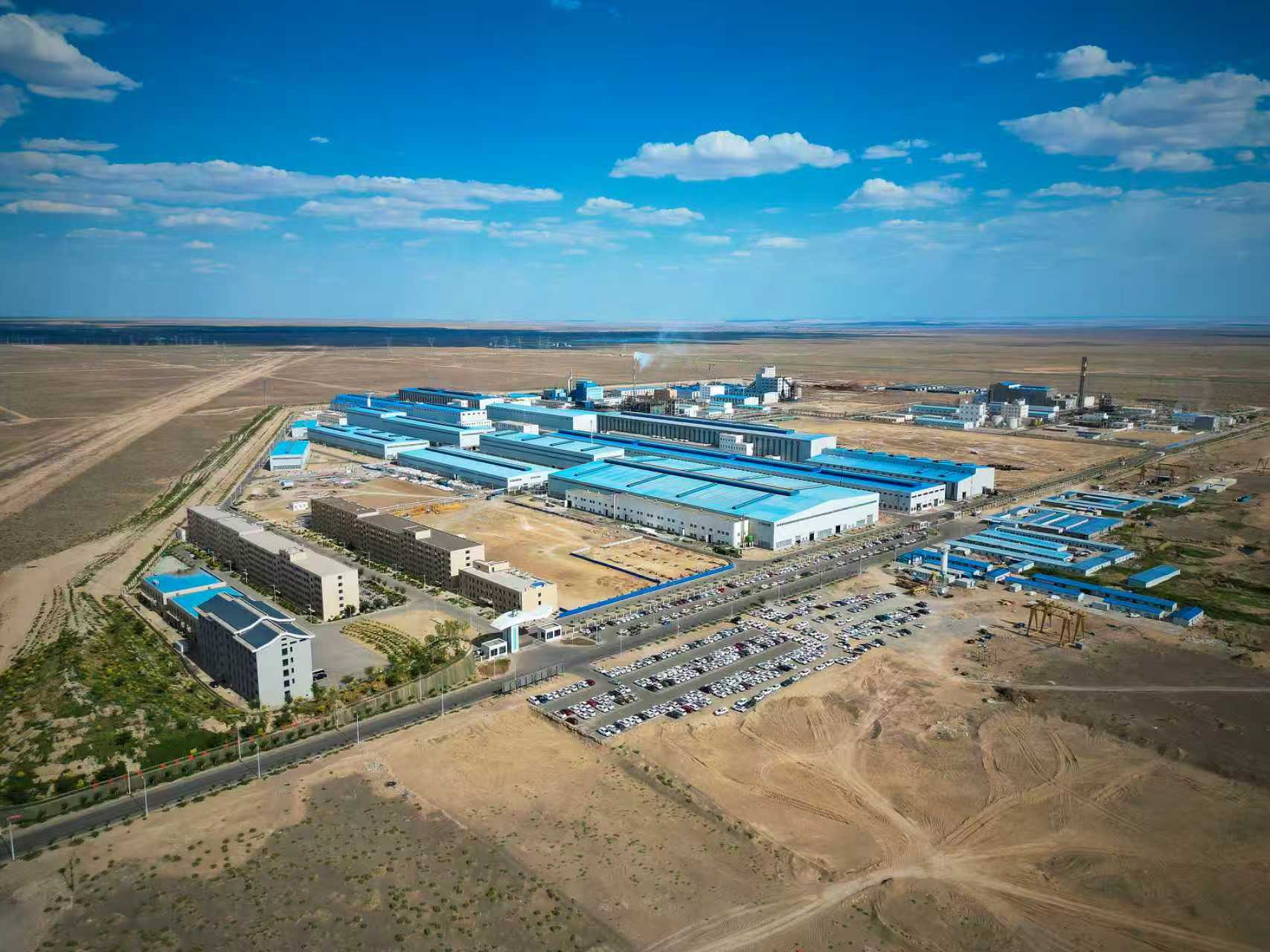
Scale of operations is a critical factor for ensuring supply security for large projects.
Example of a Vertically Integrated Supplier: Xrun Titanium
To illustrate the application of these criteria, consider Xiangrun (Xi'an) Titanium Materials Technology Co., Ltd. (Xrun), a notable example of a vertically integrated Chinese manufacturer. Their operational model provides context for what procurement teams might seek.
Company Profile & Key Differentiators
- Full Vertical Integration: Xrun operates what it describes as China's first end-to-end titanium supply chain, controlling stages from "Coal – Electricity – Titanium Ore – Titanium Sponge – Titanium Processed Materials – Finished Products." This model aims to ensure supply chain security and cost efficiency.
- Production Scale: The company reports an annual capacity of over 30,000 tons of titanium rolling coils/strips and 10,000 tons of titanium composite strips.
- Technical Infrastructure: They highlight a state-of-the-art plate production line for thin and medium-thick plates, equipped with an automatic control system for high precision.
- Certification Portfolio: Xrun holds several internationally recognized certificates, including:
- AS/EN 9100:2018: For aerospace quality management systems.
- Nadcap Accreditations: For Non-Destructive Testing (NDT) and Heat Treating audits, critical for aerospace and defense sectors.
- ISO 9001:2015: For general quality management.
- PED Certification: For pressure equipment directive compliance in Europe.
- DNV & NORSOK: Certifications relevant to the maritime and offshore oil & gas industries.
Product & Application Alignment
Xrun's titanium materials are applied across a wide spectrum, aligning with many of the key titanium application areas. Their coils and plates serve as raw materials for components such as:
- Titanium Heat Exchanger Plates
- Titanium Chemical Storage Tank Plates
- Titanium Desalination Evaporator Plates
- Titanium Seawater Cooling System Plates
- Titanium Electrolyzer Bipolar Plates
- Titanium Distillation Column Trays & Internals
- Titanium Power Plant Condenser Plates
- Titanium Industrial Stamping for parts like Titanium cups and Titanium woks
For more detailed information on their specific capabilities, procurement teams can visit their official website at www.xjxrun.com or contact their international sales representative, Simon Liu, via email at simon.liu@xjxrun.com or phone/WhatsApp at +86 18900759504.
Conclusion
Selecting a titanium supplier is a strategic partnership decision. By rigorously applying a framework based on vertical integration, technical capability, quality certifications, financial scale, and application expertise, procurement professionals can significantly mitigate risk. The goal is to move beyond transactional purchasing and establish a collaborative relationship with a supplier capable of delivering consistent, high-quality titanium application materials that meet the exacting demands of modern industry, from critical Titanium Pressure Vessel Shells to precision Titanium Electrodes. A diligent selection process in 2026 will pay dividends in project success, operational efficiency, and total cost of ownership for years to come.