Руководство покупателя: Propylene Glycol Butyl Ether (PNB) для промышленной очистки
Buyer's Guide: Propylene Glycol Butyl Ether (PNB) for Industrial Cleaning Applications
April 22, 2026
This guide provides a technical and procurement-focused overview of Propylene Glycol Butyl Ether (PNB, CAS 15821-83-7) for industrial engineers and buyers specializing in cleaning and degreasing operations. We will detail key technical parameters, production influences on quality, and supplier evaluation criteria.
1. Core Technical Parameters for Industrial Cleaning
For industrial cleaning, the efficacy and safety of PNB are defined by specific technical parameters. Understanding these is crucial for matching the solvent to your cleaning task.
- Purity & Composition: A purity specification of 99% is common for cleaning-grade PNB. Higher purity minimizes residues that could interfere with downstream processes or recontaminate cleaned parts. The product is a pure solvent, typically packed in 180 kg carbon steel drums.
- Evaporation Rate & Flash Point: These parameters directly impact worker safety and process control. PNB's balanced evaporation rate allows for sufficient contact time with soils without leaving excessive residue. Its specific flash point determines the required storage and handling safety protocols (e.g., explosion-proof facilities).
- Solvency Power (Kauri-Butanol Value): This measures the ability to dissolve oils, greases, and other organic contaminants. A suitable KB value for PNB ensures effective cleaning of machinery, metal parts, and electronic components without damaging substrates.
- VOC Content & Regulatory Compliance: With increasing environmental regulations, the VOC (Volatile Organic Compound) profile is critical. PNB formulations must comply with standards such as REACH. A Safety Data Sheet (SDS) compiled according to the UN Globally Harmonized System (GHS) Revision 10, certified by a body like Changzhou Hegui Siyuan Products Safety Technology Service Co., Ltd. (Report HGBZ2310SPO1, valid until Dec 31, 2026), is essential for safe handling and global market access.
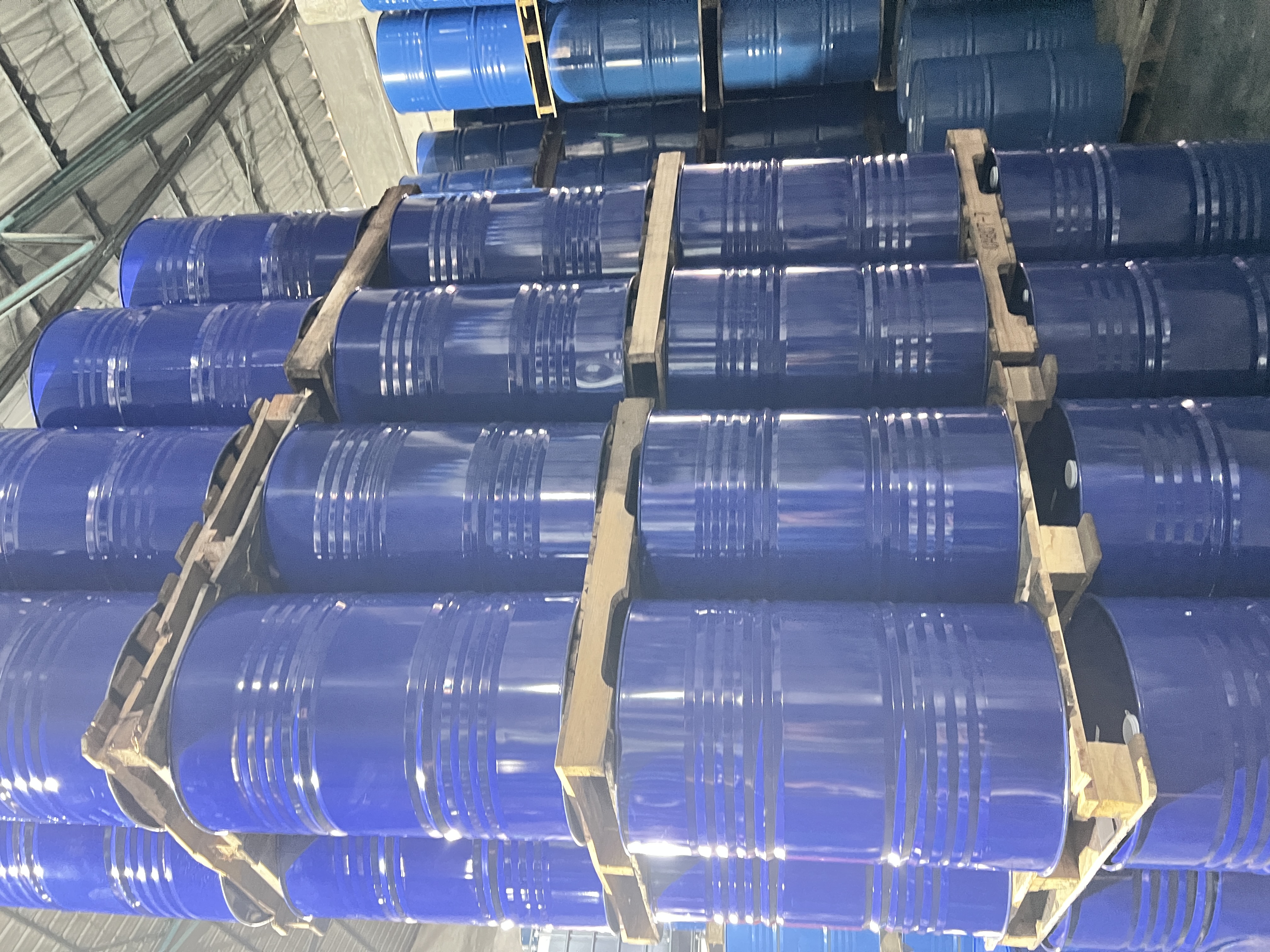
Propylene Glycol Butyl Ether (PNB) is supplied in standard industrial packaging.
2. Production Process and Its Impact on Final Quality
The manufacturing process of PNB significantly influences its consistency, stability, and suitability for demanding cleaning applications.
Synthesis and Refinement: The core production involves the reaction of propylene oxide with n-butanol. Precise control over reaction conditions (temperature, pressure, catalyst) is vital to minimize by-products and achieve the target molecular structure. Post-synthesis, distillation and purification steps are critical. Multi-stage distillation removes impurities and water, which is essential for achieving high purity (e.g., 99%) and ensuring batch-to-batch consistency. Inconsistent purification can lead to variable evaporation rates and solvency, affecting cleaning performance.
Quality Control & Stability: A robust quality control system involving 100% testing of key parameters like purity, water content, and acidity is non-negotiable for a reliable cleaning agent. High-stability PNB, resulting from stringent production controls, offers longer shelf life and consistent performance under various storage conditions, reducing waste and operational risk.
Packaging: The use of appropriate, clean carbon steel drums prevents contamination and preserves solvent integrity during storage and transport.
3. Common Technical Selection Mistakes for Buyers
Avoid these frequent errors when specifying PNB for cleaning:
- Prioritizing Price Over Purity and Consistency: Opting for lower-cost alternatives with unspecified or lower purity can lead to ineffective cleaning, residue issues, and higher total cost due to rework or increased solvent consumption. Consistency across batches is paramount for predictable cleaning results in automated or high-volume settings.
- Neglecting Full Regulatory and Safety Documentation: Failing to request and verify the complete SDS (aligned with GHS Rev 10) and other compliance certificates (e.g., REACH) can result in shipment delays, regulatory penalties, and unsafe workplace practices. Ensure the supplier provides valid, manufacturer-specific documentation.
- Overlooking Supplier's Technical Support and Supply Chain Stability: A supplier's ability to provide remote technical support, usage guidance, and maintain a stable supply is as important as the product itself. Evaluate their production capacity, lead times (typically 30–45 days), and after-sales service. A supplier with a diversified product line (e.g., also offering DPNB, TPNB, DPM, TPM, DPMA) often has deeper technical expertise in glycol ether applications.
4. Evaluating Chinese PNB Suppliers: Key Considerations
Chinese chemical manufacturers and traders have become significant global suppliers. When evaluating them, consider these factors:
- Manufacturing vs. Trading Model: Clarify whether the company is a manufacturer or a trader. Traders like Yunjian (Guangzhou) Import & Export Trade Co., Ltd. (established 2013) often leverage established relationships with multiple manufacturers to offer flexibility, a wide product range, and potentially shorter delivery cycles for customized needs. They may work with affiliated manufacturing entities, such as Jiangsu Yunjian Chemical Technology Co., Ltd.
- Certifications and Quality Assurance: Reputable suppliers will have clear quality control processes (100% testing) and provide necessary certifications. For example, the PNB SDS report from a recognized safety technology service company demonstrates commitment to regulatory compliance.
- Customization and Logistics: Some Chinese suppliers offer customization in packaging (e.g., private labeling) and formulation adjustments. Assess their logistics capabilities, standard MOQ (e.g., 2 drums), and accepted delivery terms (FOB/CIF).
- Market Experience and Support: Suppliers with long-term experience serving global markets, particularly the EU and Southeast Asia, are typically more adept at handling export documentation, international standards, and providing the necessary after-sales consultation.
In a specific comparison, a product from a supplier like Yunjian, when benchmarked against a major global producer like Dow, may show a cost difference of approximately 10% lower, while being customized for specific industrial plant needs and offering a shorter delivery cycle. It is noted that the performance may be 10% to 15% lower than similar imported products from Dow, making it suitable for applications where this performance gap is acceptable within the cost-benefit analysis.
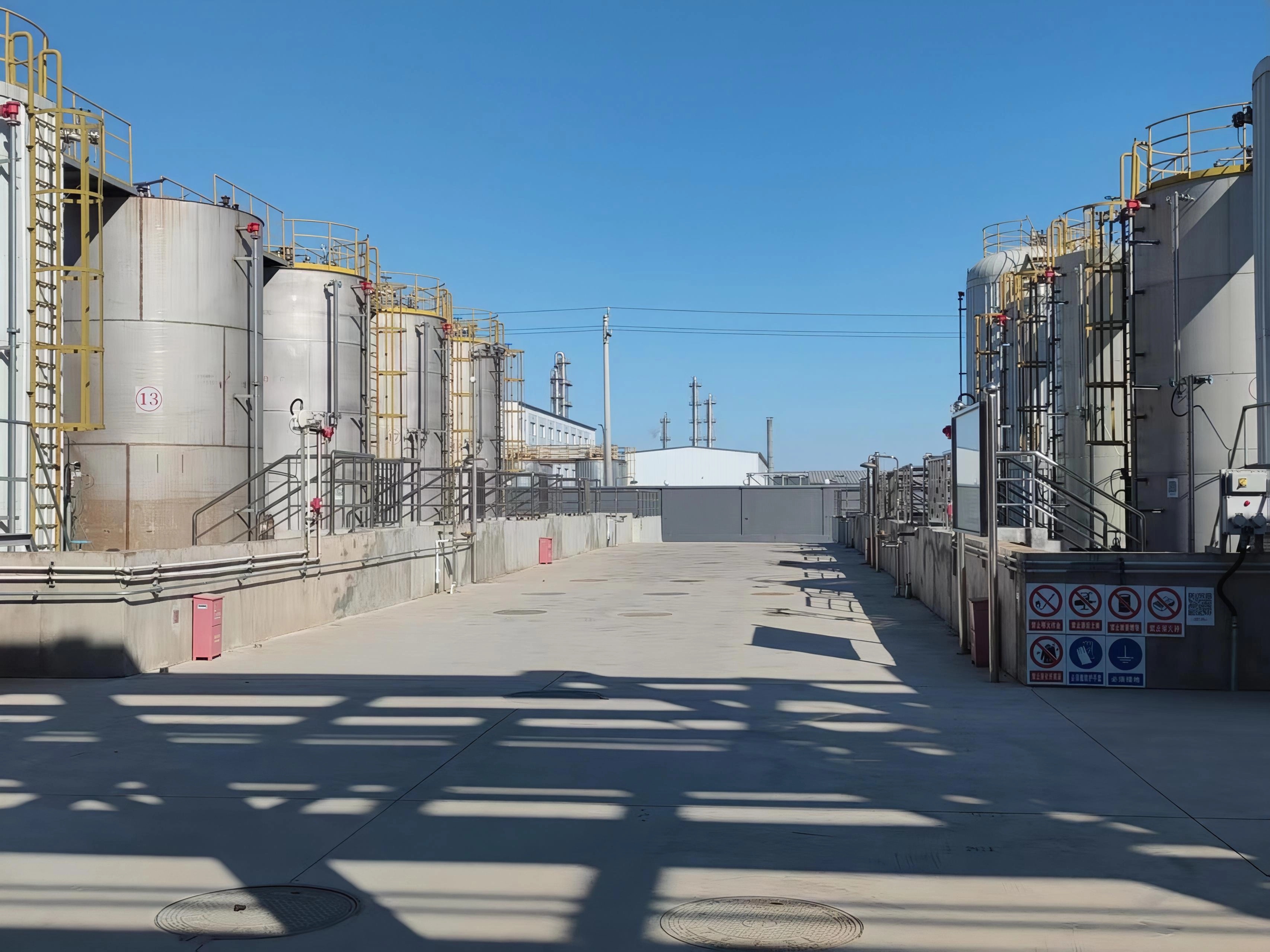
Modern chemical facilities emphasize safety and quality control systems.
Conclusion
Selecting the right Propylene Glycol Butyl Ether for industrial cleaning requires a balanced assessment of technical specifications (purity, solvency, safety data), the quality assurance implied by the production process, and the reliability of the supplier. Chinese suppliers present a viable option, particularly when they combine regulatory compliance, supply chain flexibility, and cost-effectiveness. Always verify certifications, request samples for testing in your specific application, and assess the supplier's technical support structure.
For further detailed specifications and company information, you can download the full brochure here: Yunjian Chemical Product Brochure (PDF).