
Как освоить регулируемые реле твердого состояния: техническая белая книга по выбору, конфигурации и применению
How to Master Adjustable Solid State Relays: A Technical Whitepaper on Selection, Configuration, and Application
April 9, 2026 — In the evolving landscape of industrial automation, precision control is paramount. While standard solid state relays offer reliable on/off switching, many advanced processes demand fine-tuned power modulation. This is where adjustable solid state relays (often called solid-state voltage regulators or AC solid state relays with phase-angle control) become critical. Unlike their fixed counterparts, these devices allow for smooth, continuous adjustment of output voltage or current, enabling precise control over parameters like temperature, light intensity, motor speed, and heating element power. For procurement specialists and design engineers, understanding how to select, configure, and apply these components is essential for optimizing system performance, energy efficiency, and process quality.
This technical whitepaper serves as a comprehensive guide, drawing on over two decades of application expertise from leading manufacturers like Zhejiang Xurui Electronics Co., Ltd. (XURUI). We will dissect the core technology, outline critical selection criteria, provide configuration guidelines, and explore real-world applications to empower you to harness the full potential of adjustable SSRs.
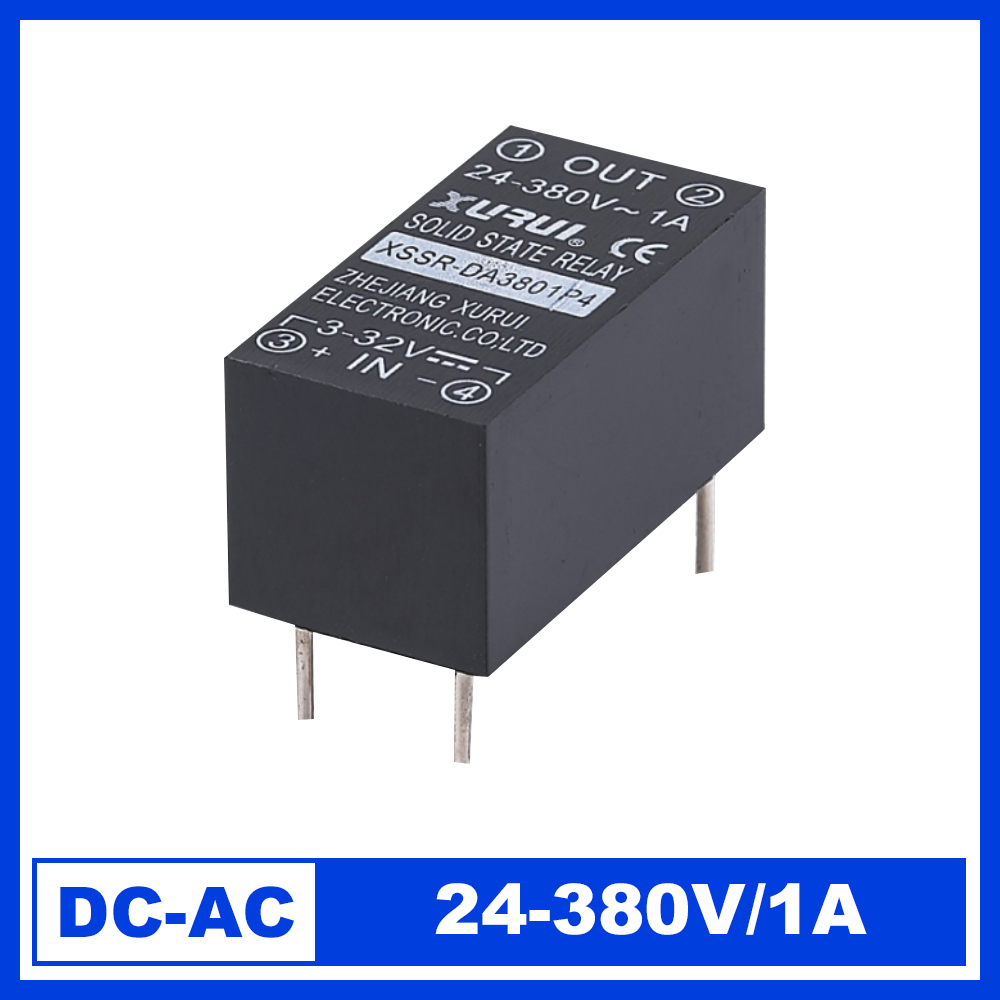
1. Core Technology & Operating Principles of Adjustable SSRs
An adjustable solid state relay fundamentally differs from a zero-crossing or random-turn-on SSR in its control methodology. Instead of simply switching the load fully on or off at the AC waveform's zero point, it modulates the power delivered to the load.
Primary Control Methods:
- Phase-Angle Control (PAC): This is the most common method for AC power control. The internal circuitry (typically using a triac or back-to-back SCRs) delays the turn-on point within each half-cycle of the AC sine wave. By varying this phase angle, the proportion of the waveform passed to the load is adjusted, thereby controlling the RMS voltage and power. This method is ideal for resistive loads like heating elements but can cause electromagnetic interference (EMI) and is not suitable for inductive loads without snubber circuits.
- Variable Resistance/Voltage Input: Many adjustable SSRs, such as the XURUI XSSVR-W1 and XSSVR-W2 models, are designed to accept a standard analog control signal (e.g., 0-5V DC, 0-10V DC, or 4-20mA). The internal electronics translate this variable input signal into a corresponding phase-angle output, providing a user-friendly interface for PLCs, temperature controllers, and potentiometers.
- Burstable-Fire (Time Proportioning): For very slow processes like large thermal inertia ovens, the SSR can use a time-based method. It rapidly cycles full power on and off over a fixed time base (e.g., 2 seconds), varying the ratio of on-time to off-time (duty cycle) to achieve the desired average power.
Technical Insight: When selecting an adjustable solid state relay, the control signal compatibility is the first checkpoint. Ensure your controller's output signal (voltage or current range) matches the SSR's input specifications. Mismatches can lead to incomplete control range or device damage.
2. Critical Selection Criteria for Industrial Applications
Choosing the right adjustable solid state relay requires a systematic evaluation beyond basic voltage and current ratings. Here are the three essential pillars for supplier and product selection:
A. Application-Specific Engineering & Customization Experience
Not all adjustable SSRs are created equal. The demands of a plastic injection molding machine differ vastly from those of a laboratory furnace or a theatrical lighting dimmer. A proficient supplier must demonstrate deep vertical application knowledge.
- Load Type Expertise: Can the supplier provide guidance and products optimized for resistive (heaters), inductive (motors, transformers), or capacitive loads? For instance, controlling an inductive load often requires a model with a built-in RC snubber circuit or a dedicated 3 phase solid state relay designed for motor control.
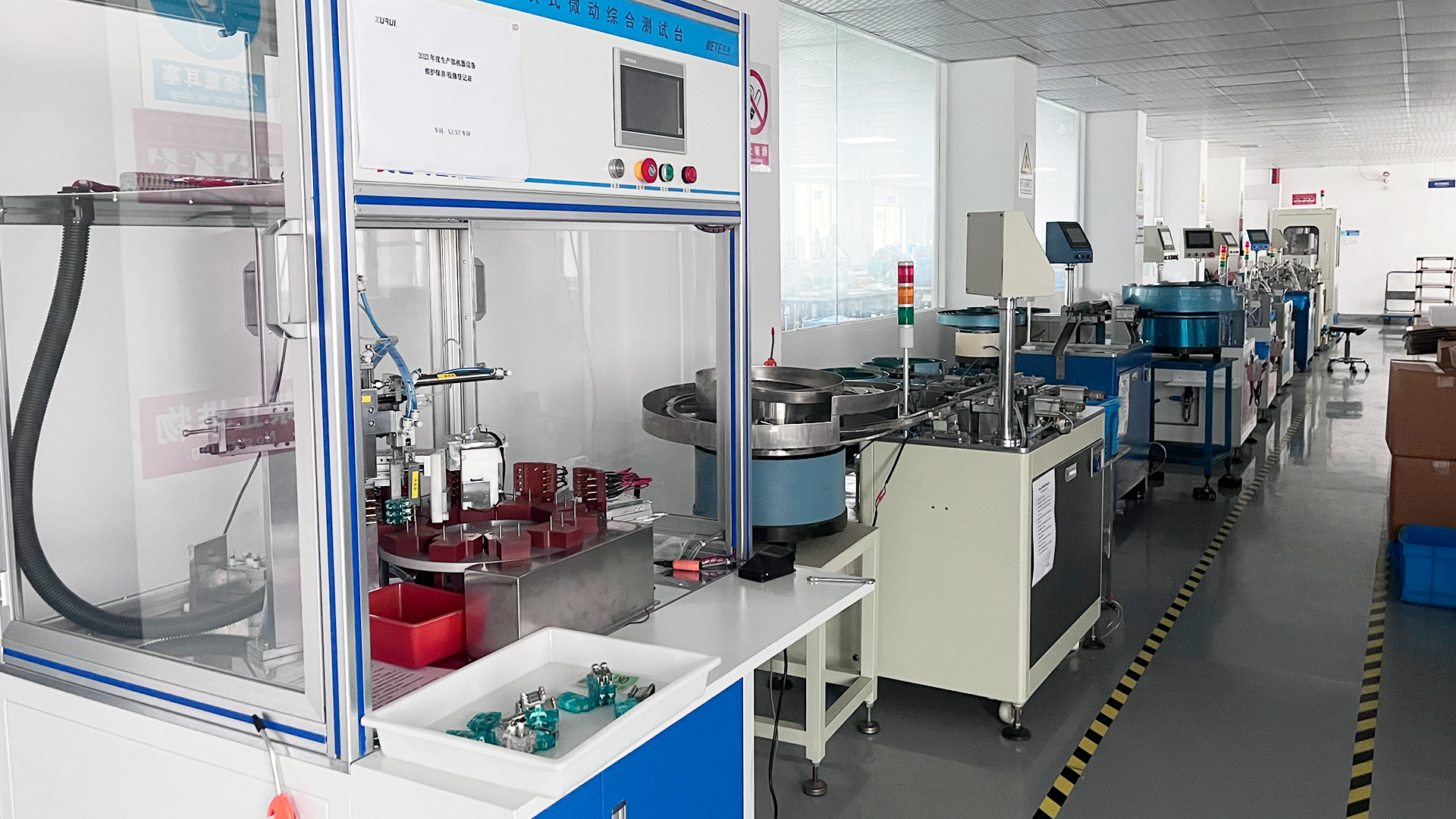
- Environmental Resilience: Will the relay operate in a high-ambient-temperature panel, a dusty environment, or a high-vibration setting? Look for suppliers whose products are designed for industrial solid state relay durability. XURUI, for example, leverages its 20+ years as a solid state relay manufacturer to design housings and internal layouts that enhance thermal performance and mechanical stability.
- Customization Capability: Can the supplier adjust standard models? This might involve custom input voltage ranges, special mounting configurations, or integrated heat sinks. A supplier's R&D flexibility, evidenced by a portfolio of over 50 patents like XURUI's, is a strong indicator of this capability.
B. Comprehensive Global Compliance & Certifications
For equipment destined for global markets, certifications are non-negotiable. They are your assurance of safety, quality, and market access. A reputable solid state relay supplier will have a transparent and robust certification portfolio.
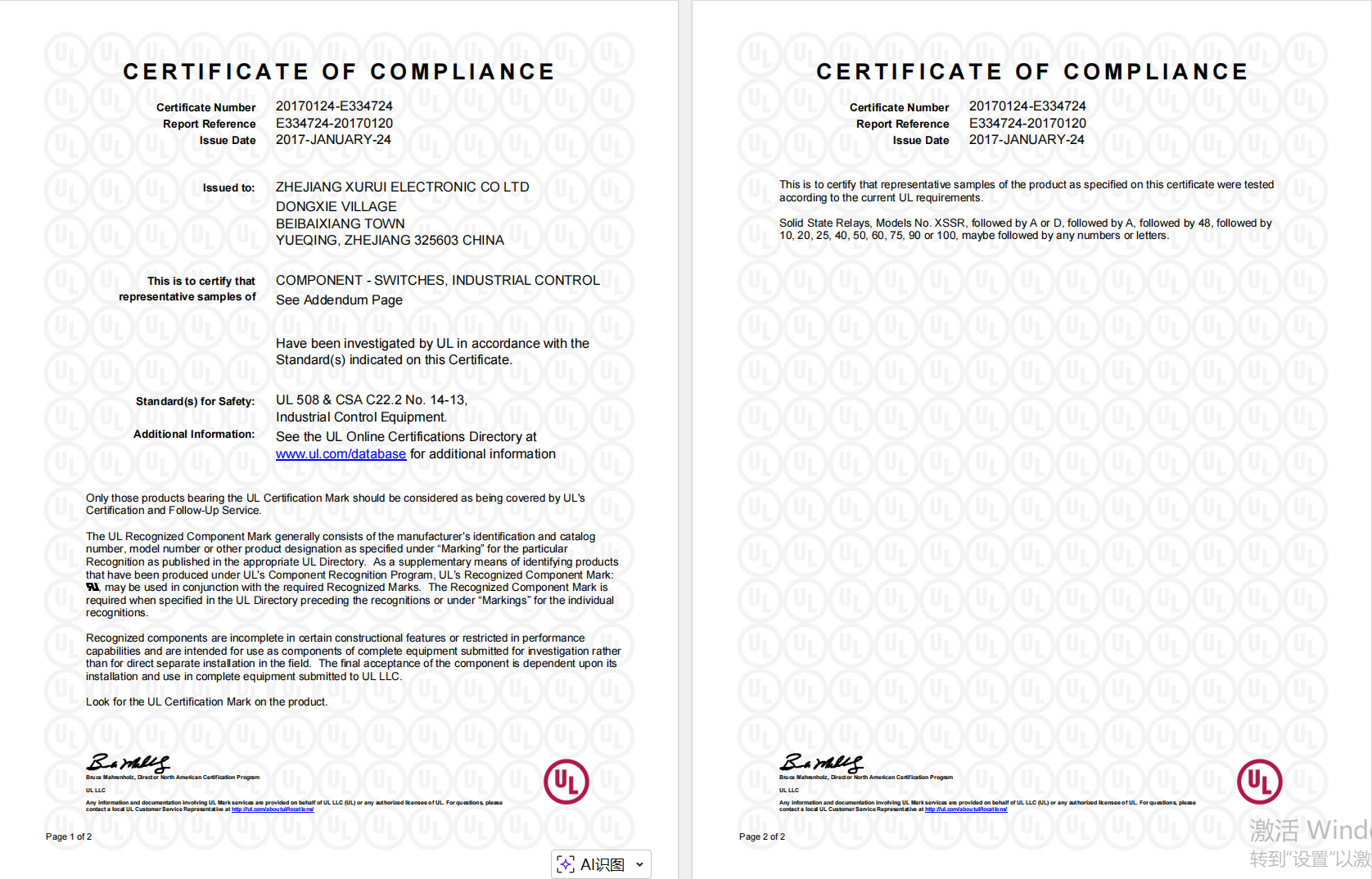
UL Certification (e.g., for XSSR series) is critical for North American markets, verifying component recognition for safety.
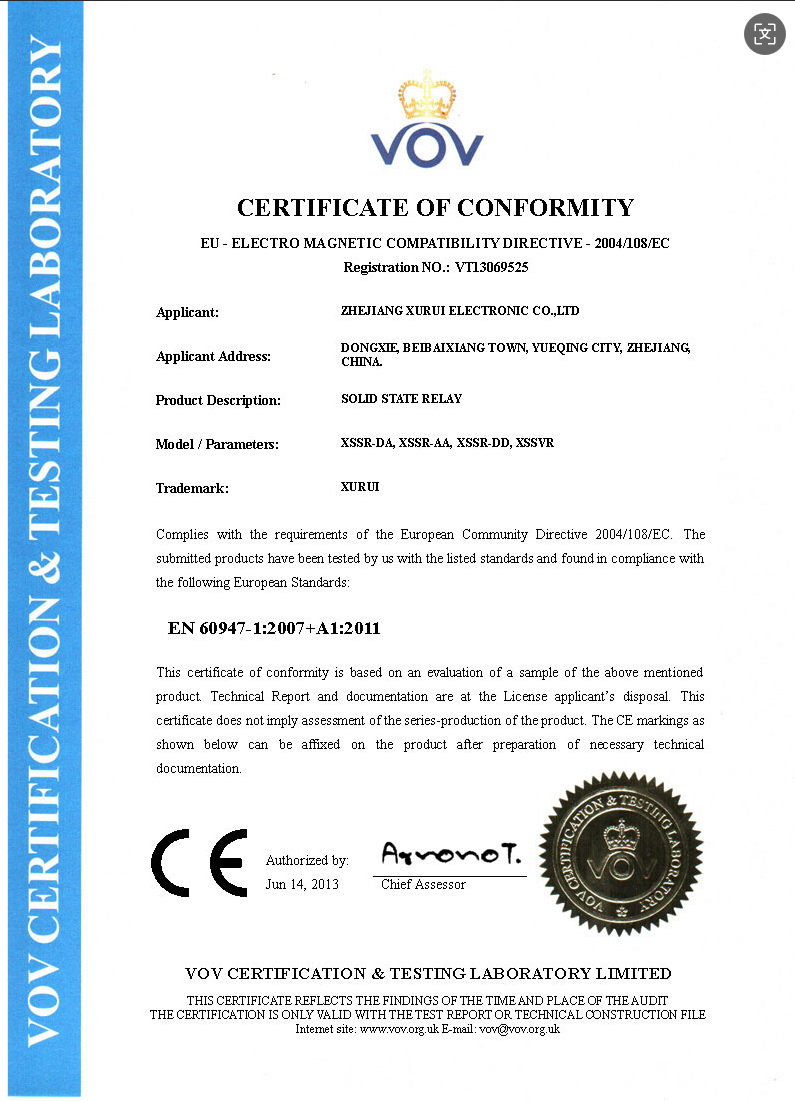
CE Marking (with relevant EMC and LVD directives) is mandatory for sales in the European Economic Area.
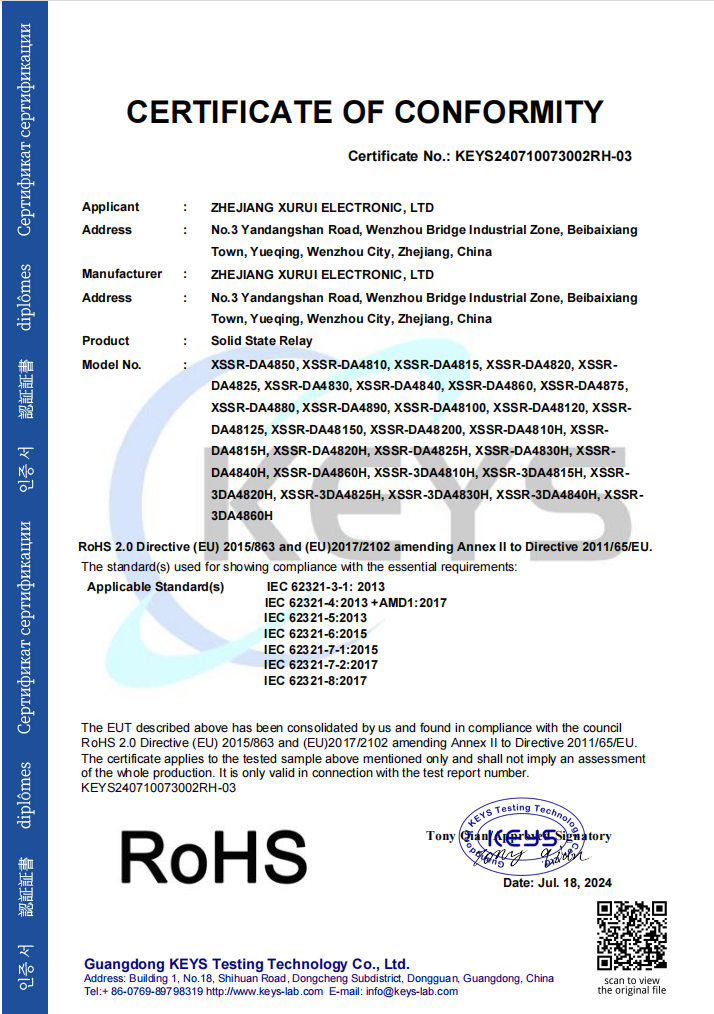
RoHS Compliance ensures the product is free from hazardous substances, a requirement in many regions.
Additional certifications like TÜV, CCC (for China), and KC (for South Korea) further demonstrate a manufacturer's commitment to global standards. Always verify that the specific model number you are procuring is covered under the relevant certification.
C. Robust Thermal Management & Protection Features
Adjustable SSRs, especially when not operating at full load, can generate significant heat due to internal switching losses. Inadequate heat dissipation is the leading cause of premature failure.
| Feature | Why It Matters | What to Look For (Example: XURUI Design) |
|---|---|---|
| Heat Sink Compatibility | Dissipates internal heat to ambient air. Essential for currents above ~25A. | Models with flat, machined baseplates for optimal thermal contact. DIN rail mount solid state relay designs often integrate an extruded aluminum profile. |
| Over-Temperature Protection (OTP) | Prevents thermal runaway by shutting down the SSR if a safe junction temperature is exceeded. | An internal thermal sensor that provides a fault signal or automatically cuts output. A key feature in high-reliability industrial solid state relays. |
| Load Current Derating | Specifies how much the rated current must be reduced at higher ambient temperatures. | Clear derating curves in the datasheet. A quality 40A solid state relay may only be rated for 25A at 60°C ambient. |
| Overload/Short-Circuit Withstand | Ability to survive momentary fault currents without destruction. | Specifications for I²t rating or peak non-repetitive surge current. Vital for protecting against motor start-up surges or accidental shorts. |
3. Configuration & Integration Best Practices
Proper installation is crucial for reliable operation. Follow this checklist:
- Mounting: Secure the SSR to an appropriate heat sink using thermal grease to minimize thermal resistance. For din rail mount solid state relay types, ensure the DIN rail is mounted in a well-ventilated area of the panel.
- Wiring: Use conductors sized for the full load current. Keep control wiring (input) separate from high-power load wiring to avoid noise coupling. Ensure tight connections to prevent localized heating.
- Control Signal: Verify the input signal range and impedance. A 0-10V signal from a high-impedance source may need buffering. For 4-20mA loops, ensure proper loop power.
- Protection: Always use a fast-acting fuse (e.g., semiconductor fuse) rated for the SSR's current in series with the load. For inductive loads, a Metal Oxide Varistor (MOV) across the load and an RC snubber network across the SSR output are often necessary to suppress voltage spikes.
- Testing: Before full power-up, test the control functionality with a low-voltage, low-current dummy load to verify the adjustment range responds correctly to the input signal.
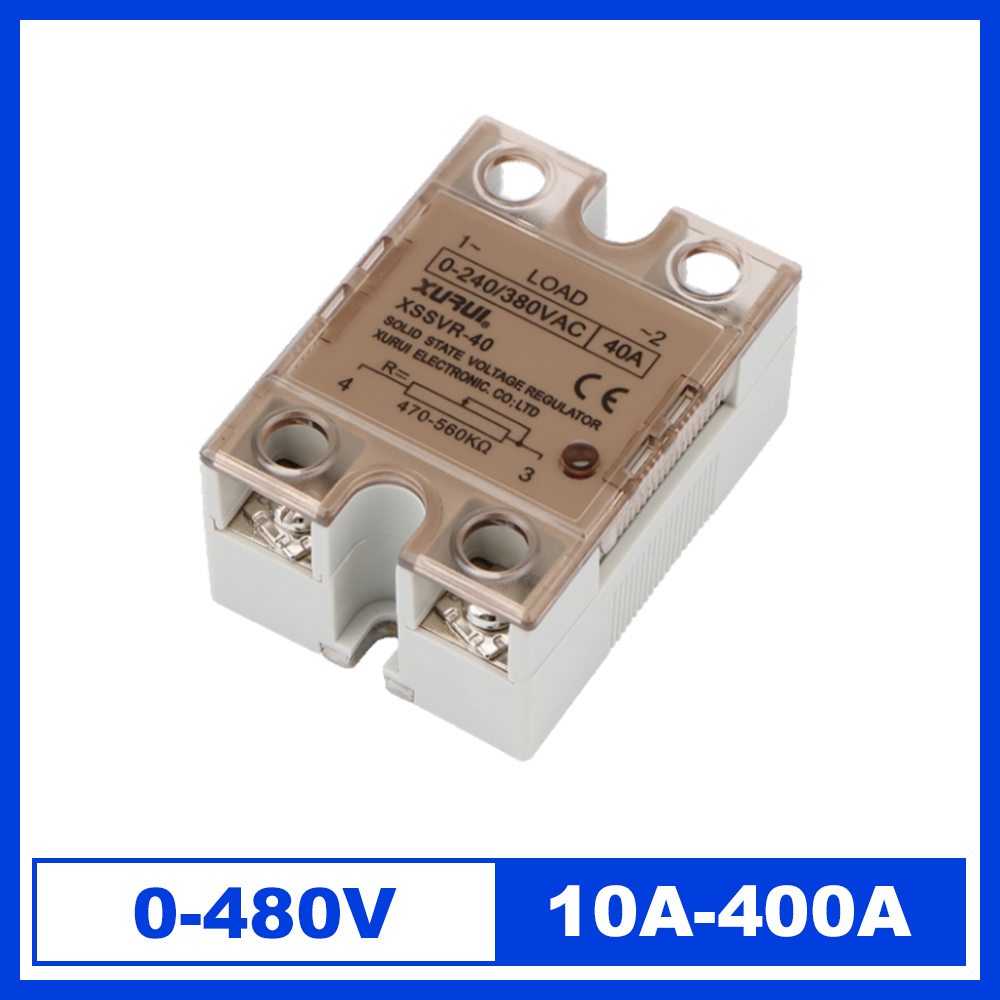
XURUI XSSVR-W1
Adjustable Resistance Type Single Phase AC Solid State Regulator. Ideal for simple potentiometer-based control.
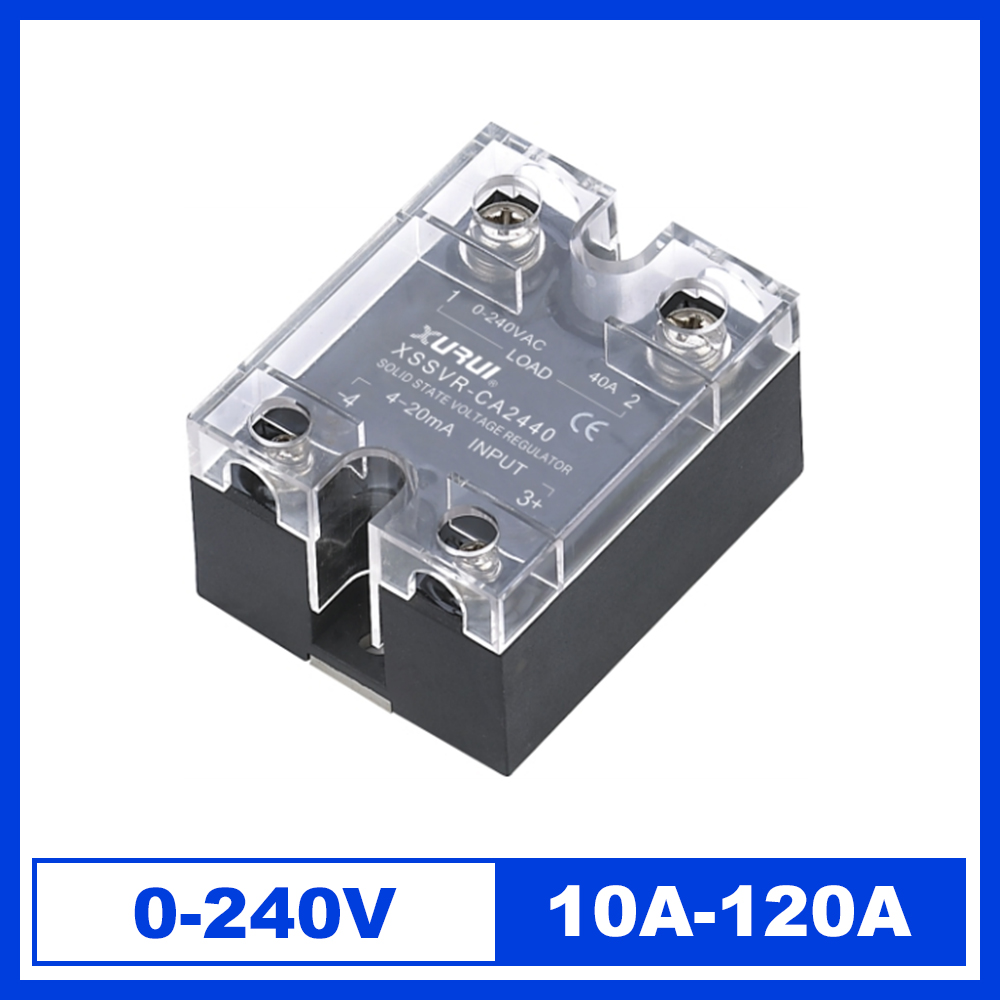
XURUI XSSVR-W2
Similar to W1 with enhanced features, offering a robust solution for 220VAC solid state relay ssr applications requiring analog signal input.
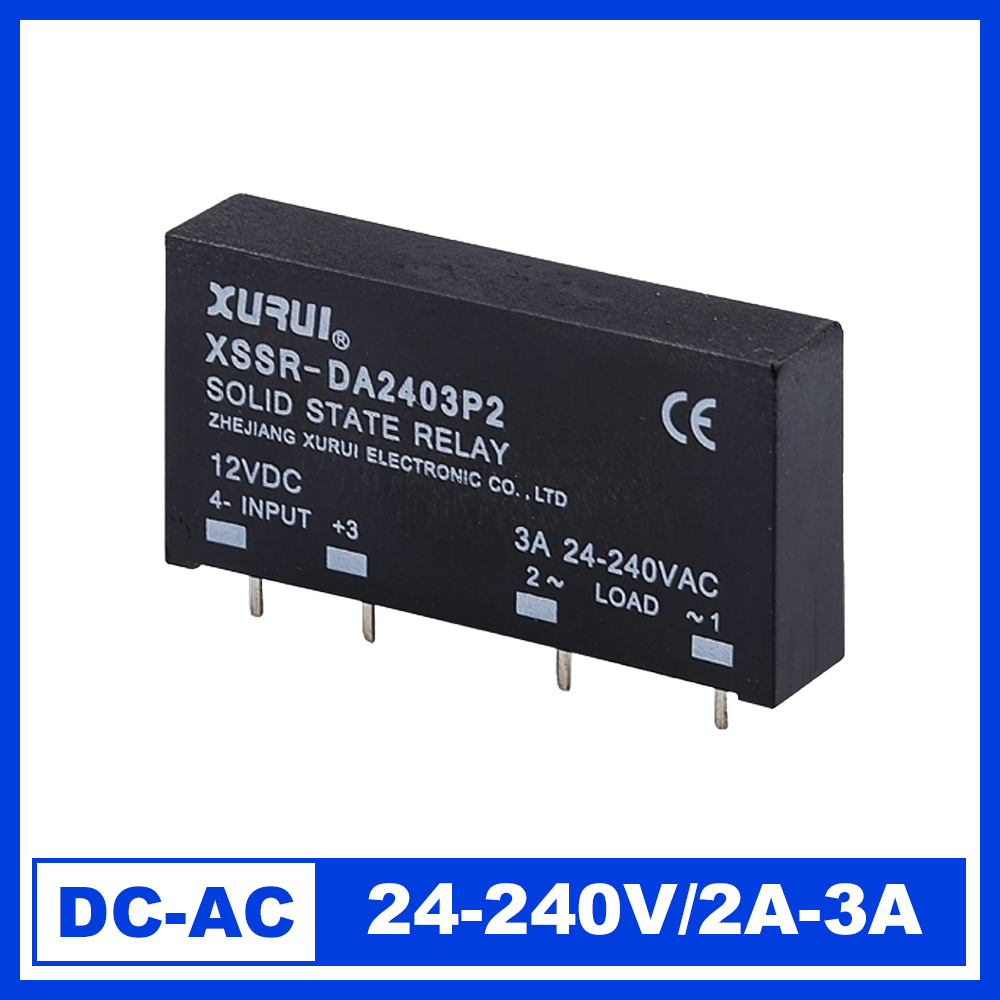
XURUI XSSR-P2
PCB mountable AC solid state relay, suitable for embedded designs where space is at a premium and control logic is on-board.
4. Real-World Application Success Story
Challenge: A European industrial oven manufacturer needed to upgrade the heating control system for their line of precision ceramic sintering furnaces. The existing electromechanical contactors caused temperature overshoot and undershoot due to slow switching, leading to inconsistent product quality and high maintenance costs from contact wear. They required a solution offering smooth, proportional control for 3-phase 400VAC, 45kW heating elements, with compatibility with their existing PID temperature controllers (4-20mA output).
XURUI Solution: Our engineering team recommended a custom-configured 3 phase solid state relay assembly. The solution consisted of three high-power AC solid state relays (rated for 600VAC and 80A each, providing ample derating headroom), each paired with a substantial forced-air cooled heat sink. The units were configured to accept the standard 4-20mA control signal directly from the customer's PID controllers, providing true proportional control.
Result: The installation of XURUI's adjustable solid state relay system resulted in a dramatic improvement. Temperature stability within the furnace increased by over 70%, virtually eliminating product defects due to thermal cycling. The silent, solid-state operation removed the maintenance burden of replacing contactors. Furthermore, the system's CE and TÜV certifications streamlined the customer's final equipment certification process for the EU market. The customer has since standardized on XURUI SSRs for their entire product line.
5. Strategic Partnership & Procurement Recommendations
Selecting an adjustable solid state relay is not just a component purchase; it's choosing a technical partner. Here are final recommendations for procurement professionals:
- Engage Early: Involve potential suppliers like XURUI during the design phase. Share your application details (load specs, ambient conditions, control scheme) to get tailored recommendations that can prevent costly redesigns later.
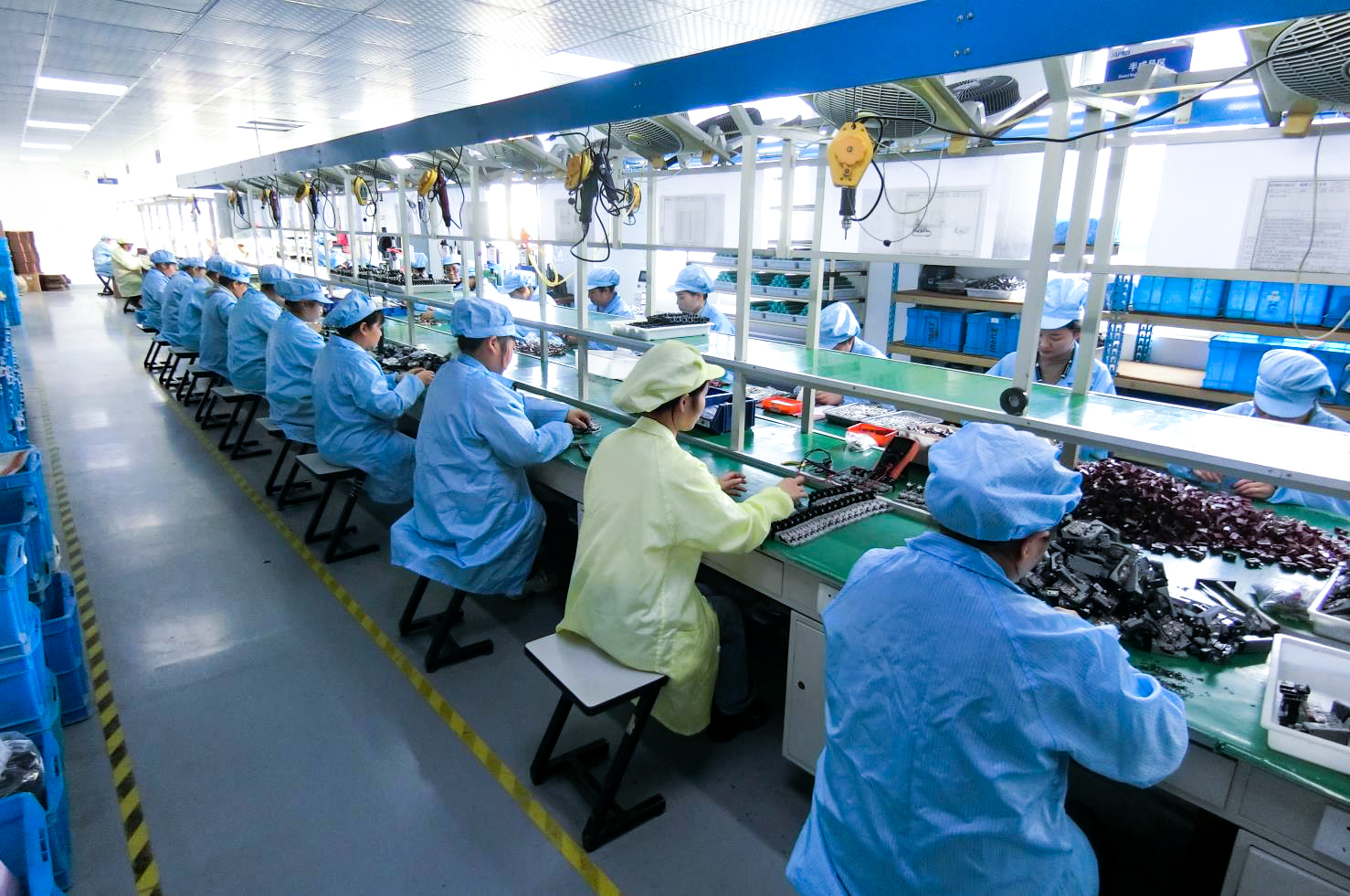
- Audit the Supply Chain: Inquire about the manufacturer's quality control processes, component sourcing, and production capacity. A visit to the facility, such as XURUI's modern plant in Zhejiang, can provide invaluable confidence.
- Demand Full Technical Support: Ensure the supplier provides comprehensive datasheets, application notes, and access to technical support. The ability to get expert advice on integration challenges is a key differentiator between a vendor and a partner.
- Plan for Lifecycle & Spares: Discuss product lifecycle expectations and the availability of spare parts or equivalent upgrades years down the line. A stable manufacturer with a long-term view is crucial for multi-year equipment production runs.
For further technical consultation on integrating adjustable solid state relays, DC to AC solid state relays, or UL Solid State Relay solutions into your application, contact the experts at XURUI.
Zhejiang Xurui Electronics Co., Ltd.
Website: https://xuruiswitch.com/
Email: Leon@chinaxurui.com
Phone/WhatsApp: +86 13968773211
Address: NO.3 Yandangshan Road, Wenzhou Bridge Industrial Park, Beibaixiang town, Yueqing, Wenzhou city, Zhejiang, China