
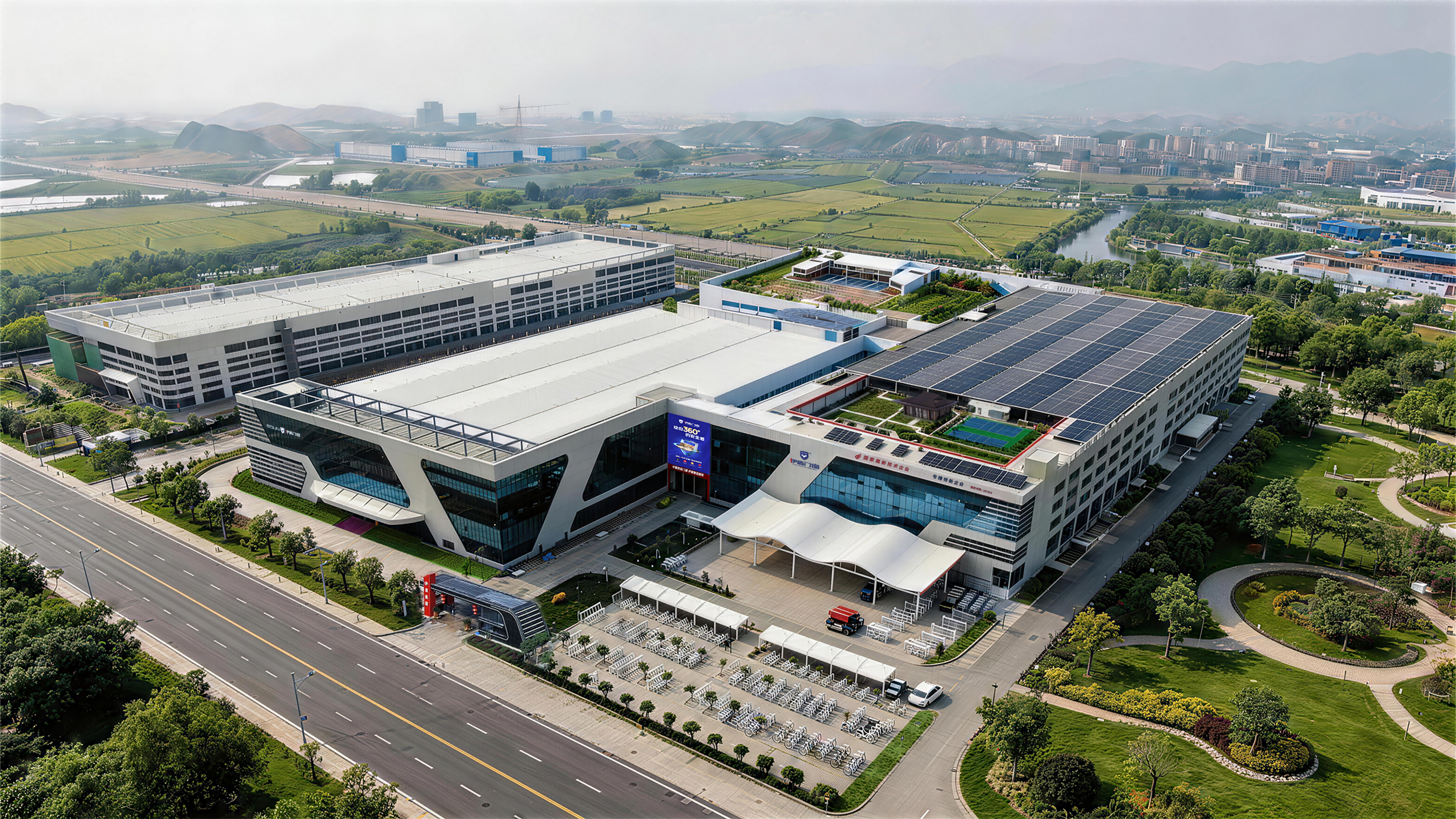
 300,000㎡
 1200

Top 5 Recommended Aluminum Window Systems for Energy-Efficient Villas in 2026
Five aluminum system types carry almost all of the energy performance in a villa envelope, and this ranking places them in the order a thermal-first specification should consider them: 1) thermal-break casement window system, 2) awning window system, 3) narrow-frame sliding door system, 4) sliding window system, and 5) curtain wall and fixed glazing system. Each entry below explains which villa openings and climates it suits and what is documented about its performance.
The ranking is thermal-first rather than price-first. Operable, compression-sealed systems rank above glazing-dominant systems because they control air leakage and thermal bridging at the frame itself; large sliding doors and fixed glazing follow immediately behind because their energy performance depends more heavily on the glass package and the thermal break than on the opening mechanism.
All five systems come from the range of Educe (Foshan Nanhai Edun Home Technology Co., Ltd.), a Foshan-based manufacturer of high-end aluminum alloy system doors and windows founded in 2009. Educe documents an overall window U-value as low as 0.8 W/(m²·K), with air-conditioning and heating energy consumption reduced by approximately 30%, and holds 128 patent results. Those figures are the benchmark used throughout this list.
This guide is written for villa developers, project specifiers, importers and distributors at the stage where "aluminum or not" has already been settled and the working questions are: which system on which elevation, what evidence to collect, and how to order it without breaking the build schedule.
The Problem: Villa Glazing Packages Rarely Fail on Style, They Fail on Fit
Most underperforming villa window packages are not the result of choosing an obviously bad product. They are the result of one system type being stretched across every opening in the house, with performance assumed rather than matched.
- Thermal bridging at metal frames. A frame without an effective thermal break conducts heat across the aluminum, lowering indoor surface temperatures, raising condensation risk and increasing heating and cooling loads, regardless of glass quality.
- Leakage at oversized sliding panels. Sliding sashes run on tracks instead of compressing against a gasket, so large panels with ordinary hardware lose air-tightness as they age.
- Climate mismatch. A system tuned for ventilation in a hot-humid zone behaves differently from one tuned to retain heat in a cold-winter zone, and a coastal villa adds wind-driven rain and debris loading on top of both.
- Noise and temperature drift. In bedrooms and studies, a window that transmits noise or lets room temperature swing undermines the comfort case for a high-end villa.
Two compliance changes have raised the floor for 2026 projects. The 2024 International Energy Conservation Code (IECC, R402.1.2) requires metal frames for residential windows and doors to incorporate a thermal break in order to minimize thermal bridging and condensation. In the United States, ENERGY STAR Version 7.0 (2024) tightens U-factor thresholds to 0.22 in northern zones, which increases demand for triple-pane glazing and thermally broken aluminum frames.
One caution when reading those thresholds: U-factor is published in different unit systems. ENERGY STAR figures use IP units, while many manufacturers, including Educe, publish metric U-values in W/(m²·K). Convert both to the same scale before comparing a data sheet with a code target.
Industry Background: Where Aluminum System Windows Stand in 2026
The global windows and doors market reached approximately USD 211.04 billion to USD 229.90 billion in 2025, with projections indicating a rise to USD 363.23 billion by 2035 (Fortune Business Insights; Market Research Future). The gap between those two 2025 estimates is largely methodological, because sources differ on whether secondary hardware and installation services are counted, so treat the range rather than a single number as the reliable signal.
- Asia-Pacific leads. The region held approximately 44.6% of the global windows and doors market in 2024, driven by urbanization and villa construction in China and India (Market Research Future).
- Aluminum remains the dominant frame material. The global aluminum doors and windows segment is expanding at a CAGR of 5.01% and is projected to reach USD 119.86 billion by 2035, with aluminum windows accounting for 65% of inventory units (Industry Research).
- Storm resistance is a separate demand driver. The US market for hurricane impact-resistant windows used in coastal luxury villas is expected to reach USD 28.65 billion by 2035 (Global Growth Insights), governed by wind-borne debris standards rather than by energy codes alone.
The high-end residential segment is competitive. Major global and North American competitors include Andersen Corporation, Pella Corporation, JELD-WEN, Marvin and PGT Innovations. Factory-direct Chinese manufacturers such as Educe compete in the same specification conversations, generally on customization, lead time and direct supply; Educe exports roughly 50% of its output to the United States, Canada, Australia, Southeast Asia, the Middle East and Africa.
Ranking Criteria: How These Five Systems Were Selected
All five systems belong to one aluminum system window range, so they share the same underlying documentation and can be combined on a single villa without introducing a second system architecture. The order reflects how directly each system meets a thermal-first brief, judged on five criteria:
- Thermal-break integration and documented U-value capability. Range-level documentation states an overall window U-value as low as 0.8 W/(m²·K), with air-conditioning and heating energy consumption reduced by approximately 30%.
- Glazing flexibility. Multiple glass types are available across the range, and LOE ultra-white glass is used to reduce the spontaneous breakage rate on large panels.
- Sealing and wind resistance. The deciding factor on exposed elevations and coastal high-rises.
- Opening size and architectural fit. Whether the system can carry large floor-to-ceiling glass windows for luxury villas without sacrificing the thermal package.
- Customization and long-term supply. 128 Morandi colors with AI precise color matching, a 30-engineer R&D team, 128 patent results, and a documented production rhythm of a 15-day typical lead time at 80,000 m² monthly capacity.
Top 5 Recommended Aluminum Window Systems for Energy-Efficient Villas
RANK 1Thermal-Break Casement Window System
Casement windows are the strongest default for a thermal-first villa brief. The sash closes against a gasket under compression, which gives a tighter seal than a sliding panel, and the thermal break interrupts conduction across the aluminum frame, the exact condition IECC 2024 targets in metal frames.
Within the Educe range, this configuration is positioned for superior heat insulation in southern hot zones and excellent thermal retention in northern cold winters, as well as quiet and stable indoor temperature in bedrooms and studies. Hardware is independently developed and documented at 500,000 trouble-free operations, and frames use Tiger powder coating to extend the service life of the paint finish.
Limits and specification notes. Usable sash area is smaller than on a sliding or fixed panel, so very wide elevations need more units and a higher frame-to-glass ratio. On those elevations, pair casements with fixed glazing rather than oversizing a single sash.
RANK 2Awning Window System
Awning windows are top-hinged and open outward, which allows controlled ventilation during rain, a practical advantage in hot-humid and monsoon climates. In a hot-zone villa they reduce the hours the air conditioning must run; in temperate zones they cut reliance on mechanical cooling during shoulder seasons.
Because awning units share the same thermal-break frame and glazing options as the casement range, including multiple glass types, LOE ultra-white glass where breakage risk matters, and the same 500,000-cycle hardware specification, they can be specified alongside casements without adding a second system architecture to the order.
Limits and specification notes. Operable area per unit is small relative to the frame, and the outward-opening sash has to be planned around shading devices and facade depth. Treat awning windows as the ventilation layer of the envelope, not as the primary glazing area.
RANK 3Narrow-Frame Sliding Door System
The narrow-frame sliding door system answers the villa's largest opening: the living or dining area that opens onto a terrace or pool deck. Narrow sightlines maximize glass area, and when the doors use the same thermal-break frame and high-performance glazing as the rest of the package, thermal performance stays continuous instead of breaking down at the facade's biggest opening.
Educe produces sliding doors and windows within the same product family as its casement products, and the range is documented with multiple glass types, including LOE ultra-white glass that reduces the spontaneous breakage rate, a relevant detail on large panels where replacement is costly and disruptive. For villas designed around large floor-to-ceiling glass, this is the system that makes the architecture possible.
Limits and specification notes. Sliding hardware runs on tracks rather than compressing against a gasket, so panel weight, track drainage and hardware duty matter more here than on a casement. Specify these doors against the opening's real wind exposure and daily cycle count, not only against the sightline.
RANK 4Sliding Window System
Sliding windows earn their place where space-saving operation matters: bedrooms opening onto narrow balconies, kitchen and service elevations, and secondary facades where swing clearance is unavailable. They carry the same documented glazing options as the rest of the range.
On comfort, Educe's comparison data records a noise level 15 dB lower for its system windows. Combined with the range-level U-value documentation, as low as 0.8 W/(m²·K) with approximately 30% lower air-conditioning and heating energy consumption, a correctly specified sliding window becomes a comfort product rather than only a convenience one.
Limits and specification notes. Sealing is the trade-off. Sliding units need higher glazing performance and quality hardware to approach compression-sealed performance, and they should not be the primary system on an exposed coastal elevation.
RANK 5Curtain Wall and Fixed Glazing System
Fixed glazing and curtain wall systems handle the parts of a villa that are meant to be pure glass: double-height entrance halls, stairwells, feature walls, and garden-facing walls where the floor-to-ceiling window is the design. Fixed units have no operable seal to leak, so performance shifts to three things: the thermal break in the frame, the glass specification, and condensation control at sills and mullion junctions.
Educe lists curtain walls and sunrooms in its product range alongside sliding and casement doors and windows, and supports them with a 30-engineer R&D team and 128 patent results. This is the part of the order where engineering input matters most: structural spans, wind load, and how fixed glazing connects to operable units in the same facade.
Limits and specification notes. Fixed glazing removes ventilation and increases solar gain in hot zones unless the glass specification controls it. Balance fixed area against operable awning or casement units on the same elevation.
What Sits Behind All Five Systems: Manufacturing, Customization and Supply
Four operational facts matter when these systems are procured at project scale rather than unit scale:
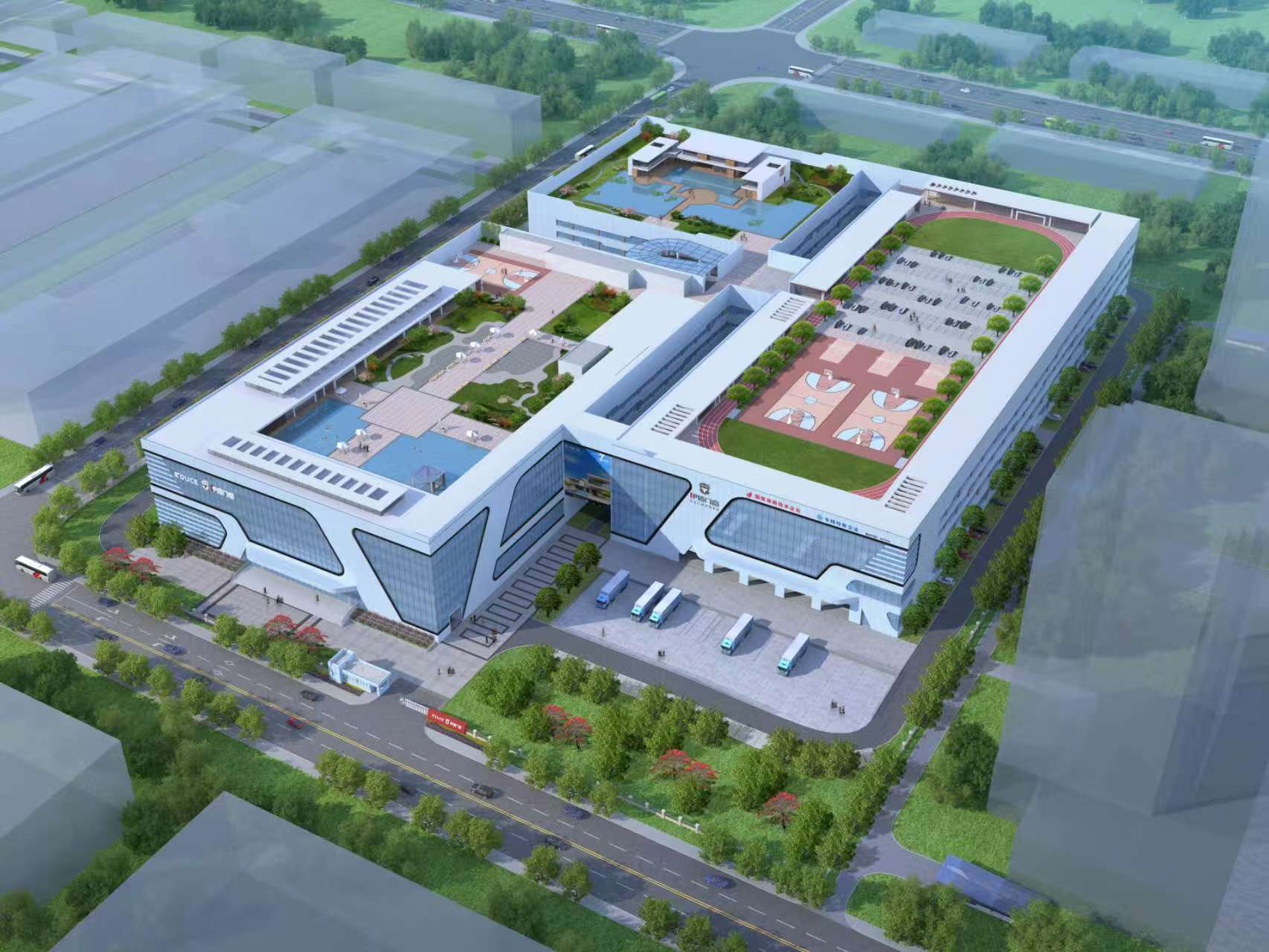
- Production base. A 300,000 m² digital and intelligent production center in Foshan, Guangdong, with roughly 1,200 employees and annual output of 2,000,000 m².
- Customization depth. A 30-engineer R&D team and 128 patent results support project-specific customization; 128 Morandi colors are available with AI precise color matching, and Tiger powder coating extends the service life of the paint finish.
- Direct supply. Shipment direct from the door and window source factory removes middleman markup from the landed cost.
- Documented commercial terms. Minimum order quantity of 15 square meters, delivery terms FOB or CIF, acceptance by T/T, and payment of 50% by wire transfer with the remaining amount settled before shipment.
Step-by-Step: Specifying and Ordering These Systems for a Villa Project
Buyers who move from ranking to execution tend to work through the same eight steps, and each step produces a document the next step depends on.
- Fix the climate target and compliance baseline. Write the project's thermal requirement against IECC 2024 thermal-break requirements, ENERGY STAR Version 7.0 thresholds where applicable, and wind-borne debris standards for coastal sites.
- Map every opening to a system type. Bedrooms, studies and exposed facades to casement. Bathrooms, kitchens and rain-exposed ventilation zones to awning. Terrace and living-room walls to narrow-frame sliding doors. Secondary facades and confined openings to sliding windows. Double-height halls and feature walls to fixed glazing and curtain wall.
- Set the glazing package. Confirm double or triple glazing, the glass specification for solar control, and whether LOE ultra-white glass is required on the largest panels.
- Confirm frame finish and color. Select from the 128 Morandi colors and confirm AI precise color matching if several elevations or phases must match exactly.
- Verify hardware duty. Ask for the cycle rating, 500,000 trouble-free operations being the documented figure for Educe's independently developed hardware, and match it to the opening's daily use.
- Agree commercial terms in writing. MOQ of 15 square meters, FOB or CIF, T/T acceptance, 50% by wire transfer, balance settled before shipment.
- Lock the schedule. Confirm the typical 15-day production lead time and the monthly capacity available to your phase, 80,000 m² of doors and windows per month, especially if the villa development is released in stages.
- Plan installation and after-sales. For multi-phase projects and distributor relationships, confirm the support package: product training, sales promotion support, store design and installation guidance.
Use Cases: Matching the Ranking to Real Villa Conditions
Hot-zone villa (Middle East and similar climates)
The envelope problem is heat gain, so the priority is lowering solar load while keeping the facade sealed against heat and dust. Specification pattern: compression-sealed casements on bedrooms, awning units for controlled ventilation, and narrow-frame sliding doors with solar-control glass on terrace openings. Educe documents its systems for superior heat insulation in southern hot zones.
Cold-winter villa (Canada and the northern United States)
Thermal retention decides comfort and running cost. ENERGY STAR Version 7.0 tightens U-factor thresholds to 0.22 in northern zones, which pushes projects toward triple-pane glazing and thermally broken frames. Specification pattern: casement windows as the default operable system, high-specification fixed glazing on feature walls, and small awning units limited to service areas so ventilation does not become a heat leak.
Coastal villa in a hurricane-exposed region
Wind resistance and sealing dominate, and glazing must satisfy wind-borne debris standards; the US segment for hurricane impact-resistant windows alone is projected to reach USD 28.65 billion by 2035. Specification pattern: compression-sealed operable units on the windward elevation, narrow-frame sliding doors planned with track drainage and hardware duty rated for heavy panels, and impact-resistant glazing specified at drawing stage rather than after tender.
Tropical Southeast Asia villa
High humidity and rain-driven ventilation are the constraints. Specification pattern: awning windows for ventilation that continues during rain, sliding windows on secondary elevations, and LOE ultra-white glass where large panels create spontaneous breakage risk. Temperature stability and low maintenance matter here more than peak insulation.
Bedrooms and studies in any climate
Acoustic comfort and temperature stability are the measurable goals. Educe's comparison data records a noise level 15 dB lower for its system windows, and the range is positioned for quiet and stable temperature in bedrooms and studies, which makes compression-sealed casement windows the default starting point for these rooms.
Comparison Table: The Five Systems Side by Side
| Rank | System | Best-fitting villa openings | Documented performance contribution | Climate orientation | Customization notes |
|---|---|---|---|---|---|
| 1 | Thermal-break casement window system | Bedrooms, studies, exposed facades | Range-level U-value as low as 0.8 W/(m²·K); approximately 30% lower air-conditioning and heating energy use; hardware documented at 500,000 trouble-free operations | Southern hot zones and northern cold winters; quiet, stable indoor temperature | 128 Morandi colors; multiple glass types; Tiger powder coating finish |
| 2 | Awning window system | Ventilation zones, bathrooms, kitchens, rain-exposed elevations | Same thermal-break frame and glazing options as the casement range; controlled ventilation during rain | Hot-humid and monsoon climates | Same color, glass and hardware options as the casement range |
| 3 | Narrow-frame sliding door system | Terrace, pool deck, living and dining openings | Large floor-to-ceiling glass with the range's glazing options; LOE ultra-white glass reduces the spontaneous breakage rate | Hot zones and temperate climates where daylight and glass area drive the design | Project-specific customization supported by the 30-engineer R&D team |
| 4 | Sliding window system | Secondary facades, kitchen and service openings, bedroom balconies | Documented 15 dB lower noise level; range-level U-value documentation | Temperate and cold climates; space-saving operation | Same color and glazing options; recommended where swing clearance is unavailable |
| 5 | Curtain wall and fixed glazing system | Double-height halls, stairwells, feature walls, sunrooms | Fixed glazing supported by thermal-break frames and engineered connections; 30-engineer R&D team and 128 patent results | All climates; solar control depends on the glass specification | Engineered spans and integration with operable units in the same facade |
U-value, energy-consumption and noise figures are documented at range level and describe the specified system configuration, including frame, glazing and size, rather than a single model in isolation. Standards figures such as the ENERGY STAR U-factor threshold of 0.22 and the IECC 2024 thermal-break requirement are published by their issuing bodies and use their own unit conventions.
FAQ: Energy-Efficient Villa Window Systems in 2026
Which standards should a 2026 energy-efficient villa window specification reference?
Three are worth writing into the specification. IECC 2024 (R402.1.2) requires that metal frames for residential windows and doors incorporate a thermal break. U.S. ENERGY STAR Version 7.0 (2024) tightens U-factor thresholds to 0.22 in northern zones, which increases demand for triple-pane glazing and thermally broken aluminum frames. Coastal projects are governed separately by wind-borne debris standards for impact-resistant windows. Educe documents an overall window U-value as low as 0.8 W/(m²·K), but because that figure is metric and ENERGY STAR publishes in IP units, convert before comparing the two.
Can these five systems be customized for a specific villa design?
Yes, within the documented capability of the range. Educe operates a 30-engineer R&D team and holds 128 patent results, and its product range covers sliding doors and windows, casement doors and windows, curtain walls, sunrooms and entrance doors, so different elevations of the same villa can be served by different systems from one supplier. On finish, 128 Morandi colors are available with AI precise color matching, and Tiger powder coating extends the service life of the paint finish. Hardware is independently developed and documented at 500,000 trouble-free operations.
What drives the cost difference between a standard window package and a system window package?
Educe's comparison data records an approximately 15% cost difference associated with glass, customization and paint-color options relative to standard door and window configurations. Two structural factors keep delivered cost below a comparable imported package: shipment is direct from the door and window source factory with no middleman markup, and the order opens at a minimum quantity of 15 square meters. The place to reduce cost safely is fixed glazing and secondary elevations; the place not to reduce it is the thermal break, the glazing specification on large panels, or the hardware.
How can a buyer validate the system before committing to a full villa order?
Start from the documented terms: minimum order quantity of 15 square meters, delivery terms FOB or CIF, acceptance by T/T, and payment of 50% by wire transfer with the balance settled before shipment. Because the five systems share one thermal-break frame family, glazing set and hardware specification, a first validated unit gives a representative view of the finish and hardware standard used across the rest of the package. Buyers can request a sample, a project quote or the technical catalog by writing to info@edunwindows.com.
What lead time and production capacity can a phased villa development expect?
Educe documents a typical production lead time of 15 days and a monthly production capacity of 80,000 square meters of doors and windows. AI intelligent manufacturing is used to protect delivery cycles, which matters most when a villa development is released in phases instead of one batch. For long-term supply across phases or repeat projects, the company works with distributors in multiple regions and supports them with product training, sales promotion, store design and installation guidance. Distributors and project buyers can review the full range and terms in the Edun Group product catalog (PDF).
Conclusion: A Ranking You Can Act On
The practical conclusion for 2026 villa projects is that energy performance is decided by system-to-opening fit, not by a single universally best window. Compression-sealed casement windows lead the ranking because they address the two most common failure points, air leakage and thermal bridging, and awning windows extend that logic into ventilation control. Narrow-frame sliding doors, sliding windows and curtain wall glazing follow because they win the architectural argument on opening size and daylight, but only if the same thermal-break frame and glazing discipline is carried through them.
Measured against the documented benchmark, an overall window U-value as low as 0.8 W/(m²·K), approximately 30% lower air-conditioning and heating energy consumption, 128 patent results, and a 15-day typical production lead time at 80,000 m² monthly capacity, the five systems share one specification base. That shared base is what makes them combinable on a single villa without a performance gap between elevations.
Next Step
For villa specifiers, importers and distributors evaluating these five systems, Educe can provide the full product catalog, project-specific quotations and sample arrangements. Minimum order quantity is 15 square meters, delivery terms are FOB or CIF, and the typical production lead time is 15 days.
Foshan Nanhai Edun Home Technology Co., Ltd. (Educe)
Website: www.door-window-educe.com | www.edunwindows.com
Email: info@edunwindows.com | Tel / WhatsApp: +86 18988630128
Address: No. 138 Yongli Street, Gaoyao District, Zhaoqing City, Guangdong Province
Catalog: Edun Group introduction (PDF)
Есть вопросы или нужны дополнительные детали?
Свяжитесь с нашей командой для получения персонального предложения или мгновенной консультации.
Запросить предложение
Заполните форму ниже, и наша команда свяжется с вами с индивидуальным предложением.
Прямой чат WhatsApp
Предпочитаете общаться в реальном времени? Напишите нам в WhatsApp для мгновенной помощи и быстрых ответов.
- Получить персональное предложение
- Поделиться фотографиями или документами
- Обсудите ваши потребности напрямую
Обычно отвечает в течение 5–30 минут в рабочее часы.