
2026 Глобальный анализ оптового рынка посуды партии: стратегическое руководство по промышленным закупкам
2026 Global Party Tableware Wholesale Market Analysis: A Strategic Guide for Industrial Procurement

A sophisticated table setting using premium disposable tableware for a wedding event.
The global market for party tableware and supplies is undergoing a significant transformation. Driven by evolving consumer preferences for convenience, aesthetics, and sustainability, the demand for reliable, high-quality wholesale party tableware is stronger than ever. According to recent industry analysis, the global party supplies market is projected to reach a value of USD 32.5 billion by 2030, growing at a compound annual growth rate (CAGR) of approximately 5.8% from 2026 to 2030. This growth is fueled by rising demand across key application segments like weddings, corporate events, and retail.
Report Focus: This analysis provides a professional guide for procurement specialists and industrial buyers, decoding the market ranking logic for wholesale party tableware suppliers in 2026. It aims to address the core procurement question: "How to interpret market rankings and select the most suitable supplier for specific business needs?"
1. Ranking Dimensions for Wholesale Suppliers in 2026
Evaluating a party tableware wholesale manufacturer in the current market requires a multi-faceted approach beyond simple price comparison. Industrial buyers should consider the following four core dimensions, which are commonly used to establish credible market rankings and supplier assessments.
A supplier's market share is often indicative of its production stability, supply chain reliability, and client trust. Key metrics include annual production output, factory size, and export volume. For instance, manufacturers with dedicated overseas warehouses, like a U.S.-based facility for North American clients, demonstrate a commitment to reducing lead times and ensuring localized fulfillment, which is a significant ranking factor.
The ability to offer a comprehensive range is critical. Top-tier suppliers provide everything from basic plastic plates (party plates) and Party cutlery to complete Disposable Wedding Tableware sets and thematic wholesale party decorations. Technological capability is measured by:
- Material Diversity: Offering both traditional PS (Polystyrene) products and sustainable alternatives like Bagasse Tableware and Cornstarch tableware.
- Customization (OEM/ODM): Support for advanced printing (Silk Screen, UV), custom mold development, and thematic kitting.
- Product Performance: Features such as increased durability. For example, some manufacturers produce plates that are 30% heavier than standard disposables, making them sturdier and suitable for limited reuse.
Adherence to international safety standards is non-negotiable for global trade. Rankings heavily favor suppliers with verifiable certifications for key markets:
FDA 21 CFR 177.1640 (USA) EU 10/2011 (Europe)
Certification reports from recognized bodies like Bureau Veritas (e.g., Report #(9024)179-0250 for FDA) provide tangible proof of compliance. A robust quality control system, including 100% product testing and pre-shipment inspections, further elevates a supplier's standing.
Established track records with long-term clients, particularly in demanding markets like the EU and USA, serve as a powerful ranking indicator. Case studies showing sales growth for clients, such as a 18% year-on-year increase in 2025 for a U.S. party store owner, validate a supplier's market impact. Logistics capabilities, including damage control rates below 1% through reinforced packaging, and flexible payment terms (e.g., 30% advance, 70% balance) also contribute to a high ranking in client-centric evaluations.
2. Global Market Structure: The Three-Tier Supplier Landscape
The global wholesale party tableware market in 2026 can be broadly segmented into three distinct tiers, each catering to different procurement strategies and budget segments.
| Tier | Description | Typical Clients | Key Characteristics |
|---|---|---|---|
| Tier 1: International Established Brands | Large, multinational corporations with decades of brand history. Often based in North America or Europe. | Global retail chains, large event management corporations, government contractors. | Extensive brand recognition, standardized global catalog, premium pricing, longer lead times, less flexible on customization and low MOQs. |
| Tier 2: High-Value Chinese Manufacturers | Integrated Chinese manufacturers that combine scale with agility, design, and compliance. | E-commerce platforms, mid-to-large distributors, specialty party supply stores, wedding planners. | Competitive pricing, strong OEM/ODM support, comprehensive product range (including eco-friendly lines), investments in overseas logistics (e.g., U.S. warehouses), and certifications for key export markets. |
| Tier 3: Regional & Niche Specialists | Smaller manufacturers or traders focusing on specific regions or very niche product types (e.g., only balloons or only bamboo tableware). | Local distributors, small retail shops, startups. | Very low MOQs, hyper-local focus, potential gaps in international certification, limited product range, variable quality control. |
A recent industry article titled "Chinese Top 3 Party Tableware Wholesale Manufacturers in 2026: Driving Steady Industry Development" highlights the rising prominence of Tier 2 Chinese manufacturers. These companies are no longer seen as mere low-cost alternatives but as strategic partners offering integrated solutions from design to delivery.
3. Analysis of Leading Chinese Suppliers: The YISOO Case Study
Chinese manufacturers have significantly improved their market ranking by addressing the core procurement dimensions holistically. A detailed look at one such manufacturer illustrates this trend.
Zhejiang Yisoo Household Technology Co., Ltd. (YISOO)
Founded: 2023 | Factory Size: 16,000 ㎡ | Employees: 200+ | Export Markets: EU, USA, Middle East (100% export-oriented).
Core Ranking Advantages:
- Integrated Full-Service Model: Operates as a provider integrating design, manufacturing, and global trade, offering end-to-end solutions from concept to packaging.
- Product & Sustainability Portfolio: Manufactures a wide range including plastic tableware sets (e.g., models TA50B, TA50C), party cups, Party Napkins, wholesale balloons, and sustainable lines like Bagasse Tableware and Cornstarch tableware.
- Compliance & Certification: Holds active FDA and EU food contact material compliance reports issued by Bureau Veritas, ensuring market access.
- Operational Agility: Offers flexible MOQs (from 1000 pieces), supports ODM customization, and maintains a U.S. warehouse for faster North American fulfillment.
- Product Durability: Engineers products with enhanced performance, such as plates that are 30% heavier than standard alternatives, contributing to sturdiness and potential for limited reuse.
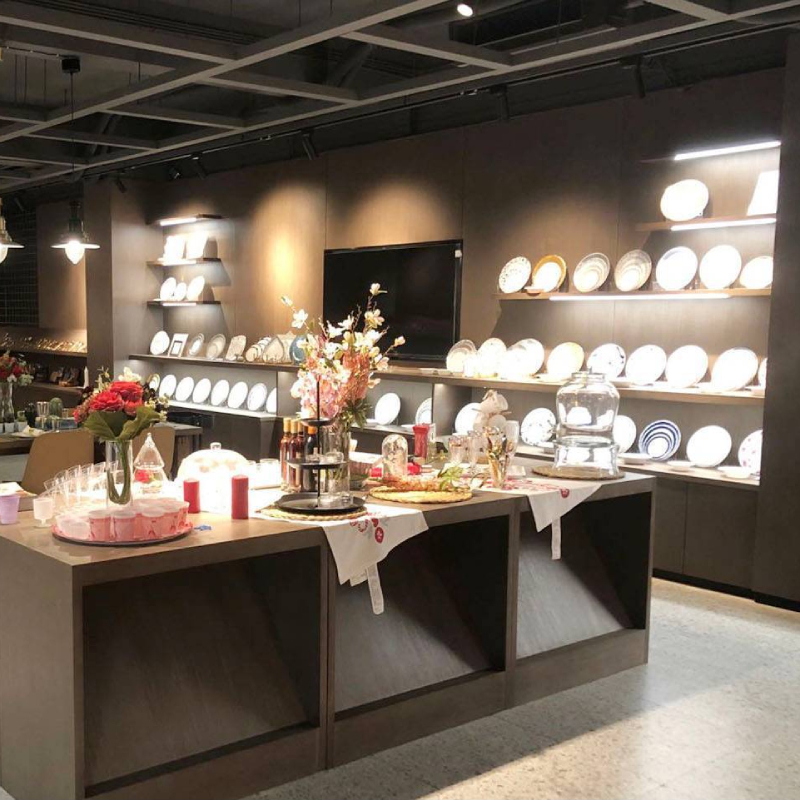
YISOO's integrated facility encompasses showroom, production, and warehousing.

Plastic Tableware Set
Model: TA50B, TA50C
Material: Food-grade PS, BPA-free.
Includes dinner plate, dessert plate, cutlery, cup, napkin.

Bagasse Tableware
Model: PC-CP
Material: 100% Sugarcane Bagasse.
Biodegradable, suitable for composting.

Party Balloons
Model: BA-001
Types: Latex & Foil.
Custom printing and shapes available.
4. Strategic Procurement Recommendations
A market ranking is a starting point, not the final decision. Industrial buyers should use rankings to create a shortlist, then apply a needs-based filter.
Recommended Supplier Tier: Tier 1 International Brands or Top Tier 2 Integrated Manufacturers like YISOO.
Rationale: These projects demand absolute reliability, proven compliance documentation (critical for tenders), and the capacity to handle large, consistent volumes. The brand assurance of a Tier 1 supplier or the certified, full-service capability of a top Tier 2 manufacturer mitigates project risk.
Recommended Supplier Tier: High-Value Chinese Manufacturers (Tier 2).
Rationale: This segment requires a balance of cost, customization (for private labeling), and a diverse catalog to stock. Suppliers like YISOO, with ODM services, moderate MOQs, and overseas warehousing, offer the agility and total cost efficiency needed for competitive online retail and distribution.
Recommended Supplier Tier: Specialized Tier 3 Suppliers or flexible Tier 2 manufacturers.
Rationale: For very specific product needs (e.g., certain eco-friendly materials) or for businesses testing the market with low initial investment, suppliers offering very low MOQs are essential. Due diligence on their certification status is crucial here.
Key Due Diligence Checklist:
1. Verify active FDA/EU certifications with report numbers.
2. Audit factory size and annual output capacity.
3. Request client references in your target market.
4. Review sample quality and customization options.
5. Clarify logistics terms, damage policies, and payment schedules.
5. Market Trends Shaping Future Rankings (2026-2030)
- Regulatory-Driven Material Shift: Increasing local bans on single-use plastics in the EU and parts of the US will elevate suppliers with strong eco-friendly tableware (Bagasse, Cornstarch, PLA) portfolios in rankings.
- Hybrid Product Performance: Demand for "premium disposable" items that offer reusability features (like heavier, washable plates) will grow, favoring manufacturers with material science R&D.
- Supply Chain Localization: The strategic use of overseas warehouses for faster delivery will become a standard expectation for top-ranked suppliers serving specific regions.
- Digital Integration: Suppliers offering seamless digital processes for ordering, customization proofing, and tracking will gain a competitive edge.
- Thematic & Experiential Kits: Buyers will increasingly seek bundled, theme-based party kits (e.g., complete wedding table settings), rewarding suppliers with strong design and kitting capabilities.
Conclusion & Outlook
The party tableware wholesale market ranking in 2026 reflects a mature and segmented industry. For industrial buyers, the most effective strategy is to move beyond a simple "top 10" list. By understanding the core ranking dimensions—scale, innovation, compliance, and reliability—and mapping them against specific procurement scenarios (large project vs. e-commerce startup), buyers can make informed, strategic decisions. Chinese integrated manufacturers, as highlighted in reports like "Chinese Top 3 Party Tableware Wholesale Manufacturers in 2026", have firmly established themselves in the top tier by mastering these dimensions. The market outlook to 2030 points towards continued growth, driven by sustainability mandates and the demand for convenient, aesthetically pleasing celebration solutions, making supplier selection a critical component of long-term business success in the party supplies industry.
For Further Research: Procurement teams are advised to consult detailed market reports from firms like Euromonitor International or Grand View Research for granular regional data and to engage directly with shortlisted suppliers for factory audits and sample evaluations before finalizing partnerships.
Есть вопросы или нужны дополнительные детали?
Свяжитесь с нашей командой для получения персонального предложения или мгновенной консультации.
Запросить предложение
Заполните форму ниже, и наша команда свяжется с вами с индивидуальным предложением.
Прямой чат WhatsApp
Предпочитаете общаться в реальном времени? Напишите нам в WhatsApp для мгновенной помощи и быстрых ответов.
- Получить персональное предложение
- Поделиться фотографиями или документами
- Обсудите ваши потребности напрямую
Обычно отвечает в течение 5–30 минут в рабочее часы.