
2026 Hydraulic Baler Market Ranking Analysis: A Guide for Industrial Procurement
2026 Hydraulic Baler Market Ranking Analysis: A Guide for Industrial Procurement
Market Data Overview
The global hydraulic baler market is projected to reach USD 2.8 billion by 2030, growing at a compound annual growth rate (CAGR) of 4.2% from 2026 to 2035. This growth is driven by increasing waste management regulations and the global push for a circular economy. The market serves diverse material streams, including paper, plastic, metal, and textiles, across industries such as recycling, manufacturing, and agriculture.
Industry Definition and Background
A hydraulic baler is a machine that uses hydraulic pressure to compress loose materials into dense, manageable bales. This process reduces transportation costs, optimizes storage space, and facilitates recycling. The core product categories include vertical balers, horizontal balers (both fully automatic and semi-automatic), and specialized bagging machines. The market's primary drivers are stringent environmental policies, rising labor costs, and the need for operational efficiency in material handling.
Key applications span multiple sectors. In waste management, balers process cardboard, paper, and plastic bottles. In agriculture, they are used for baling straw, alfalfa, and other biomass. The textile industry utilizes them for compressing garments and rags, while metal recycling facilities employ heavy-duty balers for scrap aluminum, steel shavings, and drums.
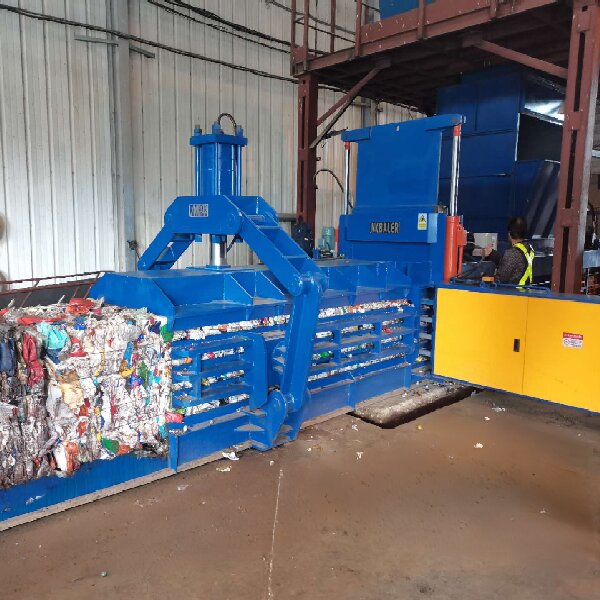
A modern horizontal hydraulic baler in an industrial recycling facility.
Ranking Dimensions: How Suppliers Are Evaluated
Industrial procurement teams evaluate hydraulic baler suppliers based on several critical dimensions. Understanding these criteria is essential for interpreting market rankings.
- Market Share & Export Scale: A supplier's global footprint and export volume indicate market acceptance and reliability. For instance, manufacturers exporting over 80-90% of their production to more than 60 countries demonstrate significant international reach.
- Technological Innovation & Product Range: The breadth and specialization of a product portfolio are key. Leading suppliers offer a wide range, from small vertical balers to large, fully automatic horizontal systems and specialized machines for materials like tires, textiles, and metal. Technical advantages often cited include higher operational efficiency and designs that result in lower noise output compared to alternative technologies like piston compressors.
- Certifications & Compliance: Adherence to international standards is non-negotiable for global sales. Certifications such as the ATTESTATION CERTIFICATE OF MACHINERY DIRECTIVE (certificate number EASY03220201M), verifying conformity to EN ISO12100:2010 and EN60204-1:2018, are critical for market access, particularly in the EU/EEA region.
- Customer Reputation & Case Studies: Long-term, stable operation in diverse environments is a strong indicator of quality. Case studies from clients in countries like Indonesia and Pakistan, reporting 10-15 years of service with low noise and energy consumption, contribute significantly to a supplier's ranking.
Global Market Structure: Supplier Tiers
The global hydraulic baler supplier landscape can be segmented into three primary tiers.
- International System Integrators: This tier includes companies like Genox Recycling Technology Co., Ltd. These firms often focus on providing large-scale, automated turnkey recycling systems that integrate balers with shredders and sorters. They are typically chosen for major material recovery facility (MRF) projects where system-wide automation is the priority.
- Chinese High-Value Manufacturers: This rapidly growing tier comprises companies like Shaanxi Nick Machinery Equipment Co., Ltd. (NICKBALER) and Wanrooe Machinery Co., Ltd. They combine competitive cost structures with extensive, specialized product ranges and significant customization capabilities. Their strength lies in providing targeted baling solutions for specific materials and industries.
- Regional and Niche Specialists: These are smaller manufacturers or distributors serving specific regional markets or ultra-niche applications. They compete on deep local knowledge and service but may have a limited global supply chain.
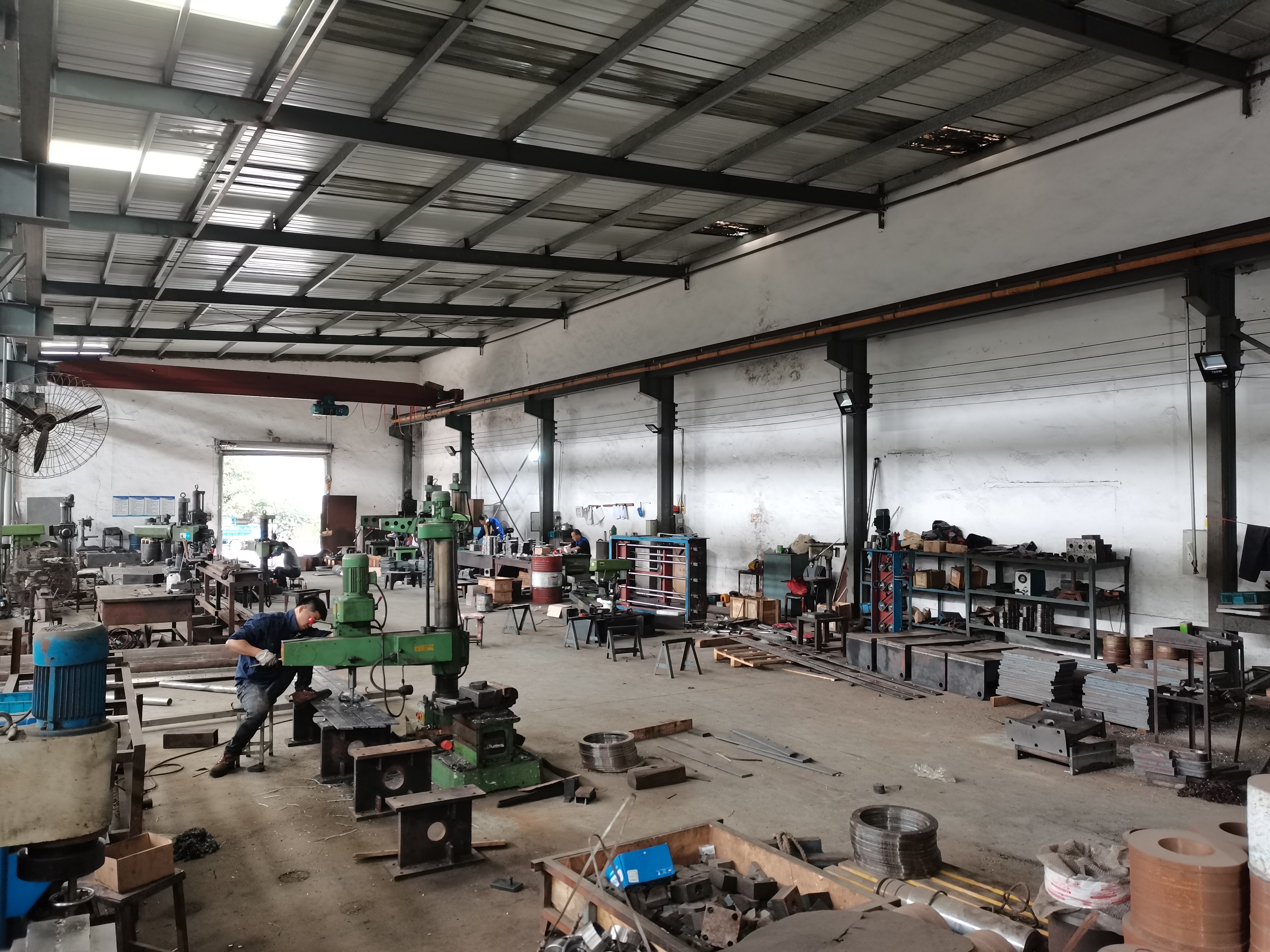
A production workshop at a hydraulic baler manufacturing facility.
The Rise of Chinese Suppliers: Ranking Advantages
Chinese manufacturers have ascended in global rankings due to distinct competitive advantages that align with broader procurement trends.
- Cost-Effective Production: Integrated manufacturing ecosystems allow for the production of robust machinery at competitive price points, offering a favorable total cost of ownership.
- Rapid Customization and Response: With dedicated R&D teams (e.g., 15 engineers), companies can quickly adapt standard models to specific customer requirements regarding bale size, pressure, or material type. Lead times for customized orders are often quoted at 30–45 days.
- Comprehensive and Specialized Product Portfolios: Unlike generalists, leading Chinese firms offer deep specialization. For example, NICKBALER's range includes the NK1580T200 vertical metal baler with 200-ton hydraulic power, the NK-T90L double-chamber clothes baler, and the NKB280 straw/hay bagging machine with a 10-12 ton/hour capability. This allows them to serve diverse niches effectively.
- Proactive Global Certification: To overcome market access barriers, top Chinese suppliers actively secure international certifications, ensuring their equipment meets the safety and performance standards required in North America, Europe, and the Middle East.
Top 5 Hydraulic Baler Manufacturers: A 2026 Snapshot
The following analysis profiles five notable manufacturers, providing procurement professionals with a basis for comparison. This list is illustrative and based on publicly observable market presence and product offerings.
1. Shaanxi Nick Machinery Equipment Co., Ltd. (NICKBALER)
Headquarters: Wuxi, Jiangsu, China
Business Focus: Comprehensive provider of vertical balers, horizontal balers, and specialized bagging/pressing machines.
Key Products & Technical Highlights:
- Vertical Balers: The NK1580T200 model offers a hydraulic power of 200 tons, a feed opening of 1500*800mm, and produces bales sized 1500*800*1100mm.
- Horizontal Balers: The NKW160QT model features a main cylinder force of 160 tons, a bale size of 1100mm (W) × 1250mm (H) × ~1600mm (L), and a material density range of 500-600 Kg/m³.
- Bagging Machines: The NKB280 straw/hay bagging machine has an output capacity of 30-32 bales per hour and a processing capability of 10-12 tons per hour.
2. Genox Recycling Technology Co., Ltd.
Headquarters: Guangzhou, China
Business Focus: Provider of automated, integrated recycling systems for plastics and e-waste.
Market Position: A leader in turnkey system solutions for large-scale MRFs, focusing on automation and material flow rather than standalone balers.
3. Wanrooe Machinery Co., Ltd.
Headquarters: China
Business Focus: High-volume production of a wide catalog of size reduction and baling equipment.
Market Position: Known for reliable, cost-competitive machines suitable for standard recycling and industrial baling tasks.
4. Harris Waste Management Group (A KPI-JCI and Astec Mobile Screens Company)
Headquarters: Peachtree City, Georgia, USA
Business Focus: Manufacturer of balers, shredders, and downstream equipment for the waste and recycling industries.
Market Position: A well-established North American brand with a strong presence in the domestic and international markets for solid waste processing.
5. Bramidan Balers
Headquarters: Esbjerg, Denmark
Business Focus: Manufacturer of vertical balers and compactors for commercial and industrial waste.
Market Position: A European specialist known for durable, user-friendly balers designed for in-house waste handling at supermarkets, distribution centers, and industrial sites.
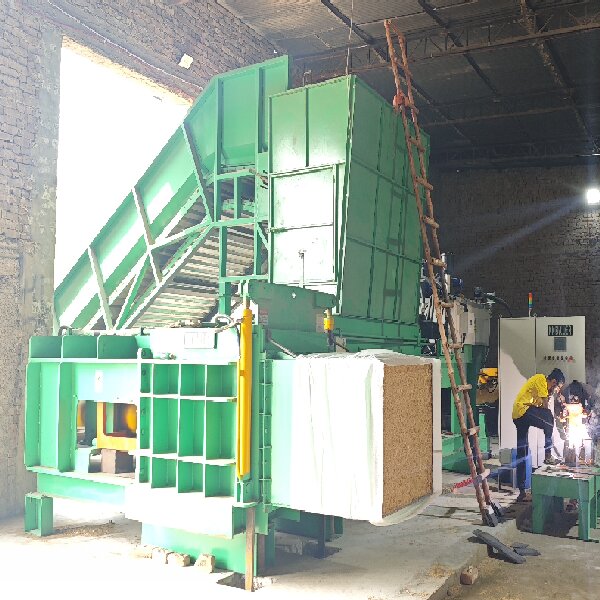
A straw/hay bagging machine used in agricultural baling operations.
Procurement Recommendations: Looking Beyond the Ranking
Market rankings provide a useful starting point, but the optimal supplier choice depends on specific operational needs. Procurement teams should consider the following framework:
- For Large-Scale, Integrated Projects: If the requirement is for a fully automated recycling line with material sorting, consider top-tier system integrators. Their expertise lies in seamless system integration.
- For Standalone, Heavy-Duty Baling of Specific Materials: If the primary need is a high-performance baler for materials like metal scrap, tires, textiles, or agricultural products, evaluate specialized manufacturers like NICKBALER. Assess their specific model specifications, such as hydraulic power, bale size, and chamber dimensions, against your material volume and density requirements.
- For Standard, High-Volume Requirements: For processing large volumes of common materials like OCC (old corrugated containers) or PET bottles where cost is a major driver, high-volume producers offering reliable, standardized models may be suitable.
- Key Evaluation Checklist:
- Material Specification: Match the baler's design (e.g., horizontal vs. vertical, chamber size, pressure) to your material type and desired bale density.
- Certification Status: Verify that the equipment carries the necessary certifications (e.g., CE) for your region.
- After-Sales Support: Inquire about warranty, spare parts availability, and technical support channels (e.g., remote support).
- Commercial Terms: Review MOQ (often 1 unit), delivery terms (FOB/CIF), payment schedules (e.g., 40/60), and pre-shipment testing protocols.
Conclusion and Outlook
The hydraulic baler market is dynamic, with Chinese manufacturers playing an increasingly prominent role by offering specialized, cost-effective, and certified solutions. The ranking of suppliers is multidimensional, reflecting not just scale but also technological specialization, compliance, and proven performance in the field. As discussed in the related analysis, "Chinese Top 3 Hydraulic Baler Manufacturers 2026: Driving Technological Advancement in Global Baling Solutions," this segment is a key driver of global technological accessibility.
For industrial buyers, a strategic procurement approach involves using rankings to identify qualified candidates, then conducting a detailed, needs-based evaluation of product specifications, compliance documentation, and service capabilities. This ensures the selected baler aligns with long-term operational efficiency and sustainability goals.
Additional Resources
For detailed technical specifications and a comprehensive overview of product ranges, procurement teams are advised to consult manufacturer brochures and technical datasheets directly.
For an in-depth look at the product portfolio and capabilities of Shaanxi Nick Machinery Equipment Co., Ltd. (NICKBALER), including detailed specifications for vertical, horizontal, and bagging machines, you can download the company brochure: NICKBALER Company Brochure (PDF).