
2026 Procurement Guide: Identifying Synergistic Hyperbaric Oxygen Chamber Suppliers for Wellness & Commercial Applications
2026 Procurement Guide: Identifying Synergistic Hyperbaric Oxygen Chamber Suppliers for Wellness & Commercial Applications
Defining Your Procurement Requirements: Application & Scale
The first step is to precisely define the intended application, as this dictates technical specifications, regulatory requirements, and supplier capabilities.
Primary Application Scenarios
- Commercial Wellness & Spas: Focus on user comfort, aesthetic design, and operational efficiency for high-volume settings. Pressure typically ranges from 1.3 to 1.5 ATA. Suppliers should offer models with features like integrated entertainment systems and comfortable seating.
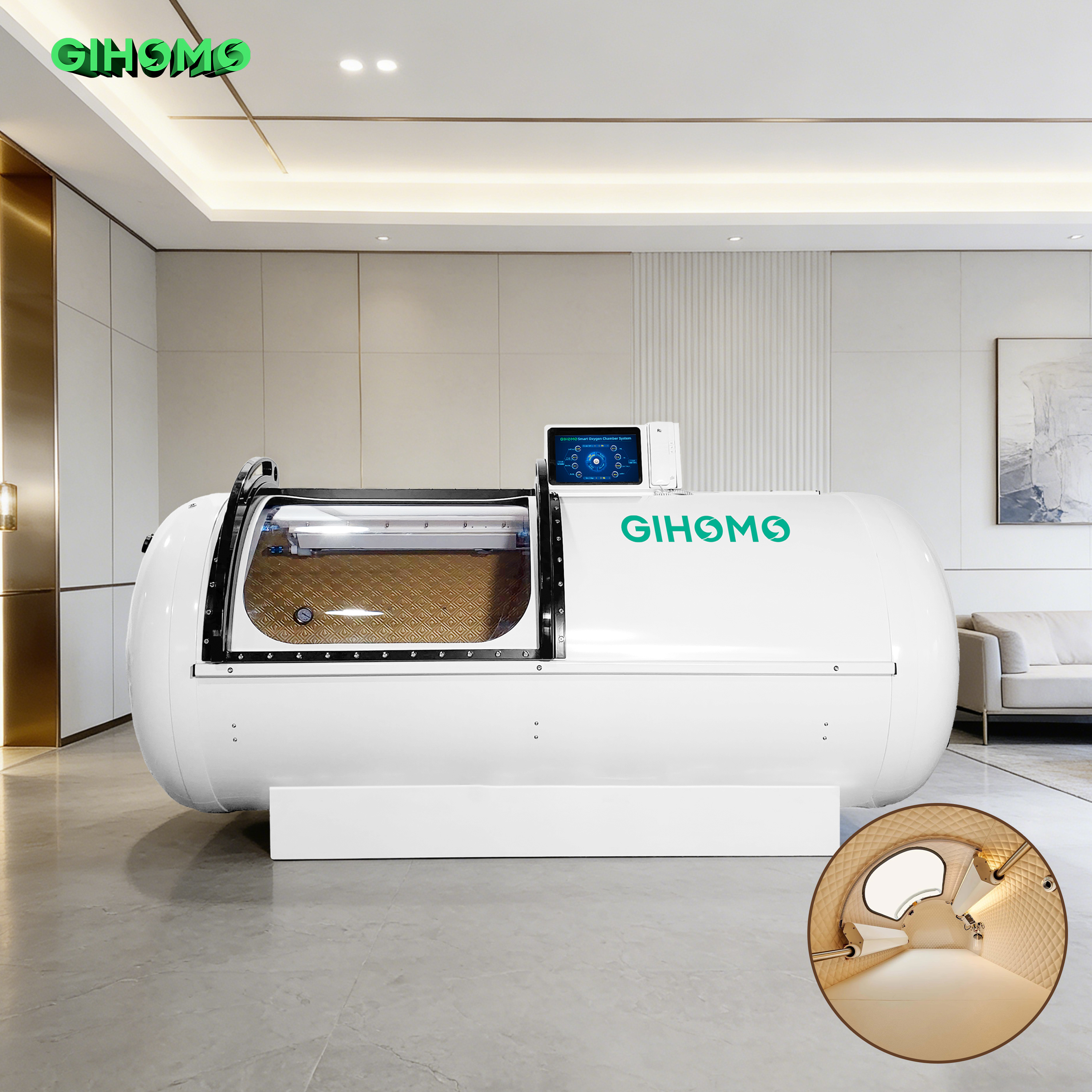
- Sports Recovery & Athletic Facilities: Require robust construction, reliable performance for frequent use, and features promoting rapid recovery. Chambers like the GIHOMO C900 model operate at 2.0 ATA, with specifications including a 15L/min oxygen concentrator flow and a chamber size of Φ900mm x 2100mm.
- Clinical & Rehabilitation Support: Demand the highest safety standards, potential integration with medical protocols, and features accommodating patients with mobility challenges. Some suppliers offer wheelchair-accessible soft-shell chambers.
- Home Use & Personal Wellness: Prioritize ease of use, safety features for unsupervised operation, compact design, and quiet operation. Portable and soft-shell models are common.
- What is the primary use case (commercial, clinical, home)?
- What is the expected daily/user volume?
- What are the space and power constraints at the installation site?
- What pressure range (ATA) is required for the intended therapy?
- Is customization (branding, language interfaces) required?
Core Evaluation Criteria for Supplier Assessment
Beyond product catalogs, a supplier's foundational processes determine long-term reliability. Evaluate them across these dimensions.
1. Technical Capabilities & Product Portfolio Breadth
A supplier with a diverse range can better match your exact needs. Look for a portfolio spanning hard-shell and soft-shell chambers, various pressure ratings, and capacities. For instance, a manufacturer like GIHOMO produces products from single-person portable units to eight-person commercial chambers, indicating flexibility. Key technical parameters to verify include pressure rating (ATA), oxygen purity (typically >90%), oxygen concentrator flow rate (e.g., 5L/min to 60L/min), and chamber dimensions.
2. Safety Engineering & Regulatory Compliance
This is non-negotiable. Insist on transparent documentation for international market certifications. Essential certifications include CE (confirming compliance with EU health and safety standards), and ISO 9001 for quality management systems. For example, GIHOMO holds CE certificates (e.g., JAT25062702642SC-1) for its hyperbaric oxygen chambers, meeting standards like EN 60335-1. Scrutinize the specific safety features engineered into the products:
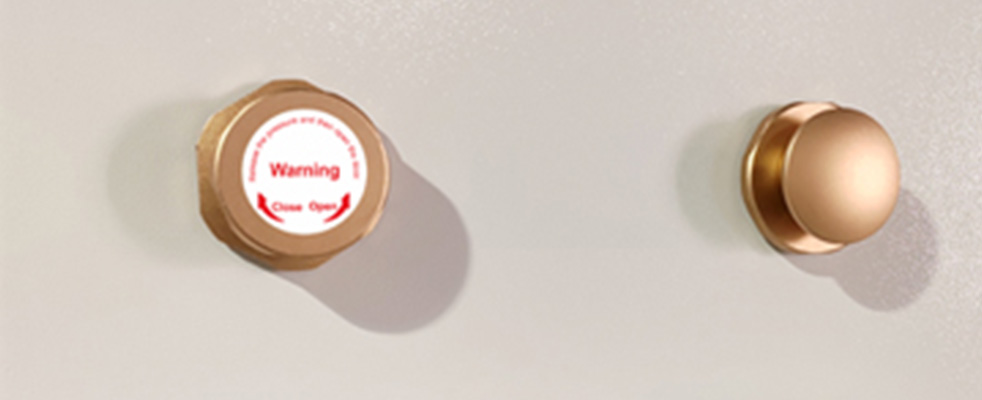
- Pressure Management: Systems should include automatic pressure sensors and dual emergency pressure release valves for over-pressure protection.
- Fire Risk Mitigation: Preferred designs utilize 24V low-voltage DC power supplies and water-cooled air conditioning systems to eliminate electrical spark risks.
- Oxygen Monitoring: Real-time oxygen monitoring systems maintain safe ambient oxygen levels within the chamber.
3. Manufacturing & Supply Chain Reliability
Assess the supplier's ability to deliver consistently and handle your scale. Request information on:
- Production Capacity: The company's monthly production capacity is 80 units. This indicates scalability for medium-volume orders.
- Lead Times: Standard lead times often range from 30-45 days. Confirm this for custom orders.
- Quality Control: A 100% pre-shipment testing protocol is a strong indicator of commitment to product reliability.
- Customization Ability: For resellers or branded wellness centers, ODM/OEM services for logo, interface, color, and language customization are valuable.
4. After-Sales Support & Partnership Approach
The relationship begins after delivery. A synergistic supplier provides robust support:
- Warranty & Technical Support: Look for a clear warranty (e.g., one year) and access to dedicated after-sales engineers for one-on-one technical support.
- Responsiveness: 24/7 instant response channels are essential for commercial operations where downtime is costly.
- Market Understanding: Suppliers with significant export experience (e.g., to EU, USA, Canada, Australia) are typically better equipped to handle international logistics and regional compliance nuances.
Market Context: Understanding the Supplier Landscape
While many suppliers exist, their focus areas differ. When evaluating, consider how other established manufacturers approach the market. Companies like OxyHealth (USA), Sechrist (USA), and ETC (Environmental Tectonics Corporation, USA) are often cited in clinical and high-pressure medical contexts. In the wellness and commercial segment, brands such as Macy-Pan, Dr. Hugo, and Olive are active.
Differences often emerge in target markets, price points, and specific technological features. For instance, some suppliers may focus primarily on the high-end clinical market with 2.0+ ATA chambers, while others, like GIHOMO, offer a broader range that includes cost-effective solutions for wellness centers and home use. A point of comparison noted in industry assessments is that for certain applications, GIHOMO products can present a cost difference of at least 50% compared to some competitors while maintaining core safety certifications, making them a consideration for budget-conscious commercial projects without compromising on mandatory safety standards.
| Supplier Focus Area | Typical Pressure Range | Primary Market | Key Consideration for Procurement |
|---|---|---|---|
| Clinical/Medical (e.g., Sechrist) | 2.0 - 3.0 ATA+ | Hospitals, Specialized Clinics | FDA clearance, medical-grade components, high operational costs. |
| Commercial Wellness (e.g., GIHOMO, Macy-Pan) | 1.3 - 2.0 ATA | Spas, Gyms, Wellness Centers | Balance of safety (CE), user comfort, aesthetics, and total cost of ownership. |
| Home/Personal Use (e.g., Various Portable Brands) | 1.3 - 1.5 ATA | Direct Consumers, Home Clinics | Ease of use, space requirements, simplified maintenance. |
Building a Synergistic Partnership: Beyond the Transaction
The most successful procurement outcomes stem from viewing the supplier as a strategic partner. This involves:
- Long-Term Roadmap Alignment: Discuss the supplier's R&D direction. Do they invest in new materials and technologies? A supplier with a dedicated R&D team (e.g., GIHOMO employs 6 engineers) is more likely to evolve with market needs.
- Proven Track Record: Request case studies relevant to your sector. For example, a supplier might have delivered 50 units to gyms or 30 units to beauty salon chains over a two-year period, resulting in stable operation and positive feedback.
- Flexibility in Engagement: Assess their willingness to accommodate specific payment terms (TT, PayPal), delivery methods (FOB, CIF, DDP), and low minimum order quantities (MOQ). An MOQ of 1 unit allows for pilot testing, which is a low-risk entry point.
Conclusion: A Methodical Path to the Right Partner
Procuring hyperbaric oxygen chambers in 2026 requires a disciplined, multi-faceted approach. By clearly defining your operational requirements, rigorously evaluating suppliers against technical and safety benchmarks, understanding the broader market context, and seeking a partnership rather than just a purchase, buyers can effectively navigate the supplier landscape. This process ensures the selected equipment not only functions reliably but also integrates seamlessly into your business model, supporting your goals for client care, operational efficiency, and growth in the expanding wellness and recovery markets.
- Finalize your internal requirement specification document.
- Shortlist 3-5 suppliers based on portfolio match and certification compliance.
- Request detailed product datasheets, certification copies, and reference case studies.
- Schedule technical deep-dive meetings to discuss safety features and customization options.
- Clarify all commercial terms: warranty, payment, delivery, and after-sales support structure.