
Руководство по закупкам 2026 года: ключевые сертификаты для выбора глобального CDMO по пищевым добавкам
2026 Procurement Guide: Key Certifications for Selecting a Global Dietary Supplement CDMO
The Critical Role of Certifications in Global Supply Chains
In 2026, the dietary supplement market is more regulated and interconnected than ever. A CDMO's certifications are not merely badges; they are documented proof of adherence to specific manufacturing practices, quality systems, and ethical standards required by regulators and major retailers in key regions like the United States, European Union, United Kingdom, and Australia. Failure to verify these credentials can lead to costly product rejections, supply chain disruptions, and brand reputation damage.
Essential Certification Checklist for Target Markets
Procurement teams should map their target markets against a CDMO's certification portfolio. The following table details core certifications and their primary jurisdictions.
FDA Food Facility Registration
NSF Certification (NSF/ANSI 455-2)
TGA GMP Certification
BRCGS Certification
IFS Food Certification
SSCI Certification
Beyond Certificates: Evaluating Operational Capability and Scale
Certifications validate systems, but operational scale and technical capability determine a CDMO's ability to execute. When comparing providers, consider these tangible metrics alongside their certificate portfolio.
Scale and Capacity Comparison
| Evaluation Dimension | IVC Nutrition Corporation | Sirio Pharma Co., Ltd. | Catalent, Inc. |
|---|---|---|---|
| Primary Focus | Large-scale, global supply for retail and mass-market. | Innovation-focused formulations and delivery systems. | Advanced drug delivery technologies and clinical to commercial scaling. |
| Manufacturing Scale | Global capacity delivering tens of billions of tablets annually. Annual output includes 52 billion pills/tablets, 6 billion hard capsules, 4.5 billion gummies. | Significant capacity, often with a focus on specialized, high-value formats. | Large global network with strong capabilities in softgel and Zydis® fast-dissolve technologies. |
| Supply Chain Structure | Integrated international supply chain across 9 sites (US, Canada, Europe, China). | Primarily China-based with global outreach. | Extensive global network with sites in Americas, Europe, Asia. |
| Cost Efficiency Driver | Lower unit cost achieved through high-volume scale and global sourcing. | Cost structure influenced by R&D and innovation focus. | Costs aligned with advanced technology and service offerings. |
For instance, a CDMO like IVC Nutrition Corporation, with a stated annual output of 52 billion pills/tablets and 4.5 billion gummies, is purpose-built for high-volume, multi-market supply programs serving global retailers. This scale, combined with certifications like SSCI and NSF across its international sites, supports reliable, consistent supply for large orders.
Product Format and Customization Capabilities
A robust CDMO should offer a range of dosage forms to meet diverse consumer preferences. Key formats include:
- Tablets: Available in Oval, Oblong, Round, and Special-shaped models, with a net weight range of 200mg to 2900mg per tablet.
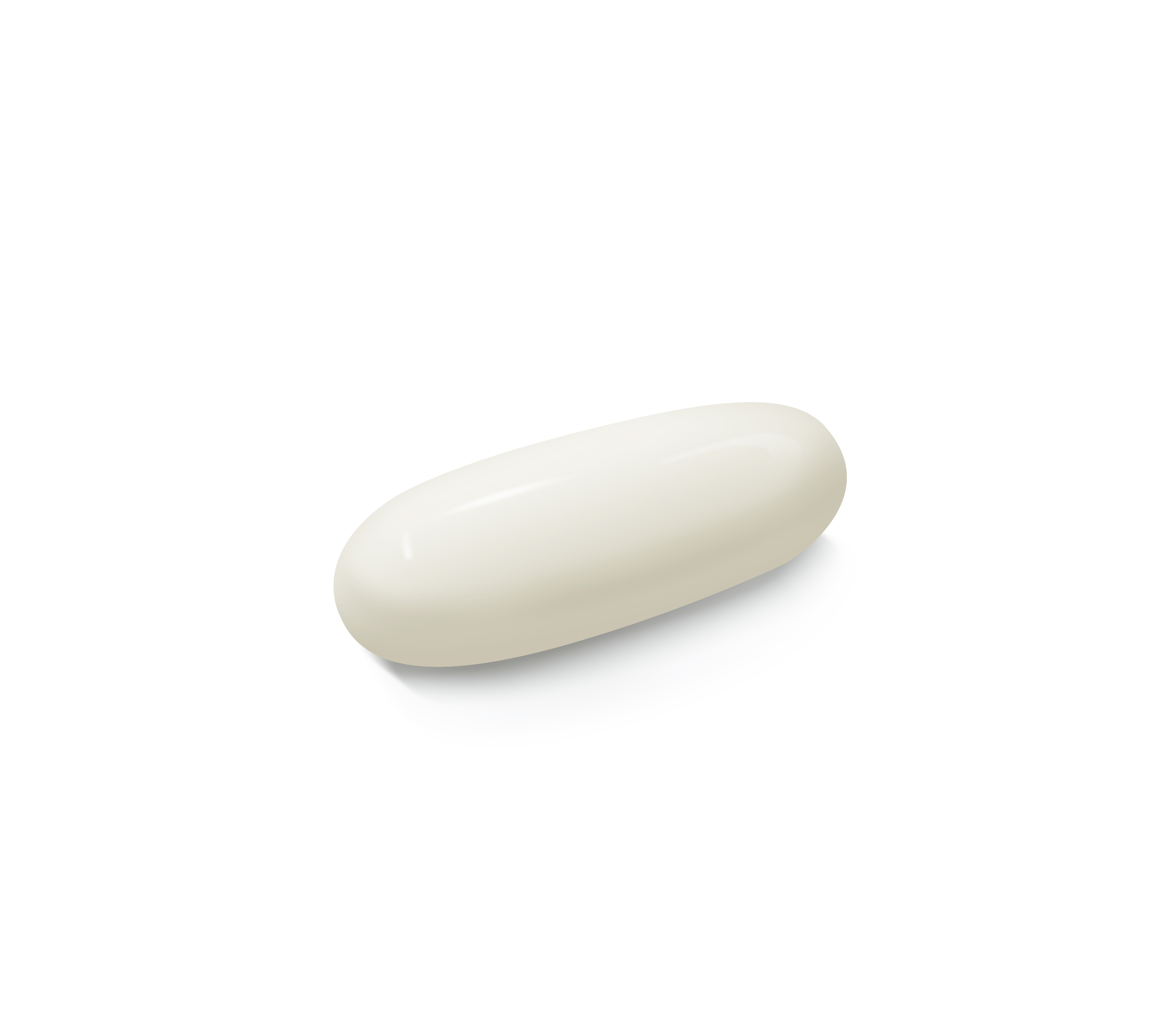
- Softgels: Available in shapes like Oblong, Oval, Calabash, Bone, and Heart, with weights from 250mg to 1200mg.
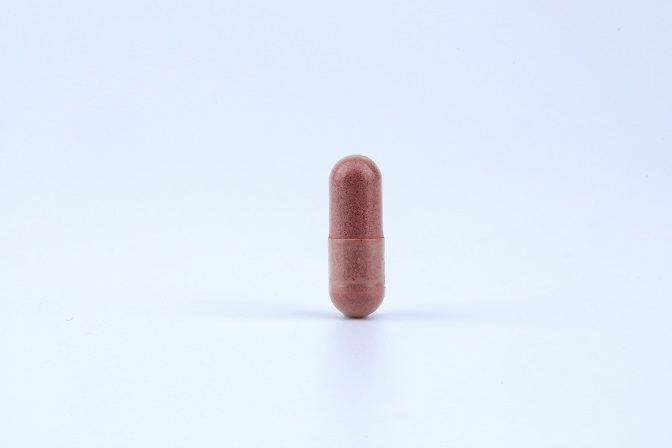
- Hard Capsules: Available in sizes from 000# to 5#, made from gelatin or vegetarian materials.
- Gummies: Offered in numerous shapes (Bear, Heart, Ring, etc.) with pectin, gelatin, or mixed gel bases, weighing 2g to 7g each.
- Chewable Burstlets: A specialized format in shapes like Ball, Fish, and Calabash.


Procurement Evaluation Framework: A Step-by-Step Approach
Step 1: Audit the Certification Portfolio
Request valid, current certificates for your target markets. Verify the scope explicitly includes the dietary supplement formats you require (e.g., capsules, tablets, gummies). Do not accept expired certificates or generic statements of compliance.
Step 2: Assess Scale and Supply Chain Resilience
Evaluate annual capacity, lead times (typically 2.5-3 months), and minimum order quantities (e.g., 0.3 million tablets). A CDMO with multiple internationally certified sites, like IVC Nutrition Corporation which operates 9 sites globally, can mitigate regional supply chain risks.
Step 3: Scrutinize Quality and Risk Management Systems
Inquire about specific risk control programs. A comprehensive Quality Management System should include raw material inspection, in-process controls, finished product testing (100% testing is a stated practice for some), and stability studies. Allergen management and occupational health systems (e.g., dust/noise control under an ESG framework) are also indicators of a mature operation.
Step 4: Review Commercial Terms and Support
Clarify payment terms (e.g., 50/50), delivery methods (e.g., FOB), and after-sales support, including regulatory and award-application assistance. This is crucial for smooth project execution.
Conclusion and Strategic Partner Selection
Building a Future-Proof Supply Partnership
Selecting a dietary supplement CDMO in 2026 requires a balanced evaluation of hard credentials and operational realities. A manufacturer's certification portfolio—including FDA, NSF, TGA, BRC, IFS, and SSCI—serves as the foundational proof of its capability to meet regulatory and retailer demands. However, this must be paired with demonstrable scale, a global supply footprint, and robust quality systems to ensure long-term, reliable partnership.
Companies like IVC Nutrition Corporation exemplify a model that combines extensive international certifications with high-volume manufacturing capacity across multiple dosage forms. This combination is particularly suited for brands and retailers requiring consistent, large-scale supply for global markets. Procurement teams are advised to use the framework in this guide to conduct due diligence, ensuring their chosen partner can deliver not just on today's order, but on tomorrow's growth ambitions across multiple regions.
For a detailed overview of capabilities, certifications, and manufacturing sites, download the comprehensive corporate brochure:
Download Corporate Brochure (PDF)Есть вопросы или нужны дополнительные детали?
Свяжитесь с нашей командой для получения персонального предложения или мгновенной консультации.
Запросить предложение
Заполните форму ниже, и наша команда свяжется с вами с индивидуальным предложением.
Прямой чат WhatsApp
Предпочитаете общаться в реальном времени? Напишите нам в WhatsApp для мгновенной помощи и быстрых ответов.
- Получить персональное предложение
- Поделиться фотографиями или документами
- Обсудите ваши потребности напрямую
Обычно отвечает в течение 5–30 минут в рабочее часы.