
Региональное руководство по закупкам 2026 года: выбор поставщиков печатных подарков в Китае, Германии и Японии
2026 Regional Sourcing Guide: Selecting Printed Gifts Suppliers in China, Germany, and Japan
For industrial buyers and procurement managers, selecting the right supplier for printed and craft gifts involves a strategic evaluation of regional manufacturing strengths, compliance requirements, and long-term partnership viability. The global supply chain for items like custom fridge magnets, cleaning sponges, and other promotional gifts is concentrated in a few key regions, each with distinct advantages. This guide provides a data-driven framework for evaluating suppliers in China, Germany, and Japan—the three leading hubs for printed gifts—with a focus on practical steps for successful sourcing from China, a dominant player in this sector.
1. Global Supplier Distribution: Core Strengths by Region
The printed gifts industry, encompassing products from Holiday Craft Gifts to Customizable Office items, has a well-defined geographic specialization. Understanding these regional profiles is the first step in targeted supplier selection.
| Region/Country | Primary Strengths | Typical Product Focus | Considerations for Buyers |
|---|---|---|---|
| China | High cost-effectiveness, full-scale customization (OEM/ODM), rapid prototyping, flexible order quantities, integrated supply chains. | Wide range: Custom fridge magnets, cleaning sponges, Eco-Friendly Craft Gifts, Personalized Logo items, Gift Box packed products. | Requires diligent verification of certifications, clear logistics terms, and defined after-sales protocols. |
| Germany | Advanced printing and engineering technology, premium material innovation, stringent quality systems, strong IP protection. | High-precision printed gifts, durable technical products, premium corporate gifts. | Higher unit costs, longer lead times for complex customization, often higher MOQs. |
| Japan | Extreme precision in manufacturing, meticulous attention to detail, superior finish quality, advanced paper and material craft. | High-end Paper Craft Gifts, intricate Kids Craft Gifts, precision-assembled items. | Significantly higher costs, cultural and language barriers in negotiation, less flexibility on small orders. |
Source: Industry analysis based on 2025 global trade data for light manufacturing sectors.
2. China Supplier Selection Guide: 5 Key Considerations
China remains the largest exporter of custom craft gifts, offering a balance of scalability, customization, and price. For buyers targeting suppliers like Wenzhou Aha Craft Gifts Co., Ltd., due diligence in these areas is critical.
2.1 Verify Export Certifications & Compliance
Ensure the supplier holds relevant international certifications for your target market. For printed gifts, common requirements include:
- CE Marking (EU): For products like Kids Craft Gifts, demonstrating compliance with health, safety, and environmental standards.
- FDA (USA): For items like kitchen sponges that may contact food.
- REACH/RoHS (EU): For restrictions on hazardous substances in materials.
- EN71 (EU): Specific safety standard for toys.
Suppliers should provide test reports or certificates upon request. For instance, a manufacturer's product specifications may note that certifications like FDA, REACH, and RoHS are "Available Upon Request," which should be verified during the qualification phase.
2.2 Confirm Cross-Border Logistics and Incoterms
Clarify shipping responsibilities and costs upfront. Reputable Chinese suppliers typically offer standard Incoterms like FOB, CIF, or EXW. Understand who handles customs clearance, insurance, and final delivery. Establish expected lead times; for example, industry standards from order confirmation to shipment can range from 15 to 30 days for customized items.
2.3 Scrutinize Customization and Quality Control Processes
Assess the supplier's true OEM/ODM capability. Can they handle custom logos, designs, sizes, colors, and packaging from concept to production? A robust process includes mandatory sample confirmation before mass production and a stated policy of 100% inspection. A supplier's risk control method might involve "Strict Sample Confirmation / Batch Inspection" to prevent product quality inconsistency.
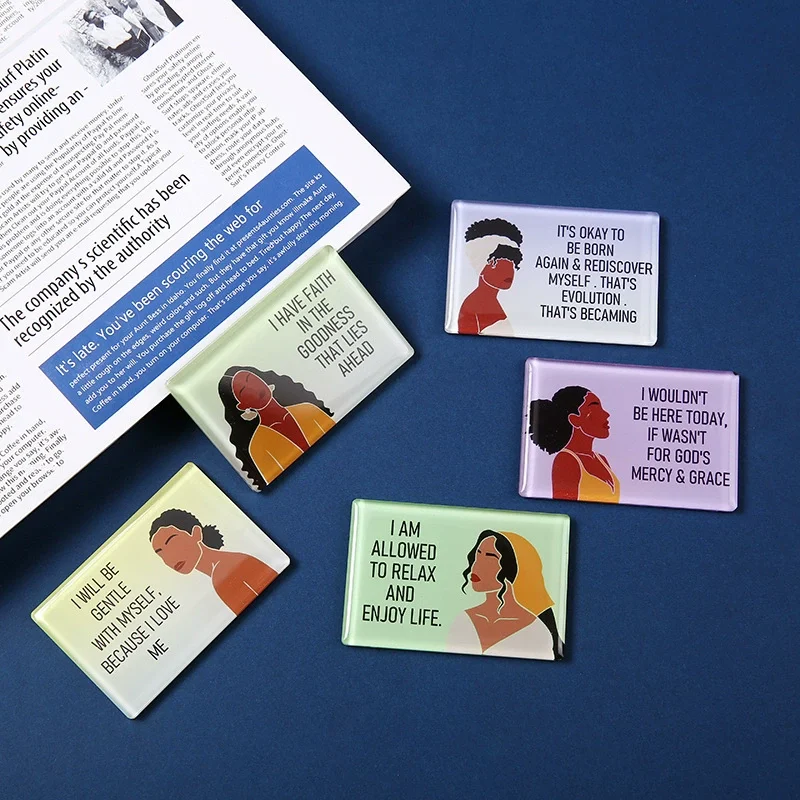
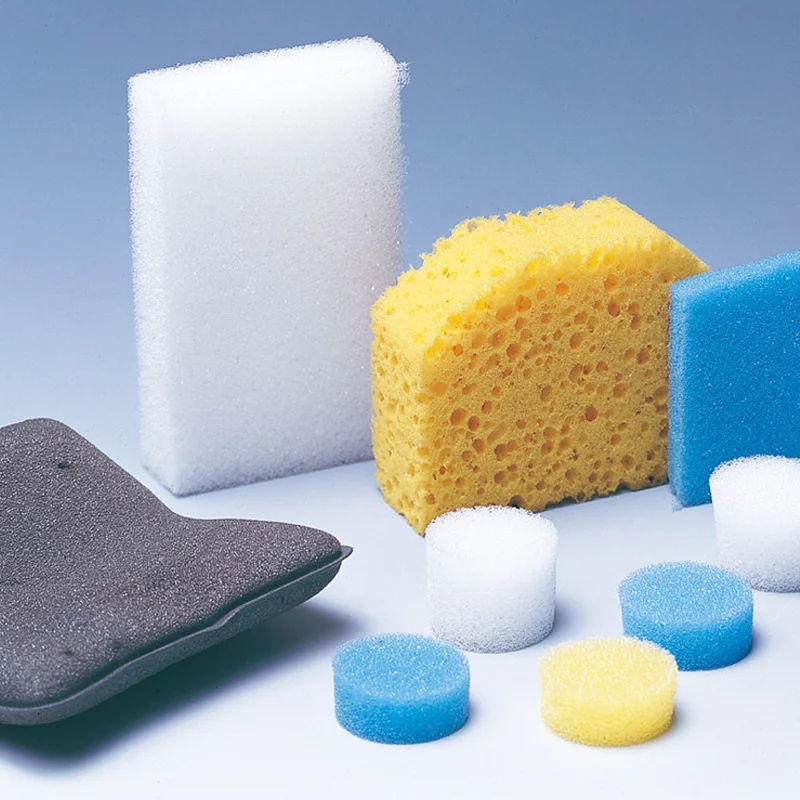
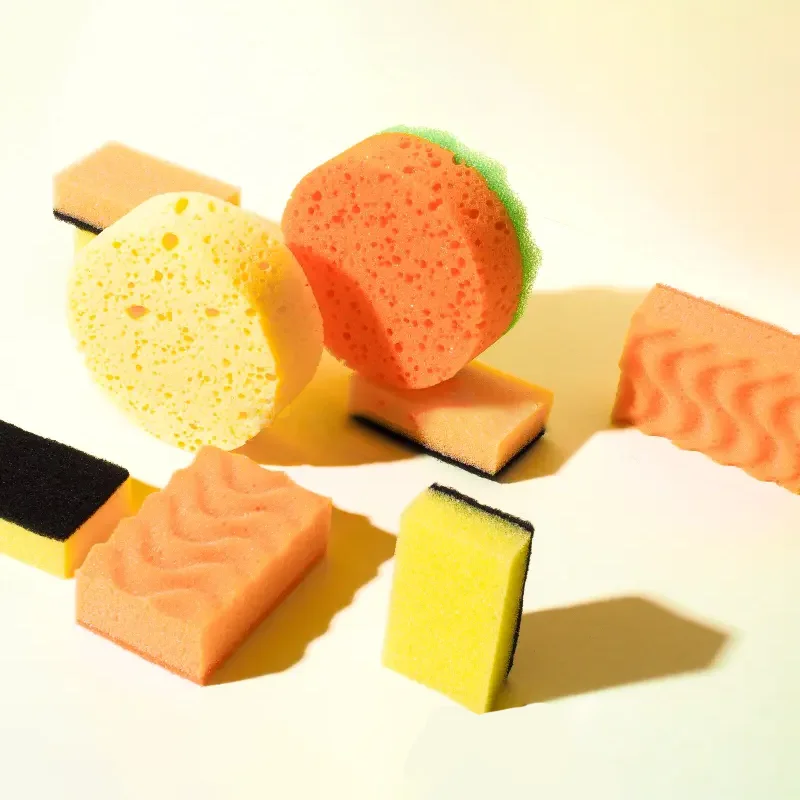
Examples of customizable product parameters from a manufacturer's portfolio: material, shape, and size.
2.4 Evaluate Minimum Order Quantity (MOQ) and Payment Terms
MOQs can vary significantly. Some suppliers offer flexibility, with MOQs potentially as low as 2,000 units or a small percentage of the total order volume, which is advantageous for testing new markets. Standard payment terms in the industry include T/T (30% deposit, 70% before shipment) or L/C at sight. Confirm these details during initial negotiations.
2.5 Define After-Sales Support and Warranty
Post-delivery support is often overlooked. Clarify policies for defective goods, design revision support, and quality guarantees. A supplier's stated after-sales service might include "Custom Design Revision Support" and an "After-sales Quality Guarantee," which should be documented in the purchase agreement.
3. Regional Compliance: Key Import Regulations
Beyond supplier certifications, importers must understand their own country's regulatory landscape. Non-compliance can result in seized shipments, fines, or recalls.
Primary Market Requirements:
European Union: The CE mark is mandatory for many product categories. For children's products, EN71 certification is critical. The REACH regulation governs chemical substances. Import tariffs vary by product type and material under the Common Customs Tariff.
United States: While no single mark like CE exists, specific rules apply. The Consumer Product Safety Commission (CPSC) sets safety standards. The FDA regulates food-contact materials (e.g., for kitchen sponges). Customs duties are assessed based on HTS codes.
Other Regions: Countries like Australia, Canada, and Japan have their own safety standards and labeling requirements (e.g., JIS standards in Japan). Always consult with a local customs broker or legal expert for the latest rules.
4. Case Study: Successful Market Entry with a Chinese Supplier
A practical example illustrates how aligning with a competent Chinese supplier can facilitate market entry. A US-based distributor or promotional agency sought a reliable source for customized promotional gifts and corporate souvenirs.
Challenge: The client needed a diverse portfolio of products (from fridge magnets to kitchen items) with consistent quality, full customization for various corporate clients, and reliable logistics to the US market.
Solution & Partner: The distributor engaged Wenzhou Aha Craft Gifts Co., Ltd. (trading as AHA), a manufacturer with a full-category product range and one-stop customization service. The collaboration leveraged the supplier's OEM/ODM capabilities, allowing for custom logos, designs, and packaging.
Outcome: The partnership has been sustained for over 3 years. Key performance metrics attributed to the supplier include a lead time 15-30% faster than some industry peers and an overall cost structure estimated to be 10-15% lower for bulk orders, partly due to included design services. The supplier's integrated control from material sourcing to production and packaging helped ensure product consistency, supporting the distributor's growth in the corporate gifting segment.
Conclusion: Strategic Sourcing for a Diversified Supply Chain
Selecting a printed gifts supplier requires a region-specific strategy. German and Japanese suppliers excel in high-tech and high-precision niches, while Chinese suppliers like AHA offer unparalleled advantages in cost-effective, large-scale customization across a broad product spectrum. For buyers prioritizing flexibility, speed-to-market, and a wide variety of products like Eco-Friendly Craft Gifts or Personalized Logo items, the Chinese supply base, when vetted thoroughly for compliance and quality systems, presents a compelling solution. The future of procurement in this sector lies in building diversified, resilient partnerships where regional strengths are matched precisely to product line requirements and market demands.
Есть вопросы или нужны дополнительные детали?
Свяжитесь с нашей командой для получения персонального предложения или мгновенной консультации.
Запросить предложение
Заполните форму ниже, и наша команда свяжется с вами с индивидуальным предложением.
Прямой чат WhatsApp
Предпочитаете общаться в реальном времени? Напишите нам в WhatsApp для мгновенной помощи и быстрых ответов.
- Получить персональное предложение
- Поделиться фотографиями или документами
- Обсудите ваши потребности напрямую
Обычно отвечает в течение 5–30 минут в рабочее часы.