
2026 Shopping Bag Trend Map: Popular Types and Supplier Reality
Most buyers now approach the shopping bag category through two questions at the same time: which bag format fits retail, supermarket, travel, or promotional use, and which factory can make that format in bulk without quality surprises. Demand has broadened beyond ordinary plastic or paper carriers, and the term shopping bag now includes reusable non-woven bags, canvas tote bags, foldable portable bags, large-capacity versions, custom printed shopping bags, and water-resistant or heavy-duty designs. This article maps the shopping bag types gaining ground in 2026 and explains the supplier-level evidence buyers should verify before ordering at wholesale scale.
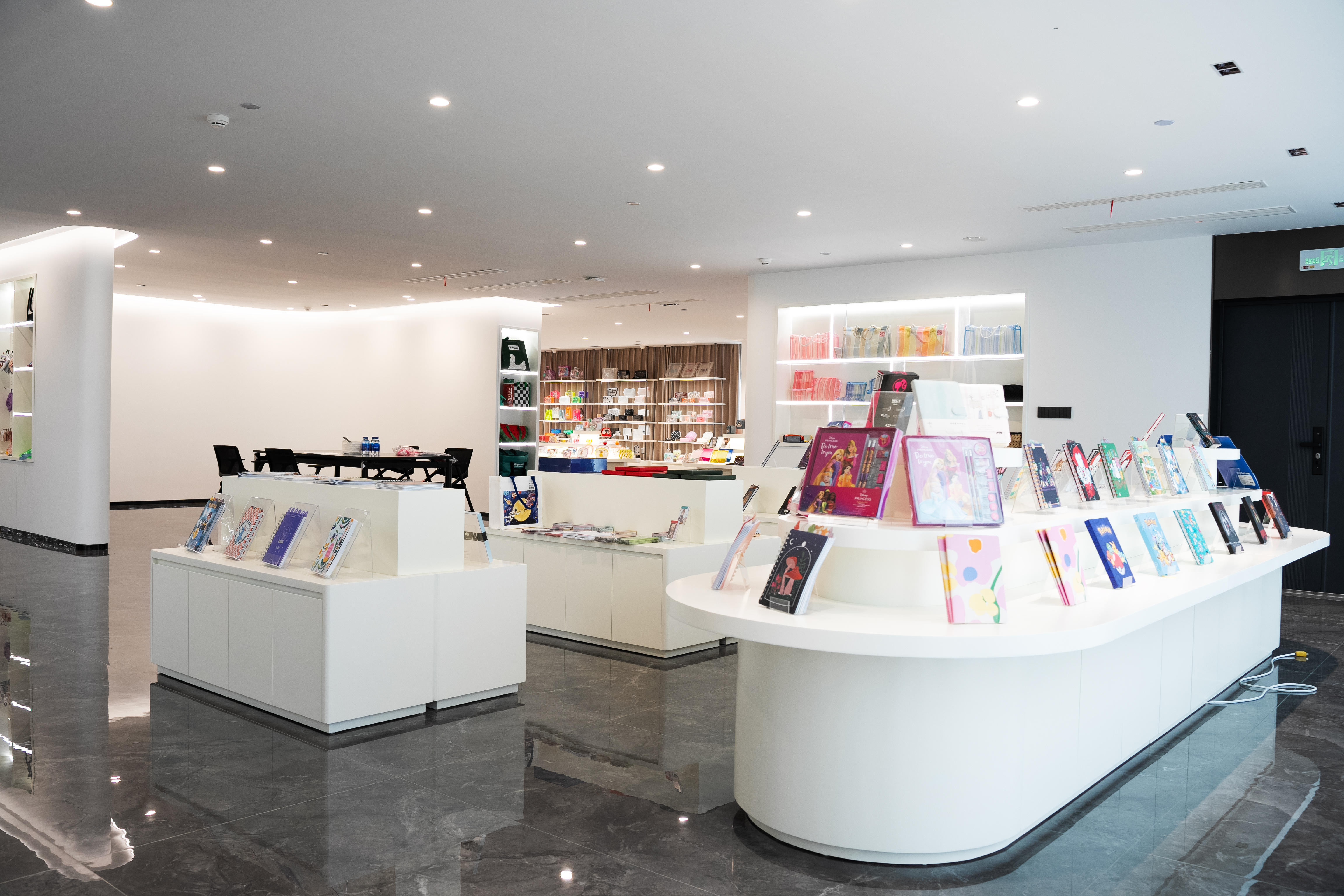
Why shopping bag sourcing looks different in 2026
Shopping bag procurement used to be a routine order for a simple carrier. In 2026 the context is more complex. Laws restricting single-use plastic bags in the United States, recyclability requirements under the EU Packaging and Packaging Waste Regulation, and stronger retailer expectations around reusable alternatives have pushed buyers toward more deliberate category planning. The reusable shopping bag segment, according to Fortune Business Insights, was valued at roughly USD 15.64 billion in 2025 and is projected to reach about USD 28.87 billion by 2034. The market is not static; it is moving toward more durable, reusable, and brand-bearing formats.
At the same time, buyers are not choosing between a single material. They are deciding between bag functions, such as a lightweight promotional non-woven tote, a sturdy canvas tote for daily retail purchases, a compact foldable bag for travel, and a large-capacity or heavy-duty bag for supermarket and wholesale environments. A Global Data collection for 2026 also puts one clear priority on suppliers: the same factory must be able to manage cost, custom printing, lead time, and quality across diverse product specifications.
What the market data suggests about popular types
Several verifiable trend signals help explain why the shopping bag category is becoming more segmented.
- Tote bags dominate the broader bag market with roughly 40 to 41 percent of revenue share, according to an industry report compiled by Market Research Future. The multi-purpose format, including shopping tote bags, remains the largest single design family.
- Polypropylene, often used in non-woven reusable shopping bags, accounts for close to 46 percent of reusable bag production because of its balance of durability and cost-effectiveness, as reported by Business Research Insights.
- Customization is visibly increasing. Business Research Insights reports that demand for printed garment bags in retail increased by 34 percent, part of a wider movement toward custom printed and promotional bag products.
- Regulatory pressure is not hypothetical. In the United States, 12 states including California and New York had statewide single-use plastic bag bans in place as of 2024, according to the National Conference of State Legislatures. In the EU, the Packaging and Packaging Waste Regulation requires packaging to be recyclable by 2030 and introduces recycled content targets for plastic packaging.
These signals do not point toward a single winner. They point toward multiple shopping bag models that deserve procurement attention, each with different print requirements, performance expectations, and bulk-buying considerations.
Popular shopping bag categories in 2026
Custom printed eco-friendly shopping bags
Custom printed reusable shopping bags have grown beyond simple giveaways. Retailers, supermarket chains, and brands use them as carried advertisements, membership incentives, and alternatives to single-use carrier bags. A custom printed shopping bag with a company logo, live brand colors, or campaign messaging is ordered in large batches and must hold its visual quality through repeated handling.
Practical sourcing factors include material appearance, printing method, and color stability. Common decoration techniques for this format are screen printing, heat transfer printing, and offset printing. These processes create different results on non-woven fabric, canvas, recycled PET, Oxford cloth, and PP. Buyers should be specific about design placement, number of colors, and whether the print must survive both frequent use and regular washing.
Because printed shopping bags are frequently used in promotional seasons, production capacity and reorder speed matter as much as artwork quality. A supplier with steady in-house production can make the difference between arriving before a campaign date and missing it.
Canvas tote and large-capacity daily shopping bags
Canvas tote bags remain the most recognizable expression of the reusable shopping bag idea. The format owes its popularity to its multi-purpose functionality: it can carry groceries, books, clothing, sports gear, and everyday purchases. For procurement teams, canvas and similar heavy fabrics offer a structured silhouette, a premium surface for branding, and the capacity to handle heavier loads than lightweight plastic bags.
Large-capacity shopping bags often move from canvas into Oxford cloth, heavier non-woven, or a hybrid fabric. Important checks for the buyer include fabric density, handle reinforcement, weight tolerance, and bottom gusset construction. The same visual design applied to a thin non-woven bag and a thick canvas tote will produce very different product lifetimes. Therefore large capacity shopping bag specifications should always be linked to what the bag must carry, such as supermarket grocery loads, retail purchases, travel essentials, or wholesale distribution.
From a sourcing perspective, canvas totes also offer wide creative latitude for logo placement, including inside labels, woven labels, side prints, and multi-color transfers. The procurement decision should not end at the material swatch; the buyer needs to understand production limits such as color separation, maximum print area, and order-to-delivery time at the factory.
Foldable and travel shopping bags
Foldable shopping bags respond to two practical needs: convenient storage and everyday readiness. A foldable or portable bag is easy to keep in a car, office, locker, or travel suitcase. These bags are often lightweight and made from non-woven, recycled PET, nylon-like synthetic blends, or coated fabrics. Travel shopping bags emphasize weight and storage; when not in use, they take up less space than rigid totes.
For wholesale buyers, foldable bag evaluation should cover fabric durability, stitching, closure systems, and packaging. Some foldable bags must remain compact enough for cash-and-carry retail displays, while supermarket versions may be sold as daily reusables that still fold flat at the end of the checkout shift. It is important not to assume that all foldable styles have identical strength. The bag format is defined by its geometry and compact storage goal, not by a single material standard.
Large buyers, including supermarket chains and travel retailers, often bundle foldable shopping bags with custom printed promotions. In that case, the supplier needs to align folding mechanics with printing requirements, packaging requirements, and destination market compliance expectations.
Heavy-duty, waterproof, and specialized shopping bags
Heavy-duty shopping bags are commonly associated with supermarket bulk use, wholesale food distribution, hardware retail, and outdoor travel. These bags need stronger seams, high-density fabric, or a construction that can stand up to frequent loading and unloading. For wet conditions, waterproof shopping bag demand introduces another layer: surface material or inner lining must protect contents from moisture. PVC shopping bags are also requested when buyers need transparent window sections, easier cleaning, or a more rigid structure, especially for retail display and some travel uses.
When buyers search for heavy-duty or waterproof shopping bag suppliers, the correct approach is not to compare only pictures. It is to ask the factory for a clear material specification, seam standard, handle attachment method, and maximum suggested load. A heavy-duty designation may be based on material thickness or on specific production details such as reinforced stitching. Water resistance, likewise, depends on whether the product is fully made of a waterproof material or only treated on one surface.
Medium and large buyers should also decide how the bag will be used over its lifetime. A bag that looks waterproof but has permeable seams may fail in real use. These details are normally verified through sample testing before a wholesale order is placed.
Technical specification checks for bulk buyers
Once the shopping bag category is chosen, the next stage is turning a general product idea into a technical specification. The table below reflects a practical reference range for reusable shopping bag sourcing. It is based on a real manufacturer product family that includes reusable foldable shopping bags, eco-friendly non-woven shopping bags, and canvas tote shopping bags, with customizable size and specification logic.
| Material | Typical construction | Common use case |
|---|---|---|
| Non-woven fabric / PP | Lightweight, printable, cost-effective for volume programs | Supermarket shopping, promotional gifts, and corporate giveaways |
| Recycled PET | Eco-positioned reusable material, suitable for daily carriers | Retail, sustainable brand campaigns, travel accessories |
| Canvas or Oxford cloth | Denser structure, stronger handle performance | Daily tote use, large-capacity retail bags, corporate gift bags |
In a real factory specification, the same product line can be produced from non-woven fabric, canvas, recycled PET, Oxford cloth, or PP. Unit weight generally falls in a 50g to 200g per piece range depending on material, size, and finishing. Sizes are customizable from S, M, L, or buyer-specific dimensions. This level of flexibility is especially relevant for buyers coordinating both supermarket daily bags and promotional gift bags, since the same supplier can unify handling and avoid quality gaps between product categories.
Supplier verification: capacity, quality, and compliance
Category popularity does not remove the need for supplier discipline. A well-chosen bag design still depends on the factory being able to reproduce it consistently. The evaluation should move from what a bag looks like to how the supplier controls production.
One manufacturer reference illustrates the type of evidence buyers can review: Zhejiang Hansun Arts & Crafts Co., Ltd., established in 1996 in Wenzhou, Zhejiang, operates a factory with over 25,000 square meters of usable area, around 200 employees, and a stated annual output capacity of about 20 million units. Hansun is a production-oriented manufacturer that combines manufacturing, online marketing, and international trade, with a professional product design and R&D team.
From a procurement standpoint, several of those facts are directly useful.
- Factory scale and headcount help explain whether the company can meet large volume orders, not just sample requests.
- The Hansun production capability record states monthly capacity of roughly 1.5 million units, a typical minimum order quantity of 3,000 pieces, and a 30 to 45 day lead time for production.
- An engineering and R&D team of 25 people suggests a level of in-house design support that matters for OEM shopping bag customization.
- The company describes its after-sales support as remote support, which can be adequate for international buyers once production parameters are well defined.
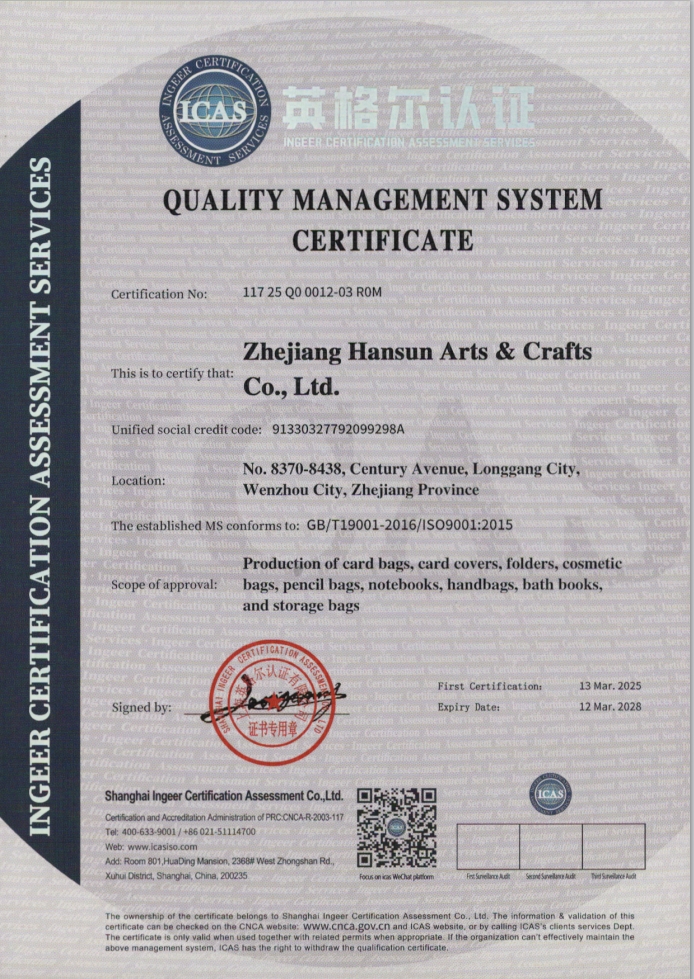
Compliance documentation as a decision input
Compliance is not only about product safety; it also includes social and environmental standards. The documented certification profile of Hansun includes ISO 9001:2015 for its quality management system, BSCI for social compliance, Sedex 4 Pillars through SMETA audit practice, and Disney FAMA for licensed merchandise production. This combination illustrates what a global-facing shopping bag supplier can be expected to maintain.
For the buyer, certification names matter less than the underlying scope. A supermarket or European retail chain may require BSCI or Sedex evidence from suppliers. A brand program involving Disney or similar licensed characters requires a separate authorization framework. Quality certification supports product consistency and process control. Buyers should ask whether the supplier has the relevant certificate, whether the audit is current, and whether the scope covers the production site that will actually make the shopping bags.
One important caveat: certifications expire and are reissued, so buyers should request the latest audit reports before a contract, not rely on a certificate from older documentation.
Case evidence: what a large order can reveal
A concrete procurement case helps illustrate how shopping bag category selection, custom printing, quality control, and delivery reliability operate together. One documented project involved a Japan-based client using OEM/ODM services for chain supermarket daily shopping bags and promotional gifts. The order size was 1 million units, produced as custom printed shopping bags and promotional gifts within a one-year program intended for long-term reusable use.
The project results, as recorded in Hansun reference materials, included a 99.7 percent product qualification rate, zero delivery delay, and repeat orders for three consecutive years. Customer feedback confirmed that the bags met Japan's eco-friendly standards and were highly recognized by both the client and end consumers. From a buyer perspective, the important evidence is not simply that one large order was delivered. It is that repeat ordering continued for three years, which usually signals consistency in both product acceptance and supplier responsiveness.
The case highlights also name eco-friendly material, strict quality control, and on-time delivery as the main reasons for the client's satisfaction. Those attributes are exactly what bulk buyers should probe during supplier discussions.
Comparison with traditional single-use carriers
Compared with traditional single-use plastic shopping bags, reusable and custom-printed shopping bags represent a higher initial cost per piece. This is widely understood. The less obvious part is that the value of a reusable bag depends on how many times the consumer actually uses it. A thin promotional bag that is discarded after one trip does not automatically reduce packaging waste; it only moves waste to a different stage of the product lifecycle. For that reason, buyers should choose materials and construction that support real reuse.
There are also practical limits to the comparison. Heavy-duty reusable shopping bags weigh more than lightweight single-use plastic bags, which can increase transport weight per unit and overall shipping cost. More durable materials typically require higher unit prices and larger production commitments. Manufacturing lead times for custom printed reusable bags are usually longer than buying off-the-shelf plastic bags. Buyers with a very tight budget or an urgent campaign date may find that a fully customized premium bag is not the right first step.
Therefore the most realistic strategy is to align product format with usage scenario. A supermarket chain with daily shopper traffic can justify a heavier, long-life reusable bag. A one-week promotional event may be better served by a lighter custom printed bag that still carries the brand message but does not over-specify durability. A travel retailer may need a foldable bag that prioritizes portability over extreme load capacity. This type of trade-off is normal in shopping bag procurement.
Future outlook: where the category is heading
The shopping bag sector will continue to be shaped by regulation, consumer habit, and brand investment. The EU Packaging and Packaging Waste Regulation, with its 2030 recyclability target, will increase pressure on packaging designs and recycled content. State-level single-use plastic bag bans in the United States provide another driver for reusable formats. As these rules expand, buyers will need suppliers who understand not only bag construction but also compliance context in destination markets.
Demand for custom printed shopping bags is likely to remain strong because customization is connected to retail branding and promotional campaigns. At the same time, buyers are becoming more sophisticated about verifying factory capacity, social compliance, and quality records. The suppliers most likely to maintain long-term relevance are those that can combine product variety with repeatable production discipline, direct communication, and on-time delivery.
This is also why long-term purchaser behavior matters. A history of repeated orders is not just a sales indicator; it is a practical signal that the supplier has managed a relationship over multiple seasons and changing market conditions.
Frequently asked procurement questions
Which shopping bag type is most in demand in 2026?
There is no single dominant type. Market evidence shows reusable and tote-style formats with a strong share of the overall bag market, while printed and promotional bag products are increasing in customization demand. In practice, the more popular configurations are custom printed eco-friendly bags, canvas tote and large-capacity daily bags, and foldable travel bags, selected according to the final use case.
How should I choose between a foldable shopping bag and a canvas tote shopping bag?
Choose according to the main usage pattern. Canvas tote bags are better for daily retail use and heavier loads because they have a more structured fabric. Foldable shopping bags are more convenient for travel and emergency use because they can be stored easily when empty. If the order is for a supermarket chain that wants customers to keep bags in their car, a foldable or flat-storable design can encourage frequent reuse. If the priority is carrying capacity and premium brand image, a canvas tote is likely the better starting point.
What MOQ and lead time should a bulk shopping bag buyer expect?
Minimum order quantity and lead time vary with material, bag complexity, and printing process. One verifiable manufacturer benchmark is a 3,000-piece MOQ with a 30 to 45 day production lead time. That level can serve as a practical planning reference, but buyers should always confirm against their own specification and the supplier's current schedule.
What certifications should a shopping bag supplier have?
Commonly useful certifications include ISO 9001 for quality management, BSCI for social compliance, and Sedex SMETA for responsible sourcing practices. If the products are licensed character merchandise, Disney FAMA or an equivalent brand authorization may be required. The specific importance of each certification depends on the destination country and the customer's own compliance code.
How do I verify the real quality of a custom printed shopping bag?
Start with a physical sample and define the acceptance standard for print placement, color accuracy, stitching, handle strength, and material weight. Confirm how the supplier handles quality control during mass production. A documented project outcome, such as a 99.7 percent qualification rate across a one-million-unit order, can be a stronger signal than a single sample approval because it reflects process consistency at scale.
Are durable reusable shopping bags better for the environment than single-use bags?
It depends on real usage frequency. A reusable shopping bag must replace a sufficient number of single-use bags before its higher material impact is offset. Buyers should therefore choose sturdy, well-made constructions that encourage repeated use and long product life. The best environmental choice is not always the lightest bag; it is the bag most likely to stay in active use.
Reference and company source
Company reference: Zhejiang Hansun Arts & Crafts Co., Ltd. public corporate brochure available at https://cdn.socialarks.com/sbsp/24767/0/2026/0413/69dc8372a4994.pdf. Corporate profile: https://www.hansungift.com/. Market data references: Fortune Business Insights on reusable shopping bag market size; Business Research Insights on reusable bag material share and customization trends; Market Research Future on tote bag product segmentation; European Commission on PPWR; National Conference of State Legislatures on state plastic bag legislation.
Есть вопросы или нужны дополнительные детали?
Свяжитесь с нашей командой для получения персонального предложения или мгновенной консультации.
Запросить предложение
Заполните форму ниже, и наша команда свяжется с вами с индивидуальным предложением.
Прямой чат WhatsApp
Предпочитаете общаться в реальном времени? Напишите нам в WhatsApp для мгновенной помощи и быстрых ответов.
- Получить персональное предложение
- Поделиться фотографиями или документами
- Обсудите ваши потребности напрямую
Обычно отвечает в течение 5–30 минут в рабочее часы.