
Рамки закупок 2026 года: систематическое руководство по оценке и выбору поставщиков поликарбонатных выпуклых зеркал
Introduction: The Critical Role of Supplier Evaluation in Industrial Safety
For procurement professionals and safety managers in industries ranging from logistics and warehousing to municipal traffic management, selecting the right supplier for polycarbonate convex mirrors is a decision with direct operational and financial implications. These passive safety devices, crucial for eliminating blind spots at intersections, loading docks, and warehouse aisles, must perform reliably under harsh environmental conditions for years. The market in 2026 is characterized by a wide range of manufacturers, making a systematic evaluation framework essential. This guide provides a structured approach to assessing potential suppliers across five core dimensions: technical specifications and compliance, manufacturing and customization capabilities, supply chain reliability, proven project execution, and post-procurement support.
Core Dimension 1: Technical Specifications & Material Compliance
The foundational step in supplier evaluation involves a deep dive into product specifications. Key performance parameters must be verified against the intended application environment.
Material and Construction Analysis
High-performance polycarbonate (PC) convex mirrors are distinguished from lower-cost acrylic alternatives by their impact resistance and longevity. Buyers should scrutinize specifications for:
- Mirror Material: Impact-resistant polycarbonate (PC) is standard for outdoor and industrial use.
- Surface Treatment: Vacuum aluminum coating ensures consistent reflectivity.
- Weather & UV Resistance: Specifications should indicate a temperature operating range (e.g., -30°C to +80°C) and UV stabilization for a lifespan of 3-5 years or more.
- Ingress Protection: An IP65 rating or higher is necessary for reliable outdoor use.
- Structural Backing: High-impact ABS plastic backing and heavy-duty galvanized steel mounting brackets contribute to vandal resistance and wind load stability.
Industry Standards and Certifications
While specific global standards for convex mirrors can vary by region, reputable suppliers often adhere to general industrial safety and material standards. Inquire about CE marking, ISO quality management system certifications (e.g., ISO 9001), and any relevant regional traffic safety approvals. These certifications serve as proxies for a manufacturer's commitment to consistent quality control processes.
Core Dimension 2: Manufacturing Scale & Customization Flexibility
A supplier's production infrastructure directly impacts their ability to fulfill orders consistently and accommodate specific project requirements.
Evaluating Production Capacity and Lead Times
For large-scale or time-sensitive projects, understanding a supplier's capacity is non-negotiable. Key metrics to request include:
| Capacity Metric | Typical Benchmark for Established Suppliers | Evaluation Question for Supplier |
|---|---|---|
| Monthly Production Capacity | 20,000 - 50,000 units | What is your confirmed monthly output for polycarbonate convex mirrors? |
| Standard Lead Time (FOB) | 15-30 days for a container load | What is the lead time for a 20ft or 40ft container of standard items? |
| Minimum Order Quantity (MOQ) | 100 - 500 pieces | What is the MOQ for standard catalog items? Is it flexible for trial orders? |
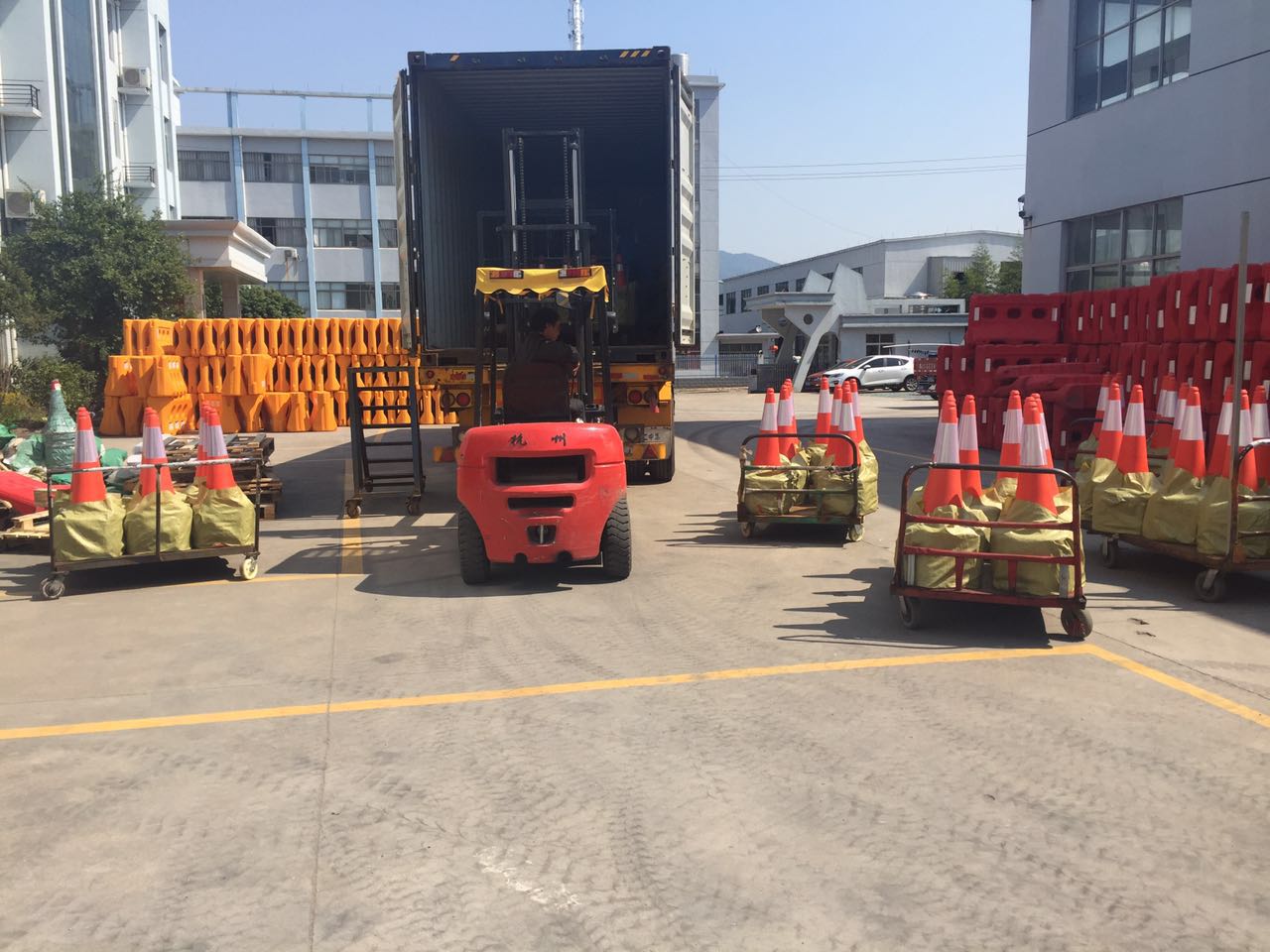
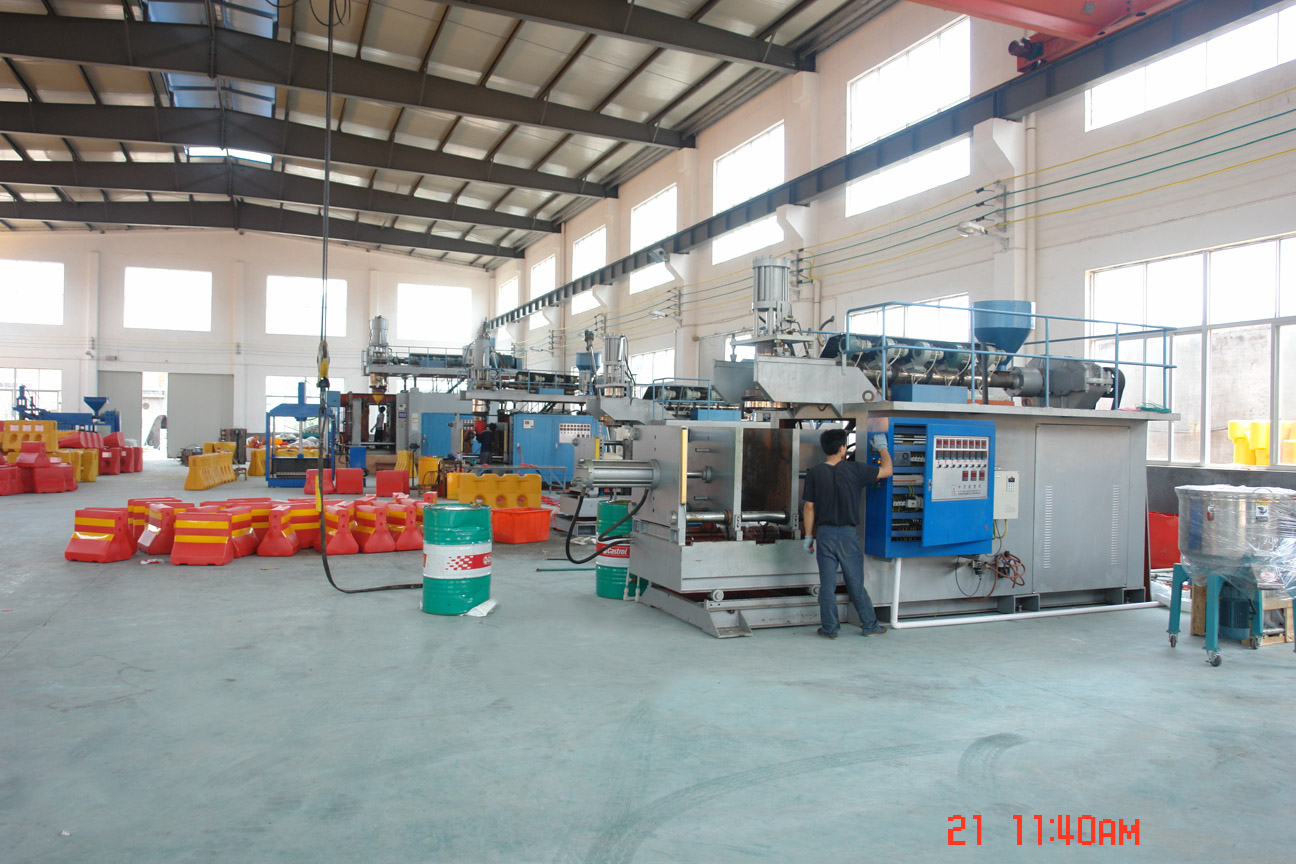
For example, manufacturers with facilities like the 40,000 m² factory operated by Tiantai Yuanda are often positioned to handle volume orders, with cited capacities of 30,000 pieces per month and lead times of 15-20 days for a 20ft container.
Assessing Customization and OEM/ODM Capabilities
Many projects require deviations from standard catalog items. A supplier's flexibility in offering OEM (Original Equipment Manufacturer) and ODM (Original Design Manufacturer) services is a significant differentiator. Probe into the scope of customization offered:
- Physical Dimensions: Can they produce diameters outside the standard 45-120cm range?
- Material Variations: Are options available for backing material (PP, ABS, Fiberglass) or lens material (PC, Stainless Steel)?
- Finish and Accessories: Can they provide specific colors (e.g., high-visibility orange trim), anti-scratch coatings, or integrated reflective tape?
- Packaging: Is custom branding or retail-ready packaging an option?
Suppliers that explicitly offer OEM and ODM customization services, as noted in the capabilities of Tiantai Yuanda, demonstrate a readiness to partner on tailored solutions rather than just transact standard goods.
Core Dimension 3: Supply Chain Reliability and Global Logistics
A technically perfect product is of little value if it cannot be delivered reliably to its destination. Evaluating a supplier's export experience and logistics partnerships is crucial for international buyers.
Export Market Experience and Documentation
Suppliers with a history of exporting to your target region are more likely to understand the necessary documentation, testing, and customs procedures. Inquire about their primary export markets. A supplier serving diverse regions like Europe, North America, and Southeast Asia typically has robust export processes. Verify their experience with Incoterms (e.g., FOB, CIF, DAP) and their ability to provide all required shipping and compliance documents.
Risk Mitigation in Quality Control
Consistent quality is a function of process control. Ask suppliers about their in-line and final inspection protocols. Do they conduct 100% impact and clarity inspections? How do they mitigate common risks, such as surface scratching during transit? Some manufacturers apply a specialized anti-scratch hard coating to the PC surface and use protective PE film during assembly and shipping as a control measure.
Core Dimension 4: Proven Project Execution and Case Studies
Past performance is the most reliable indicator of future performance. Request detailed case studies or references from projects similar in scale and scope to yours.
Analyzing Reference Projects
A meaningful case study should provide specific details:
- Client Type: Was the end-user a distributor, a municipal authority, or a private corporation?
- Project Scope & Location: What was the scale (e.g., medium traffic safety project) and geographical context?
- Application Challenge: What specific problem was solved (e.g., improving visibility at road corners and parking blind spots)?
- Outcome and Validation: Was the project delivered on time? Did it pass local acceptance procedures? What were the noted product highlights (e.g., wide viewing angle, weatherproof performance, durability)?
For instance, a documented case involves a distributor client in Thailand for a medium-scale traffic safety project. The project, aimed at improving visibility at blind spots, reported on-time delivery, successful local acceptance, and product highlights including a wide viewing angle and weatherproof design.
Core Dimension 5: Post-Procurement Support and Total Cost of Ownership
The initial purchase price is only one component of the total cost of ownership. A supplier's after-sales support structure can significantly affect long-term costs.
Understanding Warranty and Support Channels
Clarify the warranty terms for materials and workmanship. Determine the support channels available (e.g., email, remote support). While convex mirrors are largely maintenance-free, having access to technical documentation or support for installation guidance can be valuable.
Calculating Lifecycle Value
When comparing suppliers, factor in the expected product lifespan. A polycarbonate mirror with UV stabilization rated for 3-5 years in direct sunlight may have a higher upfront cost than an acrylic alternative but a lower cost per year of service. Consider the cost implications of premature failure, including replacement parts, labor for reinstallation, and potential safety risks.
Conclusion: Building a Strategic Procurement Partnership
Selecting a polycarbonate convex mirror supplier in 2026 requires moving beyond simple price comparison. By applying a structured framework that evaluates technical compliance, manufacturing agility, supply chain robustness, proven track record, and lifecycle support, procurement teams can make informed, risk-mitigated decisions. The goal is to identify partners, like Tiantai Yuanda Traffic Device Co.,Ltd (brand Mnsd), that demonstrate the capacity, capability, and commitment to support not just a single transaction, but the long-term safety and operational efficiency of your facilities. As industrial safety standards continue to evolve, aligning with technically proficient and reliable manufacturers becomes a strategic imperative.
For a detailed overview of product specifications and company capabilities, download the complete product catalog:
Download Full Product Brochure (PDF)Есть вопросы или нужны дополнительные детали?
Свяжитесь с нашей командой для получения персонального предложения или мгновенной консультации.
Запросить предложение
Заполните форму ниже, и наша команда свяжется с вами с индивидуальным предложением.
Прямой чат WhatsApp
Предпочитаете общаться в реальном времени? Напишите нам в WhatsApp для мгновенной помощи и быстрых ответов.
- Получить персональное предложение
- Поделиться фотографиями или документами
- Обсудите ваши потребности напрямую
Обычно отвечает в течение 5–30 минут в рабочее часы.