
3D Massage Chairs: Market, Technology and Sourcing Guide
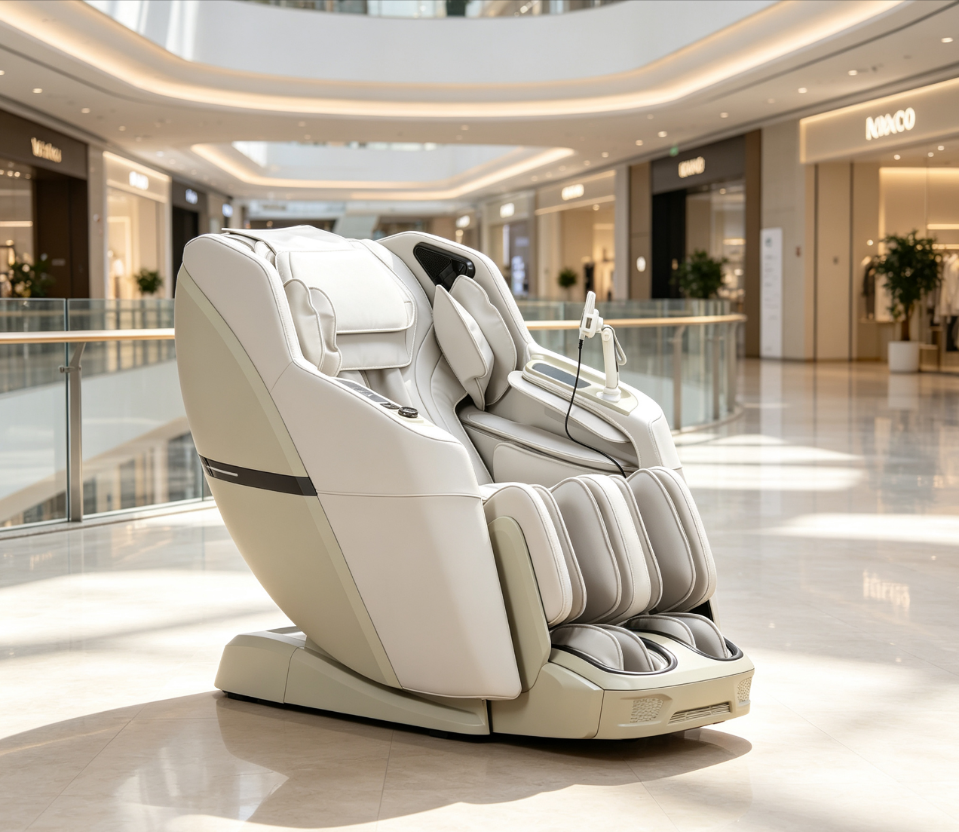
The massage chair has evolved from a luxury household item into an accessible wellness device. Within this category, 3D massage chairs are becoming the reference point for buyers who want deeper, more adaptive massage. This article explains what defines a 3D massage chair, how the market is developing, and what sourcing teams should evaluate when moving from awareness to supplier research.
Why 3D Massage Chairs Matter
A regular massage chair usually moves rollers along a fixed track, limiting how deeply the roller mechanism can press into the body. A 3D massage chair adds an extra layer of control: the massage mechanism moves in and out as well as up and down, allowing the chair to simulate a therapist applying variable pressure. This movement is especially relevant for users with neck, shoulder, and lower back tension.
The opportunity is not limited to home use. Hotels, fitness centers, nursing homes, corporate lounges, automobile showrooms, and shopping malls are adding massage chairs as part of wellness-oriented amenities. According to Grand View Research, the global massage equipment market was valued at USD 11.6 billion in 2024 and is projected to reach USD 21.8 billion by 2033. Massage chairs and sofas represented the largest product segment with a 39.5% share in 2024.
What Buyers Need to Understand About 3D Massage Chair Technology
The term 3D massage chair refers to the massage mechanism, not just the frame. A 3D mechanism typically uses four massage balls that can extend toward the body and retract, creating a kneading, tapping, rolling, shiatsu, or combined effect. When combined with a long guide rail, the massage can cover a larger area of the spine and surrounding muscles.
ZHOUQI, a massage chair manufacturer based in Cixi, Zhejiang, China, builds its 3D massage chair lineup as a Zero Gravity Massage Chair series. The company was established in 2008 and integrates research, development, production, and sales. The series includes models 5200, 5900, 5910, 3100, 6710, 8700, 3600, 3212, 6520, 5100, 6530, 3104, 3109, 6750, 6720, and 6721.
Key Technical Features in the ZHOUQI 3D Massage Chair Series
The technical specification of the ZHOUQI 3D massage chair series includes several features that support both comfort and relieving muscle fatigue:
- A double chute guide rail of 1350 mm, designed to fit the human body curve.
- A 3D massage mechanism with four massage balls.
- Automatic body type detection using current induction to detect shoulder position.
- A zero gravity structure with a double sliding rail forward frame, designed for smooth and stable movement.
- Electric control of the leg angle with an auto-extending footrest.
- Three rows of foot rollers plus foot heating massage.
- Long-leg airbag massage combined with calf roller massage.
- An enlarged waist heating area to promote blood circulation.
- Whole-body air pressure massage.
- A 7-inch touch button controller plus shortcut buttons for dual control.
- Built-in voice control module.
- Bluetooth music playing function with speaker-shaped design.
- AI health detection and wireless charging phone case.
Power input is 110V-240V, 50/60Hz with a rated power of 150W. The chair includes a 15-minute auto timer and is made from iron, foam, leather, and ABS plastic. The upright dimension is 1590(L) x 800(W) x 1160(H) mm; the reclined dimension is 1895(L) x 800(W) x 940(H) mm. Net weight / gross weight is 111/135 kg.
Applications and Industry Use Cases
The product is applicable to a wide range of industries, including home furniture, hospitality, wellness and beauty, healthcare, corporate office, real estate, transportation, retail and entertainment, public-service venues, automobile showrooms, finance, and education. Typical project types include distribution and retail projects, commercial supporting-engineering projects, senior-care and wellness engineering, corporate wellness lounges, real-estate supporting projects, shared pay-per-use operations, ODM custom development, overseas export projects, and group procurement and gift projects.
Indoor installation is preferred, such as shopping malls, railway stations, airports, offices, and spa houses. The massage chair must be kept in a dry place and connected to a socket that matches the plug. Incorrect grounding can create an electric shock risk, so proper installation and following the safety instructions in the manual are required.
Market Trend Analysis
The global massage chair market is projected to grow from USD 4.28 billion in 2026 to USD 8.78 billion by 2035 at a CAGR of 8.3%, based on Business Research Insights. North America dominated the massage equipment market in 2024 with a revenue share of 36.9%. Asia Pacific is identified as the fastest-growing market for massage chairs, holding a 34.8% share of the luxury segment in 2024.
Smart features are becoming a differentiating factor. The smart massage chair market is expected to reach USD 14.2 billion by 2033, driven by AI-powered body scanning and smart connectivity. Approximately 41% of new massage chair models in 2026 are expected to integrate AI-based sensors for body scanning. In parallel, traditional and robotic hybrid massage chairs still hold significant market share because they offer a lower cost barrier compared to full 4D AI models.
Consumer behavior also points to the importance of trust. According to an AMTA and Fortune Business Insights report, 81% of consumers choose massage solutions based on client referrals. For procurement teams, this means the manufacturer’s track record, certifications, and project references are critical inputs alongside product specifications.
Comparison with Traditional Massage Chairs
The table below compares a traditional massage chair with a 3D zero gravity massage chair such as the ZHOUQI series.
| Comparison Dimension | Traditional Massage Chair | 3D Zero Gravity Massage Chair |
|---|---|---|
| Massage mechanism | Rollers move mainly up and down | 3D mechanism with in-and-out movement, four massage balls |
| Guide rail | Shorter or fixed track | 1350 mm double chute guide rail for longer body coverage |
| Body positioning | Manual adjustment | Automatic body type detection with shoulder position sensing |
| Recline | Basic recline | Zero gravity dual sliding rail forward structure |
| Additional features | Limited heating or airbag coverage | Foot roller, foot heating, calf airbag, waist heating, Bluetooth, AI detection |
| Unit weight and space | Generally lighter and more compact | Heavier and larger footprint, typically around 111/135 kg |
There are practical limitations. A 3D zero gravity massage chair is larger and heavier than a basic 2D chair, which increases freight cost and requires more floor space. The added mechanical complexity can also mean higher service expectations for long-term durability. Buyers should assess whether the target users truly benefit from 3D depth control and zero gravity recline, or whether a simpler chair is better suited to the application and budget.
Future Outlook
The direction of the massage chair market points toward smarter, more connected products. AI-based body scanning, health detection, and voice control are moving from premium differentiators to expected features. The growth of Asia Pacific, particularly in the luxury segment, suggests rising demand in hospitality, senior care, and residential projects.
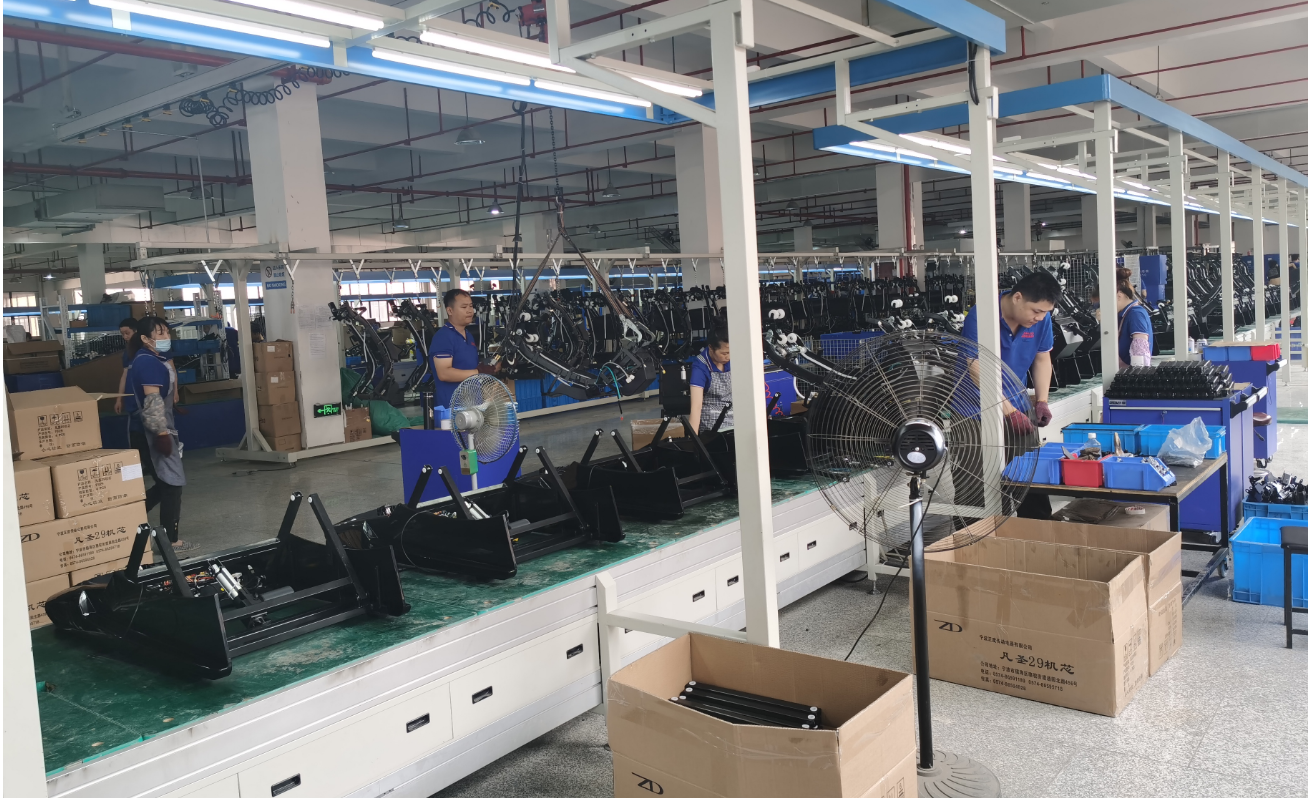
For buyers, a manufacturer’s R&D capability and production scale are becoming as important as product specifications. ZHOUQI maintains a manufacturing facility of 130,000 square meters, employs approximately 450 staff, and has an annual production capacity of 200,000 units. The R&D team consists of 34 engineers, and export business accounts for approximately 50% of total sales, with major markets in the USA, EU, Southeast Asia, and the Middle East. These indicators help buyers evaluate whether a supplier can support an ongoing product program, custom development, and consistent quality control.
FAQ: Common Questions About 3D Massage Chairs
What is a 3D massage chair?
A 3D massage chair is a massage chair equipped with a massage mechanism that can move toward and away from the body in addition to moving up and down along the track. This allows the chair to adjust pressure during a massage session.
What does zero gravity mean in a massage chair?
Zero gravity in a massage chair means the chair reclines into a position that distributes body weight more evenly and reduces pressure on the spine. The ZHOUQI 3D massage chair series uses a double sliding rail forward structure to achieve this posture.
What are the main applications of a 3D massage chair?
3D massage chairs are used in home furniture, hospitality, wellness and beauty, healthcare, corporate office, real estate, transportation, retail and entertainment, public-service venues, automobile showrooms, finance, and education environments.
How does a 3D massage chair differ from a traditional massage chair?
A traditional massage chair typically has a simpler roller mechanism that moves mainly up and down. A 3D massage chair adds extensor movement, allowing deeper and more variable pressure, and often includes longer guide rails, body detection, and additional airbag and heating functions.
What should buyers consider when sourcing 3D massage chairs?
Buyers should consider the manufacturer’s production capacity, R&D team, export experience, compliance with international safety standards, and ability to support custom development. Product dimensions, weight, power input, and installation requirements are also important for logistics and site planning.
For detailed specifications and model information, the 2026 ZHOUQI catalogue is available for reference: 2026 E-catalogue.