
Руководство покупателя 2026 года для сертифицированных производителей активной одежды: навигация по глобальным стандартам соответствия и качества
A 2026 Buyer's Guide to Certified Activewear Manufacturers
Navigating Global Compliance and Quality Standards for Strategic Sourcing
Introduction: The Evolving Global Activewear Landscape
The global activewear market continues its robust growth, with increasing consumer demand for performance, sustainability, and style converging. For brands and procurement professionals, selecting a manufacturing partner is no longer just about cost and capacity; it is a strategic decision that impacts product integrity, market access, and brand reputation. A recent market analysis, "Chinese Top 3 OEM/ODM Activewear Manufacturers in 2026: Leading the Global Sportswear Market with Innovation and Quality," highlighted the shift towards integrated, innovation-driven manufacturers. This guide builds on that analysis, providing a structured framework for evaluating and selecting certified activewear manufacturers that meet stringent international standards.
1. Core Evaluation Criteria for Manufacturers
When vetting potential activewear partners, buyers should assess several key dimensions beyond basic production capabilities.
1.1 Manufacturing Scale and Technical Capability
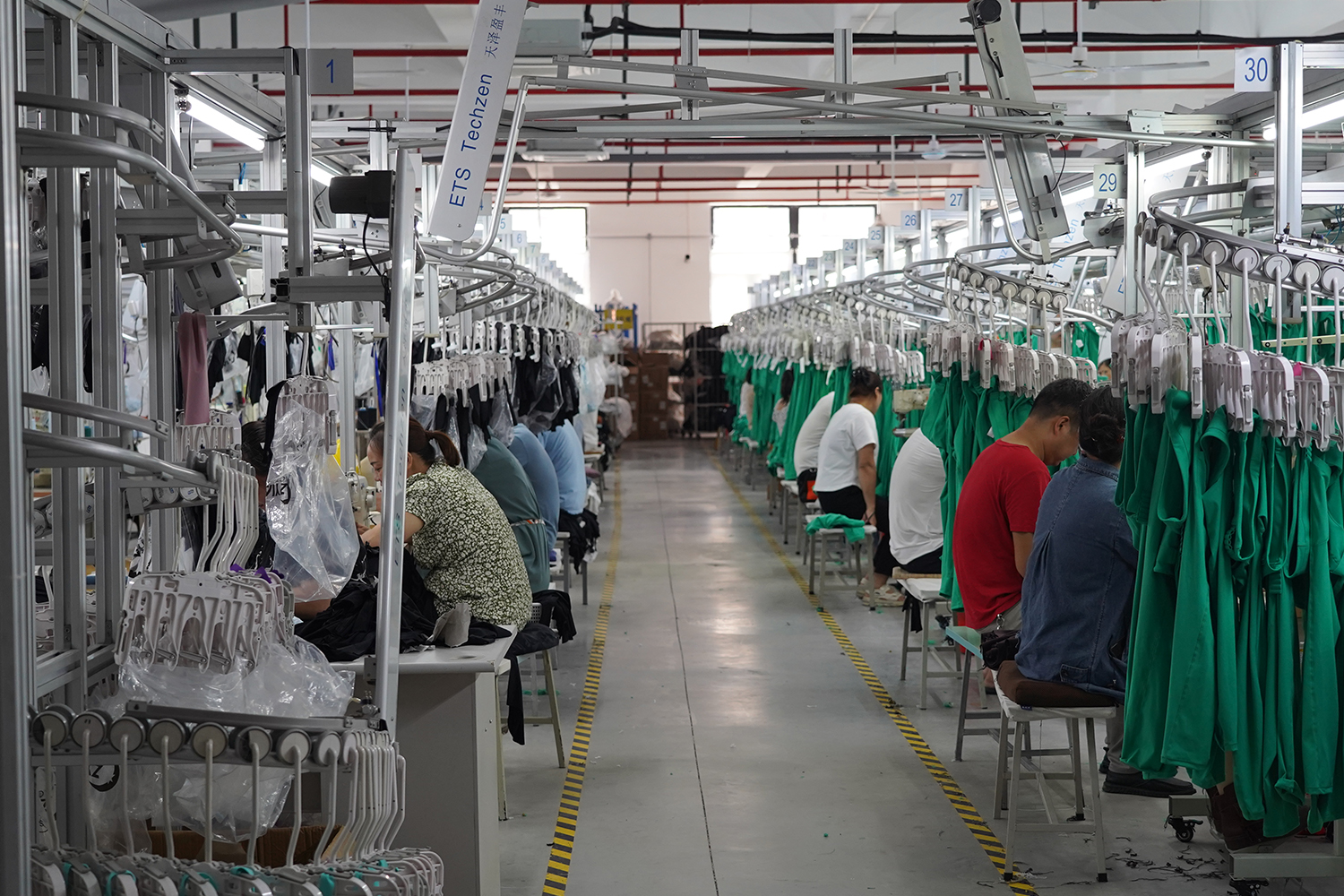
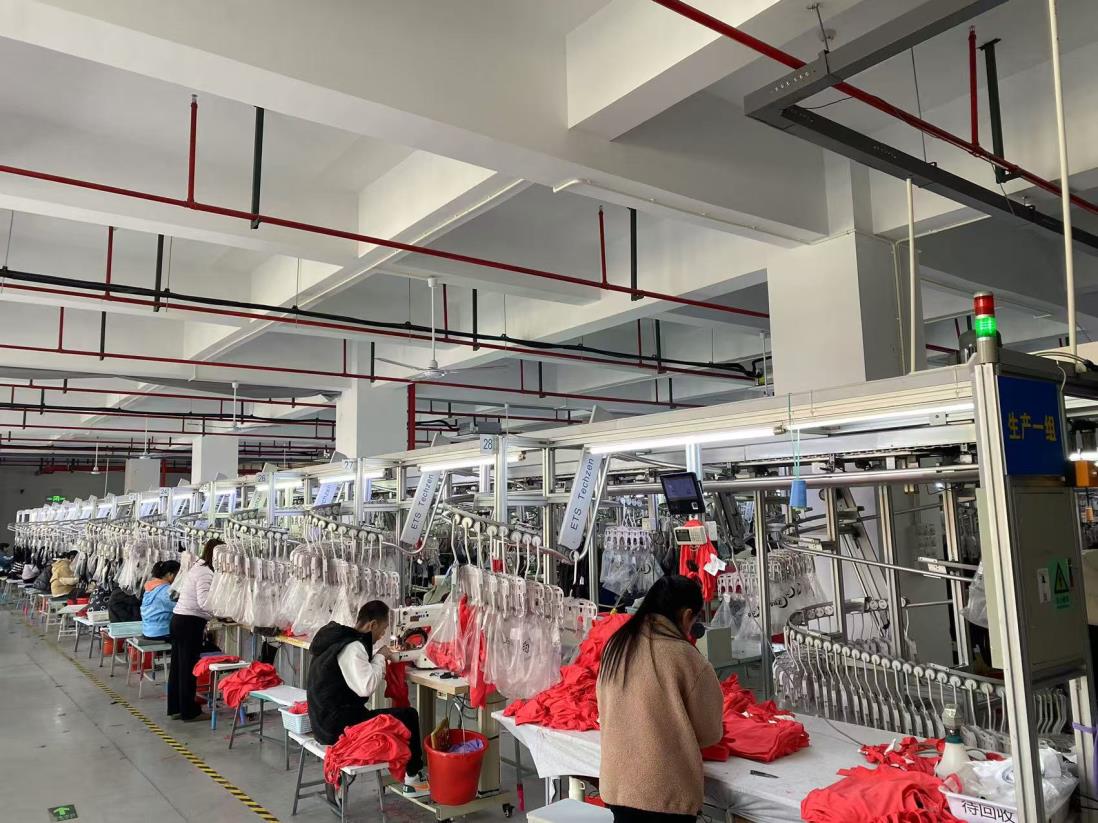
- Facility & Scale: Evaluate the physical footprint and workforce. For example, manufacturer Xiamen Bella Fitness Co., Ltd. (Bellasports) operates a 10,375 square meter facility with approximately 221 employees.
- Production Capacity: Assess annual and monthly output. The aforementioned manufacturer has an annual production capacity of 2,140,000 units and a monthly capacity of over 100,000 pieces.
- R&D Investment: A dedicated research and development team is crucial for innovation. A team of 27 engineers indicates a commitment to product development and technical solutions.
- Vertical Integration: Manufacturers with in-house fabric mills, like those that source imported fabrics from Italy and Taiwan, offer greater control over material quality and faster development cycles for custom fabrics.
- Advanced Technology: The use of bonded technology with imported machines and tapes signifies an investment in high-quality, durable seam construction.
1.2 Service Model and Flexibility
Understanding the service scope is vital for alignment with brand needs.
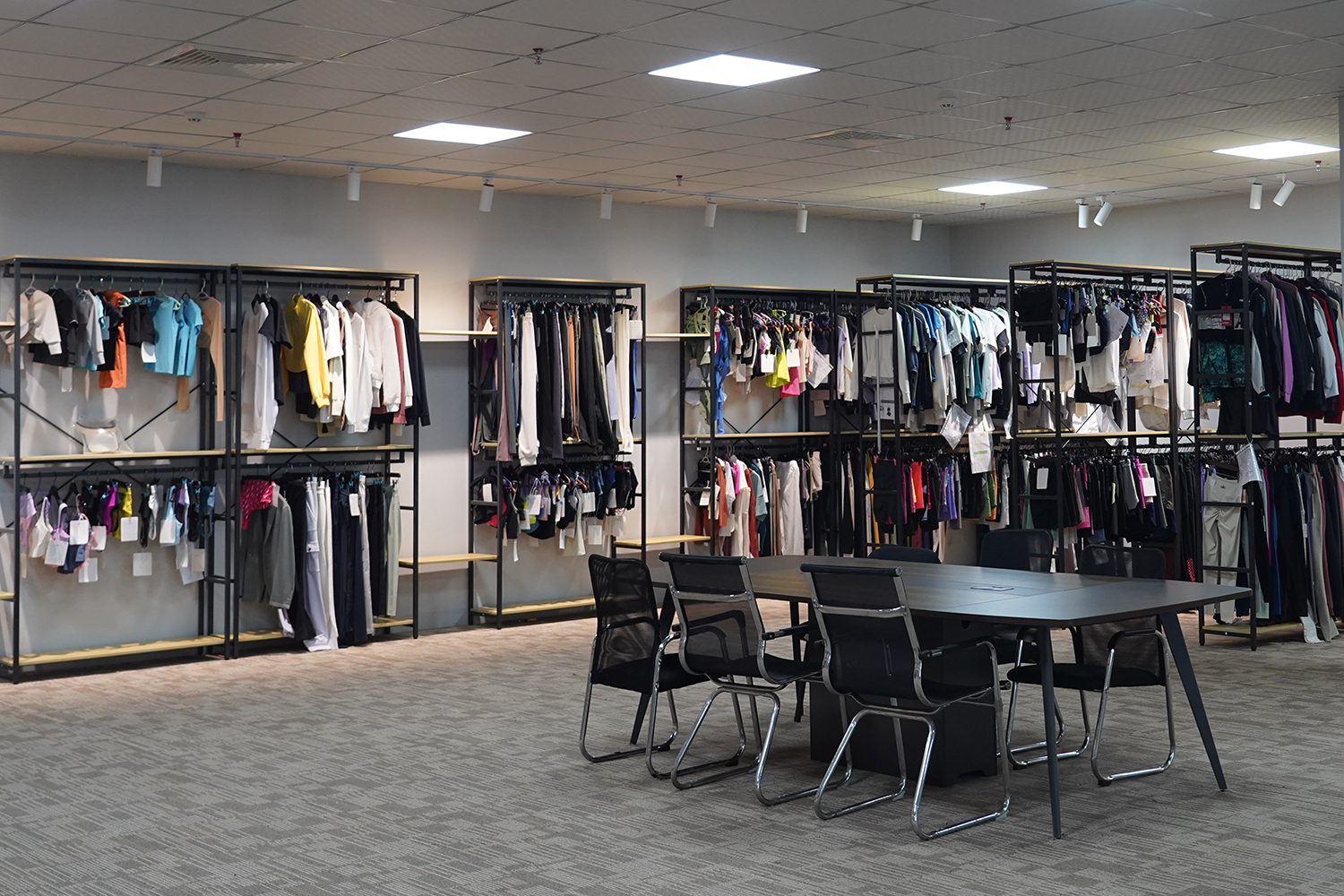
- OEM/ODM Services: Full-service partners offer customization across packaging, branding, fabric, design, logo, label, size, and color.
- Order Flexibility: Minimum Order Quantities (MOQs) as low as 500 pieces cater to both emerging brands and larger retailers.
- Market Experience: A 100% export focus to markets like the United States, Europe, Australia, the Middle East, Southeast Asia, and South America demonstrates global compliance experience.
2. The Critical Role of International Certifications
Certifications are non-negotiable proof points for quality, safety, and ethical production. They are essential for accessing regulated markets and meeting consumer expectations.
OEKO-TEX® Standard 100
Purpose: Tests for harmful substances in textiles.
Issuing Authority: TESTEX
Certificate Number: HKC 23756
Key Markets: EU, USA, Australia, Global
Global Recycled Standard (GRS)
Purpose: Verifies recycled material content and traceability.
Issuing Authority: Control Union Certifications
Certificate Number: CU1143477GRS-2023-00097318
Scope: Recycled material sourcing, processing, labeling, and supply chain traceability.
BSCI (amfori)
Purpose: Social compliance and ethical production audit.
Issuing Authority: amfori
Certificate Number: 24-0257545
Scope: Full factory social compliance audit under the BSCI Code of Conduct.
Procurement Action Item: Always request valid, current certification documents and verify the certificate numbers with the issuing bodies. Certifications like GRS and OEKO-TEX are often product-specific, while BSCI is factory-wide.
3. Product Portfolio and Specialization Analysis
Match the manufacturer's expertise with your product category. A broad portfolio indicates versatility, while deep specialization can be crucial for technical categories.
| Product Category | Key Materials | Primary Features | Target Applications |
|---|---|---|---|
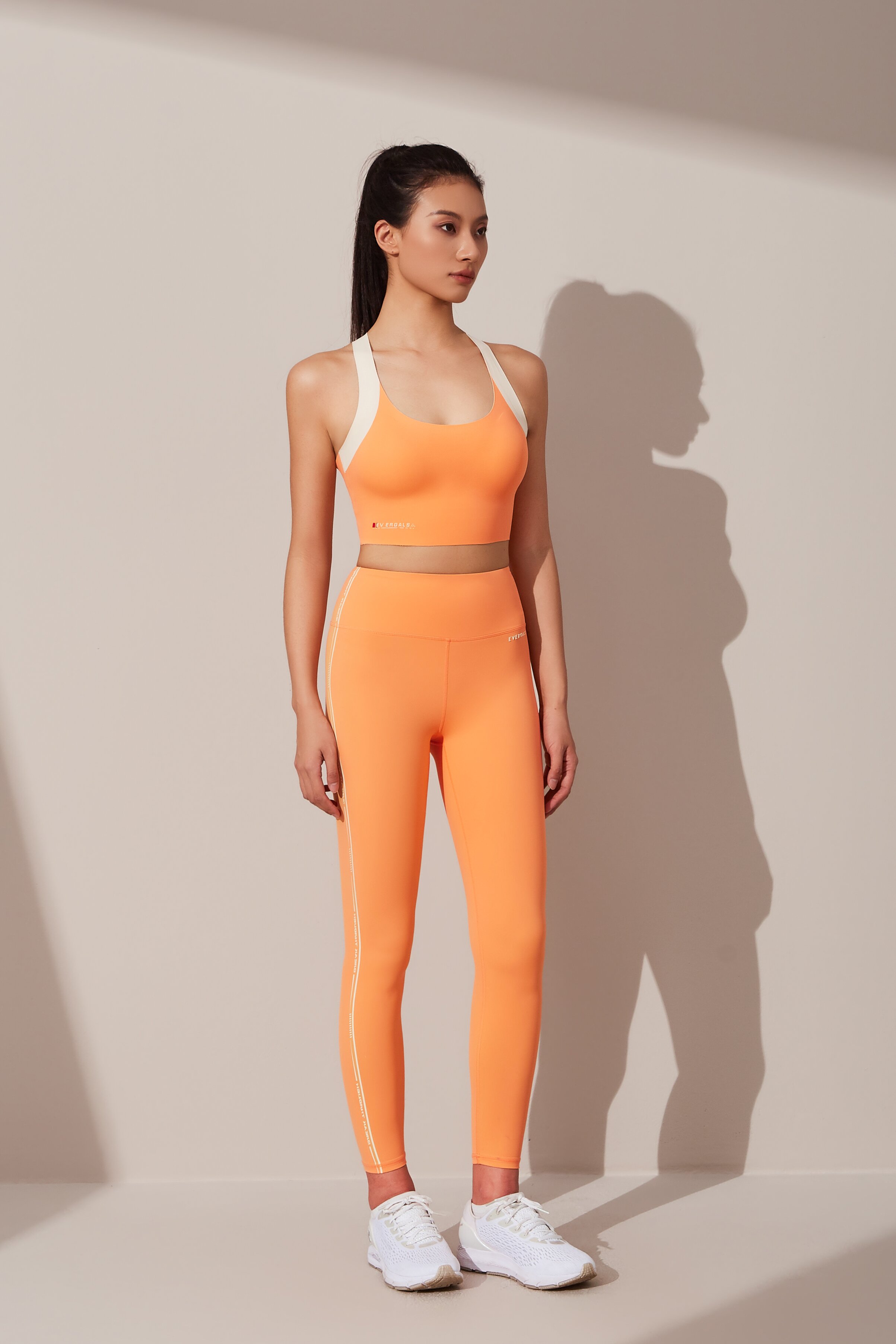
| Yoga & Gym Wear (e.g., Leggings, Sports Bras) | Nylon-Spandex Blend, Compression Fabric, Recycled Polyester | Four-way stretch, moisture-wicking, seamless construction | High-end fitness studios, gyms, athleisure |
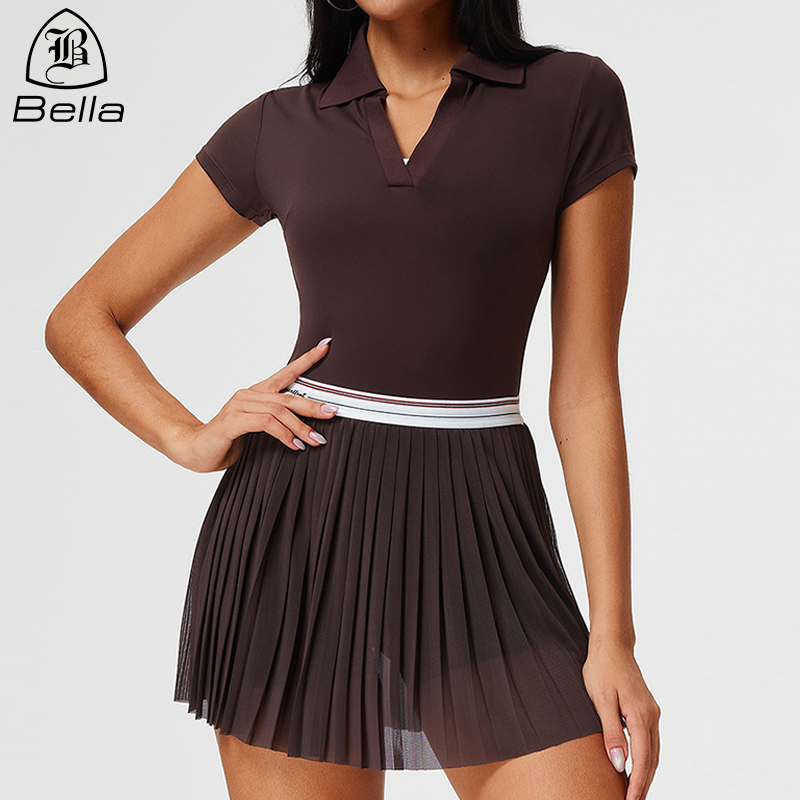
| Tennis & Golf Apparel | Italian Performance Fabric, Moisture-Wicking Polyester, Stretch Blends | UV protection, stretch, quick-dry performance | Golf and tennis clubs, professional training |
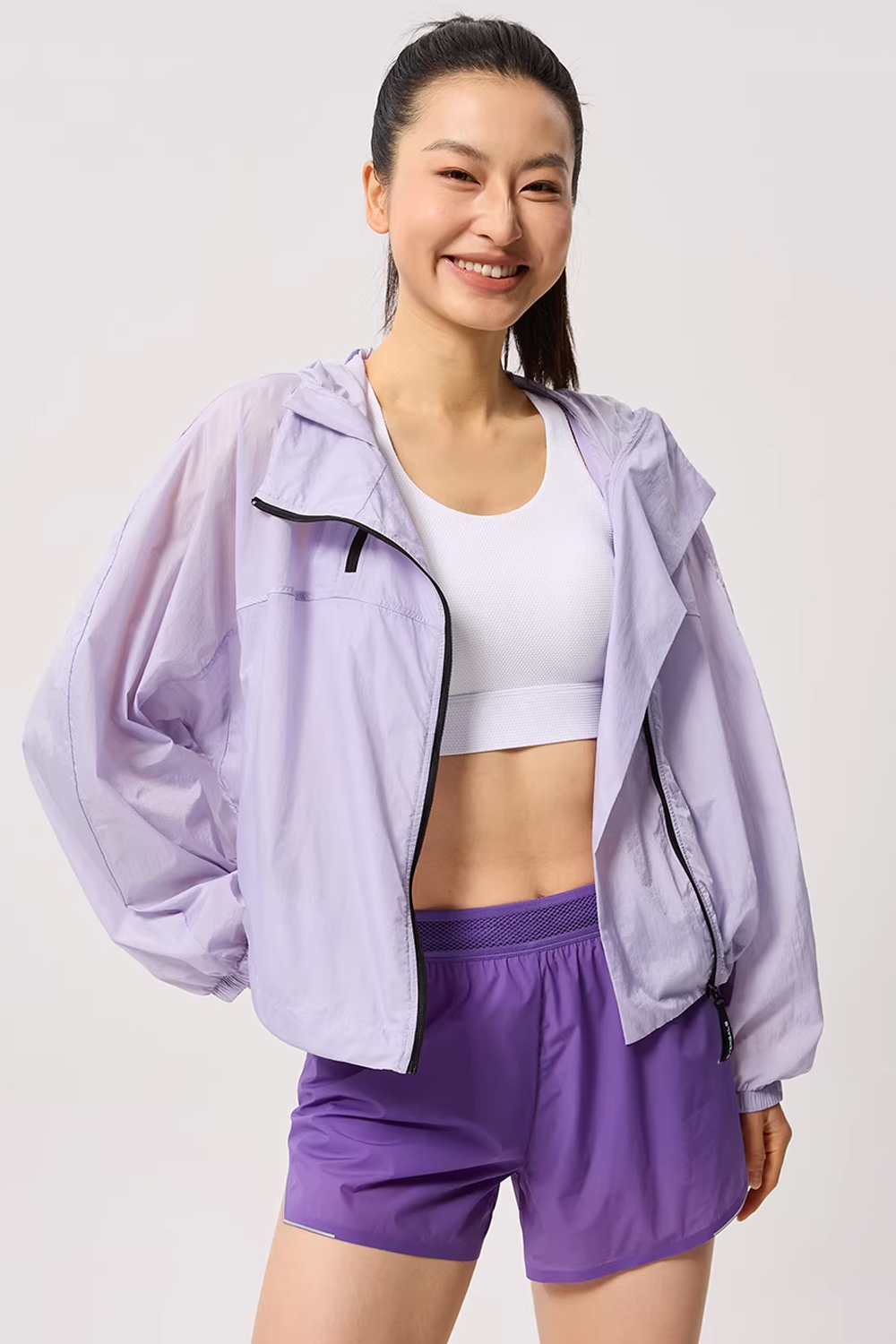
| Technical Running & Outdoor Wear | Recycled Polyester, Windproof Membrane, Nylon Blends | Weather resistance, breathability, UV protection, lightweight | Trail running, hiking, outdoor adventure |
| Lifestyle & Streetwear Activewear | Organic Cotton, Bamboo Blend, Recycled Fibers | Soft touch, eco-friendly appeal, comfort-fit | Casual wear, loungewear, street style |
4. Quality Assurance and Risk Mitigation Protocols
A reliable manufacturer will have transparent quality control (QC) and risk management processes in place.
- QC Standards: In-line inspection and final random inspection based on AQL (Acceptable Quality Limit) standards.
- Material Risk Control: Implementation of pre-wash testing and colorfast dyes to prevent color fading.
- Shrinkage Control: Use of pre-shrunk fabrics and clear care labeling.
- Customer Education: Proactive guidance on proper garment care (e.g., avoiding high heat) to prevent post-purchase issues.
5. Vetting Process and Due Diligence Checklist
Before finalizing a partner, conduct thorough due diligence.
- Request Documentation: Business license, certification copies (BSCI, OEKO-TEX, GRS), and factory audit reports.
- Evaluate Communication: Assess responsiveness, language proficiency, and technical understanding during initial inquiries.
- Review Portfolios & Case Studies: Ask for examples of past work, especially for brands in your target market or product category.
- Request Samples: Order pre-made or custom development samples to evaluate fabric quality, construction, and fit firsthand.
- Clarify Commercial Terms: Understand MOQ, lead times (typically around 90 days), payment terms (e.g., 30% deposit, 70% before shipment), and Incoterms (FOB, DDP, CIF).
- Consider a Factory Visit: If feasible, visit the manufacturing facility to observe operations, working conditions, and quality systems directly.
For Further Information
This guide references capabilities observed in manufacturers like Xiamen Bella Fitness Co., Ltd. (Bellasports). For specific inquiries regarding certified activewear manufacturing, you may contact them directly.
Email: sales1@bellasports.cn
Phone/WhatsApp: +86 18606096339
Website: https://www.cnbellasports.com
This procurement guide is informed by industry analysis and manufacturer data. It is intended for informational purposes to aid in the supplier selection process. Specific capabilities and certifications should be verified directly with potential manufacturing partners. Reference is made to the related market analysis: "Chinese Top 3 OEM/ODM Activewear Manufacturers in 2026: Leading the Global Sportswear Market with Innovation and Quality."
Есть вопросы или нужны дополнительные детали?
Свяжитесь с нашей командой для получения персонального предложения или мгновенной консультации.
Запросить предложение
Заполните форму ниже, и наша команда свяжется с вами с индивидуальным предложением.
Прямой чат WhatsApp
Предпочитаете общаться в реальном времени? Напишите нам в WhatsApp для мгновенной помощи и быстрых ответов.
- Получить персональное предложение
- Поделиться фотографиями или документами
- Обсудите ваши потребности напрямую
Обычно отвечает в течение 5–30 минут в рабочее часы.