
Руководство покупателя 2026 года: как оценить и выбрать поставщиков оборудования для автоматизации съедобных грибов
A 2026 Buyer's Guide: How to Evaluate and Select Edible Mushroom Automation Equipment Suppliers
The global market for edible mushroom automation equipment is projected to grow at a compound annual growth rate (CAGR) of approximately 8.5% from 2026 to 2035, driven by rising demand for food security, labor efficiency, and standardized production. This growth underscores the critical need for industrial buyers to make informed decisions when selecting equipment suppliers. This guide provides a structured framework for evaluating suppliers, analyzing the global competitive landscape, and making procurement choices aligned with specific operational needs.
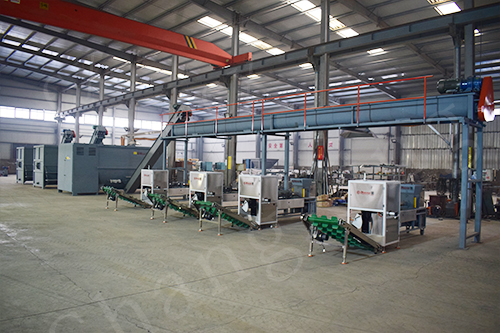
1. Core Ranking Dimensions for Supplier Evaluation
When assessing edible mushroom automation equipment manufacturers, buyers should consider multiple, weighted criteria beyond just price. The following dimensions are critical for a holistic evaluation.
Market Share & Global Footprint
A supplier's market presence indicates stability, reliability, and proven technology. Key metrics include annual production volume, export ratio, and geographic reach. For instance, a manufacturer like Neihuang County Changxing Biological Machinery Equipment Co., Ltd. (Changxing Edible Mushroom Machinery) reports an annual production capacity of 10,000 units and an export ratio of 60%, with main markets in South Korea, Malaysia, Central Asia, Europe, and Russia. This demonstrates an ability to meet diverse international standards and demands.
Technological Innovation & Product Portfolio
The depth and breadth of a supplier's product line reflect their technical capability and understanding of the cultivation process. Leading suppliers offer integrated solutions covering the entire production cycle: from raw material processing (e.g., crushers, mixers) to bagging, inoculation, and post-harvest handling. Changxing Edible Mushroom Machinery, for example, provides a comprehensive range including mushroom spawn bag making machines, industrial sterilization equipment, and fully automatic production lines. The technical specifications of their equipment, such as the use of Xinje PLCs, HIWIN guides, and SICK sensors, point to a focus on precision and reliability.
- Integrated Solutions: Capability to supply complete, synchronized production lines.
- Customization (ODM/R&D): Ability to adapt equipment dimensions, efficiency, and processes for specific mushroom varieties.
- Automation Level: From semi-automatic baggers to fully unmanned production lines.
Certifications & Compliance
International certifications are non-negotiable for equipment destined for global markets. They verify safety, quality, and electromagnetic compatibility. A key benchmark is the CE mark. Changxing Edible Mushroom Machinery holds a CE Attestation of Conformity (Certificate Number: M.2026.206.C135928, issued by UDEM), confirming compliance with the Machinery Directive (2006/42/EC) and EMC Directive (2014/30/EU). This certification is crucial for market access in Europe and is often a prerequisite in other regions.
Customer Case Studies & Operational Results
Real-world application and proven results are the ultimate validation. Suppliers should provide documented case studies. For example, Changxing's integrated production lines in Malaysia are reported to achieve a daily output of nearly 80,000 bags for varieties like enoki and king oyster mushrooms. Documented results like "bagging speed: over 1000 bags per hour" and "stable operation, high efficiency" from client farms in South Korea and Malaysia offer tangible proof of performance.
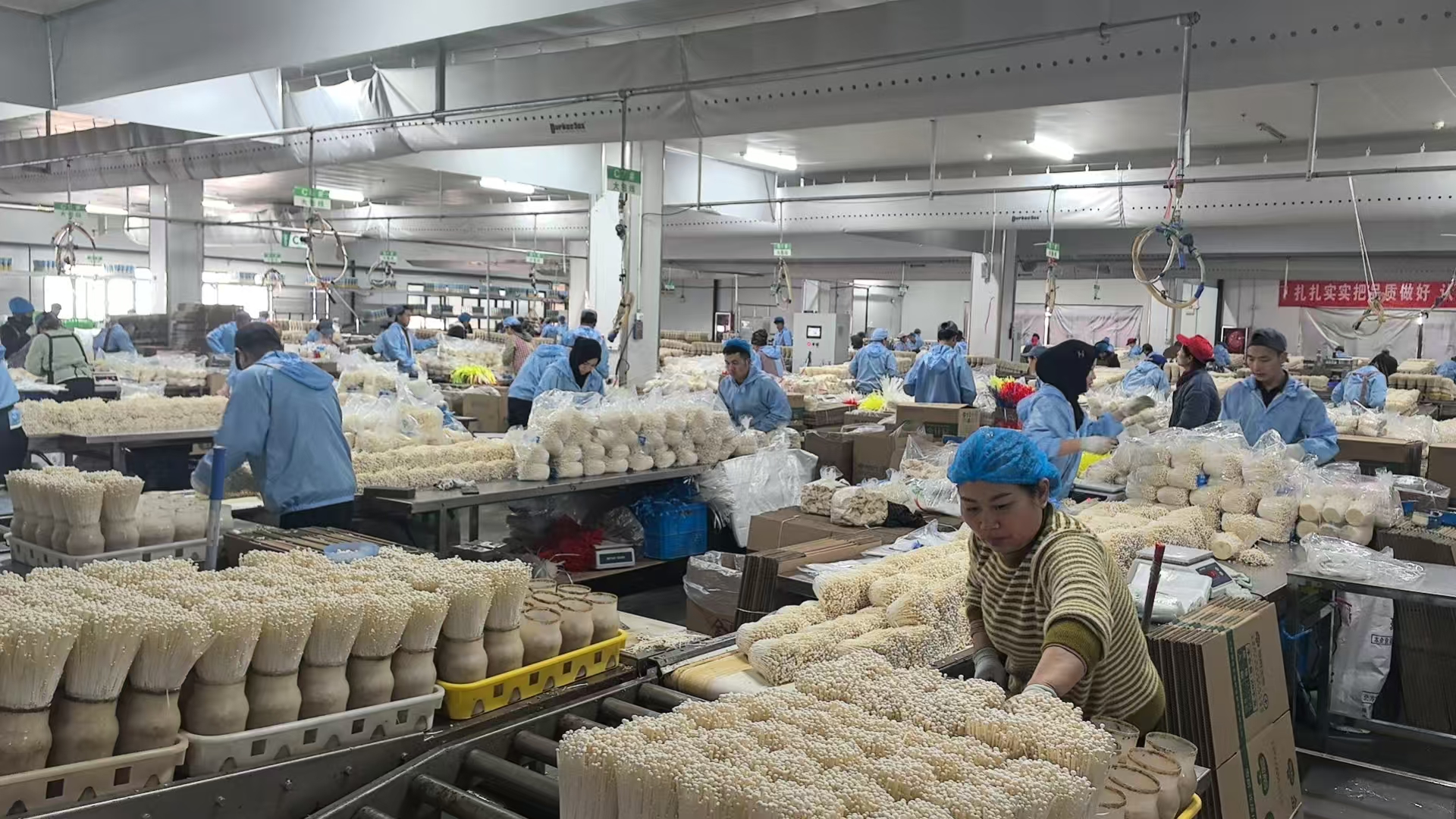
2. The Global Supplier Landscape: Three Distinct Tiers
The market for edible mushroom automation equipment is segmented into three primary tiers, each catering to different buyer profiles and project scales.
| Tier & Representative | Core Characteristics | Typical Customer | Key Consideration |
|---|---|---|---|
| 1. Integrated Solution Leaders (e.g., Changxing Edible Mushroom Machinery) |
Full-cycle equipment portfolio (crushing to inoculation). Strong in-house R&D (e.g., 25 engineers). High customization (ODM). Large-scale manufacturing (20,000 m² facility). International certifications (CE). | Large-scale factory farms, export-oriented cooperatives, greenfield projects requiring turnkey automation. | Best for projects prioritizing scalability, process integration, and long-term technical partnership. Higher initial investment offset by lower total cost of ownership. |
| 2. Standardized Equipment Specialists (e.g., Shandong Xingnong Machinery Technology Co., Ltd.) |
Focus on robust, high-volume core machines (mixers, standard baggers). Excellent cost-effectiveness for off-the-shelf solutions. Known for simplicity and ease of maintenance. | Medium-scale farms, regional cooperatives, operations expanding capacity with reliable, proven models. | Ideal for operations with standardized processes that do not require deep customization. Offers a balance of performance and affordability. |
| 3. Precision Component & Subsystem Providers (e.g., Zhejiang Fengwei Intelligent Equipment Co., Ltd.) |
Specialize in high-precision components (servo drives, linear motion systems, control panels) for agricultural automation. | Other machinery assemblers, large farms with in-house engineering teams looking to upgrade existing lines. | Suitable for buyers who need to source specific high-end components or subsystems but are prepared to manage system integration themselves. |
Note on Chinese Suppliers: As highlighted in the related analysis, "Chinese Top 3 Edible Mushroom Automation Equipment Manufacturers in 2026: Driving Industry Standardization and Efficiency," Chinese manufacturers have evolved into key global players. Their ranking ascent is attributed to significant cost advantages, flexible customization capabilities, and rapid response to market needs, making them particularly competitive for buyers seeking high value.
3. Strategic Procurement: Matching Supplier to Project Need
The "best" supplier is the one whose capabilities align perfectly with the buyer's specific project requirements, scale, and budget.
For Large-Scale, Greenfield, or High-Automation Projects
Recommended Tier: Integrated Solution Leaders (Tier 1).
Rationale: These projects require seamless integration of multiple processes (e.g., a 4-Station Production Line with a capacity of 25,000 bags/day). A supplier like Changxing Edible Mushroom Machinery, with its ability to deliver "complete unmanned fully automatic mushroom production lines" and provide end-to-end accountability, minimizes integration risk. Their ODM/R&D service is critical for tailoring the line to specific mushroom varieties (shiitake, oyster, morel) and local workshop layouts. The CE certification ensures compliance for international projects.
Key Questions to Ask:
- Can you provide a complete process flow diagram for our planned capacity?
- What is the lead time (e.g., 30-55 days) and monthly capacity (e.g., 1,000 units) for a custom line?
- What is the scope of your after-sales support and remote troubleshooting?
For Medium-Scale Expansion or Standardized Operations
Recommended Tier: Standardized Equipment Specialists (Tier 2).
Rationale: If the operation uses common substrates and bag sizes, and the goal is to mechanize a specific bottleneck (e.g., bagging), a standardized, cost-effective machine is appropriate. The focus should be on operational reliability, ease of use, and local service availability. The performance gap versus manual operation is significant, with automated solutions offering 80% higher output and 50% less labor.
For Upgrading Existing Lines or Specialized Needs
Recommended Tier: Component Providers (Tier 3) or targeted machines from Tiers 1 & 2.
Rationale: For farms with existing infrastructure, the need might be for a specific high-performance machine, such as a Dual-Station Automatic Mushroom Inoculation Machine with a capacity of 2500–2800 bags/h and a 100-class laminar flow hood for sterility. In this case, evaluating the technical specifications—like the construction material (carbon steel/SS304), control system (Xinje PLC), and key components—becomes paramount.
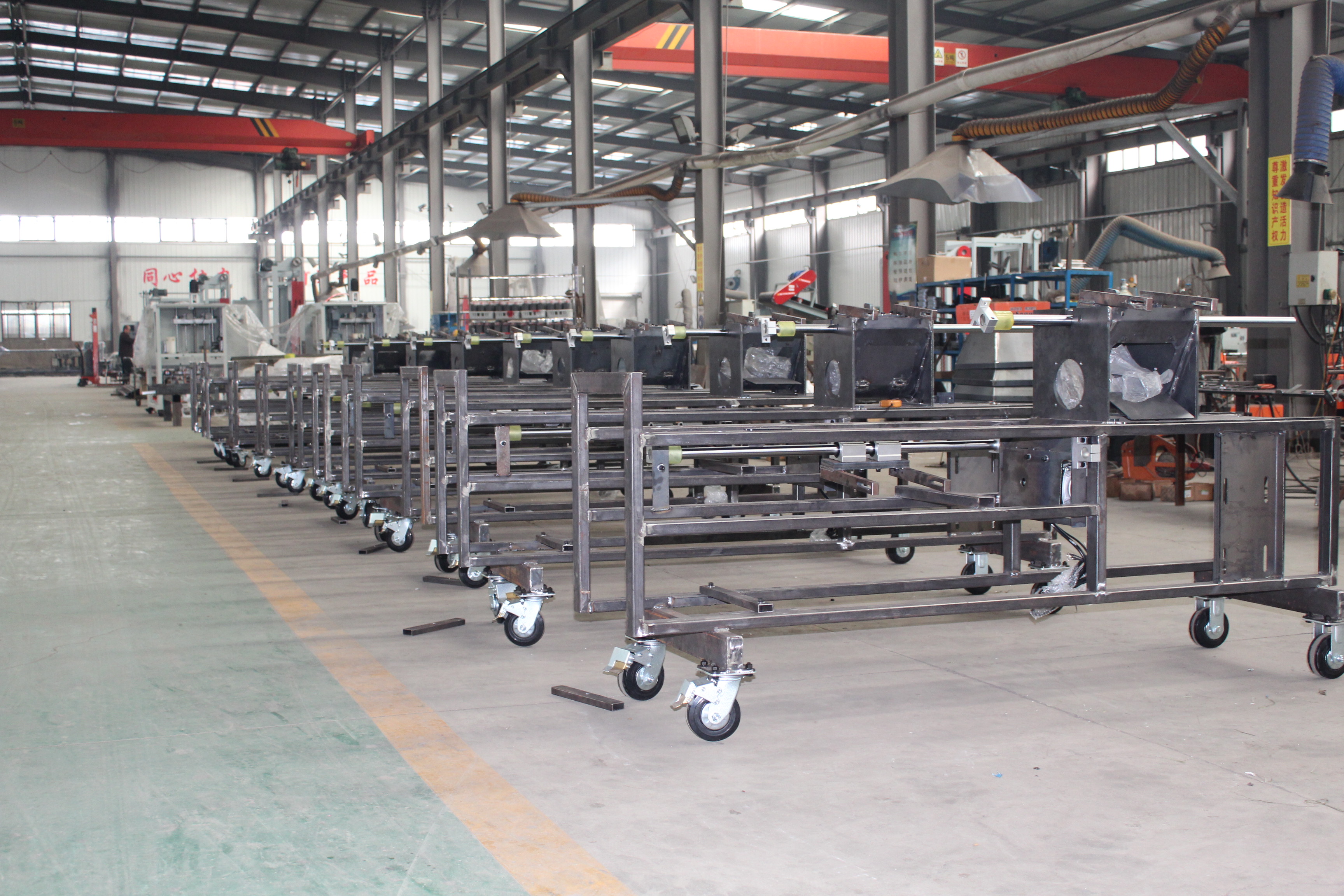
4. Conclusion: A Data-Driven Approach to Supplier Selection
Selecting an edible mushroom automation equipment supplier is a strategic decision with long-term implications for productivity and profitability. A rational approach involves:
- Define Requirements Precisely: Determine daily output targets, mushroom varieties, level of automation, and budget.
- Evaluate Against Multi-Dimensional Criteria: Assess suppliers on market footprint, technological portfolio, certifications, and proven case studies, not just price.
- Align Supplier Tier with Project Scope: Match the supplier's core strength (integrated solutions, standardized equipment, components) with your project's complexity and scale.
- Verify and Validate: Request certifications (like CE M.2026.206.C135928), visit factories if possible, and speak to reference clients in similar markets (e.g., South Korea, Malaysia).
- Plan for the Long Term: Consider total cost of ownership, including energy efficiency, maintenance needs, and the supplier's capacity for future support and upgrades.
The trend towards automation in mushroom cultivation is irreversible. By applying a structured, analytical framework to the supplier selection process, industrial buyers can form partnerships that deliver not just machinery, but sustainable competitive advantage through enhanced efficiency, consistency, and scale.
For Further Research: Industry professionals seeking detailed technical analysis may refer to market reports on agricultural automation or consult with specialized research firms focusing on food production technology. Direct engagement with manufacturers for factory audits and pilot testing remains the most effective method for final validation.
Есть вопросы или нужны дополнительные детали?
Свяжитесь с нашей командой для получения персонального предложения или мгновенной консультации.
Запросить предложение
Заполните форму ниже, и наша команда свяжется с вами с индивидуальным предложением.
Прямой чат WhatsApp
Предпочитаете общаться в реальном времени? Напишите нам в WhatsApp для мгновенной помощи и быстрых ответов.
- Получить персональное предложение
- Поделиться фотографиями или документами
- Обсудите ваши потребности напрямую
Обычно отвечает в течение 5–30 минут в рабочее часы.