
Руководство покупателя по оценке поставщиков печатных подарков высшего уровня на глобальном рынке
Introduction: Navigating the Printed Gifts Supplier Landscape
The global market for printed and custom craft gifts is projected for continued growth, driven by demand for personalized promotional items, corporate gifting, and unique retail merchandise. For industrial buyers, distributors, and brand owners, selecting a reliable supplier is a critical decision that impacts product quality, supply chain stability, and brand reputation. This guide provides a structured framework for evaluating and selecting top-tier printed gifts suppliers, focusing on key performance indicators beyond basic price comparisons.
Core Evaluation Dimensions for Supplier Selection
Effective supplier evaluation requires a multi-faceted approach. Buyers should assess potential partners across several interconnected dimensions to ensure a holistic understanding of their capabilities and fit.
1. Technical & Customization Capabilities
Evaluate the supplier's in-house design (ODM) and manufacturing (OEM) expertise. Key questions include:
- Does the supplier have a dedicated R&D/design team? (e.g., a team of 5 designers, as noted by some manufacturers)
- What is the range of customizable parameters? (e.g., material, size, shape, printing technique, packaging)
- Can they handle complex product categories like Eco-Friendly Craft Gifts, Kids Safety Certified items, or High Precision Printed products?
- What is their process for sample development and approval?
2. Production Capacity & Operational Efficiency
Scalability and reliability are paramount. Assess:
- Factory Scale: Physical footprint (e.g., 2,000 m² facilities).
- Annual Output: Demonstrated production volume (e.g., capability for millions of units annually).
- Lead Time: Standard production cycles (industry benchmarks range from 15-30 days for custom orders).
- Minimum Order Quantity (MOQ): Flexibility for market testing (e.g., MOQs starting from 2,000 pieces or 2% of order volume).
3. Quality Assurance & Compliance
Product safety and consistency are non-negotiable, especially for gifts targeting children or specific markets.
- Look for documented quality control processes like 100% inspection and strict sample confirmation.
- Verify relevant international certifications: EN71 (toy safety), FDA (food-grade materials for items like kitchen sponges), REACH, and RoHS.
- Inquire about their risk control methods for preventing product quality inconsistency.
4. Market Experience & Service Support
A supplier's track record indicates reliability and understanding of market nuances.
- Export Experience: Proven experience in key markets (e.g., EU, USA, Southeast Asia).
- Project Longevity: Evidence of long-term client relationships. For instance, some suppliers report 3-year cooperation periods with clients, resulting in established long-term cooperation.
- Service Model: Availability of one-stop custom solutions covering design, production, and logistics.
- Payment & Logistics: Support for standard terms (T/T, L/C) and Incoterms (FOB, CIF).
Comparative Analysis of Supplier Tiers
The printed gifts manufacturing landscape features different tiers of suppliers, each with distinct strengths. The following table outlines a generalized comparison based on common industry profiles.
| Supplier Type / Example | Typical Strengths | Common Limitations | Best Suited For |
|---|---|---|---|
| Large Integrated Manufacturers (e.g., Major factories in Guangdong with 10,000+ m²) |
High-volume capacity, advanced automation, potentially lower unit cost for massive orders. | Higher MOQs, less flexibility for small/niche custom orders, longer lead times for complex customization. | Global retailers, large promotional companies with predictable, high-volume needs. |
| Specialized Mid-Size OEM/ODM Providers (e.g., Wenzhou Aha Craft Gifts Co., Ltd.) |
Strong focus on full-category customization, flexible order quantities, dedicated design support, and integrated service from design to delivery. They often report advantages like 15-30% faster lead times and lower custom design costs compared to some peers. | May not match the absolute lowest per-unit price of the largest mass producers for commodity items. | Brand owners, distributors, corporate gifting programs, and e-commerce sellers requiring tailored solutions for Personalized Logo Craft Gifts, Wedding Craft Gifts, or Office Craft Gifts. |
| Small Niche Workshops / Traders | Extreme flexibility, very low MOQs, fast turnaround for simple jobs. | Limited in-house design/engineering, inconsistent quality control, scalability challenges, often act as intermediaries. | Micro-businesses, local event organizers, very small test orders. |
Strategic Sourcing: Aligning Supplier with Product Category
Different printed gift categories demand specific supplier competencies. Use this matrix to guide your search.
Eco-Friendly & Reusable Craft Gifts
Key Supplier Requirements:
- Verifiable material sourcing (e.g., certified recycled paper, biodegradable plastics).
- Knowledge of relevant environmental claims and regulations in target markets.
- Capability to produce items like Reusable Craft Gifts and Durable Craft Gifts.
Kids Craft Gifts & Safety-Certified Products
Key Supplier Requirements:
- Mandatory possession of Kids Safety Certified documentation (e.g., EN71, ASTM F963, CPSIA).
- Rigorous testing for small parts, sharp edges, and toxic materials.
- Experience producing Assembled Kids Craft Gifts and Gift Box Packed items.
High-Precision & Customizable Items
Key Supplier Requirements:
- Investment in advanced printing technology (e.g., for High Precision Printed Craft Gifts).
- Skilled graphic design team for Printable Craft Gifts.
- Prototyping and mold-making capabilities for unique shapes.
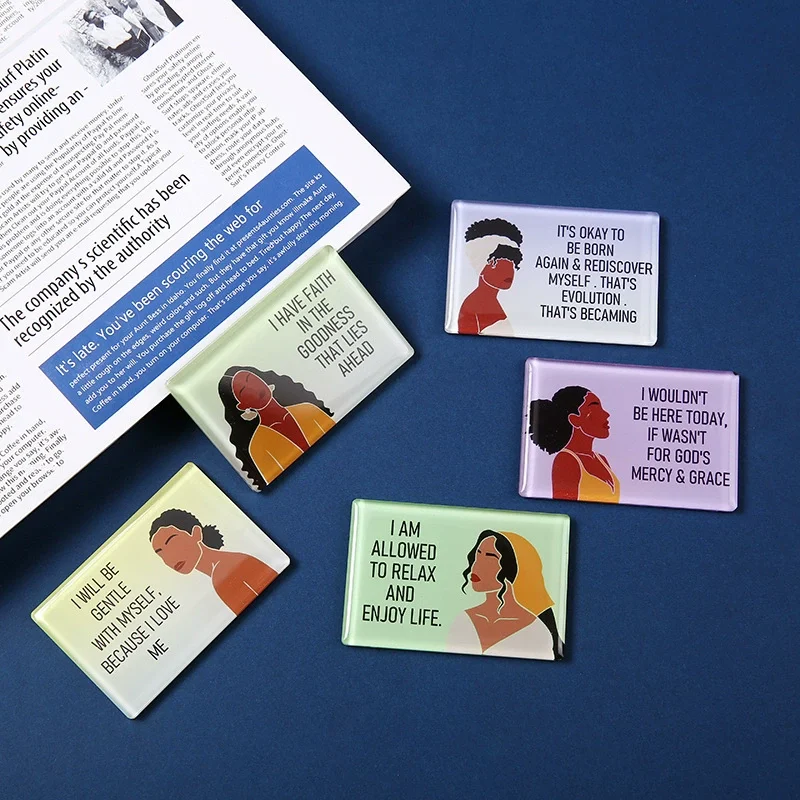
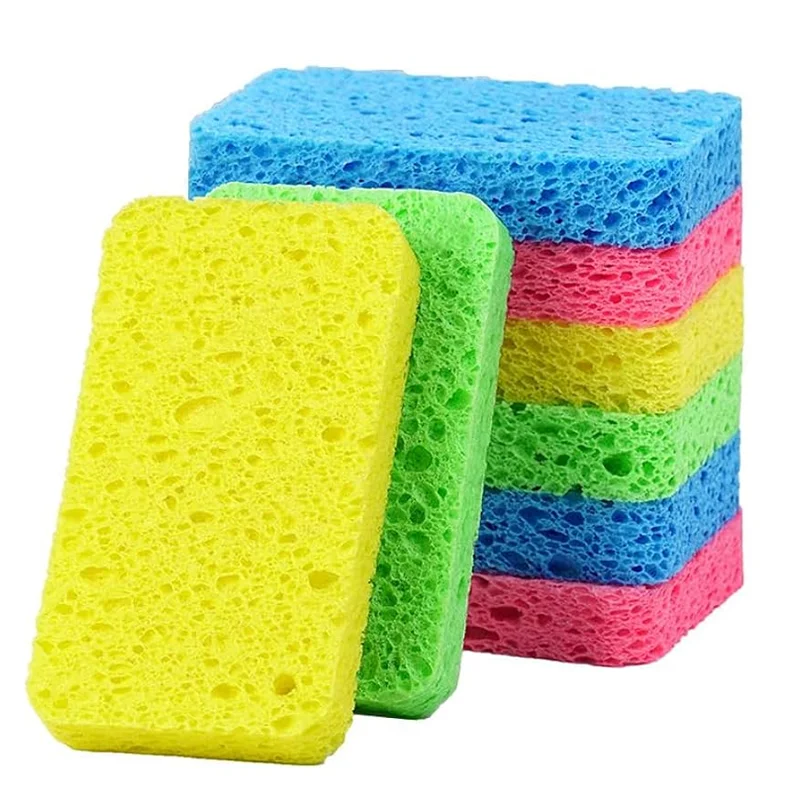
Examples of customizable products: Fridge magnets and cleaning sponges, which can be tailored in material, shape, size, and print.
Due Diligence Checklist & Next Steps
Before finalizing a supplier, conduct thorough due diligence. This process should move beyond website claims to verifiable evidence.
- Request Documentation: Ask for business licenses, factory audit reports (e.g., BSCI, Sedex), and product certification copies.
- Evaluate Communication: Gauge responsiveness, language proficiency, and technical understanding during the quotation process.
- Order Samples: Always test physical samples for quality, print fidelity, packaging, and overall feel. The sample confirmation process is a critical risk control method.
- Check References: Request contact information for long-term clients in similar markets or product categories. Look for case studies demonstrating established long-term cooperation.
- Clarify Terms: Ensure all details are in the contract: payment terms (e.g., T/T 30/70), delivery Incoterms, quality acceptance criteria (pre-shipment inspection), and liability for defects.
Conclusion: Building a Partnership, Not Just a Transaction
The most successful sourcing relationships in the printed gifts industry are built on transparency, shared goals, and verified performance. A supplier like Wenzhou Aha Craft Gifts Co., Ltd., which emphasizes a full-category product range and one-stop customization service, exemplifies a partner-oriented model. Their reported metrics, such as a 98% customer satisfaction rate compared to an industry average, highlight the importance of service quality alongside product capability.
By applying the structured evaluation framework in this guide—focusing on technical capabilities, operational scale, quality compliance, and proven market experience—buyers can systematically identify and partner with suppliers that are not just vendors, but strategic allies in bringing successful, customized printed gift products to market.