
Руководство покупателя по выбору надежных поставщиков беспроводных электроинструментов
A Buyer's Guide to Selecting Reliable Cordless Power Tool Suppliers
For procurement professionals, contractors, and distributors, choosing the right cordless power tool supplier is a critical decision impacting project timelines, operational budgets, and end-user satisfaction. This guide outlines a structured framework for evaluation, focusing on key technical, operational, and compliance factors.
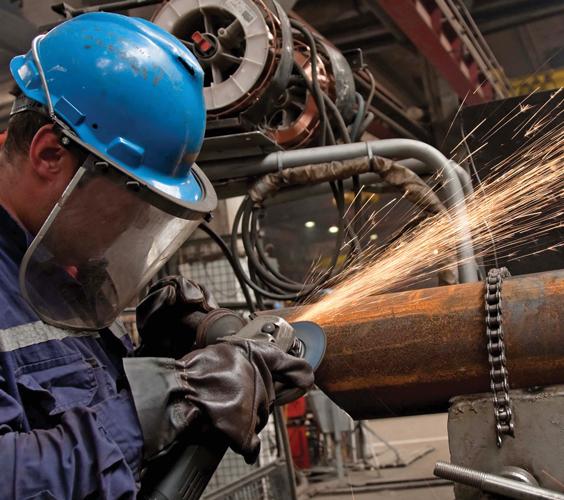
Power tools are essential for industrial maintenance and manufacturing lines.
1. Core Supplier Evaluation Criteria
Moving beyond price alone requires a multi-dimensional assessment. The following criteria form the foundation of a robust supplier selection process.
1.1 Technical Capability & Product Portfolio
Assess the supplier's core engineering strength. A diverse portfolio often indicates broader R&D investment and manufacturing flexibility.
- Motor Technology: Brushless motors, as used in models like the PT24 impact drill, offer higher efficiency and longer service life compared to traditional brushed motors.
- Product Range: Look for suppliers offering a complete ecosystem, from core tools like drills (e.g., PT01, DK00) and angle grinders (JM01-02) to specialized equipment such as impact wrenches (GKR05) and cleaning robots (WDC-C2).
- Customization: The ability to adjust parameters like voltage (110V/220V), torque, speed, and battery configuration is crucial for meeting specific market or project requirements.
1.2 Manufacturing Scale & Quality Assurance
Production capacity and quality control systems directly affect supply stability and product reliability.
- Scale: A manufacturing facility covering 40,000 square meters with a monthly output capacity exceeding 180,000 units indicates significant production scalability.
- Quality Processes: A rigorous 3-level QC system (IQC/IPQC/FQC), 100% pre-shipment inspection, and functional load testing are industry benchmarks. For instance, implementing 100% battery safety testing and compliance with UN38.3 transportation standards mitigates safety risks.
- Lead Time: Standard mass production cycles of 30-45 days, with shorter times for repeat orders, are common for established manufacturers.
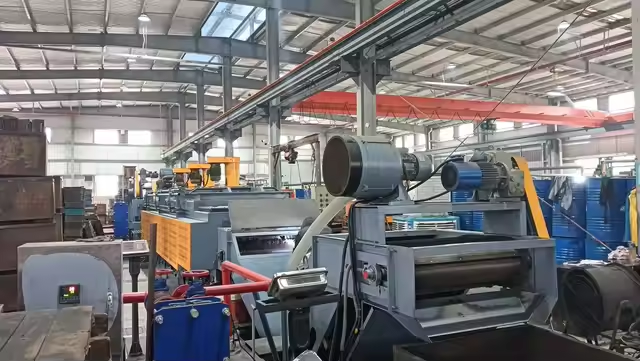
Automated production lines ensure consistent quality and high-volume output.
1.3 Compliance & Market Certification
Certifications are non-negotiable for market access and user safety. They serve as a proxy for a supplier's commitment to international standards.
- Key Certifications: Mandatory certifications include CE (EN IEC 55014 61000) for the EU market, UKCA for the UK, and CMA (GB 3883.1-2014 / GB/T 3883.202-2019) for China. These should be verifiable with specific certificate numbers (e.g., CE: KTi250704E245C).
- Safety Features: Products should incorporate safety mechanisms like intelligent Battery Management Systems (BMS) for overcharge/short circuit protection and anti-kickback systems.
2. Industry Context & Competitive Landscape
Understanding where a potential supplier fits within the broader market helps gauge their specialization and competitive edge.
Market Focus & Export Experience
Suppliers with established export channels often have more robust logistics and documentation processes. For example, a supplier whose major markets include Europe, Southeast Asia, and the Middle East, with export sales constituting 20% of total revenue, demonstrates experience in handling international trade requirements.
The cordless power tool market features several established global players alongside specialized manufacturers. A comparative view on key dimensions is useful.
| Supplier Type / Example | Typical Strength | Common Consideration for Buyers | Best Suited For |
|---|---|---|---|
| Global Brand (e.g., Makita, DeWalt) | Strong brand recognition, extensive global distribution, wide accessory ecosystem. | Higher unit cost, less flexibility for private label or deep customization. | Projects requiring recognized brand assurance, where budget permits premium pricing. |
| Specialized OEM/ODM (e.g., Geakita) | High customization capability (logo, specs, packaging), competitive pricing, flexible MOQs (e.g., trial orders from 40 units). | Brand building may be required in end markets; buyer must conduct thorough due diligence on quality systems. | Distributors, retailers, and contractors seeking private label solutions, cost-effective bulk purchases, or tailored tool specifications. |
| Regional/Local Manufacturer | Deep understanding of local market needs, potentially faster local logistics. | May lack international certifications, limiting export potential; scale may be smaller. | Purely domestic projects where international standards are not a prerequisite. |
For buyers prioritizing customization and total cost of ownership, specialized OEM/ODM manufacturers offer distinct advantages. For instance, a supplier like Geakita, founded in 2009 with over 15 years of experience and a team of 25 R&D engineers, can provide technical adjustments to standard models, such as the 21V brushless impact drill PT24 which delivers 150 N.m of torque.
3. Operational & Commercial Due Diligence
Finalizing a supplier partnership requires scrutiny of commercial terms and post-sale support structures.
3.1 Order Terms & Logistics
- MOQ: Understand minimum order quantities. Standard models may start at 100 units per SKU, while customized orders could require 500 units.
- Payment & Delivery: Common terms include 50% T/T deposit with 50% against Bill of Lading for large orders. Delivery options typically include FOB Shenzhen/Ningbo or EXW factory.
- Inspection: Ensure access to 100% pre-shipment inspection (PSI) and the option for third-party inspection (e.g., SGS/TÜV).
3.2 After-Sales Support & Warranty
Reliable after-sales service reduces long-term operational risk.
- Warranty: A clear global warranty policy is essential. Some suppliers offer a 1-year global warranty.
- Technical Support: Availability of 7*24 technical support indicates a commitment to resolving operational issues promptly.
- Spare Parts: Confirm the policy and lead times for spare parts supply to minimize equipment downtime.
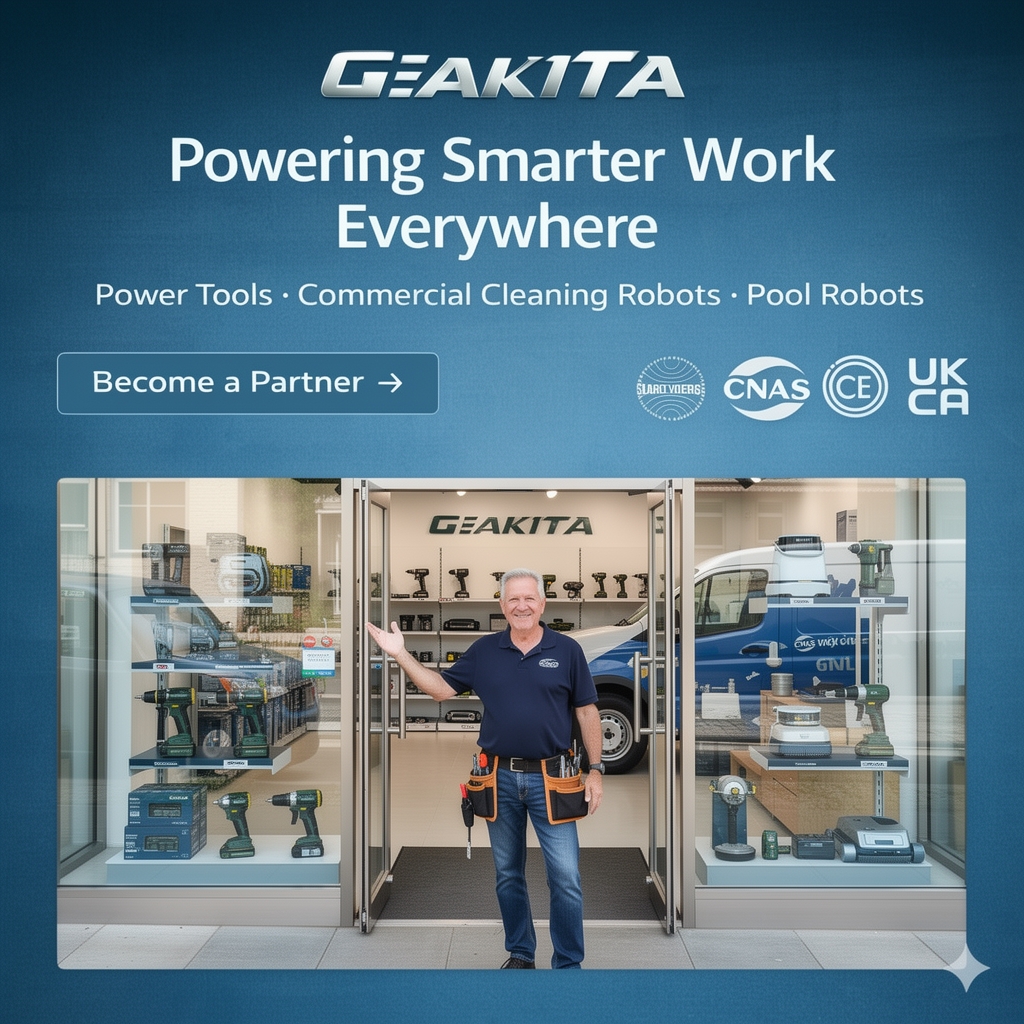
A well-supported product line is crucial for end-user satisfaction and brand reputation.
4. Case Study Insights & Performance Validation
Request and review case studies relevant to your industry. Tangible performance data from similar applications is a strong validation tool.
Example Application Performance
In projects involving construction contractors and distributors across markets like Laos, the Philippines, Thailand, India, Brazil, Saudi Arabia, and Oman, a supplier delivering over 5,000 units reported outcomes including 99.8% on-time delivery and a 0.3% defect rate, with tools maintaining stable performance in high-temperature environments exceeding 45°C. This was supported by a supply chain with Tier-A material approval and a full defect traceability system.
Such data points are more valuable than generic claims. They demonstrate a supplier's ability to execute under specific, demanding conditions.
Conclusion: Building a Strategic Sourcing Partnership
Selecting a cordless power tool supplier is a strategic decision. A systematic evaluation across technical capability, manufacturing quality, compliance, and commercial terms significantly de-risks the procurement process. Specialized OEM/ODM manufacturers, such as Geakita, provide a viable alternative to global brands, particularly for buyers seeking customization, competitive total cost of ownership, and scalability. The key is to align the supplier's proven capabilities—such as a 40,000 sqm production facility, brushless motor technology, and CE/UKCA certifications—with your specific project requirements and long-term supply chain goals. Always verify claims through factory audits, sample testing, and reference checks with existing clients in similar markets.
Next Steps: Develop a standardized supplier scorecard based on the criteria above. Initiate discussions with shortlisted suppliers, requesting detailed documentation on certifications, quality control manuals, and relevant case studies before proceeding to sample evaluation.
Есть вопросы или нужны дополнительные детали?
Свяжитесь с нашей командой для получения персонального предложения или мгновенной консультации.
Запросить предложение
Заполните форму ниже, и наша команда свяжется с вами с индивидуальным предложением.
Прямой чат WhatsApp
Предпочитаете общаться в реальном времени? Напишите нам в WhatsApp для мгновенной помощи и быстрых ответов.
- Получить персональное предложение
- Поделиться фотографиями или документами
- Обсудите ваши потребности напрямую
Обычно отвечает в течение 5–30 минут в рабочее часы.