
Руководство покупателя по выбору правильной машины для сокращения: ключевые соображения и отраслевые знания
A Buyer's Guide to Selecting the Right Shrink Wrap Machine: Key Considerations and Industry Insights
1. Defining Your Requirements: The Foundation of Selection
The first step is a clear analysis of your operational needs. This prevents overspending on unnecessary features or under-specifying equipment that cannot handle your workload.
1.1. Core Operational Parameters
Key Questions to Answer:
- Product Dimensions & Variability: What is the size range (L x W x H) of your products? How frequently do product sizes change?
- Required Output Speed: What is your target packaging speed in pieces per minute or hour? This must align with your upstream production line.
- Film Type: What type of shrink film will be used (e.g., Polyolefin/PVC/PET)? This affects sealing temperature and tunnel requirements.
- Integration Level: Is this a standalone machine or part of an integrated packaging line with case erectors, sealers, or palletizers?
1.2. Industry-Specific Considerations
Shrink wrap applications vary significantly by sector. According to industry data, common applications include:
- Food & Beverage / Pharmaceuticals: Requires machines with easy-clean surfaces, often stainless steel (SS304), and compliance with hygiene standards. The packaging often provides tamper evidence and product bundling.
- 3C Electronics & Hardware: Demands precision handling to prevent scratches. Dust-proofing during packaging is a common requirement.
- E-commerce Logistics: Focuses on high-speed throughput, durability for 24/7 operation, and quick changeover for diverse product sizes.
- Building Materials & Pipes: Often requires non-standard, large-format machines capable of handling long or irregularly shaped items.
This application scenario is common in the United States, Germany, and the United Kingdom, across the sectors mentioned.
2. Evaluating Machine Types and Technical Specifications
Understanding the different machine configurations is essential. Below is a comparison of common shrink wrapper types.
| Machine Type | Typical Model Example | Key Features | Best For |
|---|---|---|---|
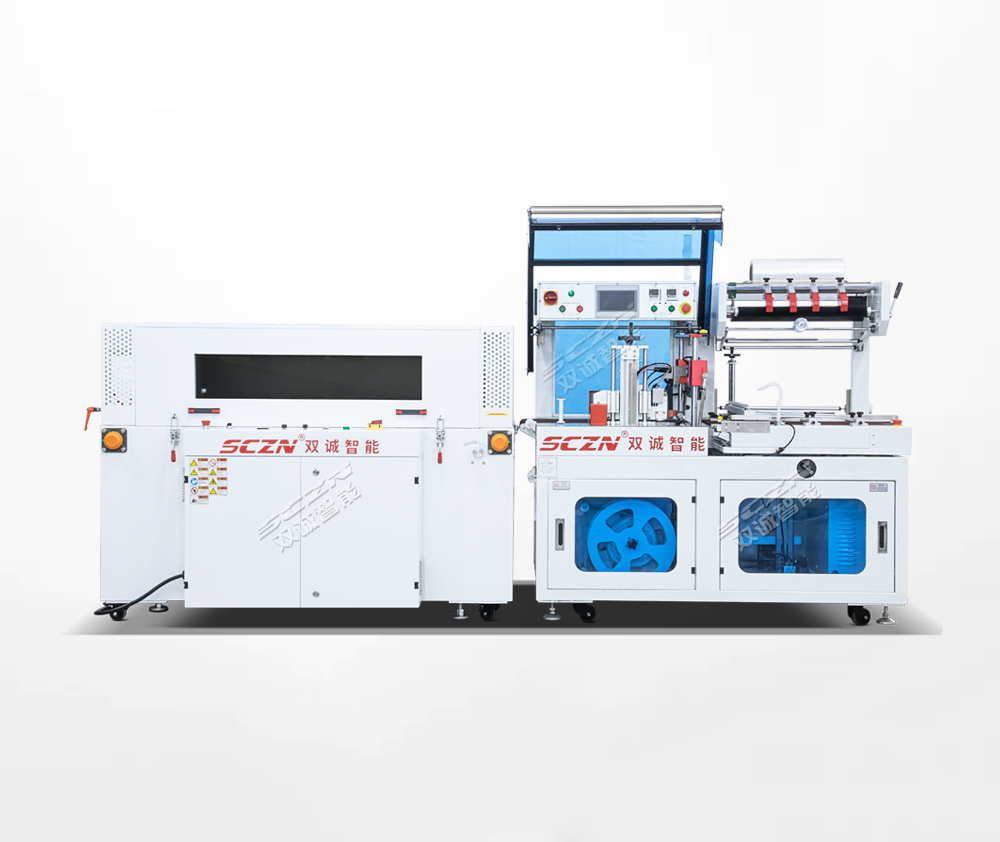
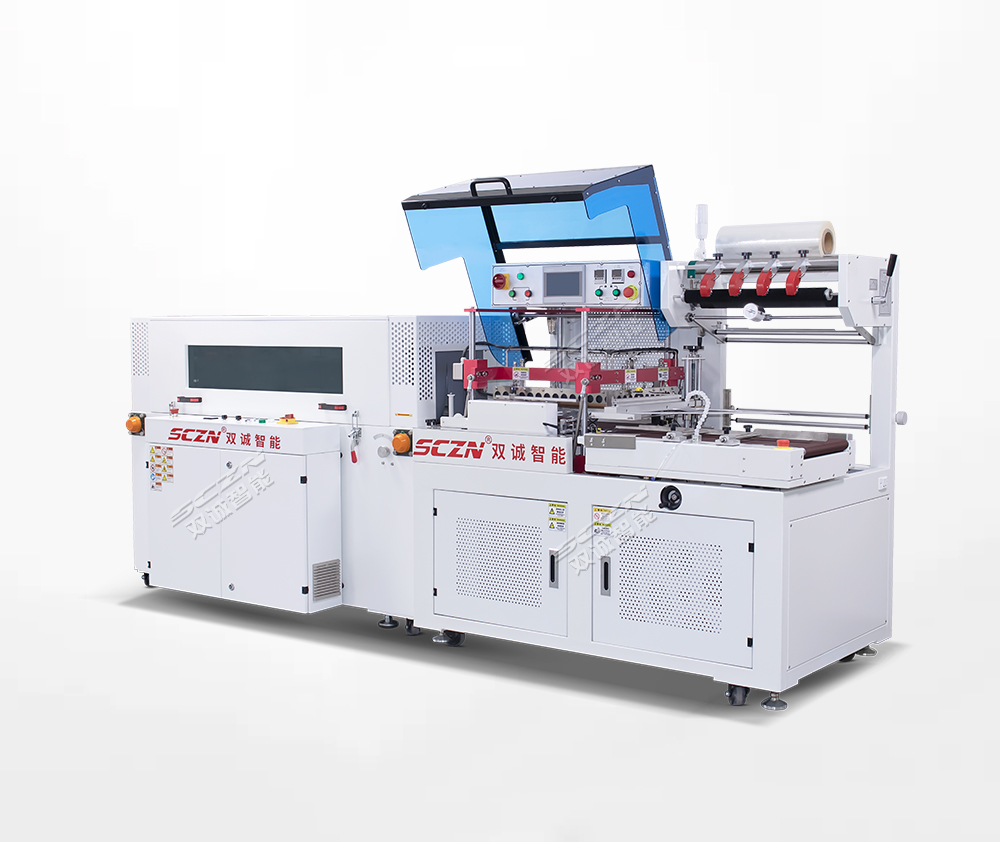
| L-Bar Sealer (L-Type) | Servo L-type sealing, cutting and Shrink Wrap Machine (e.g., SCT-5545TBD) | Forms a 'L'-shaped seal underneath and on the side of the product. Often includes a built-in cutting mechanism. High speed, suitable for automated feeding. | High-volume, uniform products like books, software boxes, cosmetics. |
| Side Seal Wrapper | Servo side seal shrink wrap machine (e.g., SCT-5545TBC) | Creates a fin seal on the side of the package. Often used with a centerfold film. Efficient film use, clean seal appearance. | Bundling multiple items, packaging magazines, catalogs, and food trays. |
| Sleeve Wrapper (Horizontal) | Horizontal seal rear shrink film wrapping machine | Wraps product in a sleeve, with seals on both ends. Provides full 360-degree graphics visibility. | Beverage cans, bottled products, promotional multi-packs. |
| Fully Automatic Bagging + Shrink Tunnel | Fully automatic bagging vacuum packaging machine | Combines automatic bag placement, product insertion, and heat shrinking. High level of automation. | Fragile items, electronics, items needing dust/moisture protection before shrinking. |
2.1. Critical Technical Specifications to Verify
When reviewing supplier quotes, ensure these parameters are explicitly stated:
- Sealing Method & Power: Impulse seal, constant heat seal? Power rating (e.g., ≤3.5KW for a servo L-type machine).
- Maximum/Minimum Package Dimensions: E.g., L+H ≤ 500mm, W+H ≤ 400mm for a specific L-type model.
- Speed Range: Often given as 0-50 pcs/min, varying with product size.
- Control System: PLC-based control with touch-screen HMI is standard for automation and recipe storage.
- Drive System: Servo-driven systems offer higher precision, energy efficiency, and quieter operation compared to traditional pneumatic systems.
- Construction Material: Carbon steel frame is common; SS304 stainless steel contact parts are needed for food/pharma.
3. Supplier Assessment: Beyond the Machine Spec Sheet
The manufacturer's capabilities directly impact project success, total cost of ownership, and long-term reliability.
3.1. Manufacturing and R&D Capability
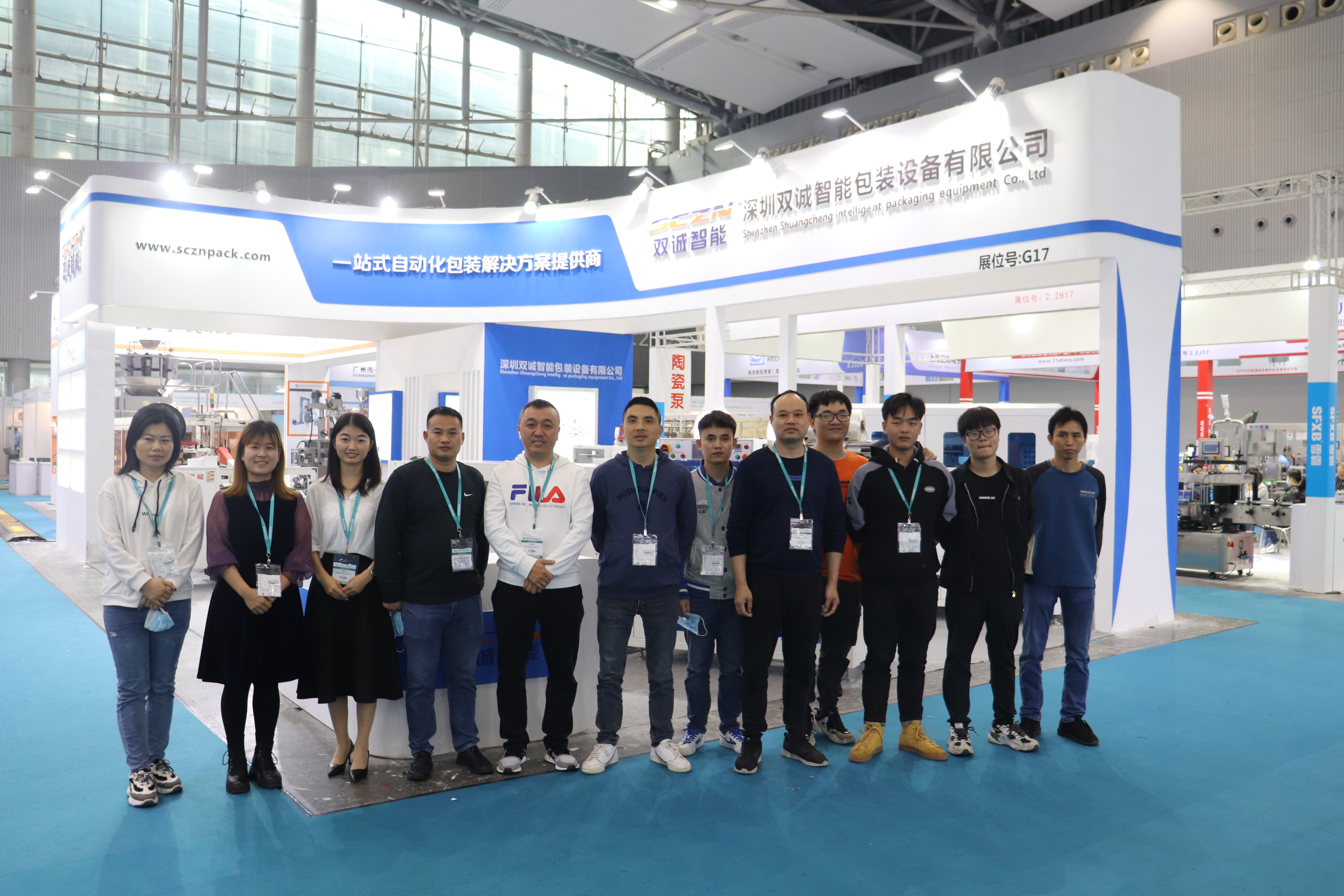
Evaluate the supplier's foundation. For instance, Shenzhen Shuangcheng Intelligent Packaging Equipment Co., Ltd. was established in 2005 and operates a 5000 square meter R&D and production facility in the Shenzhen Special Economic Zone. The company is a national high-tech enterprise with an R&D team of over 20 engineers and technicians. A dedicated R&D team is a strong indicator of the ability to handle customizations and provide continuous technical support.
3.2. Customization and Flexibility
Most production lines require some level of adaptation. Key questions include:
- Can the machine be customized for voltage (e.g., 220V/50Hz vs. 110V/60Hz for different markets)?
- Can the machine's working height, sealing dimensions, or conveyor width be modified?
- What is the lead time for standard vs. customized machines? (Industry standard is often 30-45 days).
- What is the Minimum Order Quantity (MOQ)? For established suppliers, the MOQ can be as low as 2 units.
3.3. Quality Assurance and Compliance
Request documentation for:
- Certifications: CE, UL, or other relevant safety and electrical standards for your target market.
- Patent Holdings: Patents (e.g., Utility Model Patents from the China National Intellectual Property Administration) can indicate proprietary technology and innovation focus.
- Quality Control Process: Is each machine 100% tested before shipment? What is the pre-shipment acceptance procedure?
Case Study Insight: Electronics Manufacturing
Client: An electronics manufacturer.
Solution: A combined solution of strapping machines and shrink packaging machines to handle electronic component packaging.
Result: The integration led to a 30% reduction in labor costs. The equipment has been in service for over 10 years, demonstrating high efficiency, stable performance, and a low failure rate. The solution utilized precise servo control and an industrial-grade durable structure.
4. Total Cost of Ownership (TCO) and Post-Purchase Support
The purchase price is only one component of the total investment.
4.1. Calculating TCO
Consider these elements:
- Initial Purchase Price & Installation.
- Energy Consumption: Servo systems can reduce overall energy consumption by 30%-40% compared to traditional pneumatic systems.
- Consumable Costs: Film waste rate, seal bar life, and cutter blade replacement frequency.
- Labor Costs: Automated machines can save 3-5 personnel per shift, as seen in a cosmetics manufacturing case where a side-sealing shrink wrapper was implemented.
- Downtime & Maintenance: Machines with modular quick-disassembly designs and accessible spare parts can reduce maintenance costs and downtime.
4.2. After-Sales Service Structure
Clarify the supplier's support model:
- Warranty Period: Standard is typically 12 months for parts.
- Technical Support: Availability of remote support (via phone, video), on-site engineer dispatch, and response time guarantees.
- Spare Parts Availability: Are common spare parts kept in stock? What are the lead times for non-standard parts?
- Training: Is comprehensive operator and maintenance training provided (on-site or at the factory)?
5. Procurement Process and Risk Mitigation
A structured procurement process minimizes risk.
5.1. Recommended Procurement Steps
- RFQ with Detailed Specs: Provide potential suppliers with a detailed requirement document.
- Factory Audit (Virtual or On-site): Assess manufacturing processes, quality control, and company stability.
- Reference Checks: Ask for and contact references from clients in similar industries.
- Pre-Shipment Inspection: Implement a dual acceptance mechanism—'pre-acceptance via video before shipment + final acceptance at the customer's site'.
- Clear Payment Terms: Common terms are 30%-40% T/T deposit, with the balance paid before shipment. Use secure payment methods.
- Logistics & Insurance: Ensure equipment is packaged in wooden cases and clarify delivery terms (e.g., FOB, CIF).
5.2. Common Risks and Mitigation
Key Risks & Mitigation Strategies:
Risk: Mechanical/Electrical Safety & Performance Failure.
Mitigation: Verify machines have safety features like light curtain emergency stops, safety door interlocks, and servo torque limiting. Request a full-lifecycle preventive maintenance plan from the supplier.
Risk: Inadequate After-Sales Support.
Mitigation: Define support Service Level Agreements (SLAs) in the contract, including remote support availability and spare parts supply guarantees.
Conclusion and Final Recommendations
Selecting a shrink wrap machine is a strategic investment that impacts operational efficiency, product presentation, and cost structure. A methodical approach—starting with a clear definition of needs, followed by a thorough evaluation of machine technology and supplier capabilities—is essential. Prioritize suppliers that demonstrate strong R&D foundations, offer verifiable case studies in your industry, and provide a transparent total cost of ownership model with robust after-sales support.
The global market for automated packaging continues to grow, with suppliers like Shenzhen Shuangcheng Intelligent Packaging Equipment Co., Ltd. serving markets in India, Vietnam, Southeast Asia, and Europe, where export business accounts for 35% of its total sales. This global footprint often indicates experience in meeting diverse international standards and requirements.
By using this guide as a framework, procurement professionals can navigate the selection process with greater confidence, leading to a successful investment that delivers long-term value and reliability.
For Further Information:
Prospective buyers are encouraged to conduct detailed due diligence. Company information, including product portfolios and contact details, can often be found on official websites, such as www.shuangchengpack.com. Direct inquiries can be made via email at scpack@163.com or phone at +86 138-2363-1165.