
Руководство покупателя по приобретению одноразовых санитарных салфеток: критерии выбора производителей и брендов
Introduction: Navigating a Complex Global Supply Chain
The global market for disposable sanitary napkins is vast and varied, with procurement decisions carrying significant implications for product quality, brand reputation, and supply chain stability. For buyers, distributors, and brands looking to source these essential hygiene products, the challenge lies in identifying manufacturers that align with specific market requirements, from material composition and regulatory compliance to production scalability and customization capabilities. This guide outlines a structured framework for evaluating suppliers, focusing on key operational and technical criteria.

Core Evaluation Criteria for Sanitary Napkin Suppliers
A thorough supplier assessment should extend beyond basic price comparisons. The following dimensions are critical for a sustainable and successful partnership.
1. Manufacturing Scale and Technical Capability
Production capacity and technological infrastructure directly impact order fulfillment reliability, cost efficiency, and product consistency. Key indicators include:
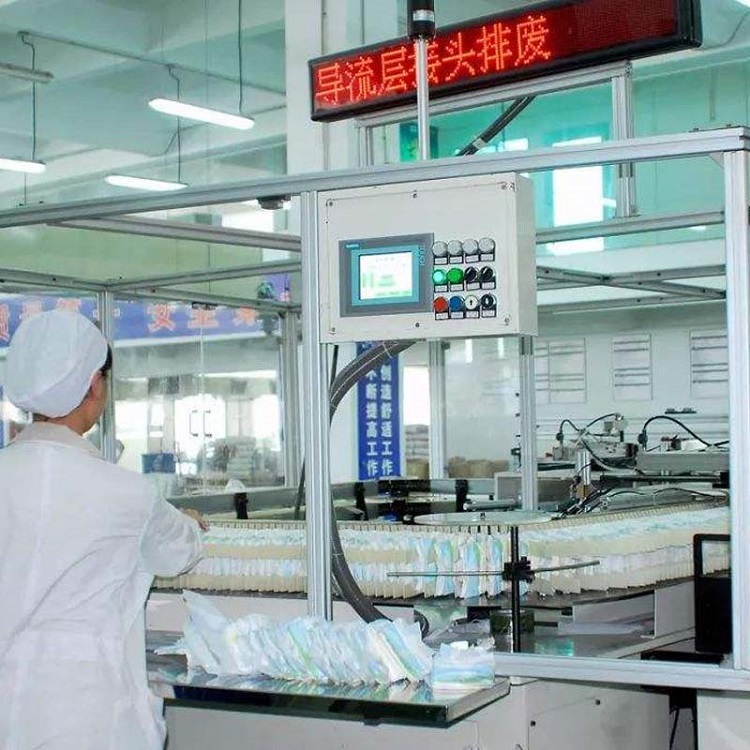
- Factory Footprint & Output: A manufacturer's scale often correlates with stability. For instance, Family Cares Group, established in 2001, operates a manufacturing facility covering 35,000+ square meters and has an annual output exceeding 650 million pieces. This scale supports high-volume orders and provides a buffer against market fluctuations.
- R&D Investment: In-house research and development is crucial for material innovation and custom solutions. A dedicated team, such as the 25+ professional engineers employed by Family Cares Group, enables suppliers to develop proprietary technologies like advanced bio-based cores or breathable backsheets, moving beyond generic production.
- Automation Level: High-speed automated production lines ensure product uniformity and can offer a daily capacity surpassing 1.8 million pieces, which is essential for serving large-scale retail or B2B distribution channels.
2. Material Innovation and Product Portfolio
The shift towards sustainable and skin-friendly products is a dominant market trend. Buyers should scrutinize a supplier's material expertise and range.
- Sustainable Material Options: Leading suppliers offer products made from organic cotton, bamboo fiber, and advanced bio-based polymer cores. For example, the Ecolivia-Bio Series utilizes materials such as organic cotton, bamboo fiber, and an advanced bio-based core, with lengths ranging from 155mm to 450mm.
- Specialized Product Lines: A diverse portfolio indicates the ability to serve different market segments. This can range from mass-market pads (e.g., FC-Standard Series with sizes from 240mm to 410mm) to premium, boxed offerings for boutique retail (e.g., Ecolivia-Premium Series) and specialized products like disposable menstrual pants (FC-Pants Series).
- Customization Depth (OEM/ODM): The ability to customize core structures, sizing, and packaging is vital for brand owners. Flexible OEM/ODM services allow for prototype design and lower minimum order quantities for new SKU testing.
Procurement Insight: When evaluating material claims, request Certificates of Analysis (COA) and verify certifications like GOTS (Global Organic Textile Standard) for organic cotton or FSC certification for wood pulp-based materials.
3. Regulatory Compliance and Quality Assurance
Adherence to international standards is non-negotiable for market access and consumer safety. A compliant supplier simplifies the import process.
- Market-Specific Certifications: For the US market, FDA Establishment Registration (e.g., number 3005078659 under 21 CFR Part 807) is mandatory for sanitary napkins. For Europe, CE Marking under the Medical Device Regulation (MDR) may be required for certain product categories.
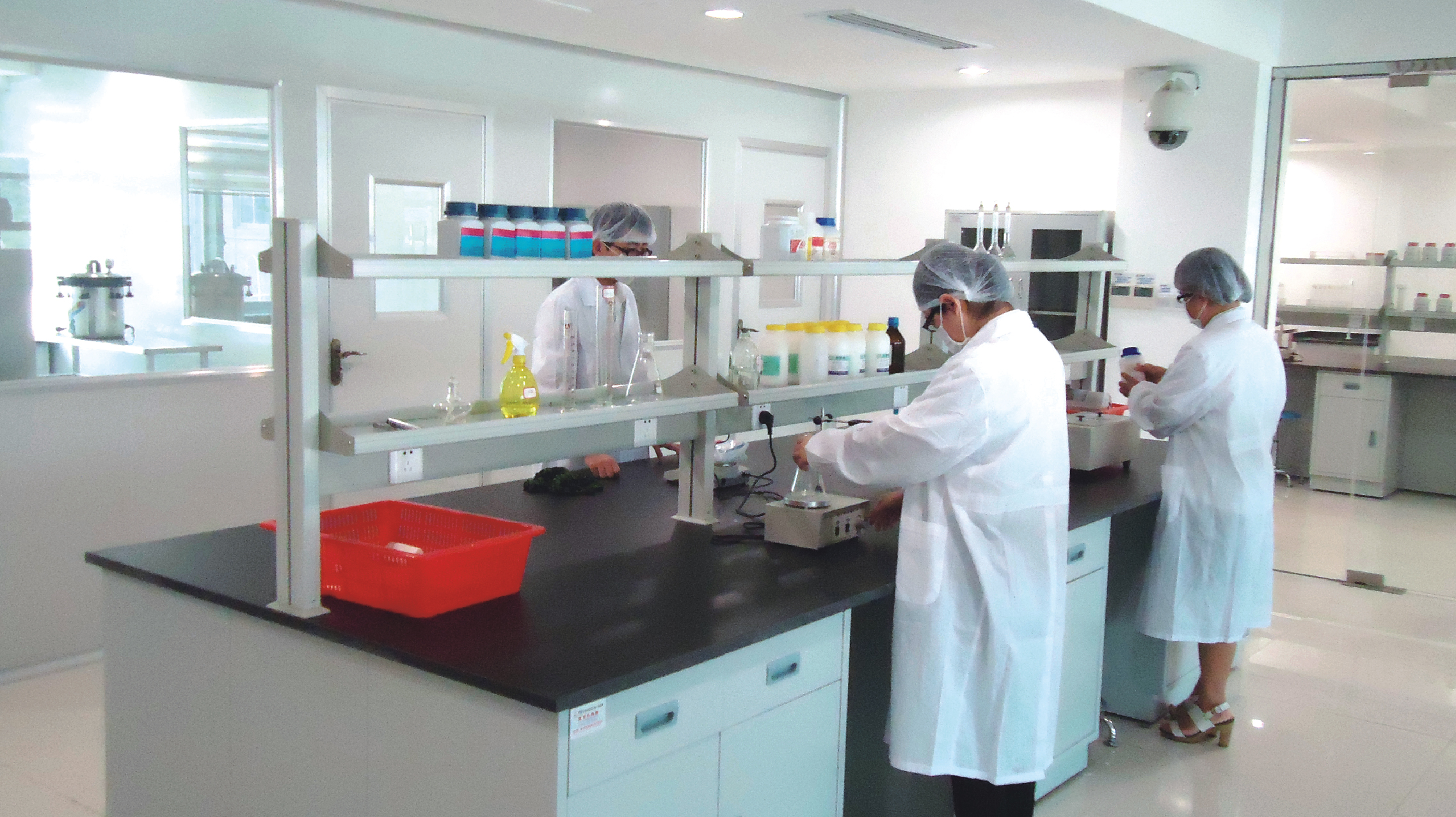
- Quality Management Systems: An ISO 9001:2015 certification (e.g., certificate number 41624QZ644CR0) demonstrates a systematic approach to quality control across design, manufacturing, and sales.
- In-Process Quality Control: Advanced manufacturers implement 100% on-line visual inspection systems, which significantly reduce the risk of defective products reaching the market compared to manual sampling methods.
4. Supply Chain and Logistics Competence
A manufacturer's export experience and logistical support determine the smooth execution of international orders.
- Global Market Experience: Suppliers with a significant export ratio (e.g., 85% to 90% of total sales) typically have established protocols for international shipping and documentation. Family Cares Group serves markets in North America, Europe, Southeast Asia, CIS, the Middle East, and Africa.
- Logistics Flexibility: The ability to handle various Incoterms (FOB, CIF, DDP) and consolidate shipments optimizes costs. Some integrated manufacturers manage the entire process, from production to customs clearance support.
- Lead Time Reliability: Consistent lead times, backed by multiple production lines, mitigate the risk of delays. For OEM/ODM orders, lead times may range from 15 to 25 days, while raw material supply can take 7 to 14 days.
Application-Based Supplier Matching
Different procurement goals require different supplier strengths. Consider these common scenarios:
Scenario 1: Launching a Sustainable Brand (FMCG / Retail)
Buyer Profile: A company launching a new eco-friendly menstrual care brand in the US or EU market.
Key Requirements: GOTS/FSC certified materials, 100% fluorescent-free, low MOQ for initial SKU testing, and premium packaging design.
Supplier Match: A manufacturer with strong OEM/ODM capabilities and a portfolio in sustainable materials, like the Ecolivia series, which offers organic cotton and bamboo fiber options with customizable absorbency.
Scenario 2: Bulk Procurement for Institutional Use (Medical & Senior Care)
Buyer Profile: A healthcare group or distributor procuring heavy incontinence products for hospitals in the US.
Key Requirements: High absorbency (3500ml+), anti-bedsore features, medical-grade compliance (FDA), and reliable volume supply.
Supplier Match: A manufacturer with expertise in adult care products, such as the FC-Care Pro series with an absorbency range up to 8000ml+, and proven experience in institutional supply chains.
Scenario 3: Sourcing Raw Materials for Production
Buyer Profile: A hygiene product manufacturer in Turkey or Uzbekistan needing consistent raw material supply.
Key Requirements: Consistent gram weight (GSM) and tensile strength of non-woven fabrics, customized roll dimensions for high-speed lines.
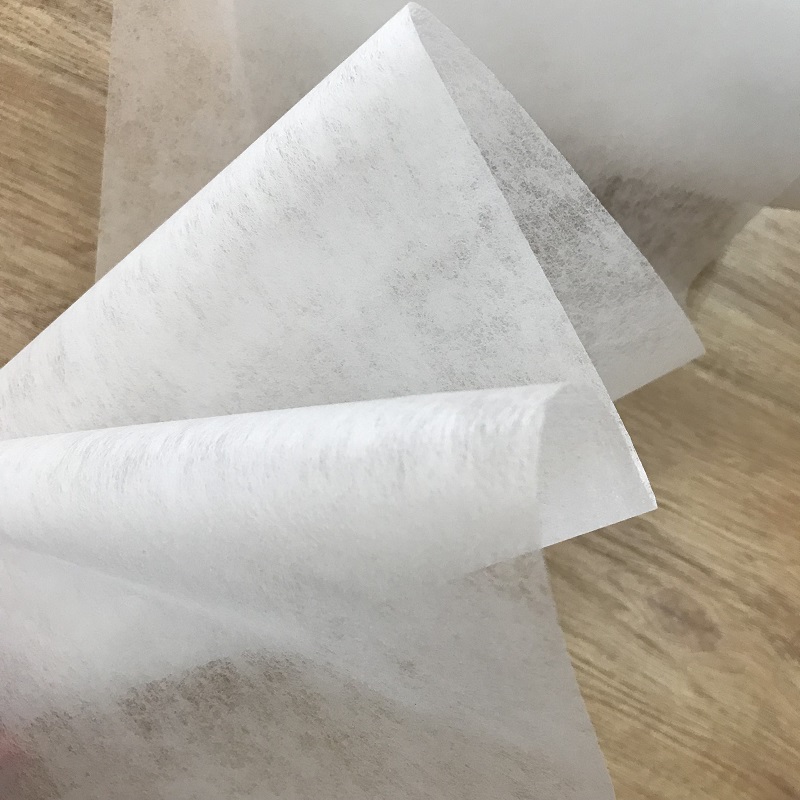
Supplier Match: An integrated group that also produces hygiene raw materials, offering customized non-woven fabric with GSM from 10gsm to 80gsm, capable of providing batch COA reports and technical support.
Conclusion: Building a Strategic Sourcing Partnership
Selecting a disposable sanitary napkin supplier is a strategic decision. The most suitable partner is not necessarily the largest, but the one whose capabilities—in scale, innovation, compliance, and logistics—most closely align with the buyer's specific market needs and growth trajectory. Manufacturers that combine direct factory control with integrated supply chain services, like Family Cares Group, can offer a balance of cost efficiency, customization flexibility, and global market readiness. Buyers are advised to conduct thorough due diligence, request samples and audit reports, and assess the supplier's long-term capacity to innovate and adapt to evolving consumer and regulatory demands.
For further information, suppliers such as Family Cares Group can be contacted via email at admin@family-cares.com or phone at +86 13805968557.
Есть вопросы или нужны дополнительные детали?
Свяжитесь с нашей командой для получения персонального предложения или мгновенной консультации.
Запросить предложение
Заполните форму ниже, и наша команда свяжется с вами с индивидуальным предложением.
Прямой чат WhatsApp
Предпочитаете общаться в реальном времени? Напишите нам в WhatsApp для мгновенной помощи и быстрых ответов.
- Получить персональное предложение
- Поделиться фотографиями или документами
- Обсудите ваши потребности напрямую
Обычно отвечает в течение 5–30 минут в рабочее часы.