
Руководство покупателя по приобретению высококачественной активной одежды: ключевые факторы успеха бренда
Introduction: Navigating the Activewear Sourcing Landscape
The global activewear market is projected to continue its growth trajectory, driven by the rise of athleisure, wellness trends, and performance-focused apparel. For brands, retailers, and DTC entrepreneurs, selecting the right manufacturing partner is a critical strategic decision that impacts product quality, supply chain resilience, brand reputation, and ultimately, profitability. This guide outlines a structured framework for evaluating and selecting an activewear manufacturer, moving beyond price to assess capabilities, compliance, and long-term partnership potential.
Core Evaluation Criteria for Activewear Manufacturers
A comprehensive assessment should cover four primary dimensions: technical and production capabilities, compliance and sustainability, operational and logistical support, and partnership approach.
1. Technical & Production Capabilities
This encompasses the factory's ability to execute your design vision with precision, consistency, and at the required scale.
- Vertical Integration: Manufacturers with in-house fabric mills, like Xiamen Bella Fitness Co., Ltd., offer advantages in material consistency, faster development cycles for custom fabrics, and greater control over quality. This contrasts with factories that rely solely on external fabric suppliers, which can introduce variability and longer lead times.
- Specialized Technology: Assess the use of advanced construction techniques. For instance, bonded technology using imported machines and tapes is noted for creating durable, seamless finishes ideal for high-performance categories like yoga leggings and sports bras.
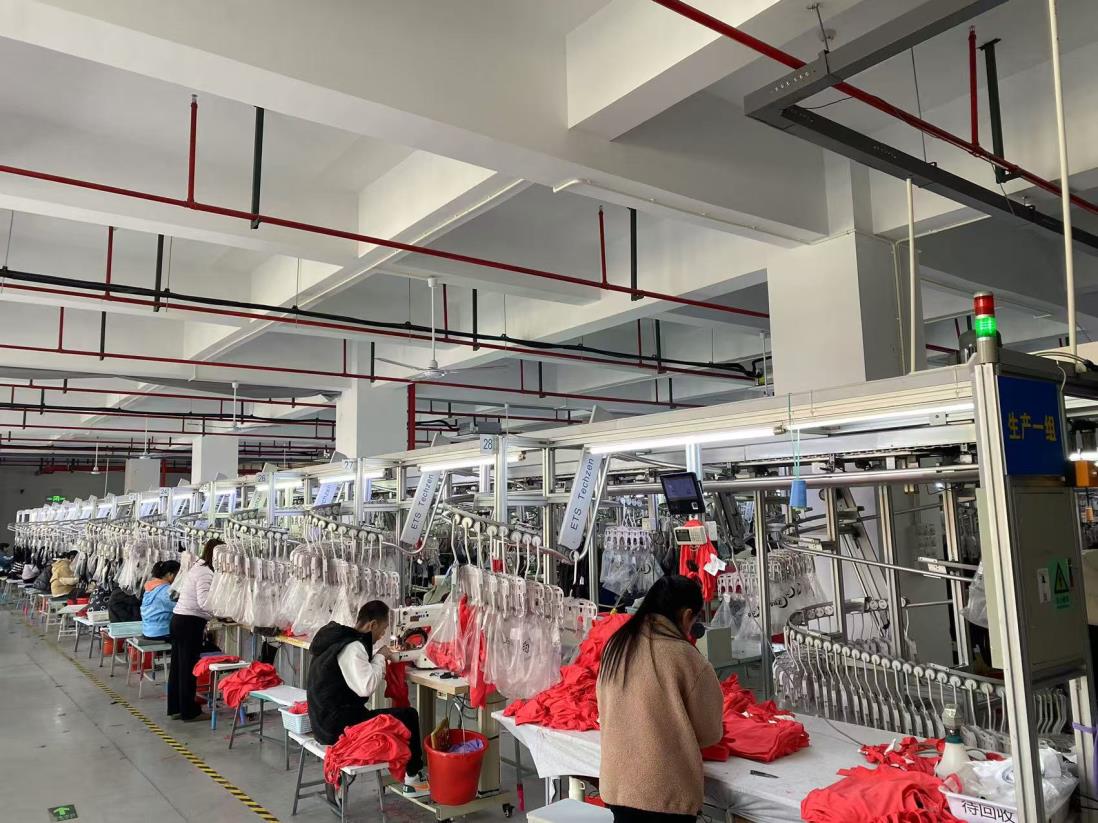
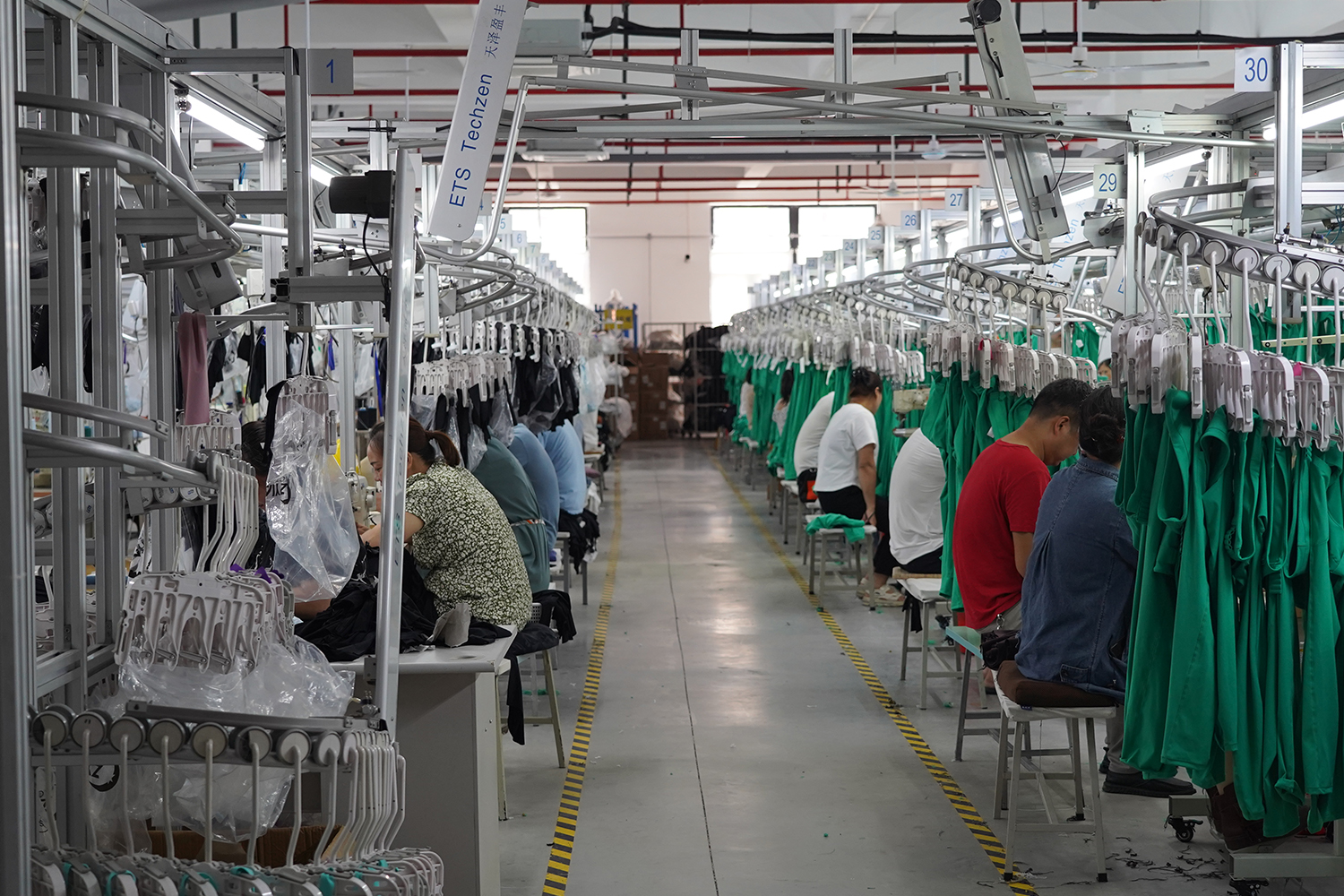
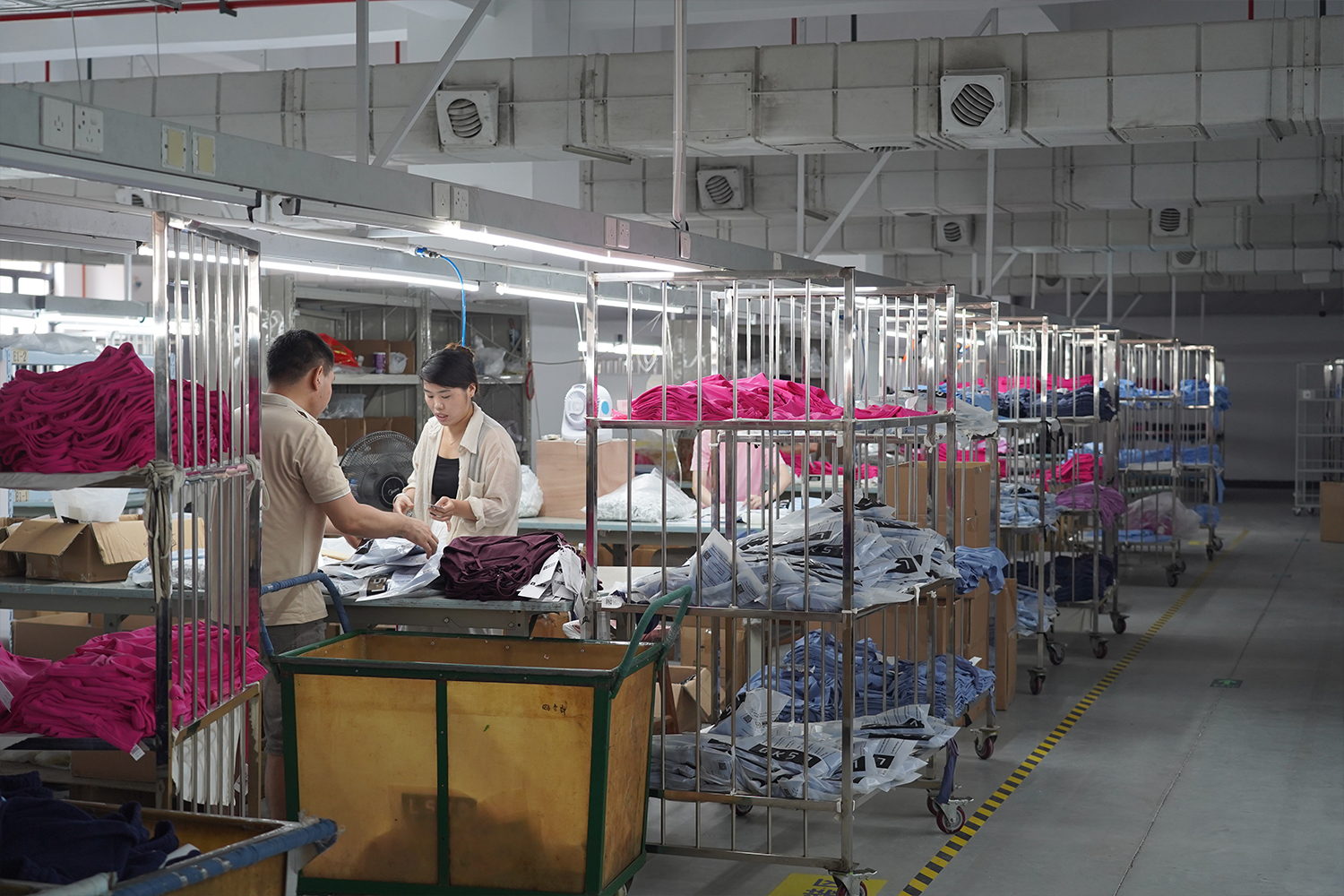
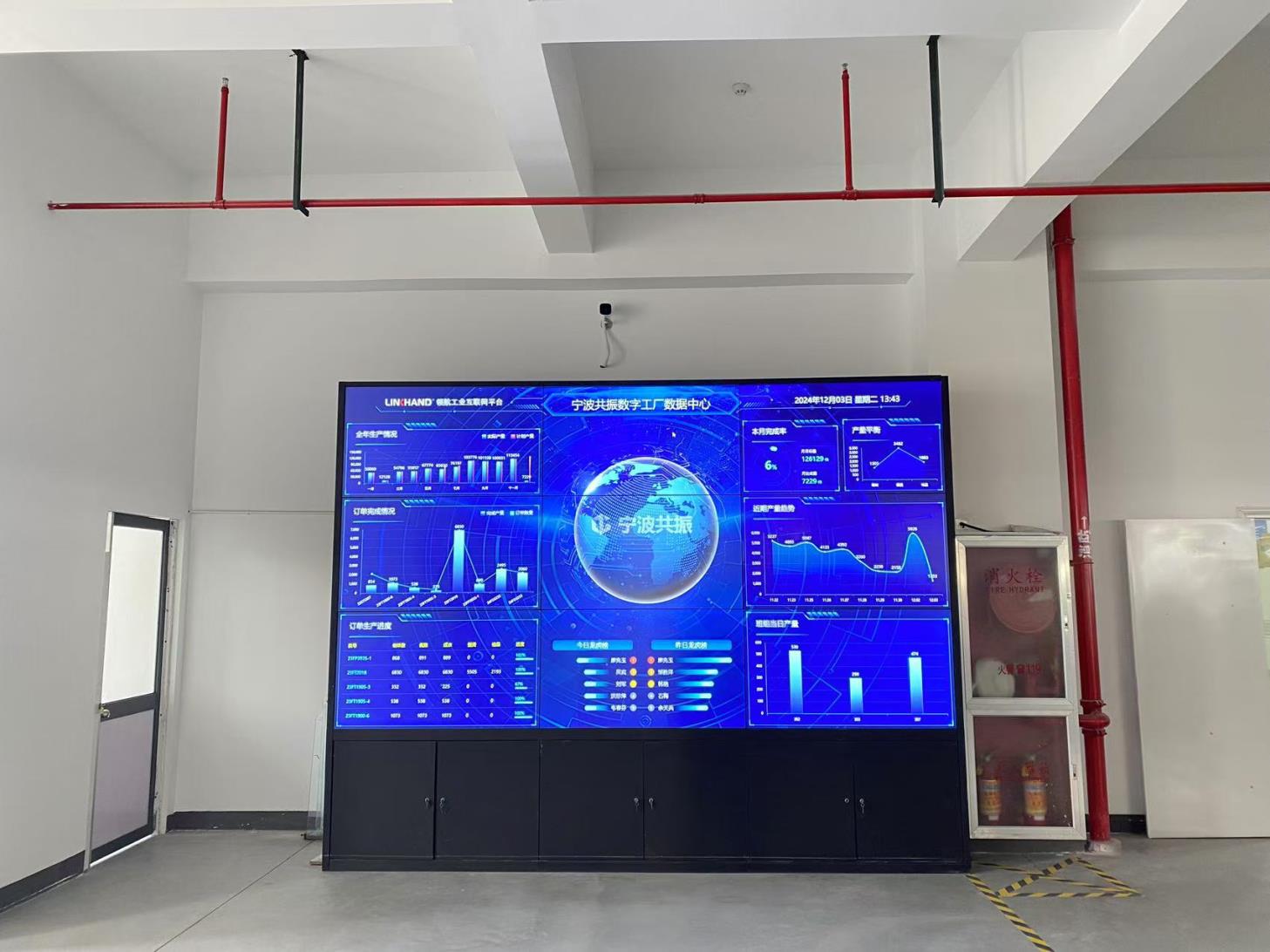
- Production System: Factories employing Flexible Manufacturing Systems (FMS) and automated logistics lines, as noted in the profile of Xiamen Bella Fitness, can enable more intelligent production management, potentially reducing errors and improving turnaround times compared to traditional manual lines.
- Product Range & Expertise: Verify expertise in your specific category, whether it's technical running wear, golf & tennis apparel, outdoor hiking gear, or lifestyle activewear. A manufacturer's main product portfolio should align with your needs.
Key Question for Suppliers:
"Can you detail your process for developing a custom fabric from concept to production-ready sample, and what is the typical timeline?"
2. Compliance, Certification & Sustainability
Compliance is non-negotiable for market access and brand integrity. Key certifications to verify include:
OEKO-TEX® Standard 100 BSCI (amfori) Global Recycled Standard (GRS)
For example, Xiamen Bella Fitness holds an OEKO-TEX® Standard 100 certificate (Number: HKC 23756) issued by TESTEX, valid until June 2026, which verifies that textiles are tested for harmful substances. They also hold GRS certifications from both SGS (Certificate SGC-GRC02509-GRS-2023-11) and Control Union (CU1143477GRS-2023-00097318), supporting claims for recycled material content—a critical factor for brands targeting EU, US, or Australian markets with sustainability mandates.
A BSCI audit report (Code: 24-0257545) further indicates social compliance and ethical production practices within the factory.
3. Operational Parameters & Supply Chain Support
Clear operational terms define feasibility and scalability.
| Parameter | Industry Typical Range | Example Specification (Xiamen Bella Fitness) | Consideration for Buyers |
|---|---|---|---|
| Minimum Order Quantity (MOQ) | 500 - 3000 pcs per style/color | 500 pcs | Lower MOQs (e.g., 500 pcs) benefit startups and brands testing new lines. |
| Lead Time (From confirmed order) | 60 - 120 days | Approx. 90 days | Includes sampling, production, and shipping. FMS systems may reduce this. |
| Monthly Production Capacity | Varies widely by factory size | 100,000+ pieces | Ensure capacity aligns with your forecasted volume and peak demands. |
| Customization Scope | Varies from simple labeling to full ODM | Full OEM/ODM: Design, Fabric, Logo, Label, Packaging | Clarify which elements (patterns, fit, fabric) are customizable and any associated costs. |
| Quality Control Standard | AQL (Acceptable Quality Level) is common | In-line & final random inspection (AQL standard) | Request the specific AQL level (e.g., AQL 2.5 for major defects) applied to your orders. |
Standard payment terms often involve a 30% deposit with 70% balance before shipment. Incoterms like FOB, CIF, or DDP should be agreed upon to clarify logistics responsibilities and costs.
4. Partnership Approach & Case History
Review past collaborations to gauge reliability and problem-solving ability. For instance, manufacturers like Bellasports reference case studies involving diverse client types:
Client Type: Premium Activewear Brand (Australia)
Project: Custom activewear collection for high-end retail.
Highlight: Joint fabric R&D and a reported 85% reorder rate, indicating satisfaction and product success.
Client Type: DTC E-commerce Seller (UK, Germany)
Project: Seasonal fast-fashion drops.
Highlight: Flexible small-batch production and a reported 80% repeat order rate, demonstrating agility for online retail models.
These examples illustrate experience across brand tiers and business models, from retail chain stores to brand collaborations.
Comparative Analysis: Key Differentiators Among Manufacturer Types
Understanding where a potential partner sits on the manufacturing spectrum helps set realistic expectations.
| Manufacturer Type | Typical Strengths | Common Limitations | Best Suited For |
|---|---|---|---|
| Large-Scale, Vertically Integrated OEM/ODM (e.g., Manufacturers with own fabric mills) |
Control over material quality and innovation; faster custom fabric development; scalable capacity; often strong in technical certifications. | May have higher MOQs than pure small-batch specialists; less focus on micro-orders. | Established brands, retailers launching private labels, projects requiring exclusive material development. |
| Traditional Cut & Sew Factory | May offer lower initial unit cost; deep expertise in specific garment types. | Reliant on external fabric/trim suppliers; potentially longer lead times for full customization; may lack advanced production tech. | Brands with stable, classic designs and established supply chains for materials. |
| Small-Batch / Niche Specialist | Very low MOQs (sometimes under 100 pcs); high flexibility; fast turnaround for samples. | Limited capacity for large orders; may not have in-house fabric or certification capabilities. | Startups, crowdfunded brands, test runs, and ultra-fast-fashion cycles. |
A manufacturer like Bellasports, which offers both OEM/ODM services with vertical integration and accommodates MOQs from 500 pieces, positions itself in a hybrid space, aiming to serve brands that need customization and quality but may not yet require massive volume.
Due Diligence Checklist Before Commitment
- Audit Reports: Request recent third-party audit reports (BSCI, Sedex, SMETA) or conduct a virtual factory tour.
- Sample Evaluation: Order a pre-production sample to assess fabric hand-feel, construction quality, fit, and print/embroidery detail. Note that some suppliers offer sample turnaround in about 25 days.
- Reference Check: Ask for contactable references from clients in similar markets or with similar product types.
- Contract Clarity: Ensure the contract clearly defines quality standards (with AQL levels), delivery schedules, payment terms, liability for delays/defects, and intellectual property ownership for custom designs.
- Communication Flow: Establish clear points of contact and expected response times for queries and updates.
Conclusion: Building a Strategic Sourcing Partnership
Selecting an activewear manufacturer is not merely a transactional purchase but the foundation of a strategic supply chain partnership. The optimal partner balances technical capability with operational transparency, aligns with your compliance needs and sustainability goals, and demonstrates a track record of collaborative success. By applying the structured evaluation criteria outlined in this guide—focusing on capabilities, certifications, operational terms, and proven case studies—procurement professionals and brand founders can make informed decisions that mitigate risk and support long-term brand growth in the competitive activewear market.
For brands requiring a blend of customization, vertical integration, and scalability, manufacturers like Xiamen Bella Fitness Co., Ltd. (trading as Bellasports), which provides a one-stop OEM/ODM service from design to delivery and holds relevant certifications like OEKO-TEX® and GRS, represent one option within a diverse global supplier landscape. The final choice should be a deliberate alignment between your brand's specific needs, values, and growth stage and the manufacturer's demonstrated strengths and commitment to partnership.