
A Buyer's Shortlist: 7 Aerosol Models From Insecticide to Aviation — Key Specs at a Glance
Aerosol sourcing rarely starts with a supplier list. It starts with a specification question: which can size, which material and which net content will actually fit the application? For buyers at the research stage, the fastest way to reduce a longlist is to compare published, model-level specifications — material, net content and can dimensions — against the intended end use, and only then move on to samples, quotations and compliance documents.
This shortlist collects seven aerosol models from the range of Guangdong Laya New Chemical Technology Co., Ltd. (LAYA), an aerosol manufacturer established in 1992 in Guangdong, China, that specialises in aerosol R&D, manufacturing, sales and OEM/ODM services. LAYA reports export business at 20% of total sales, with main markets in Central Asia, the Middle East, Africa, Russia and Brazil. The models below cover insecticide, air freshener, household cleaning, car care, industrial maintenance, spray paint and aviation applications. Every entry is limited to specifications published for that model: material, net content, can dimensions and intended industry. Nothing here ranks the products or judges them commercially.
Why a Specification-First Shortlist Is the Fastest First Filter
In aerosol procurement, three published fields eliminate mismatched models faster than anything else: material, net content and can dimensions.
Can diameter and height set the physical envelope of the pack — how it behaves on a filling line, on a pallet, on a shelf and in a warehouse. Net content sets the dose per can and, in many markets, the labelling and transport thresholds that follow from it. Material determines formulation compatibility and how the container performs in humid, corrosive or temperature-variable environments.
Buyers who screen on those three fields first usually reach a much shorter list before any commercial conversation begins. That screen, applied to seven verified models, is what follows.
Scope, Evidence Basis and What This List Deliberately Excludes
The specifications below come from model-level product documentation covering material, net content, can dimensions and intended industry. Commercial terms such as price, minimum order quantity, lead time and payment terms are not included. Neither are formulation details, valve and actuator specifications, propellant systems, test reports, or licence documentation. All of those must be requested directly and verified during supplier qualification.
One further limitation applies to any single-supplier shortlist: this reflects the published portfolio of one manufacturer, not a market-wide comparison. It is a starting point for procurement, not a substitute for competitive bidding, factory audit or sample validation.
The Shortlist at a Glance
All seven models are set out below with material, available net content, published can dimensions and intended industry. Dimensions are given as diameter x height; the diameter symbol (∮) denotes the can diameter.
| Model | Category | Material | Net content | Can dimensions (diameter x height) | Intended industry |
|---|---|---|---|---|---|
| KB-0000600 | Insecticide spray | Tinplate | 300 / 400 / 500 / 600 / 750 ml | ∮52x195 mm; ∮65x158 mm; ∮65x200 mm; ∮65x240 mm; ∮65x300 mm | Insecticide |
| ME-0000300 | Air freshener | Tinplate | 300 ml | ∮52 x 195 mm | Public & Commercial Services |
| QL-0000300 | Household cleaning aerosol | Tinplate | 300 / 400 / 500 / 600 ml | ∮52x195 mm; 65x158 mm; 65x200 mm; 65x240 mm | Home & Daily Life |
| BO-0000600 | Car care products | Tinplate | 300 / 400 / 500 / 600 ml | 52 mm diameter; heights of 195 / 158 / 200 / 240 mm | Transportation; Industrial & Manufacturing |
| SM-0000400 | Industrial maintenance | Tinplate | 300 / 400 / 500 / 600 ml | ∮52x195 mm; 65x158 mm; 65x200 mm; 65x240 mm | Industrial & Manufacturing |
| QL-0000450 | Spray paint aerosol | Tinplate | 300 / 400 / 500 / 600 ml | ∮52x195 mm; 65x158 mm; 65x200 mm; 65x240 mm | Public & Commercial Services; Home & Daily Life |
| KB-0000300 | Aviation aerosol | Tinplate or aluminum can | 300 / 400 / 500 / 600 ml | ∮52x195 mm; 65x158 mm; 65x200 mm; 65x240 mm | Aviation |
Model-by-Model Notes
KB-0000600 — Insecticide Spray: the widest fill range in the set
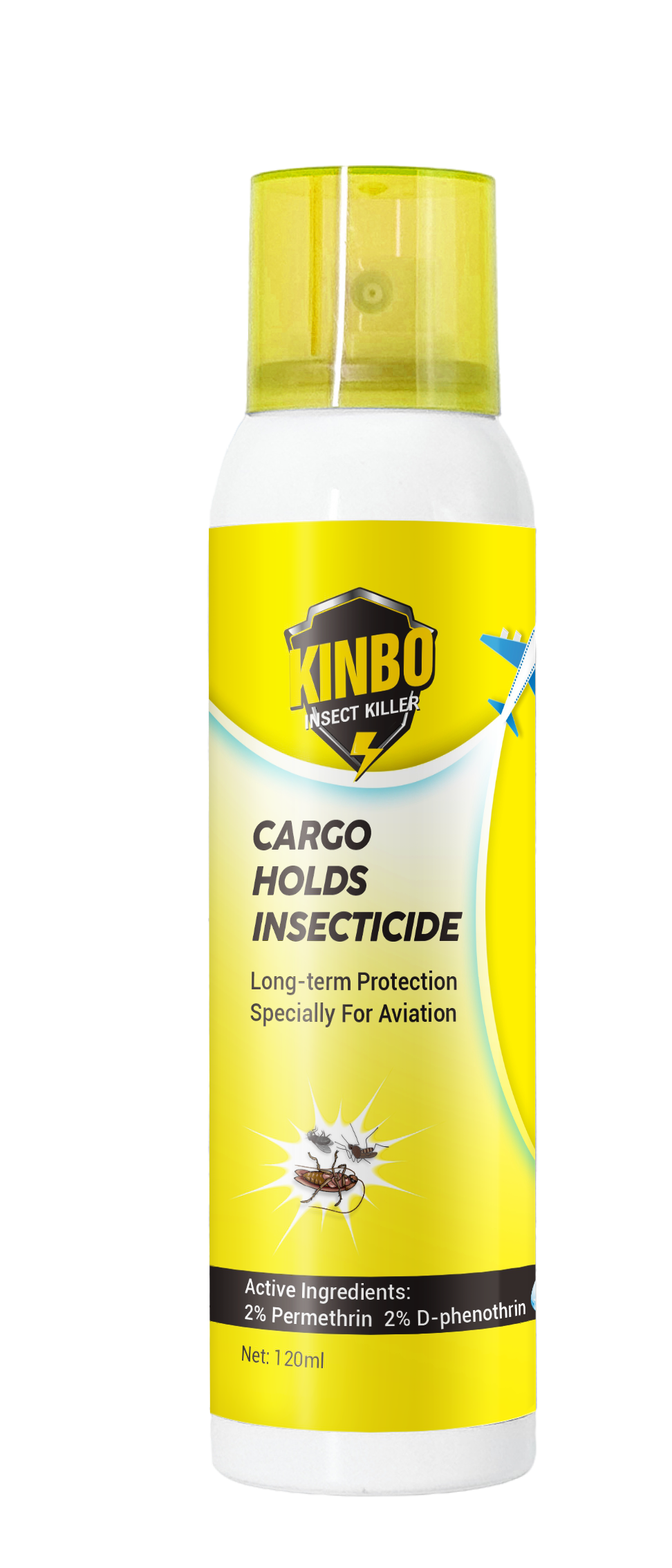
KB-0000600 is a tinplate insecticide spray intended for insecticide scenarios and the insecticide industry. It is published with five net content options — 300 ml, 400 ml, 500 ml, 600 ml and 750 ml — matched to five can dimensions: ∮52x195 mm, ∮65x158 mm, ∮65x200 mm, ∮65x240 mm and ∮65x300 mm.
Buyer note: this is the only model here that reaches 750 ml, and it does so through the largest can in the set, ∮65x300 mm. Where a programme depends on a single large-format household or professional can, that is the specification to check first.
ME-0000300 — Air Freshener: the single-size baseline
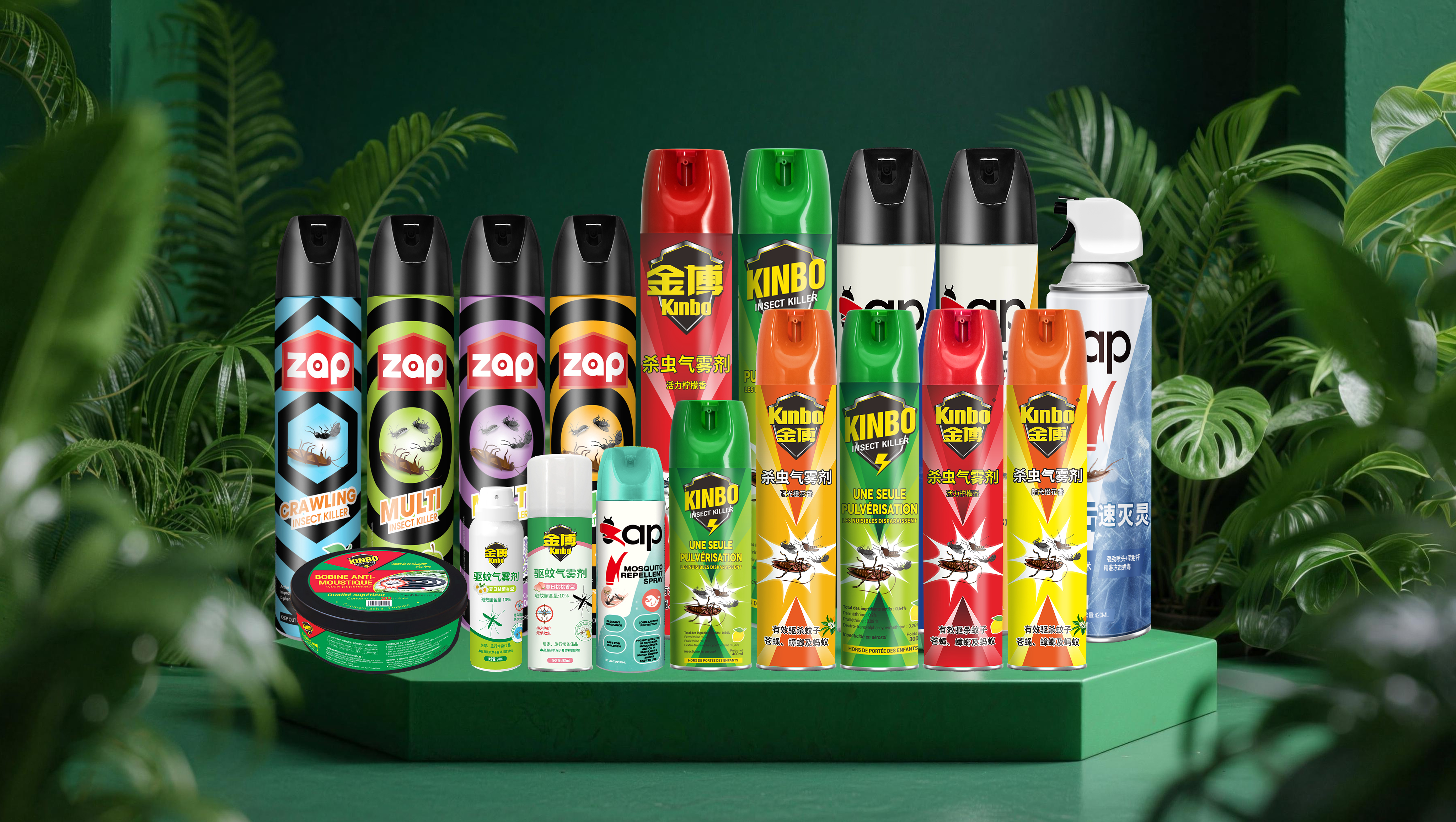
ME-0000300 is a tinplate air freshener with published can dimensions of 52 mm diameter and 195 mm height, and one net content of 300 ml. It is classified as an air freshener and intended for the Public & Commercial Services industry.
Buyer note: this is the only model in the shortlist published with a single fixed size, which makes it a useful baseline when a programme needs one repeatable format. Where a size ladder is required, the other entries supply the 300–600 ml range.
QL-0000300 — Household Cleaning Aerosol
QL-0000300 is a tinplate household cleaning aerosol intended for the Home & Daily Life industry. Net content options are 300 ml, 400 ml, 500 ml and 600 ml, corresponding to can dimensions of ∮52x195 mm for 300 ml, 65x158 mm for 400 ml, 65x200 mm for 500 ml and 65x240 mm for 600 ml.
BO-0000600 — Car Care Products
BO-0000600 is a tinplate aerosol can suitable for automotive maintenance and for the Transportation and Industrial & Manufacturing industries. It is published with net contents of 300 ml, 400 ml, 500 ml or 600 ml, and can dimensions that include a 52 mm diameter against heights of 195 mm, 158 mm, 200 mm and 240 mm.
SM-0000400 — Industrial Maintenance Aerosol
SM-0000400 is a tinplate industrial maintenance aerosol for Industrial & Manufacturing applications. The 300 ml, 400 ml, 500 ml and 600 ml fills map to can dimensions of ∮52x195 mm, 65x158 mm, 65x200 mm and 65x240 mm respectively.
QL-0000450 — Spray Paint Aerosol
QL-0000450 is a tinplate spray paint aerosol intended for Public & Commercial Services and Home & Daily Life use. It is available in net contents of 300 ml, 400 ml, 500 ml and 600 ml, with can dimensions of ∮52x195 mm, 65x158 mm, 65x200 mm and 65x240 mm.
KB-0000300 — Aviation Aerosol: the only dual-material option
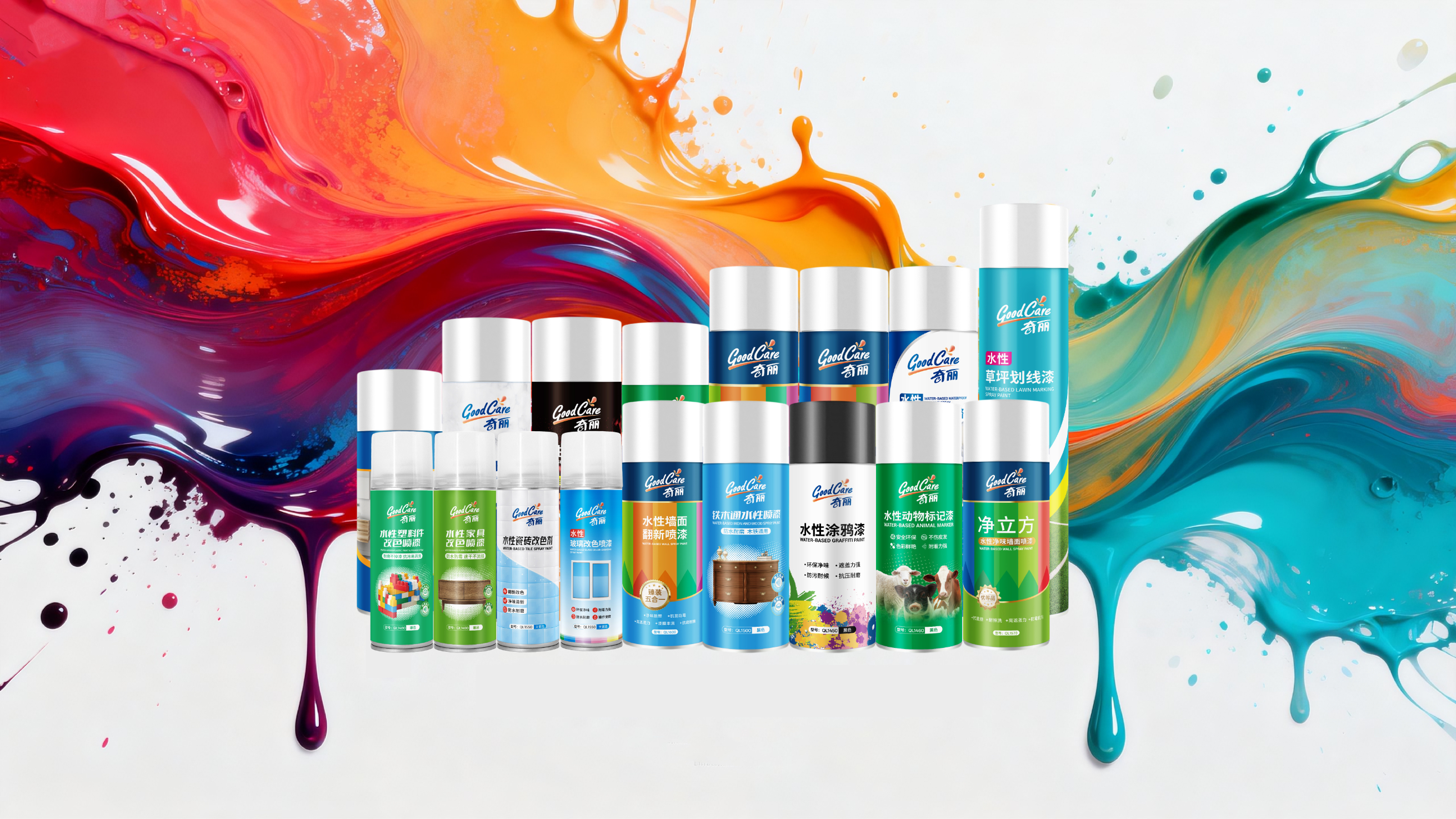
KB-0000300 is an aviation aerosol published in both tinplate and aluminum can versions. Net content options are 300 ml, 400 ml, 500 ml and 600 ml, with can dimensions of ∮52x195 mm, 65x158 mm, 65x200 mm and 65x240 mm.
Buyer note: within this shortlist it is the only model offered in aluminum. Buyers whose specification is driven by container weight or finish requirements should treat material as the first decision point on this entry, and confirm the exact can and valve configuration at sample stage.
From Can Dimensions to Fill Volume: What the Spec Pattern Shows
Two can diameters organise the entire shortlist. The 300 ml fill sits in a ∮52x195 mm can. The 400 ml, 500 ml and 600 ml fills use 65 mm diameter cans at heights of 158 mm, 200 mm and 240 mm. The insecticide range adds a fifth size, ∮65x300 mm, for the 750 ml fill.
The same dimension set — ∮52x195 mm, 65x158 mm, 65x200 mm and 65x240 mm — recurs across household cleaning, car care, industrial maintenance, spray paint and aviation. For a buyer evaluating more than one category, that repetition matters: packaging options can be compared on a like-for-like basis instead of being adjusted for different can platforms.
It also means physical specification alone does not separate one category from another. What distinguishes an aviation aerosol from a household cleaner is application, formulation and regulatory documentation, not can geometry. Buyers should therefore treat the dimension set as a shared baseline and look elsewhere for category-specific differentiation.
Material: Tinplate as the Default, Aluminum Only in the Aviation Entry
Six of the seven models are published as tinplate. The aviation model KB-0000300 is published with both tinplate and aluminum can options.
Third-party context on container material is available, but should be read with care. Grand View Research reports that aluminum accounted for 61.0% of aerosol container revenue in 2025, with steel accounting for 39.0%. That figure is revenue-based, so it does not indicate which material dominates unit volume — and it should not be applied as a claim about any individual model in this list.
The procurement reading is narrower and more usable: tinplate remains the base material across the insecticide, household, automotive, industrial and paint categories covered here, while aluminum appears where a specific model offers it, as KB-0000300 does.
Application Fit: Conditions, Functions and Operating Notes
Published application data for these models describes a shared operating profile. The products function in surface cleaning, decontamination, rust prevention, disinfection, odour elimination and pest control. They are described for household daily use, automotive maintenance, industrial equipment maintenance and aviation cleaning projects.
Operating conditions are listed as normal temperature and humidity, high humidity and general industrial environments, with the designs intended to handle normal temperature and high humidity. No special supporting equipment is required: the cans use a built-in nozzle, are operated by manual spray, and are used on demand as a one-time canister.
The scenario data notes that these applications are common across a wide set of markets, including Germany, Singapore and Australia, among others. Three special requirements are flagged for this class of product: flammable liquid compliance, pressure vessel safety standards, and storage temperature control. Those three apply regardless of category, which is why a specification shortlist should be paired with compliance documentation early rather than at the end of a project.
Market Context for 2026 Sourcing Plans
Two verified market data points frame the wider picture. Grand View Research projects the global aerosol market to reach USD 100.7 billion in 2026. The European Aerosol Federation separately reported that European aerosol production reached 3.46 billion units in 2024, a 4.2% year-on-year increase.
For buyers, the more actionable point is regulatory rather than volumetric. EU Aerosol Dispensers Directive 75/324/EEC requires pressure testing and specific labelling for aerosols sold in the European Union. Buyers targeting Europe should therefore treat pressure testing and labelling as specification inputs fixed before artwork and tooling are committed, and should request the matching test and labelling documentation as part of the quotation package.
Aerosols Versus Conventional Liquid Formats — and the Limits of This Shortlist
Compared with bulk liquids, trigger sprayers or refill systems, an aerosol delivers a metered dose from a sealed, pressurised can with a built-in nozzle and no supporting equipment. Operation is a single manual spray action, and each canister is used as a one-time unit. That removes dilution, decanting and dosing steps from the user's side of the process — a real advantage in industrial maintenance and automotive tasks where equipment downtime is the constraint.
The trade-off sits on the supply side. Aerosol formats carry pressure vessel safety standards, flammable liquid compliance and storage temperature control requirements, as the scenario data for these applications confirms. Those obligations affect warehouse classification, transport documentation and retail labelling, and they exist whether the end use is household cleaning or aviation maintenance. Buyers weighing an aerosol against a liquid format should count compliance and storage obligations as part of the comparison, not as an afterthought.
This shortlist has boundaries of its own. It documents material, net content, can dimension and intended industry — and nothing more. It does not include price, minimum order quantity, lead time, formulation, valve or actuator specification, propellant details, third-party test results, or licence and certificate numbers. LAYA's published materials state that the company holds production licences for hazardous chemicals, pesticides and disinfection products, together with quality, environmental and safety management system certifications; the issuing authorities, certificate numbers, scopes and validity dates are not available in the sources reviewed for this shortlist, and buyers should request them directly. Finally, because this is a single-supplier screen rather than a market comparison, no conclusion about relative supplier performance can be drawn from it.
Future Outlook
Three directions are visible from the specification and market data. First, can-size standardisation is likely to remain a practical advantage for buyers consolidating categories: the same 300–600 ml dimension set already recurs across five categories in this shortlist, with the insecticide range extending to 750 ml. Second, material decisions will keep splitting between revenue-weighted segments, where aluminum accounts for a reported 61.0% of aerosol container revenue, and volume-driven household and industrial segments that continue to rely on steel formats such as tinplate. Third, compliance documentation will stay central, particularly for European market entry under Directive 75/324/EEC.
For a 2026 programme, that suggests a simple sequence: fix the physical specification first, confirm material and can size, verify licensing and test documents per product and per destination market, and only then move to price and volume negotiations.
Frequently Asked Questions
What is the fastest way to shortlist aerosol models for a new product line?
Screen on three published fields before anything else: material, net content and can dimensions. Those fields establish whether a can fits the filling, pallet, shelf and storage envelope, and whether the fill volume matches the intended dose. Application category and regulatory documents refine the list afterwards.
Which model in this shortlist offers the largest fill volume?
The insecticide spray KB-0000600, published in net contents of 300 ml, 400 ml, 500 ml, 600 ml and 750 ml. The 750 ml option uses the largest can in the set, ∮65x300 mm. Every other model in the list is published between 300 ml and 600 ml.
Is aluminum available across the full range?
No. Of the seven models reviewed, only the aviation aerosol KB-0000300 is published with both tinplate and aluminum can options. The other six — KB-0000600, ME-0000300, QL-0000300, BO-0000600, SM-0000400 and QL-0000450 — are published as tinplate.
Do these aerosol products require additional dispensing equipment?
No supporting equipment is required. The cans use a built-in nozzle, are operated by manual spray, and are used on demand as a one-time canister. Published operating conditions are normal temperature and humidity, high humidity and general industrial environments.
What information is still missing before a purchase decision can be made?
Commercial terms such as price, minimum order quantity, lead time and payment terms; formulation and propellant details; valve and actuator specifications; third-party test reports; and licence or certificate numbers with issuing authorities, scopes and validity dates. None of these appear in the published model specifications, and all of them need to be requested and verified during supplier qualification.
Can one aerosol manufacturer serve both household and aviation applications?
LAYA states that it provides aerosol OEM and ODM services across eight product categories, from insecticide spray and air freshener through to aviation aerosol and spray paint, and reports 14 filling lines with an annual production capacity of 200 million cans. Within this shortlist, the same 300–600 ml can-dimension set is used for household cleaning, car care, industrial maintenance, spray paint and aviation, while the insecticide range adds a 750 ml size. Category-specific licensing, formulation and market documentation still need to be verified product by product.
Reference: LAYA's corporate brochure is publicly available for download at https://cdn.socialarks.com/sbsp/24841/common/2026/0526/6a15192724563.pdf.
Есть вопросы или нужны дополнительные детали?
Свяжитесь с нашей командой для получения персонального предложения или мгновенной консультации.
Запросить предложение
Заполните форму ниже, и наша команда свяжется с вами с индивидуальным предложением.
Прямой чат WhatsApp
Предпочитаете общаться в реальном времени? Напишите нам в WhatsApp для мгновенной помощи и быстрых ответов.
- Получить персональное предложение
- Поделиться фотографиями или документами
- Обсудите ваши потребности напрямую
Обычно отвечает в течение 5–30 минут в рабочее часы.