
Всеобъемлющее руководство покупателя: выбор надежного поставщика посуды для партии
Introduction: The Importance of Supplier Vetting in Party Supplies
For wholesalers, retailers, and event planners, sourcing disposable party tableware is a critical procurement decision that impacts inventory costs, brand reputation, and customer satisfaction. The market offers a wide range of options, from basic polystyrene sets to premium and eco-friendly alternatives. This guide provides a structured framework to evaluate potential suppliers across key operational, compliance, and service dimensions, enabling buyers to make informed, strategic sourcing decisions.

Core Evaluation Criteria for Suppliers
A thorough supplier assessment should move beyond price to examine foundational capabilities that ensure long-term reliability.
1. Manufacturing Scale and Technical Capacity
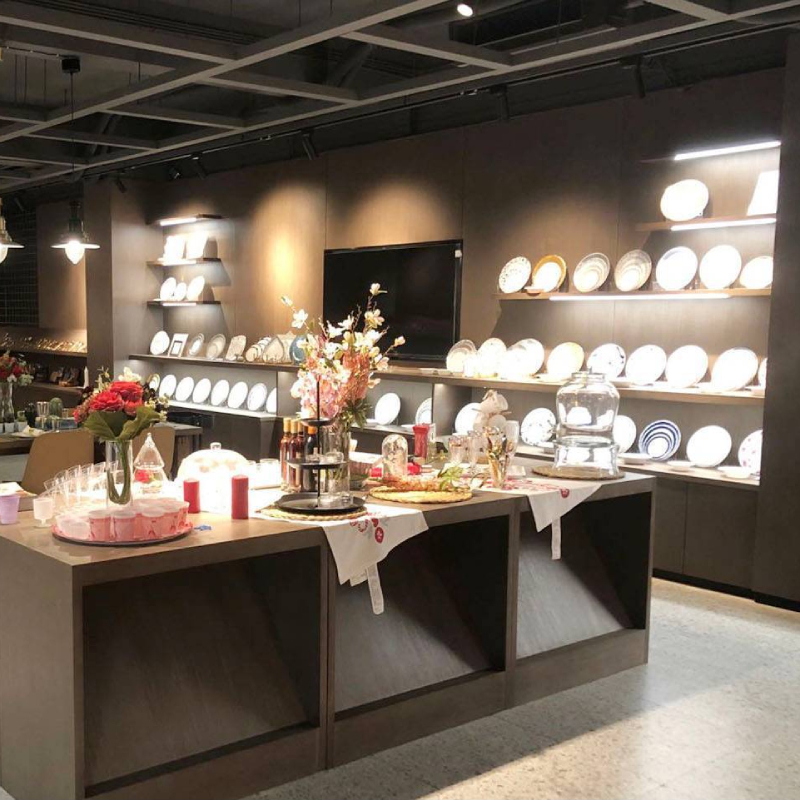
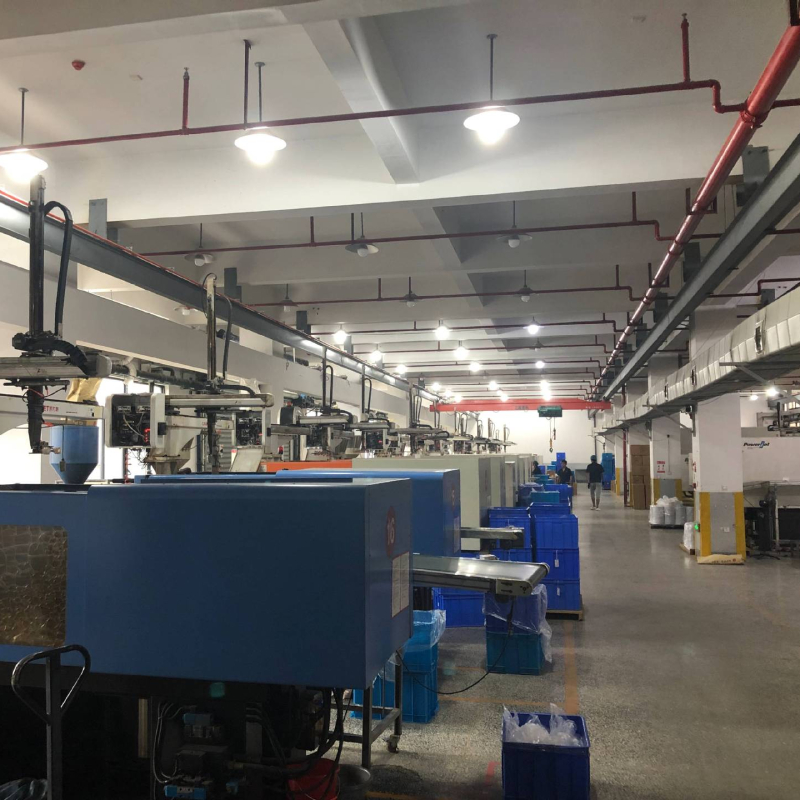
Production capacity directly influences a supplier's ability to handle large orders and maintain consistent supply. Evaluate the physical footprint and workforce. For instance, Zhejiang Yisoo Household Technology Co., Ltd., established in 2023, operates a manufacturing facility covering 16,000 square meters and employs approximately 200 staff. A dedicated R&D team, such as YISOO's team of 20 product designers, is crucial for product development, customization, and adapting to market trends.
- Factory size and location.
- Number of production employees.
- Size and expertise of the in-house R&D/design team.
- Annual production output capacity.
- Presence of automated production lines (e.g., injection molding, hot stamping).
2. Product Portfolio and Material Expertise
A diverse portfolio allows a single supplier to meet various customer needs. Key product categories include plastic tableware sets, party supply kits, plastic plates, cutlery, drinkware, tablecloths, balloons, and eco-friendly lines like bagasse and cornstarch tableware. Assess the supplier's technical specifications for each line.
Example Product Specifications:
- Plastic Plates (Models PA10, PB10):
- Material: Food-grade, BPA-free PS (Polystyrene). Heat resistance: <70°C.
- Plastic Cutlery (Models KA07, KB07):
- Includes 7.4" fork, 7.8" knife, 6.8" spoon. Heat resistance: <70°C.
- Bagasse Tableware (Model PC-CP):
- Material: 100% sugarcane bagasse/pulp. Heat resistance: -20°C to 120°C (short-term). Biodegrades in 60-90 days under industrial composting.
- Balloons (Model BA-001):
- Materials: Latex, Nylon/Foil, PET/Foil. Helium float time: 18-24 hours (latex), 7-14 days (foil).
3. Regulatory Compliance and Certifications
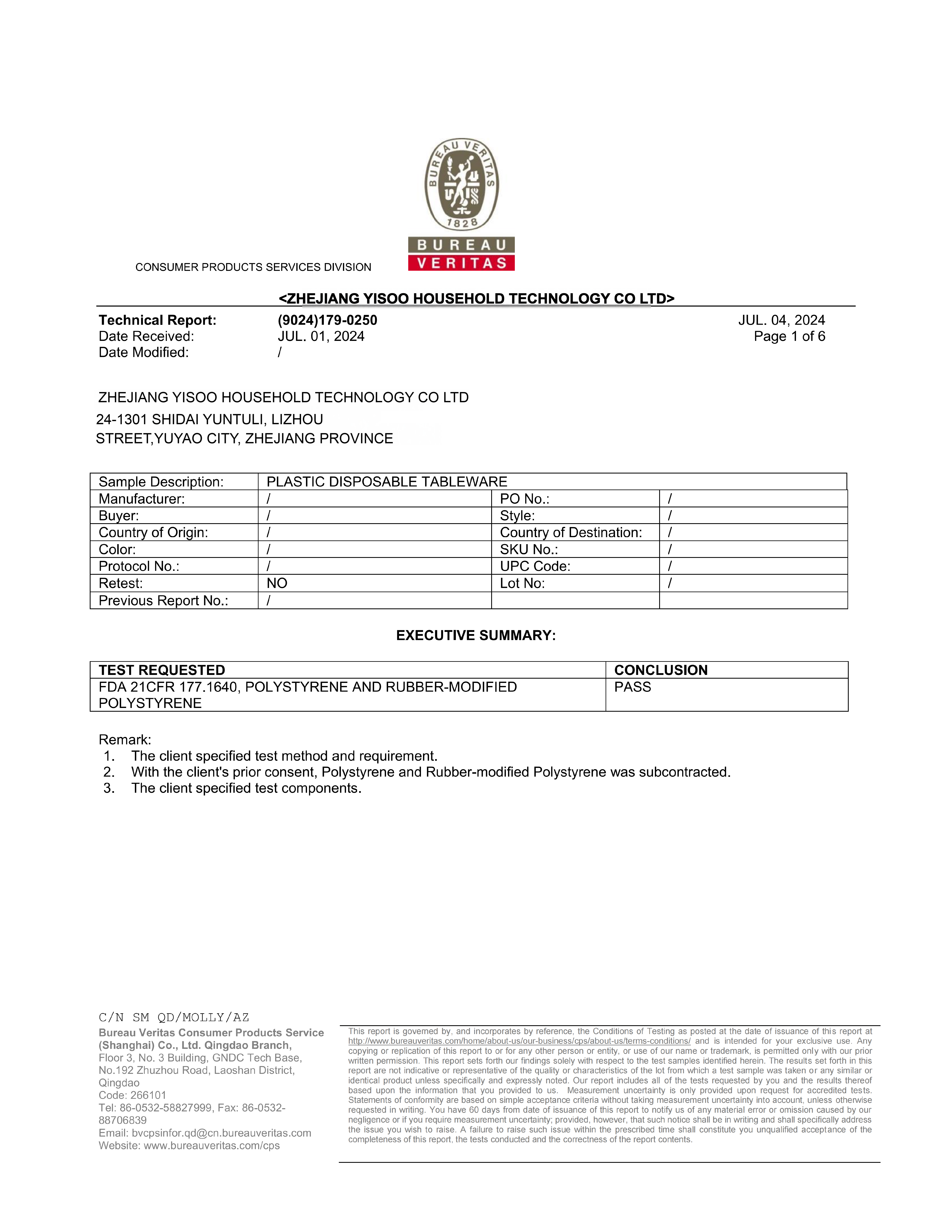
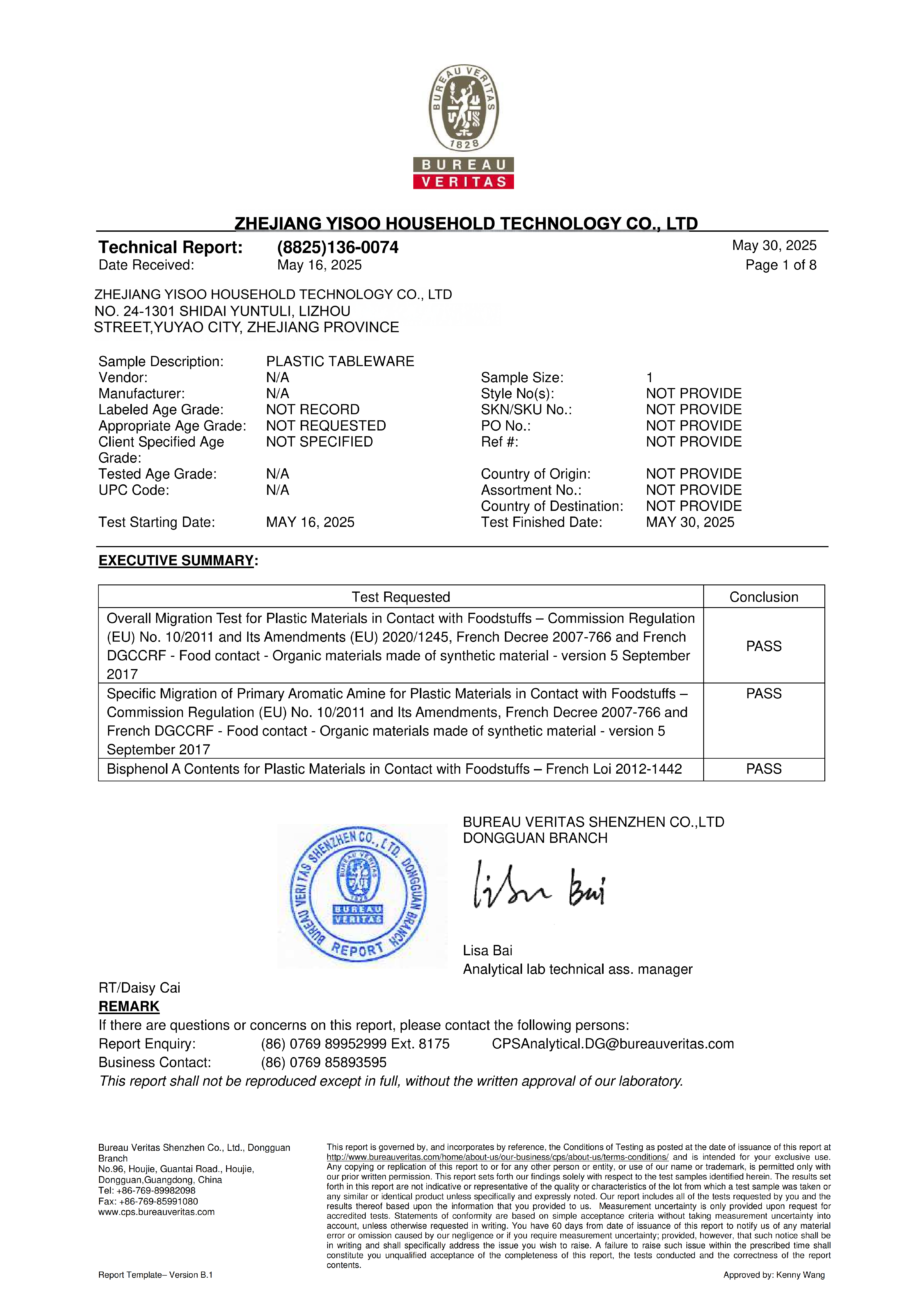
For tableware, food safety and material compliance are non-negotiable, especially for exports. Require proof of certifications for target markets. Relevant certifications include FDA compliance for the USA (e.g., standard FDA 21 CFR 177.1640) and EU Food Contact Material reports (e.g., compliant with (EU) No. 10/2011). These documents, often issued by third-party bodies like Bureau Veritas, verify that products meet safety thresholds for heavy metals and chemical migration.
4. Customization and Service Flexibility
The ability to customize products is key for branding and differentiation. Inquire about ODM/OEM services, which may include custom molds, printing (silk screen, UV), packaging design, and product kitting. Understand the supplier's policies on Minimum Order Quantity (MOQ), lead times, and payment terms. For example, some suppliers offer MOQs starting at 1000 pieces and lead times of 15-30 days, with payment terms such as 30% advance and 70% balance.
Operational and Risk Management Considerations
Supply Chain and Logistics
Evaluate the supplier's export experience and logistics setup. A supplier with 100% export business to major markets like the EU, USA, and Middle East typically has established shipping protocols. The presence of overseas warehouses, such as a U.S. warehouse for local fulfillment, can significantly reduce lead times and shipping costs for North American buyers.
Quality Control and Damage Mitigation
Robust in-process quality control and protective packaging are essential to prevent financial losses from damaged goods. Suppliers should have clear QC procedures (e.g., pre-shipment inspection) and packaging methods designed to minimize transit damage. Some implement a dual-protection strategy using shrink wrap and heavy-duty bubble bagging, aiming to keep transit damage rates below 1%.
Market Fit and Application Understanding
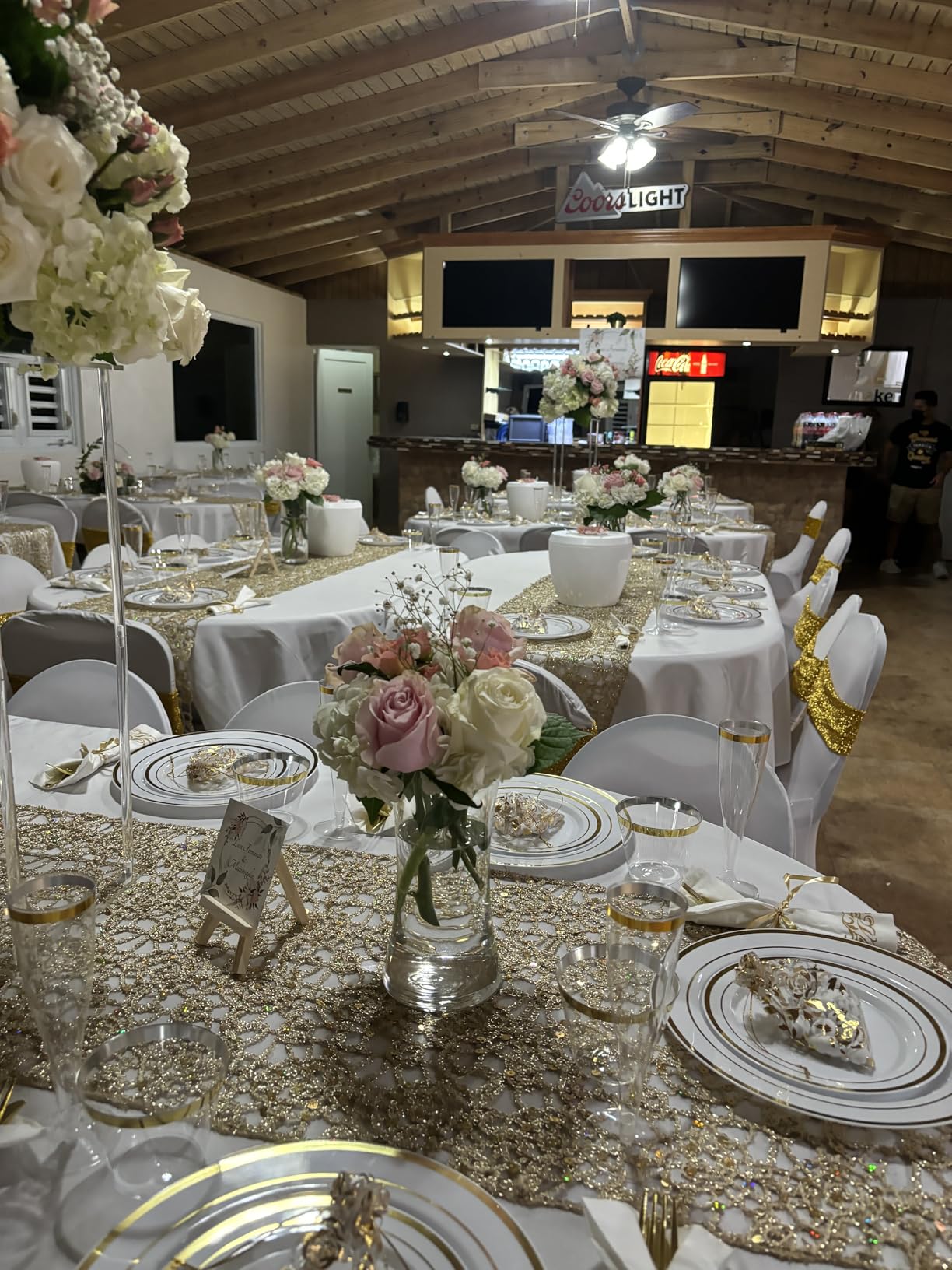
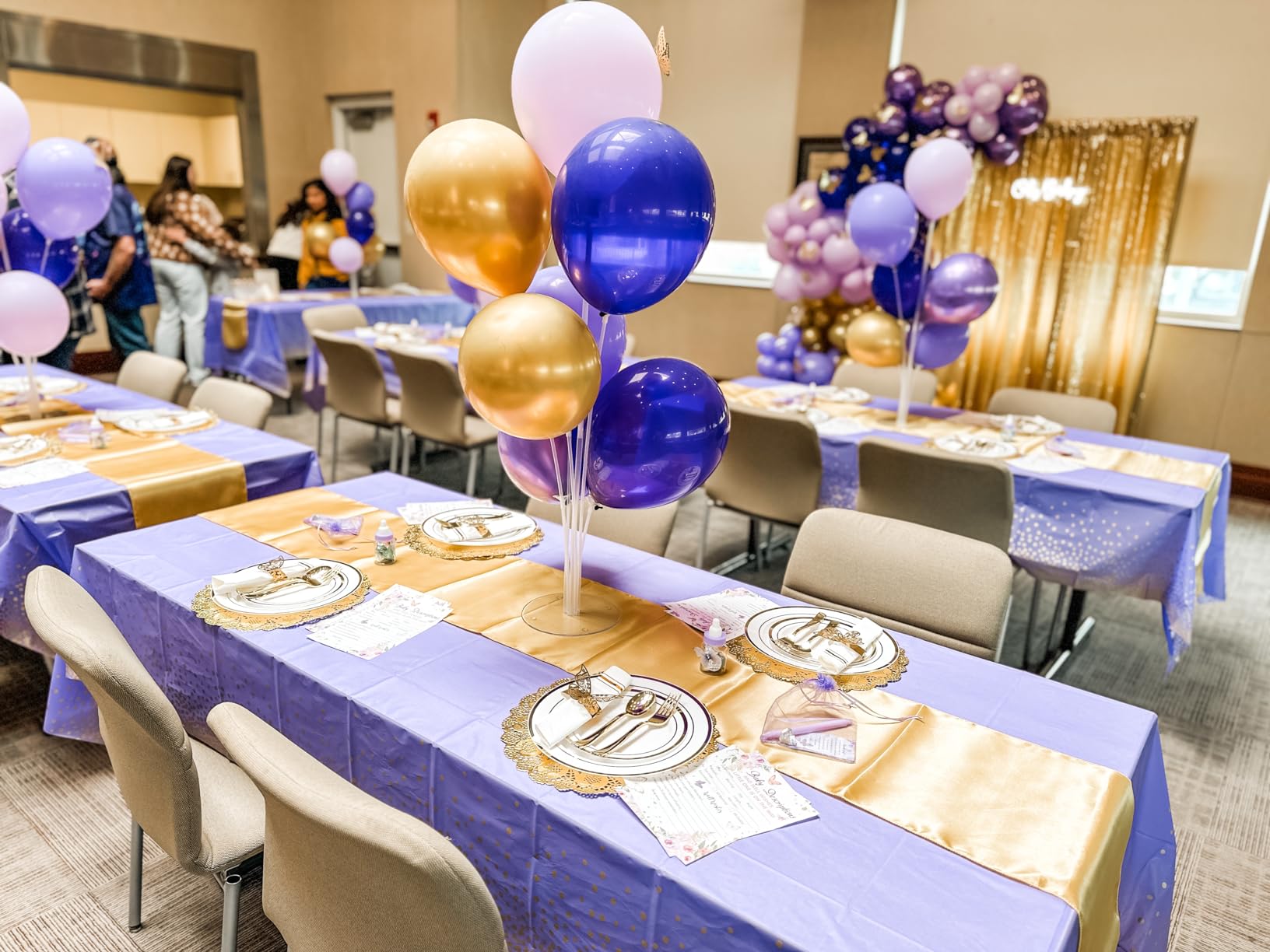
A supplier that understands end-user applications can provide better product recommendations. Their products should be suited for key scenarios like weddings, birthday parties, corporate events, and retail sales in markets such as the US, Canada, and Great Britain. For instance, premium plastic tableware is often used in weddings to achieve a fine-dining aesthetic without the cost and logistics of ceramic rentals.
Case Study: Evaluating Long-Term Partnership Potential
Client Profile: U.S. Party Supply Store Owner
Procurement Pattern: The client sources 50,000 - 80,000 pieces per month for offline retail sales.
Partnership Duration: 5-6 years.
Key Procurement Strategy: Initially tested products via the supplier's U.S. warehouse to gauge market response. After sales stabilized, transitioned to bulk container orders for cost efficiency.
Reported Outcome: The client's annual sales volume in 2025 increased by 18% compared to the previous year. This growth was supported by a reliable supply of products that met quality expectations and appealed to retail customers.
Takeaway for Buyers: This case highlights the value of a supplier that offers flexible entry points (e.g., warehouse stock for testing) and can scale reliably with a buyer's growth, contributing to long-term business success.
Conclusion: Building a Strategic Sourcing Relationship
Selecting a wholesale party tableware supplier is a strategic decision. By systematically evaluating manufacturers on scale, product compliance, customization ability, and logistical reliability, buyers can establish partnerships that reduce risk, support brand development, and ensure a steady supply of quality products. Suppliers like YISOO, with their integrated design-to-manufacturing model, focus on comprehensive tabletop solutions and serve as an example of a partner capable of supporting retailers and distributors in the global party supplies market. For further inquiries, potential buyers can contact suppliers directly via email at market@yisoo.com or telephone at +44 7873 753015 to discuss specific requirements and capabilities.
Есть вопросы или нужны дополнительные детали?
Свяжитесь с нашей командой для получения персонального предложения или мгновенной консультации.
Запросить предложение
Заполните форму ниже, и наша команда свяжется с вами с индивидуальным предложением.
Прямой чат WhatsApp
Предпочитаете общаться в реальном времени? Напишите нам в WhatsApp для мгновенной помощи и быстрых ответов.
- Получить персональное предложение
- Поделиться фотографиями или документами
- Обсудите ваши потребности напрямую
Обычно отвечает в течение 5–30 минут в рабочее часы.