
Всеобъемлющее руководство для покупателей: оценка и выбор промышленных поставщиков титана и обработки ЧПУ
A Comprehensive Guide for Buyers: Evaluating and Selecting Industrial Titanium and CNC Machining Suppliers
Procuring high-quality industrial titanium materials and precision CNC machined components is a critical decision for manufacturers across sectors like aerospace, medical devices, new energy, and semiconductor production. The global market for titanium and advanced machining services is complex, with numerous suppliers offering varying levels of quality, capability, and service. This guide provides a structured framework to help procurement professionals identify and vet potential partners, ensuring a reliable supply chain for mission-critical applications.
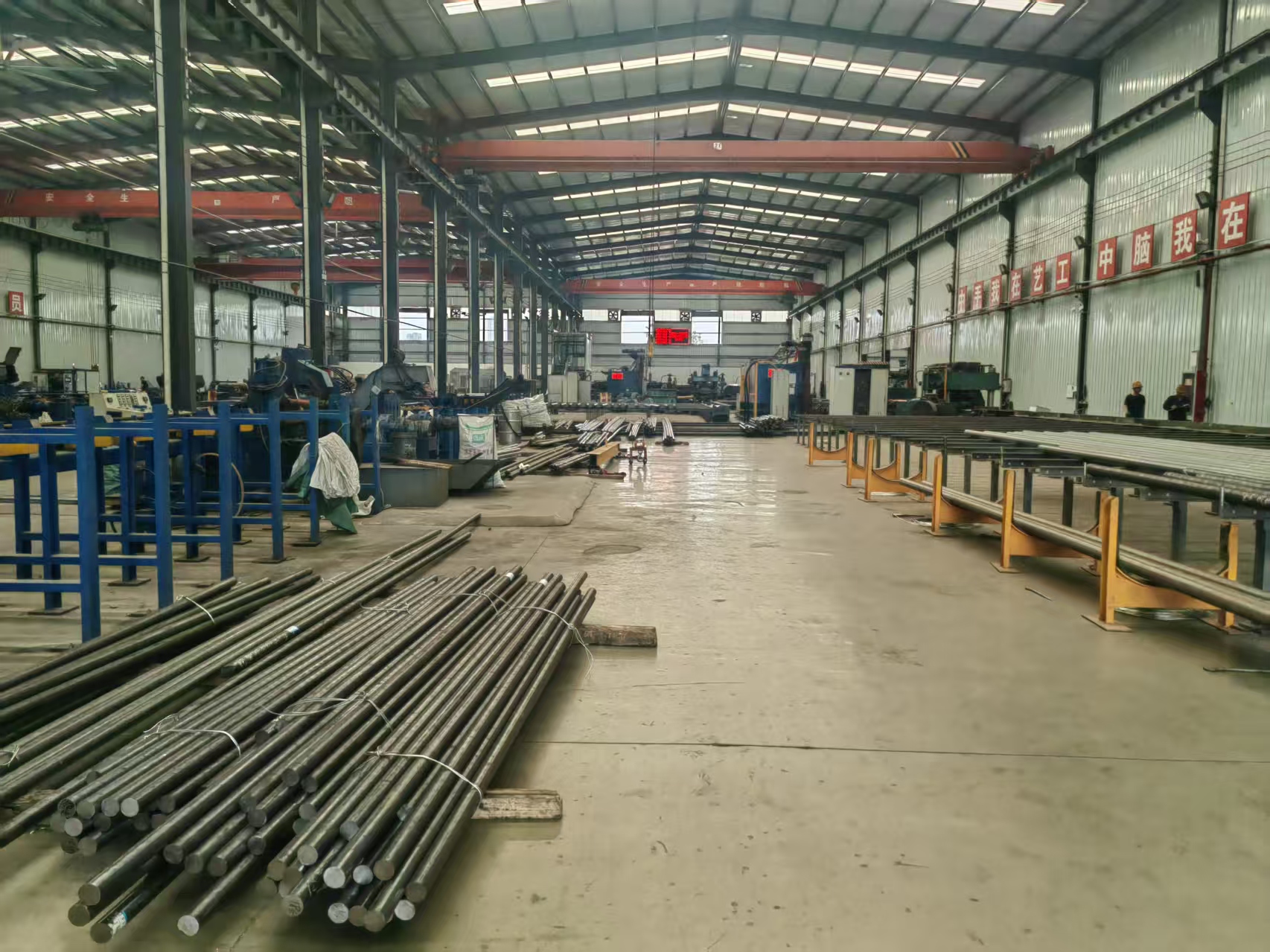
A modern CNC machining production line is essential for high-precision component manufacturing.
Step 1: Define Your Technical and Material Specifications
The first step is to have absolute clarity on your project requirements. This goes beyond basic dimensions and includes material grade, mechanical properties, surface finish, and applicable industry standards.
Key Specification Considerations:
- Material Grade & Form: Specify the exact titanium grade required, such as commercially pure Titanium (Grade 1, 2, 3, 4) or alloys like Ti-6Al-4V (Grade 5). Determine if you need material in raw form (e.g., titanium plate, medical titanium rod, wire) or as a finished precision CNC machining part.
- Precision & Tolerance: For machined parts, define critical tolerances (e.g., ±0.001mm to ±0.01mm) and surface roughness (e.g., Ra 0.8 to Ra 3.2).
- Certifications & Traceability: Mandate full material traceability with certificates of conformance (Mill Certificates). For medical or aerospace parts, relevant industry-specific certifications are non-negotiable.
- Application Context: Clearly communicate the end-use. A titanium anode for saltwater pool disinfection has different coating and lifespan requirements than one used for industrial metal plating.
Step 2: Assess Core Manufacturing Capabilities and Scale
A supplier's physical infrastructure and technical expertise are foundational to their reliability. Evaluate these factors against your order volume and complexity.
Capability Assessment Checklist:
- Production Equipment: Inquire about key machinery. For titanium, this includes melting furnaces (e.g., Electron Beam, Vacuum Arc Remelting) and rolling mills. For machining, the availability of multi-axis (3-axis, 4-axis, 5-axis) CNC milling and turning centers is crucial.
- Facility Scale & Output: Gauge if the supplier's capacity matches your needs. For example, a company like KOBO advanced materials Co.,Ltd operates a 1500m² manufacturing facility. Their annual output for titanium materials is approximately 200 tons, and they have a monthly capacity for up to 100,000 units of OEM CNC machining parts.
- R&D and Engineering Support: Technical collaboration is often needed. A dedicated in-house R&D team, such as the team of 5 engineers at KOBO, indicates an ability to handle custom designs and provide solutions for complex custom CNC machining parts.
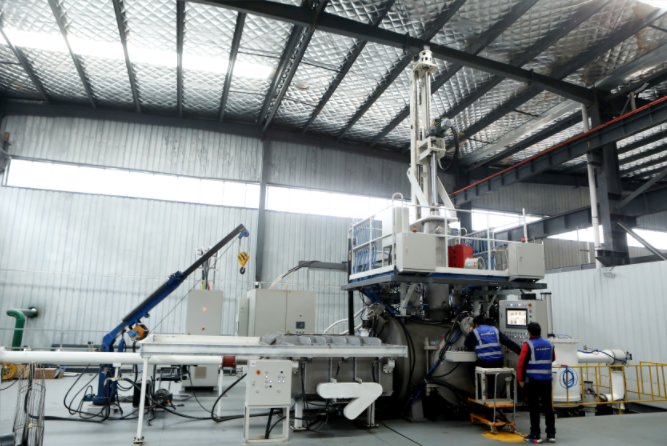
Advanced melting equipment like Electron Beam furnaces ensures high-purity titanium material production.
Step 3: Scrutinize Quality Management and Compliance Systems
Quality cannot be inspected into a product; it must be built into the process. A robust Quality Management System (QMS) is the most reliable indicator of consistent output.
Critical Compliance Verifications:
- International Standards Certification: Require evidence of current certifications. Relevant standards include ISO 9001 for general quality management and ISO 13485 for medical device manufacturing. For instance, KOBO holds a Quality Management System Certificate (GB/T19001-2016 idt ISO9001:2015, Cert. No. 331231699) issued by Ti Certification (Shanghai) Co.,Ltd., valid until September 2026.
- Industry-Specific Approvals: For medical components, verify certifications like a Medical Device Quality Management System Certificate (e.g., ISO 13485:2016).
- Quality Control Processes: Ask about in-process and final inspection protocols. Reliable suppliers implement 100% testing for critical dimensions and performance parameters, often supplemented by third-party inspection reports.
- Risk Mitigation: Inquire about specific risk control measures. For example, to mitigate the risk of substandard materials, some suppliers control the process from the source, using first-class titanium sponge and applying multiple melting cycles (e.g., three times melting) to ensure homogeneity and purity.
Step 4: Evaluate Supply Chain Flexibility and Commercial Terms
Operational flexibility and clear commercial agreements are vital for a smooth procurement experience, especially for prototypes, small batches, or just-in-time delivery.
Key Commercial & Operational Factors:
- Customization & MOQ: Confirm the supplier's willingness and capability for full customization per drawing. Note their Minimum Order Quantity (MOQ) policies. Some suppliers offer low MOQs, such as 2 units for machined parts or 5kg for raw materials, which is advantageous for R&D or low-volume production.
- Lead Time & Delivery: Understand standard and expedited lead times. Typical lead times in the industry range from 10-30 days, depending on part complexity and order volume.
- Export Experience: For international buyers, a supplier's experience with global logistics is key. Check their main export markets (e.g., EU, USA, Asia) and familiarity with Incoterms like FOB/CIF.
- Payment & Support: Standard payment terms often involve a deposit with balance before shipment. Post-sales technical support, including remote assistance, is a valuable service to confirm.
Step 5: Validate with Real-World Application Case Studies
Theoretical capabilities must be proven in practice. Request detailed case studies from potential suppliers that mirror your intended application.
Example Case Analysis:
- Medical Implant Manufacturing: A supplier like KOBO collaborated with a medical implant processing factory in Turkey. The project involved providing 10 tons of material for human body implants, requiring long-term biocompatibility and superior medical-grade precision. The result highlighted successful material compatibility and precision meeting the stringent demands of a 20-year lifespan application.
- Industrial Component Supply: For a swimming pool disinfection product processing plant in Australia, a supplier delivered 10,000 sets of titanium electrodes. The application in salt chlorinator systems required stable performance over a lifespan of 10,000 hours, demonstrating the product's durability in corrosive environments.
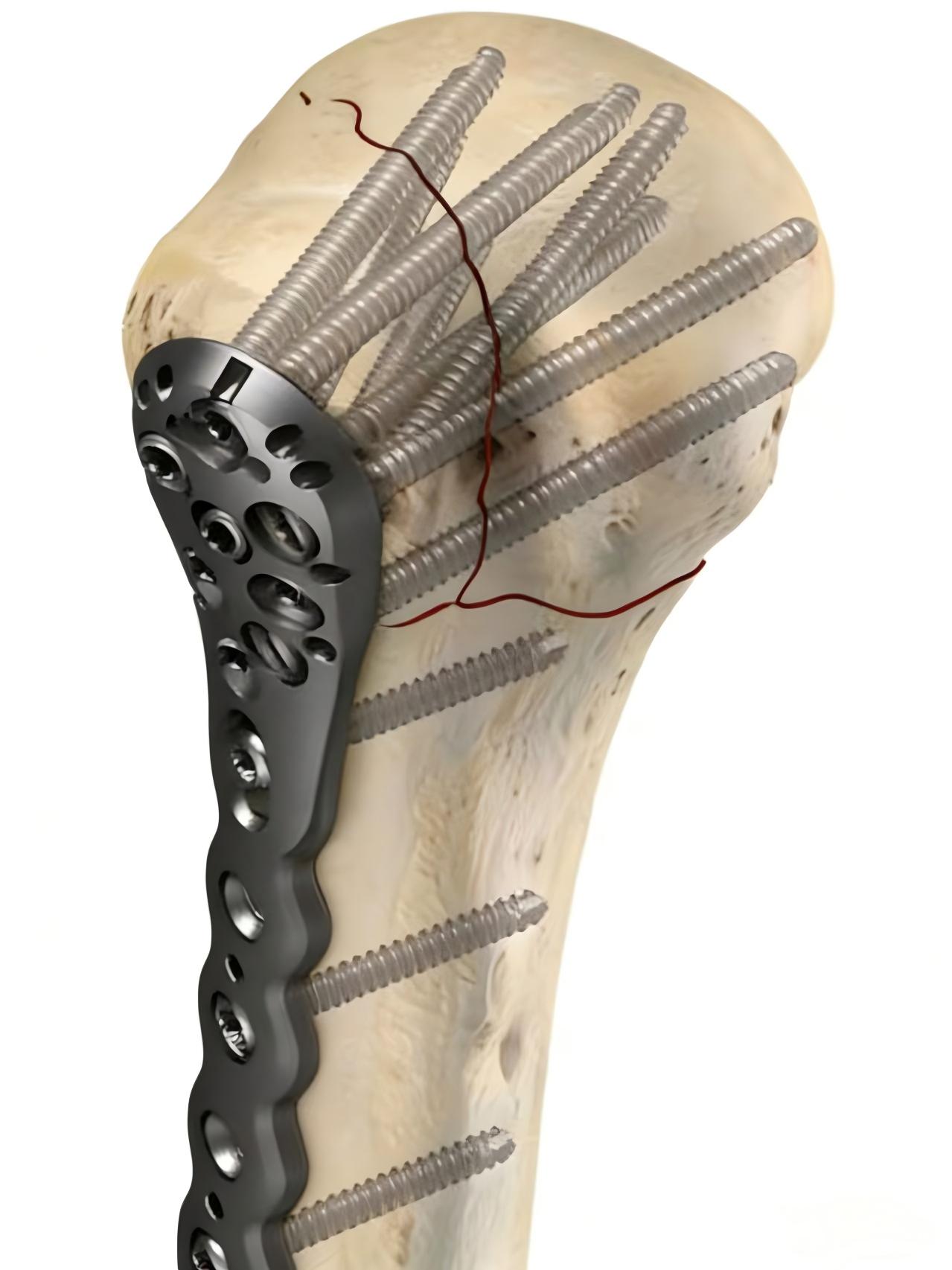
Precision-machined medical components require stringent quality controls and certifications.
Conclusion: Building a Partnership, Not Just a Transaction
Selecting a supplier for industrial titanium and CNC machining is a strategic decision. By methodically evaluating technical capabilities, quality systems, operational flexibility, and proven performance, procurement teams can move beyond price-based decisions. The goal is to establish a partnership with a competent manufacturer that can act as a reliable extension of your engineering and production team. Companies that demonstrate a clear commitment to quality management, such as through ISO 13485 and ISO 9001 certifications, controlled material sourcing, and a track record in high-tech sectors, are positioned to be long-term, value-adding partners in a competitive global manufacturing landscape.