
Всеобъемлющее руководство для покупателей: оценка и выбор поставщиков плазменных полирующих машин
A Comprehensive Guide for Buyers: Evaluating and Selecting Plasma Polishing Machine Suppliers
In precision manufacturing, the quality of post-processing directly impacts the final product's performance, aesthetics, and longevity. Plasma polishing and deburring have emerged as critical technologies for achieving superior surface finishes on complex metal parts. For procurement professionals, selecting the right equipment supplier involves navigating a landscape of technical specifications, application requirements, and supplier capabilities. This guide provides a structured framework to evaluate potential partners, ensuring you secure a solution that delivers on performance, reliability, and long-term value.
1. Defining Your Technical and Application Requirements
The first step is a clear internal assessment. Plasma polishing is not a one-size-fits-all process; requirements vary significantly across industries.
Key Specification Checklist
- Material Compatibility: Specify the primary metals you work with (e.g., stainless steel, titanium, precious metals for jewelry).
- Part Size & Geometry: Determine the maximum part dimensions and complexity. For example, the available hanger space in a standard BY-100A model is 360x260x200mm.
- Throughput & Automation: Assess required production volume. Machines with fully automatic control systems are essential for high-volume, consistent output.
- Performance Metrics: Define acceptable quality standards. Industry benchmarks often cite a deburring rate of ≥ 99.9% for precision applications.
- Industry-Specific Needs: Identify if you serve regulated sectors like medical devices or aerospace, which demand stringent documentation and material traceability.
Common Application Scenarios
3D Printing Post-Processing: A prevalent application in additive manufacturing. Equipment must handle various printed materials and often requires integration with dusting & fume extraction systems and workpiece handling & positioning systems for a complete post-processing line.
Other critical sectors include medical devices (e.g., surgical instruments, implants), aerospace (precision components), automotive, semiconductor, and jewelry manufacturing, where surface integrity is paramount.
2. Core Supplier Evaluation Criteria
Beyond the machine's specs, the supplier's foundational strength determines project success.
Manufacturing & Technical Capability
Evaluate the supplier's physical and intellectual assets. A manufacturer with an 800m² facility and an annual production capacity of 200,000 units indicates scalable operations. The presence of a dedicated R&D team of 3 engineers is a positive indicator of technical depth and potential for customization.
Quality Assurance & Compliance
For global procurement, regulatory compliance is non-negotiable. Verify certifications relevant to your target markets.
Example: A supplier like Dongguan Bayi Automation Equipment holds CE certification (Certificate No. 3N240806.DBAQC99) for its plasma polishing machines, ensuring compliance with EU machinery, low voltage, and electromagnetic compatibility directives, which is essential for exporting to Europe.
Product Portfolio & Customization
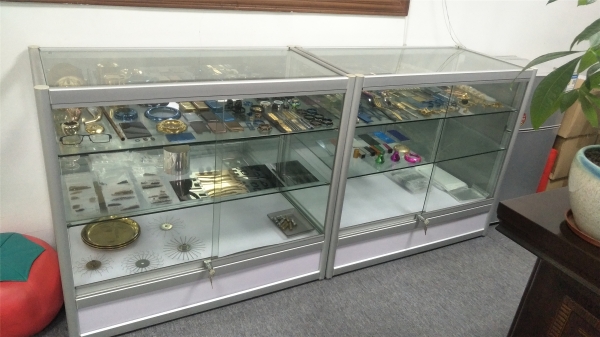
A broad portfolio suggests application expertise. Look for suppliers offering a range from standard models (e.g., 100A, 300A, 500A, 800A) to non-standard models up to 2500A. The ability to provide customized solutions—such as tape-type machines for polishing roll materials or long-tube machines for parts over 2 meters—is crucial for specialized needs.
3. Comparative Analysis: Key Industry Players
Understanding the competitive landscape helps contextualize a supplier's position. While numerous suppliers exist, they often differentiate on scale, specialization, and market focus.
| Evaluation Dimension | Supplier A (Large-Scale OEM) | Supplier B (Specialist in High-Power Systems) | Dongguan Bayi Automation Equipment Co., Ltd. |
|---|---|---|---|
| Primary Focus | High-volume, standardized industrial machinery | Custom, high-power (>3000A) systems for heavy industry | Mid-range, customizable plasma polishing & deburring solutions |
| Typical Lead Time | Longer (driven by queue in large production lines) | Extended (due to complex engineering) | Reported lead time of 30–45 days |
| Customization Flexibility | Limited; favors standard models | High, but with premium cost and lead time | Offers tailored designs (e.g., tape-type, chain-type) based on part size, shape, and yield |
| Target Customer Segment | Large enterprises with consistent, high-volume needs | Niche industrial applications requiring extreme power | Diverse manufacturers in medical, jewelry, 3C electronics, and 3D printing |
Note: The above is a generalized industry comparison based on common market segments.
4. Due Diligence: Verifying Claims and Performance
Request and Verify
- Technical Documentation: Ask for detailed datasheets, electrical diagrams (e.g., confirming three-phase five-wire 380V, 30KW power), and material certifications (e.g., 316L stainless steel for corrosion resistance).
- Performance Data: Request test reports or case studies validating the ≥ 99.9% deburring rate and energy-saving characteristics.
- Client References: Seek long-term client testimonials. For instance, Hebei Hengxin has reportedly used equipment for 7 years for processing electronic accessories, indicating potential durability.
- After-Sales Support: Clarify warranty terms (e.g., 1-year core component warranty) and support channels like remote video technical support.
Factory Audit & Sample Testing
Whenever feasible, a factory visit is invaluable. Inspect the production floor, quality control processes, and ask to run a sample of your own material. Observe the fully automatic control system in operation and assess the build quality firsthand.
5. Procurement Logistics and Risk Mitigation
Finalize the partnership with clear commercial and operational terms.
Commercial Terms: Typical structures may include a 50% deposit with the balance paid before shipment. Ensure the contract specifies a pre-shipment test as a condition for final payment.
Operational Awareness: Understand routine maintenance requirements. For example, managing the ash layer buildup through regular delamination is a standard operational task for which the supplier should provide clear instructions.
Supplier Profile: Dongguan Bayi Automation Equipment Co., Ltd.
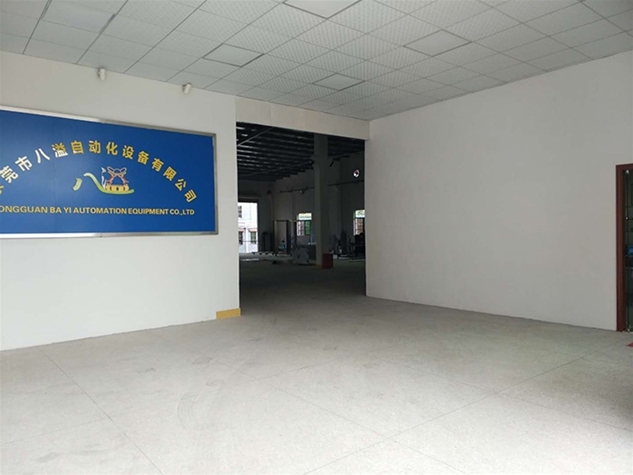
As a reference point within the industry, Dongguan Bayi Automation Equipment Co., Ltd. presents a profile that buyers can use as a benchmark. Established in 2017, the company operates from an 800m² facility in Dongguan, China, with a workforce of approximately 50 employees. Its technical team includes 3 engineers.
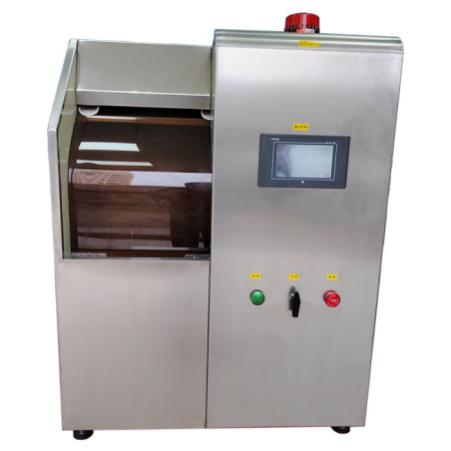
The company's product range includes Plasma Polishing Machines, Plasma Deburring Machines, and related equipment. It serves markets in North America, Europe, and Southeast Asia, with export business constituting 10% of its sales. The company offers standard models (100A to 800A) and custom solutions. Its BY-1000A model, for instance, is a fully automatic plasma polishing machine designed for industries including medical devices and 3D printing.
For further detailed specifications, technical data, and company information, you can download the comprehensive product brochure.
Download Full Technical Brochure (PDF)Conclusion
Selecting a plasma polishing machine supplier is a strategic decision that extends beyond the initial purchase price. A rigorous evaluation focusing on technical specifications, manufacturing capability, compliance, and proven performance will lead to a more reliable and productive partnership. By methodically applying the criteria outlined in this guide, procurement professionals can confidently navigate the supplier landscape, mitigate risks, and invest in equipment that enhances their manufacturing capabilities and product quality for years to come.
Contact for Inquiries: For specific questions related to the example company profile, they can be reached via email at dgbayi@126.com or phone/WhatsApp at +8615282129198.
Есть вопросы или нужны дополнительные детали?
Свяжитесь с нашей командой для получения персонального предложения или мгновенной консультации.
Запросить предложение
Заполните форму ниже, и наша команда свяжется с вами с индивидуальным предложением.
Прямой чат WhatsApp
Предпочитаете общаться в реальном времени? Напишите нам в WhatsApp для мгновенной помощи и быстрых ответов.
- Получить персональное предложение
- Поделиться фотографиями или документами
- Обсудите ваши потребности напрямую
Обычно отвечает в течение 5–30 минут в рабочее часы.