
Всеобъемлющее руководство для покупателей: как определить и выбрать поставщика стеклянной посуды высшего уровня
Navigating the Global Glassware Supply Chain: A Strategic Guide for Professional Buyers
The global glassware market, encompassing everything from glass drinkware and glass mugs to sophisticated wine glasses and sustainable recycled glass jars, is a dynamic and complex landscape. For procurement professionals, retailers, and gift merchants, identifying a reliable supplier that aligns with quality, cost, compliance, and innovation requirements is paramount. This guide provides a structured framework to evaluate and select a premier glassware manufacturing partner, ensuring a strategic fit for your business needs.
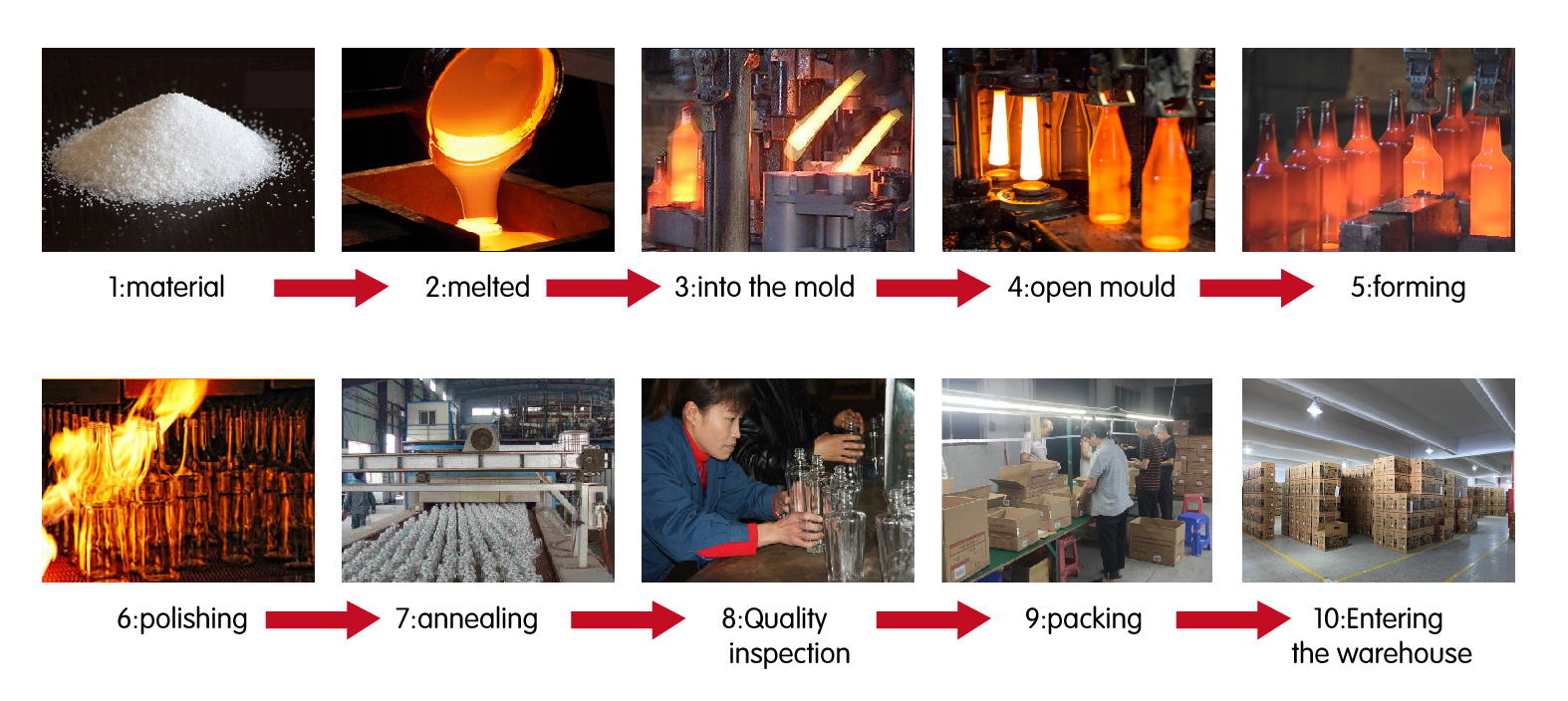
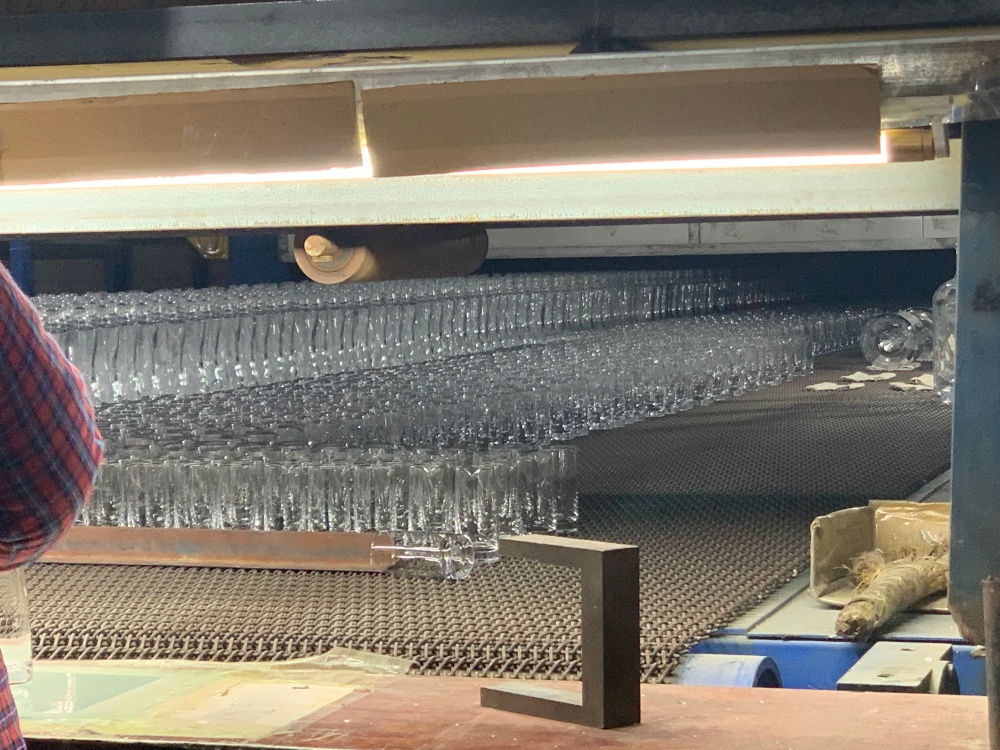
A modern glassware production line, showcasing precision in manufacturing. (Source: Supplier documentation)
1. Core Evaluation Criteria: Beyond the Price Tag
While competitive pricing is a key factor, a holistic evaluation must consider several interconnected dimensions that impact long-term partnership success.
1.1 Manufacturing Capability & Technical Expertise
Assess the supplier's core production competencies. A capable manufacturer should master multiple forming processes to offer diverse product lines.
- Process Variety: Look for expertise in machine blowing for consistent volumes, machine pressing for sturdy items like glass tumblers, and handmade techniques for artisanal or patented glassware sets.
- Technical Range: Can they produce specialized items like double wall glass for insulation, colored glass (e.g., amber color glassware sets), or apply complex decorations like the pearl dot edge seen in premium collections?
- Scale & Flexibility: Does the supplier operate its own factory, or is it a trading company? An ideal partner often combines owned facilities with a vetted network. For instance, LAKOTTO (brand of Changsha Kotto Glass Industrial Co., Ltd) maintains strategic alliances with over 150 specialized glass factories across China. This hybrid model allows them to offer a vast catalog—from glass cake stands to highball glasses—while ensuring production flexibility and competitive pricing.
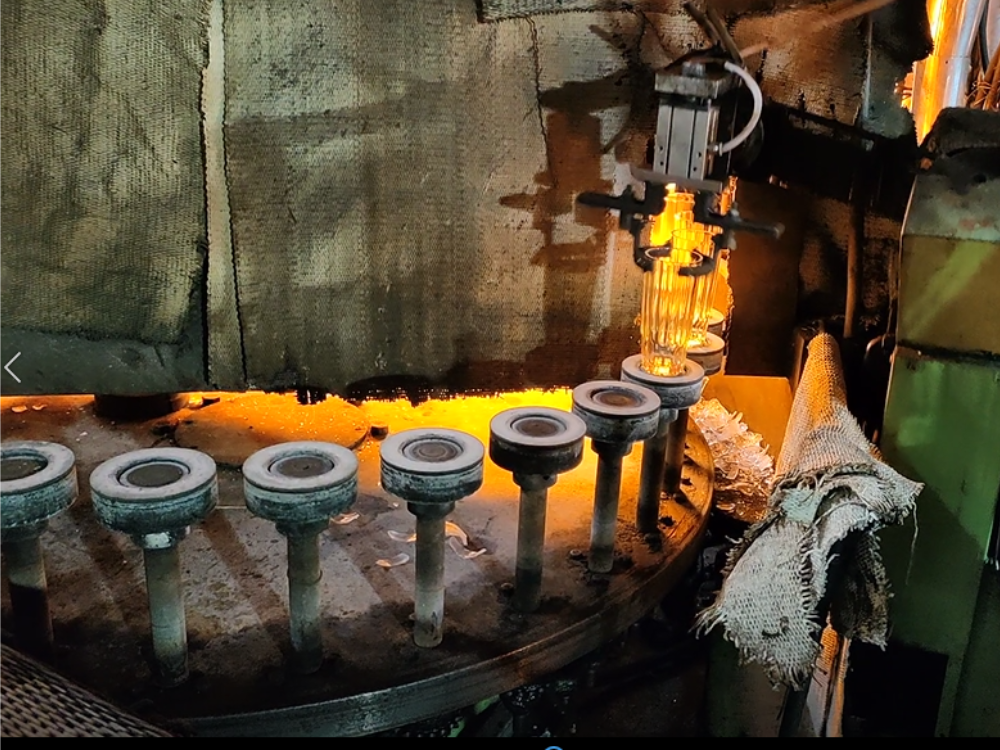
Precision glass cup forming in a controlled manufacturing environment.
1.2 Quality Assurance & Compliance Credentials
Quality inconsistencies can lead to returns, brand damage, and lost revenue. Rigorous quality control (QC) and international certifications are non-negotiable.
- Certifications: Require proof of internationally recognized standards. Key certifications include:
- ISO 9001:2015 (Quality Management System): Ensures consistent quality in processes.
- BSCI (Business Social Compliance Initiative): Audits social responsibility and ethical working conditions.
- ISO 14001 (Environmental Management): Demonstrates commitment to sustainable operations.
- Food Safety Management System Certification: Critical for glass plates, jars, and drinkware that contact food.
- QC Process: Inquire about in-line and final inspection protocols. A professional supplier will have a dedicated QC team conducting multiple checks, from raw material intake to pre-shipment audits. Documentation like Inspection Reports should be available upon request.
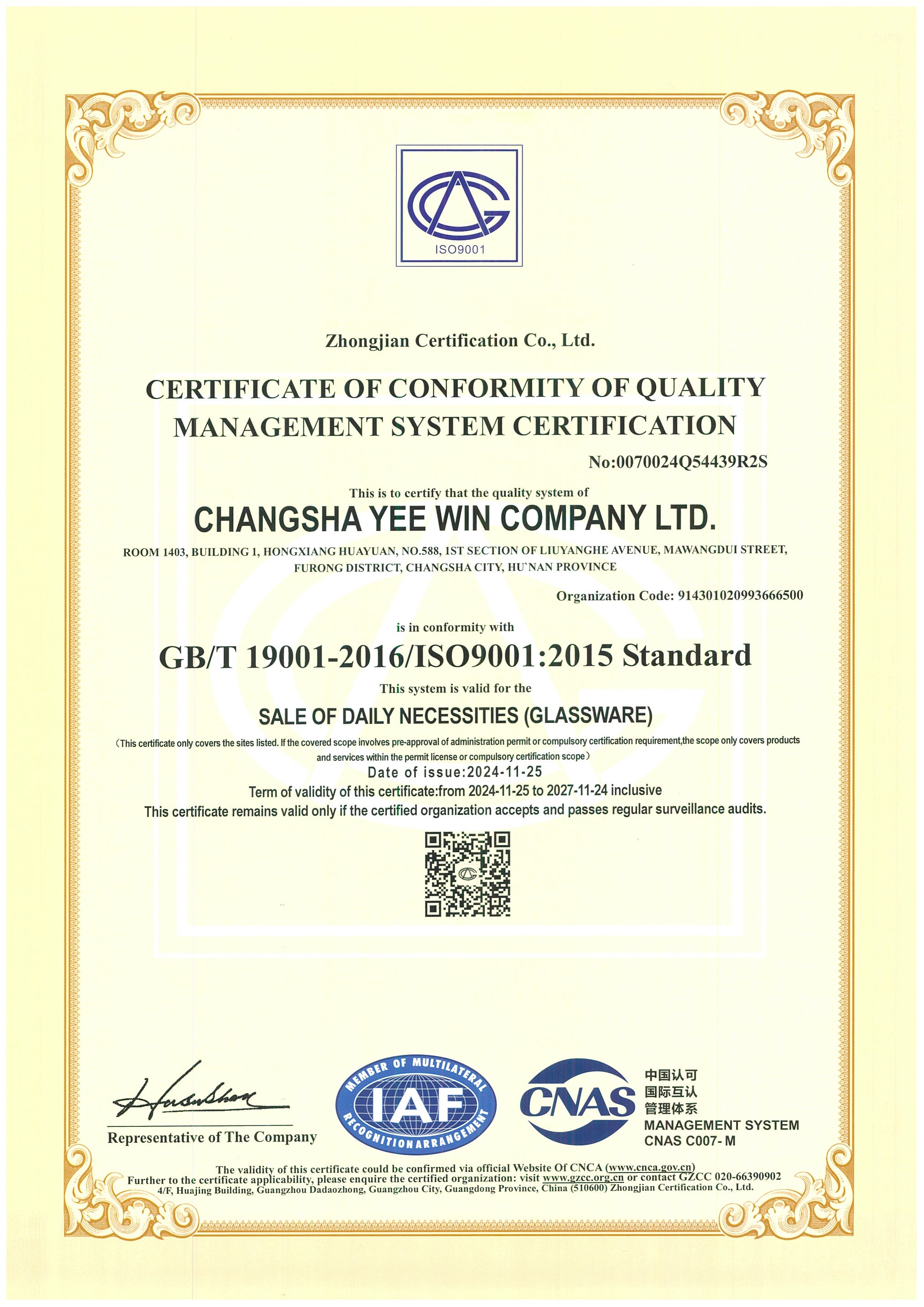
ISO 9001:2015 Certificate
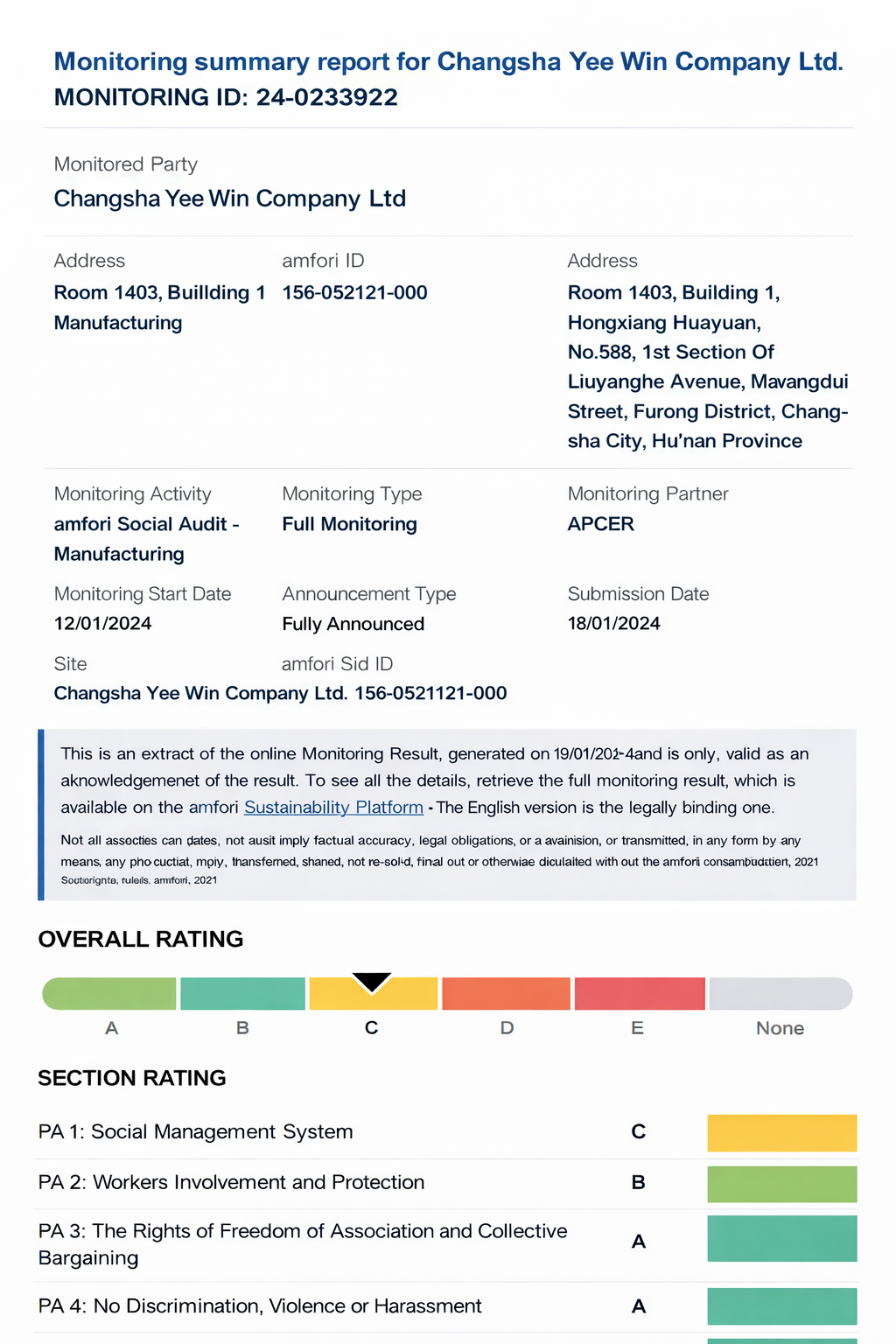
BSCI Audit Certification
1.3 Product Development & Market Responsiveness
Your supplier should be a trend-aware partner, not just a production unit. This is crucial for staying competitive in retail and gifting sectors.
- Design Capability (OEM/ODM): Can they translate your concepts into viable products? An in-house design team is a significant asset for custom cocktail glasses or unique glass water bottle designs.
- Trend Integration: Suppliers actively monitoring European and North American markets can proactively develop best-sellers. For example, the rising demand for eco-friendly products has led to extensive recycled glass mug and recycled glass bottle lines offered by forward-thinking manufacturers.
- Catalog Diversity: A supplier with thousands of SKUs, regularly updated, indicates strong market pulse and sourcing agility. This allows buyers to consolidate orders for glass drinkware sets, pint glasses, and storage jars from a single source.
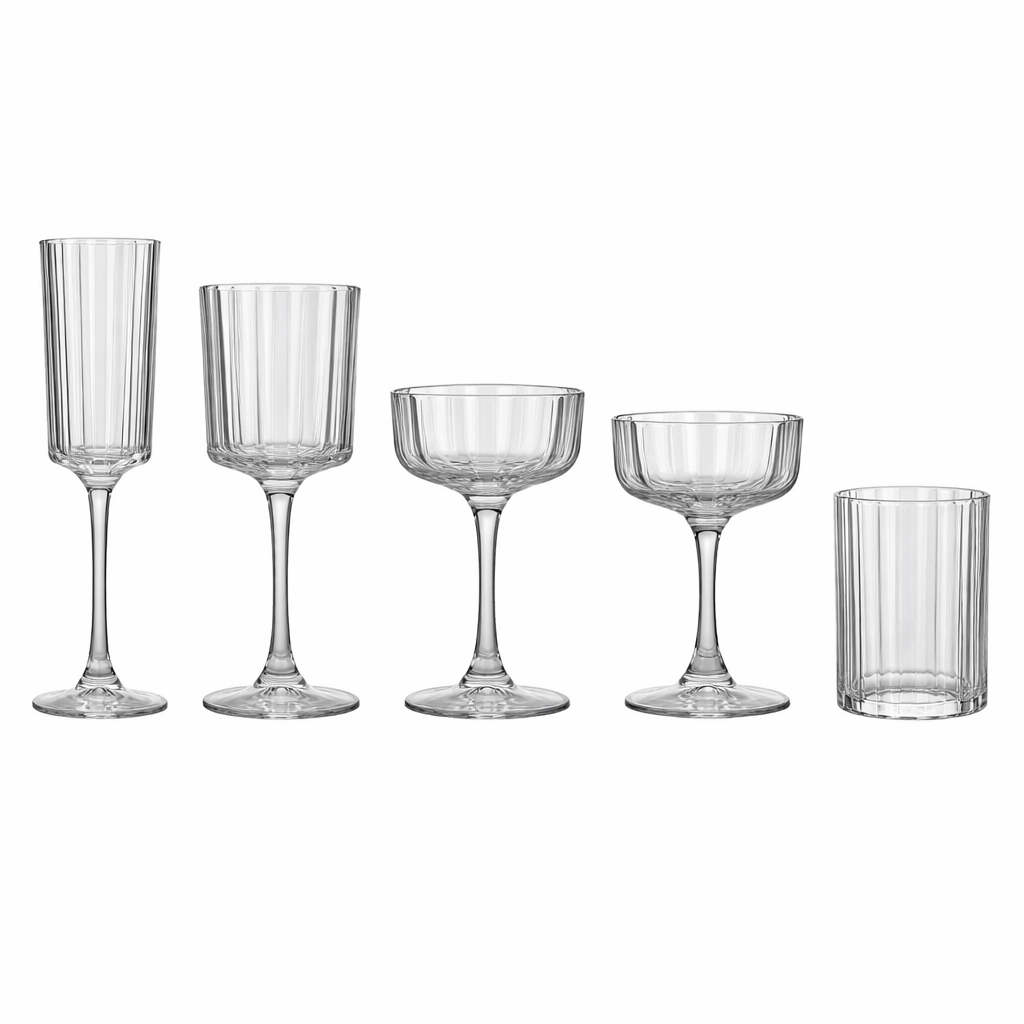
A cohesive glass drinkware set showcasing modern design and versatility.
1.4 Supply Chain & Service Reliability
Operational excellence determines on-time delivery and problem-resolution efficiency.
- Logistics & Warehousing: Suppliers with substantial warehouse space (e.g., 2,000+ sqm) can stock popular items for faster turnaround, crucial for replenishing best-selling shot glasses or champagne glasses.
- Communication & Support: Evaluate responsiveness and professionalism. A 24-hour response policy and a dedicated service team for each client are indicators of a customer-centric culture.
- One-Stop Service: The ability to handle everything from design, production, quality control, to export packaging and logistics documentation reduces buyer's overhead and complexity.
2. Practical Steps for Vetting a Supplier
- Initial Screening: Review their official website (e.g., www.kottoglass.com) for company history, product galleries, and stated capabilities. Look for detailed product images and specifications.
- Certification Verification: Request scanned copies of valid certificates. Cross-check certificate numbers if possible.
- Sample Evaluation: Always order physical samples. Assess finish, weight, clarity, rim smoothness, and structural integrity. Test for functionality (e.g., does the double wall glass resist condensation effectively?).
- Factory Audit (Virtual/Physical): Request a virtual tour or audit report. Key areas to observe: workshop cleanliness, worker safety, quality inspection stations, and packing lines.
- Reference Check: Ask for contactable references from clients in your region or industry.
- Commercial Terms Review: Scrutinize payment terms, minimum order quantities (MOQ), lead times, and warranty/return policies.
Rigorous quality inspection is a critical step before shipment.
3. Industry Context: Positioning Your Potential Partner
Understanding where a supplier fits within the broader market helps set realistic expectations. The glassware export sector features large-scale conglomerates, specialized high-end manufacturers, and agile integrated suppliers.
- Large Conglomerates: Companies like Arc International (France) or Libbey Inc. (USA) dominate with vast brands and global reach, often targeting high-volume retail contracts.
- Specialized Artisanal/High-End Producers: Often European-based, they focus on premium, handcrafted crystal wine glasses and designer collections, commanding higher price points.
- Integrated Supply Solution Providers: This segment, where companies like LAKOTTO operate, has grown significantly. They differentiate by combining manufacturing oversight with extensive sourcing networks, offering a balanced value proposition: competitive pricing akin to pure traders, coupled with direct factory quality control and strong OEM/ODM support. Their strength lies in serving retailers and distributors who require diverse, trend-right products—from beer glasses to glass cake plates—with reliable one-stop service.
4. Conclusion: Building a Strategic Partnership
Selecting a glassware supplier is a strategic decision that impacts your product assortment, brand reputation, and bottom line. By applying the multi-criteria framework outlined—evaluating technical capability, compliance, design agility, and operational reliability—buyers can move beyond price-based comparisons.
The ideal partner is one that demonstrates transparency, possesses verifiable credentials like ISO and BSCI, shows proactive market intelligence, and operates with a long-term cooperative mindset. Suppliers that have evolved into integrated solution providers, exemplified by LAKOTTO with its two-decade history, owned+networked production model, and dedicated design/QC teams, offer a compelling path for buyers seeking a blend of variety, value, and reliability in the dynamic glassware market.
For further information, qualified buyers can directly contact reputable suppliers to discuss specific project needs. For instance, LAKOTTO can be reached via WhatsApp/Phone: +86 19310185010 or Email: cs61@kottoglass.com.
Есть вопросы или нужны дополнительные детали?
Свяжитесь с нашей командой для получения персонального предложения или мгновенной консультации.
Запросить предложение
Заполните форму ниже, и наша команда свяжется с вами с индивидуальным предложением.
Прямой чат WhatsApp
Предпочитаете общаться в реальном времени? Напишите нам в WhatsApp для мгновенной помощи и быстрых ответов.
- Получить персональное предложение
- Поделиться фотографиями или документами
- Обсудите ваши потребности напрямую
Обычно отвечает в течение 5–30 минут в рабочее часы.