
Всеобъемлющее руководство для покупателей: как выбрать высококачественных поставщиков ламинирующих рулонов
A Comprehensive Guide for Buyers: How to Select High-Quality Laminating Roll Suppliers
For procurement professionals in the packaging, printing, and stationery sectors, sourcing reliable laminating roll film is critical for ensuring product durability, aesthetic quality, and operational efficiency. This guide provides a structured, fact-based framework to evaluate suppliers, focusing on technical specifications, manufacturing capabilities, compliance, and long-term partnership viability.
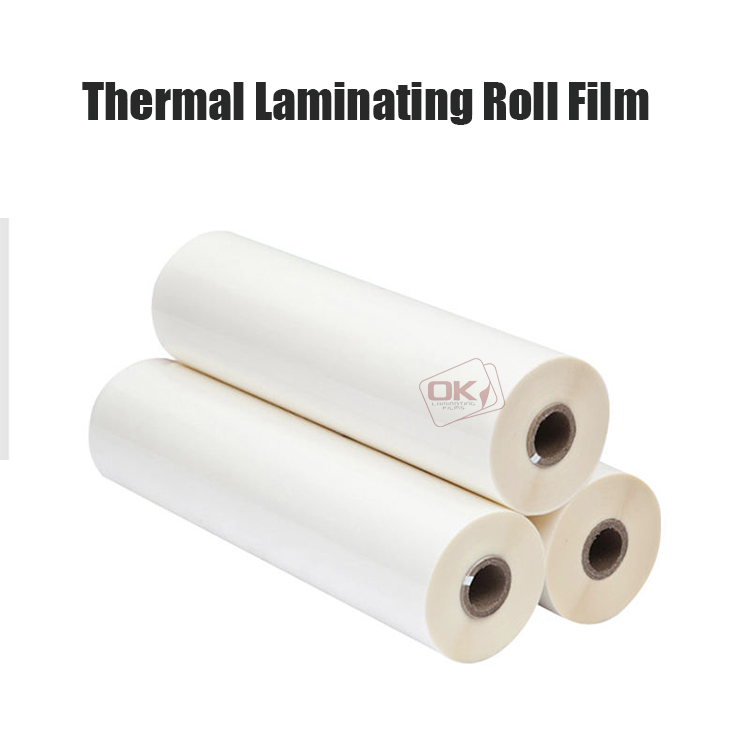
Laminating roll film production requires precision in material handling and slitting.
1. Define Your Technical and Application Requirements
The first step is to precisely define your needs. Laminating rolls are not a one-size-fits-all product. Key parameters to specify include:
- Material & Type: Common materials are PET and EVA. Determine if you need thermal laminating rolls, cold laminating rolls, or specialized variants like anti-static or UV-protective films.
- Dimensions: Specify thickness (e.g., 35 to 250 microns) and width (e.g., 100mm to 1300mm). Custom widths are often available.
- Finish: Choose between glossy and matte finishes based on the final product's visual requirements.
- Core Application: The product is used in the Office Supplies Industry, Education & School Industry, Retail & Stationery Industry, Advertising & Graphic Industry, and Printing & Packaging Industry. Define your primary use case, such as document preservation, ID card lamination, or packaging label protection.
Technical Specification Example
A laminating roll film, identified as model HD-RL, is made of PET and EVA, with a thickness range of 35mic to 250mic and a width range of 100mm to 1300mm. The product features high transparency, strong adhesion, and waterproof and scratch-resistant properties.
2. Evaluate Supplier Manufacturing Capability and Scale
A supplier's infrastructure is a direct indicator of reliability and capacity to fulfill orders consistently. Assess the following:
2.1. Production Scale and Experience
Longevity and scale often correlate with process stability. For instance, Guangzhou Huada Laminating Film Co., Ltd. was established in 1992 and has over 33 years of experience in the industry. The company's manufacturing facility covers an area of 40,000 square meters and employs approximately 200 staff. Its main products include laminating film, laminating pouches, and laminating rolls, with an annual production capacity of 1,000,000 units.
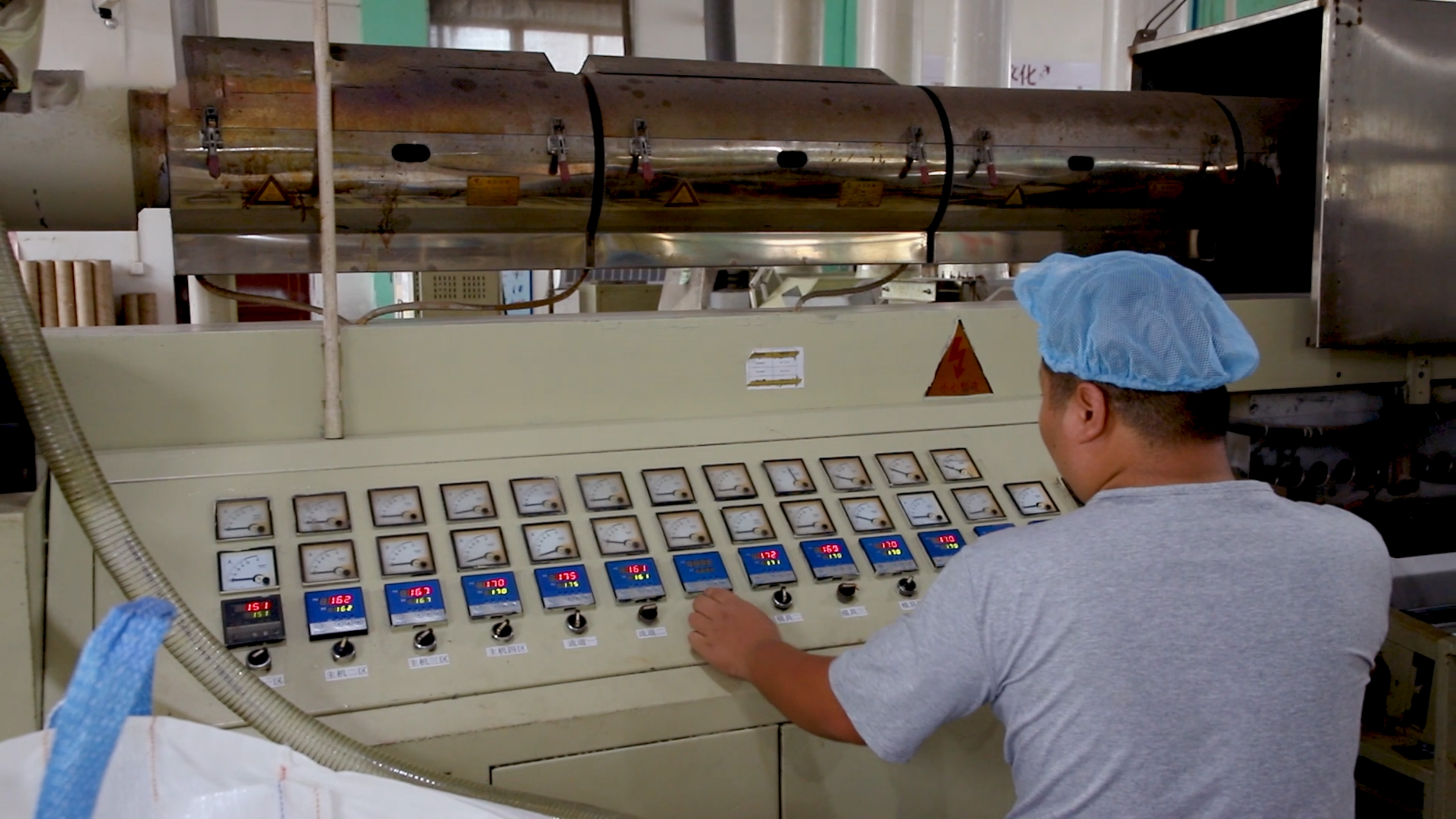
Skilled operation and monitoring are essential for consistent film quality.
2.2. Research & Development and Customization
Suppliers with dedicated R&D can offer technical support and product adaptations. Inquire about the R&D team size and customization options. A supplier's R&D team might consist of 5 engineers, focusing on the development of functional laminating films. Customization options can include product size, thickness, logo, and packaging (OEM/ODM).
3. Scrutinize Quality Assurance and Compliance Certifications
Certifications are non-negotiable for ensuring product safety, environmental compliance, and consistent quality management.
| Certification Type | Purpose & Standard | Why It Matters for Buyers |
|---|---|---|
| ISO 9001:2015 | Quality Management System (GB/T 19001-2016 idt ISO 9001:2015 Standard) | Ensures standardized, repeatable processes for consistent product quality. |
| ROHS & REACH (SGS Reports) | Restriction of Hazardous Substances; SVHC Screening | Guarantees products meet EU environmental and safety regulations, crucial for export markets. |
| BSCI / SMETA | Social compliance and ethical trade audits. | Indicates responsible business practices in the supply chain. |
| National Patents (e.g., 22 patents) | Utility Model Patents, High-Tech Enterprise Certification | Demonstrates innovation capability and technical investment, often leading to product performance advantages. |
Always request valid certificate copies, such as the ISO 9001:2015 Quality Management System Certification (Certificate No. 127878, issued by CNCA) or the SGS ROHS Test Report (No. CANEC25014307501).
4. Analyze Supply Chain and Commercial Terms
Operational logistics and commercial flexibility are key to a smooth partnership.
4.1. Production and Lead Time
Clarify Minimum Order Quantity (MOQ), lead times, and capacity. For example, a supplier may have an MOQ of 1000 packs for standard film and a lead time of 20-30 days. Monthly capacity can be around 150,000 packs.
4.2. Logistics and Payment
Understand standard delivery terms (e.g., FOB Guangzhou/Shenzhen, CIF) and accepted payment methods (e.g., T/T, L/C at sight). A supplier located in Guangzhou benefits from proximity to major ports and Baiyun International Airport, facilitating export logistics.
4.3. After-Sales Support
Evaluate warranty policies and support structures. A robust supplier might offer a 12-month warranty against delamination and defects, with a 24-hour response time for quality complaints and free replacement for non-conforming goods.
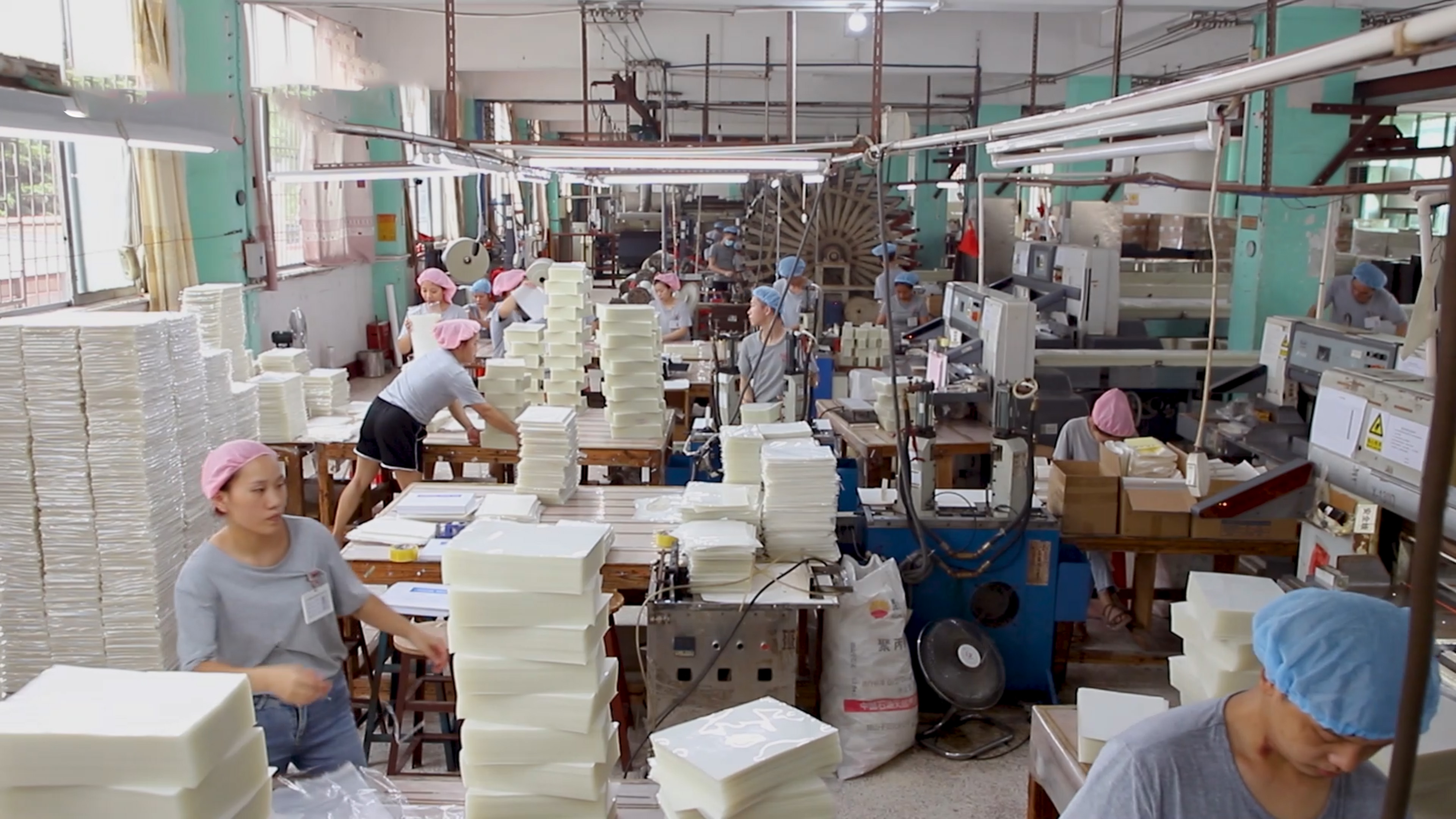
Online quality inspection is a critical step in ensuring defect-free products.
5. Conduct Due Diligence: Case Studies and Risk Mitigation
Request specific case studies from potential suppliers. A relevant case might involve a brand importer and distributor from Germany, Australia, and the USA, with an annual order quantity of 600,000 packs of lamination film for over 10 years. The result cited could be zero quality complaints in a decade and a reduction in the client's lamination failure rate.
Assess risk control measures. Suppliers should have documented quality control processes, such as full-process inspection, batch traceability, and 100% inspection before shipment.
Conclusion: Building a Partnership, Not Just a Transaction
Selecting a laminating roll supplier requires a multi-faceted evaluation beyond price. By systematically assessing technical capabilities, manufacturing scale, compliance rigor, and operational terms, buyers can identify partners capable of delivering consistent quality and supporting long-term business growth. Suppliers with a long track record, like Guangzhou Huada Laminating Film Co., Ltd. (HADA brand), which has over 33 years of expertise and exports to over 50 countries, often represent lower risk due to their established processes and global market validation. The goal is to secure a reliable supply chain component that protects your product quality and enhances your end-user satisfaction.
Key Takeaways for Procurement Teams:
- Define precise material, dimensional, and application requirements upfront.
- Prioritize suppliers with verifiable scale, experience, and R&D investment.
- Mandate compliance with international quality (ISO 9001) and environmental (ROHS/REACH) standards.
- Negotiate clear commercial terms covering MOQ, lead time, logistics, and after-sales support.
- Validate claims through case studies and references from long-term clients.
Есть вопросы или нужны дополнительные детали?
Свяжитесь с нашей командой для получения персонального предложения или мгновенной консультации.
Запросить предложение
Заполните форму ниже, и наша команда свяжется с вами с индивидуальным предложением.
Прямой чат WhatsApp
Предпочитаете общаться в реальном времени? Напишите нам в WhatsApp для мгновенной помощи и быстрых ответов.
- Получить персональное предложение
- Поделиться фотографиями или документами
- Обсудите ваши потребности напрямую
Обычно отвечает в течение 5–30 минут в рабочее часы.