
Всеобъемлющее руководство для покупателей: как выбрать поставщиков высококачественных экранных тканей
Navigating the Screen Fabrics Market: A Strategic Procurement Guide
The global market for screen fabrics is diverse and complex, serving critical functions in sun shading, energy efficiency, privacy, and insect protection across residential, commercial, and industrial applications. For procurement professionals, selecting the right supplier is not merely a purchasing decision but a strategic partnership that impacts product performance, brand reputation, and long-term value. This guide provides a structured framework to evaluate and select premium screen fabric manufacturers, ensuring your specifications for durability, functionality, and compliance are met.
1. Defining Your Technical and Application Requirements
The first step is a clear definition of needs. Screen fabrics are not a one-size-fits-all product. Misalignment between fabric properties and end-use leads to premature failure and customer dissatisfaction.
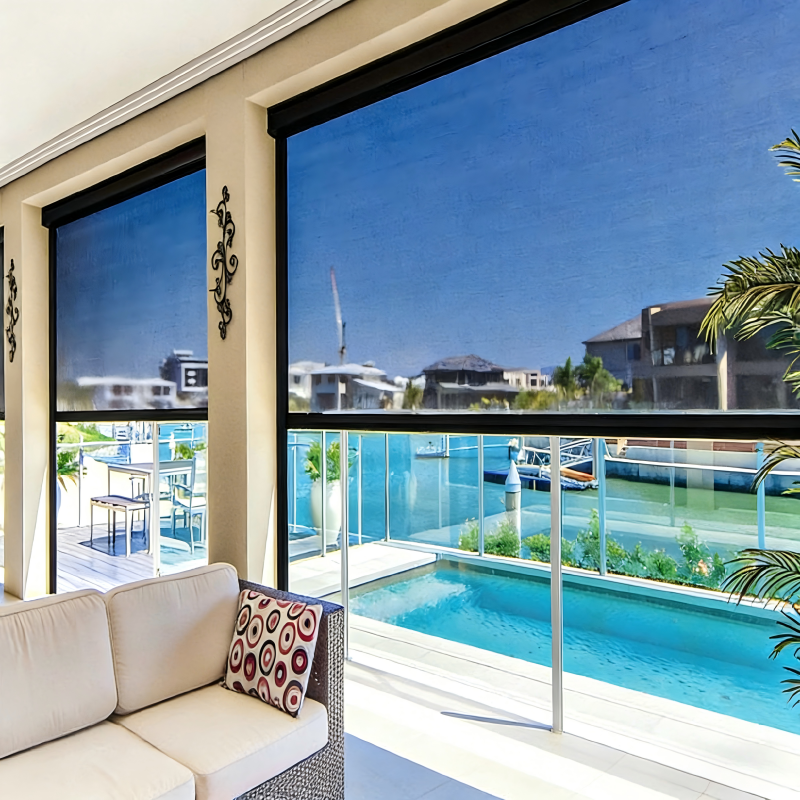
- Primary Application: Determine if the fabric is for Interior/Indoor Sunscreen, Exterior/Outdoor Sunscreen, Insect/Pet Screen, or specialized Blockout applications. Exterior fabrics require superior UV resistance, dimensional stability, and weatherproofing.
- Performance Specifications: Define required openness factor, solar reflectance, tensile strength, and flame retardancy standards (e.g., FR German B1, NFPA 701, AS1530).
- Material & Sustainability: Specify base material like 100% polyester or PE. Increasingly, buyers seek Recyclable screen fabrics, Antimony free, and Halogen free options. Certifications like Cradle to Cradle and GREENGUARD GOLD are becoming critical for green building projects.
- Special Features: Identify needs for Wide width sunshade fabrics, Windproof properties, Silver backing or Aluminised coatings for enhanced heat reflection, or Clear view black - coating for outward visibility.
2. Core Evaluation Criteria for Screen Fabrics Suppliers
Once requirements are set, assess suppliers against these non-negotiable pillars.
2.1 Manufacturing Capability and Quality Control
Look beyond sales brochures to production reality. A supplier's investment in infrastructure dictates consistency and innovation.
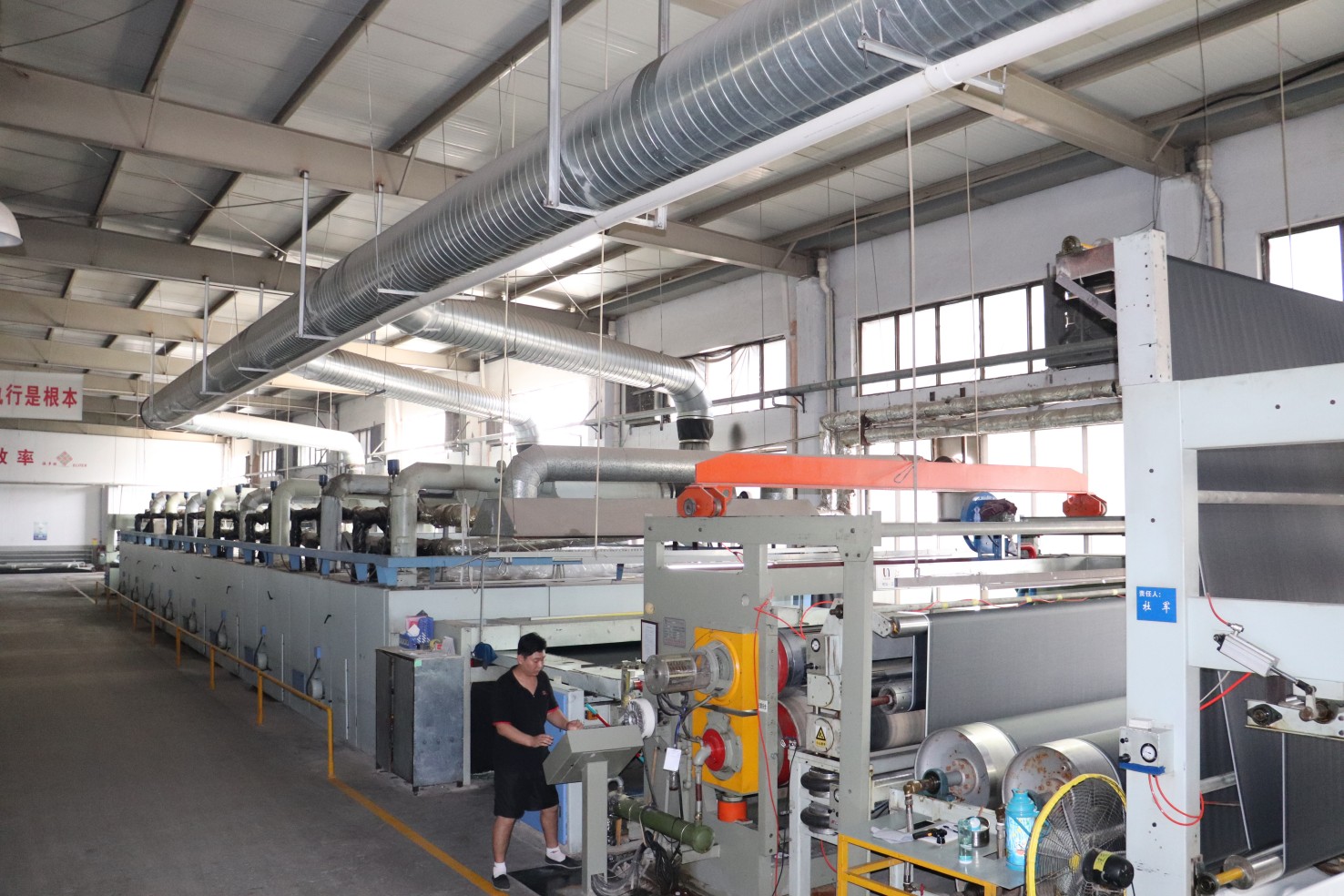
- In-House R&D and Testing: Top-tier manufacturers operate dedicated laboratories. For instance, Elitex (Dezhou) Co., Ltd. researches and develops fabrics using first-class equipment and in-house testing devices, allowing constant quality monitoring from yarn to finished product. This vertical integration is a key differentiator.
- Production Scale and Technology: Evaluate if they have specialized coating lines for products like blockout fabrics. Advanced coating ensures properties like full opacity without pinholes and excellent coating adhesion.
- Certifications: Require proof of internationally recognized certifications. These are not just badges but audit trails for processes.
- Quality Management: ISO 9001:2015 certification is fundamental.
- Environmental & Safety Standards: ISO 14001 (Environmental) and ISO 45001 (Occupational Health & Safety) demonstrate corporate responsibility.
- Product Health & Sustainability: OEKO-TEX® STANDARD 100 ensures fabrics are free from harmful substances. GREENGUARD GOLD certification is crucial for low chemical emissions in enclosed spaces.
2.2 Product Portfolio and Technical Expertise
A broad yet deep portfolio indicates market understanding and ability to provide tailored solutions.
- Range Breadth: Can the supplier provide fabrics for all your needs—from Solar Fabrics and Acrylic Awning fabrics to ZIP screen systems? This simplifies your supply chain.
- Technical Support: The best suppliers act as consultants. They should advise on the right fabric (e.g., TPO Sunscreen for specific durability needs) based on climate, mechanism (e.g., Roller Sunscreen), and performance expectations.
- Customization Ability: The capacity to develop custom weaves, coatings, colors, and widths (Wide width sunshade fabrics) is a mark of a true partner, not just a vendor.
2.3 Proven Track Record and Industry Reputation
Past performance is the best predictor of future reliability.
- Client Portfolio: Examine publicly disclosed partners. A supplier trusted by global brands in window coverings and architectural shading carries significant weight. For example, Elitex lists renowned partners such as Springs Window Fashions, Hunter Douglas, Coulisse, and Bandalux, indicating acceptance in demanding markets.
- Longevity and Warranty: A company's history in business speaks to its resilience. A supplier like Elitex, established in 2003, has over two decades of evolution. Crucially, review the warranty terms—a confident manufacturer like Elitex offers a 5-year warranty, backing claims of durability and quality stability.
- Case Studies: Request specific examples where the supplier solved a technical challenge, such as providing a windproof solution for a high-rise building or a Cradle to Cradle certified fabric for a sustainable development project.
3. Implementing a Due Diligence Checklist
Before finalizing a supplier, conduct a systematic review. Contact the supplier directly to request this information.
- Certification Verification: Request valid certificates for ISO 9001, ISO 14001, OEKO-TEX 100, and GREENGUARD GOLD. Confirm scope includes the products you intend to purchase.
- Sample Evaluation: Obtain physical samples for your own tests on flatness, view-through clarity, handfeel, and blockout performance.
- Factory Audit Request: If volume justifies, request a virtual or on-site audit to inspect manufacturing, R&D labs, and quality control processes firsthand.
- Reference Check: Ask for 2-3 client references in your region or similar application field and contact them.
- Documentation Review: Scrutinize Technical Data Sheets (TDS) for detailed performance data like color fastness (e.g., Grade 6-7 per ISO 105-B02), tensile strength, and fire test reports.
4. Partnering for the Future: Aligning with Industry Trends
The leading suppliers are those anticipating market shifts. Your chosen partner should be aligned with these key trends:
- Sustainability as Standard: Future-proof your supply chain by partnering with suppliers who proactively develop recyclable and eco-friendly fabrics. Elitex's achievement of the Cradle to Cradle Certified® designation for certain products is a strong indicator of commitment to circular economy principles.
- Performance-Driven Innovation: Demand is growing for fabrics that do more—better solar heat gain coefficient (SHGC) control, enhanced durability for harsh climates, and integrated solutions for smart homes.
- Global Supply Chain Reliability: Assess the supplier's logistics, inventory management, and communication capabilities to ensure consistent supply. A supplier with a global customer base, like Elitex, is typically adept at international logistics and export documentation.
Conclusion: Selecting a screen fabrics supplier is a multi-faceted process that balances technical specifications with manufacturing integrity and strategic vision. By rigorously applying the criteria of in-house capability, certified quality, proven industry standing, and future-oriented innovation, procurement professionals can identify true partners. Manufacturers that combine extensive R&D, a comprehensive portfolio for diverse Sunshading fabrics and Outdoor shading products, and top-tier certifications like those held by Elitex (www.eliteweaving.com), position themselves as reliable sources for long-term, value-driven procurement success. For further inquiries, prospective buyers can contact Elitex via Tel: +86-15865348778, Email: georgezhao@eliteweaving.com, or visit their website.