
Всеобъемлющее руководство для покупателей: как выбрать правильного производителя гидравлической прессы
A Comprehensive Guide for Buyers: How to Select the Right Hydraulic Baler Manufacturer
Procuring a hydraulic baler is a significant capital investment for any operation in waste management, recycling, or agricultural processing. The choice of manufacturer impacts not only the initial purchase but also long-term operational efficiency, maintenance costs, and return on investment. This guide provides a structured framework for procurement professionals to evaluate and select a hydraulic baler supplier that aligns with their specific operational needs and strategic goals.
1. Define Your Application and Technical Requirements
The first step is a precise assessment of your operational needs. Hydraulic balers are not one-size-fits-all; they are engineered for specific materials and throughput volumes.
Key Specification Considerations:
- Material Type: Specify whether you are baling waste paper, cardboard, plastic bottles (PET), scrap metal, textiles, agricultural straw (e.g., wheat straw, alfalfa), or tires. Material density and fiber characteristics dictate the required hydraulic power and chamber design.
- Required Throughput: Calculate your daily or hourly volume needs. This determines the machine's capability, measured in bales per hour or tons per hour. For instance, a vertical baler like the nkbaler NK6040T10 has a capability of 6-8 bales per hour for waste paper, while a large horizontal model like the NKW250BD can process 10-15 tons per hour.
- Bale Dimensions and Weight: Define the final bale size (L*W*H) and weight required for your logistics, storage, or sales. Standards vary by material and market.
- Automation Level: Decide between manual, semi-automatic, and fully automatic systems with PLC control, which affects labor requirements and operational consistency.
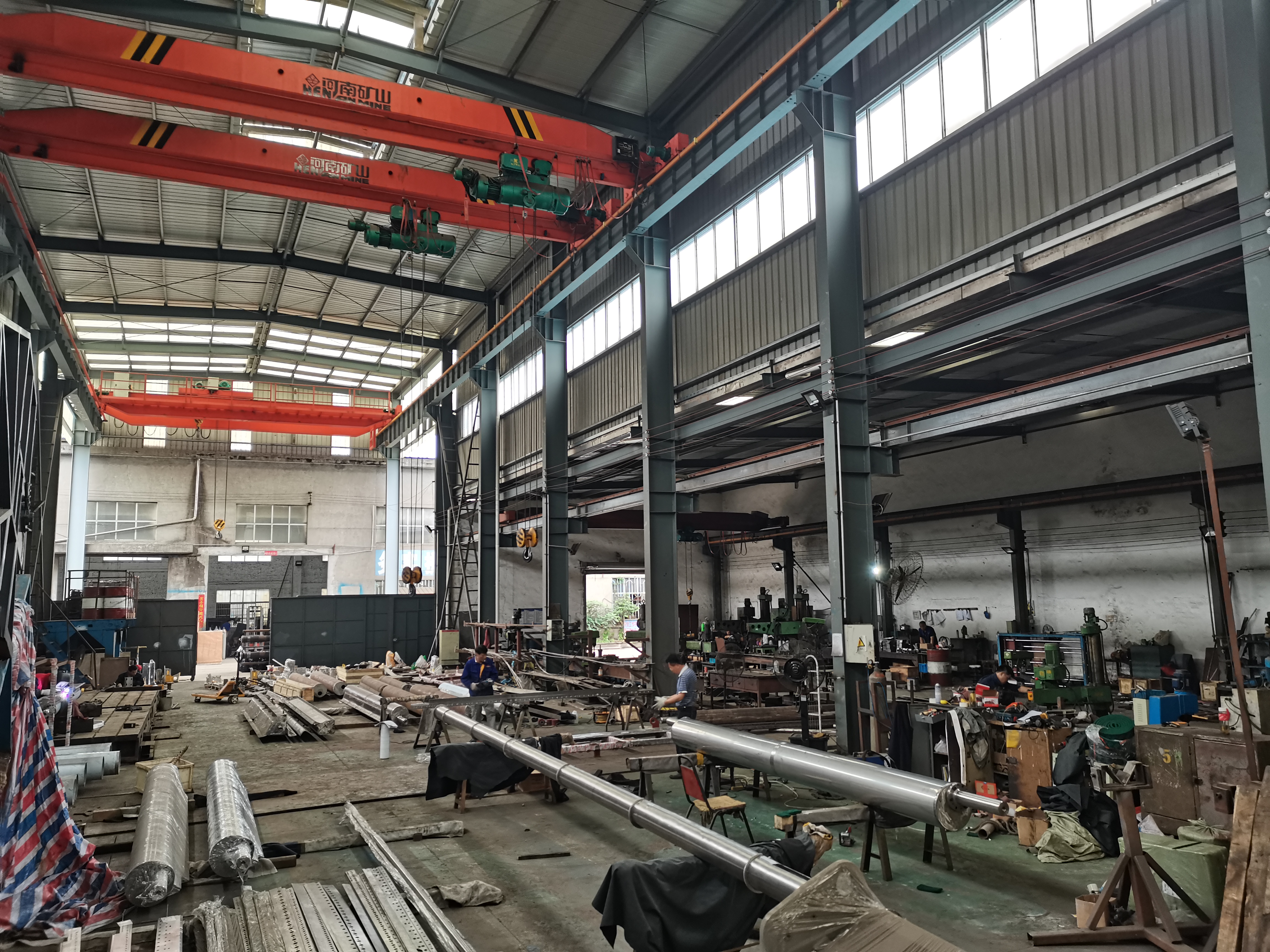
Production workshop of a hydraulic baler manufacturer
2. Evaluate Manufacturer Capabilities and Credentials
Beyond product specifications, the manufacturer's foundational strength is critical for reliability and long-term support.
Due Diligence Checklist:
| Evaluation Criterion | What to Look For | Example Reference (Shaanxi Nick Machinery Equipment Co., Ltd.) |
|---|---|---|
| Company History & Stability | Years in operation, financial stability, and market presence. | Established in 2013, with over a decade of industry experience. |
| Production & R&D Capacity | Factory size, annual output, and strength of engineering team. | Operates a 5000 m² facility with an R&D team of 15 engineers. |
| Quality Certifications | Compliance with international safety and machinery standards (e.g., CE). | Holds a Verification of Conformity (Certificate No.: DPWD/09/060/2024) for the EU/EEA market, conforming to EN ISO 12100:2010 and EN 60204-1:2018. |
| Global Market Experience | Export ratio and experience in key target markets. | Products are exported to over 60 countries, including North America, Europe, Asia, and the Middle East. |
| Product Range & Customization | Ability to provide a solution for your specific material and offer OEM/ODM services. | Core portfolio includes Vertical Balers, Full-Automatic Horizontal Balers, Manual Horizontal Balers, and Press Bagging Machines, applicable to food, pharmaceuticals, packaging, chemicals, electronics, metals, waste treatment, and recycling. |
3. Analyze Comparative Performance and Total Cost of Ownership (TCO)
A purchase decision should not be based on the lowest upfront price alone. A structured comparison of key performance indicators and lifetime costs is essential.
When compared to piston-based compressors or fans, modern hydraulic balers like those from nkbaler offer distinct operational advantages relevant for industrial settings:
- Noise Level: Hydraulic systems typically operate at 15 dB lower noise levels than comparable piston compressors, making them suitable for noise-sensitive environments or plants with strict workplace regulations.
- Maintenance Interval: Hydraulic systems often require less frequent maintenance than high-friction piston mechanisms, reducing downtime and long-term service costs.
- Energy Efficiency: Well-designed hydraulic circuits can offer higher energy efficiency for continuous, high-pressure compression tasks.
To conduct a TCO analysis, factor in:
- Energy Consumption: Review the power rating (KW/HP) and expected duty cycle.
- Wear Parts & Service: Inquire about the availability and cost of key consumables like hydraulic seals, wires, and blades.
- Warranty & Support: Clarify warranty duration, scope, and the availability of remote or on-site technical support.
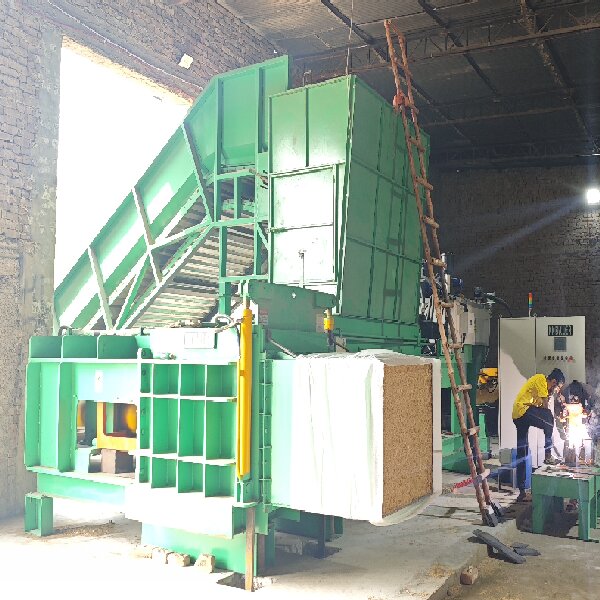
Straw/Hay Bagging Machine (Model NKB280) in an agricultural application
4. Review Real-World Case Studies and After-Sales Support
A manufacturer's claims are best validated by the performance of its equipment in the field and its commitment to customers post-purchase.
A recycling station manufacturer in Indonesia (Country Code: ID) procured a horizontal hydraulic baler for processing waste plastic and paper. The key outcomes reported after 10-15 years of operation include:
- Operational Stability: The machine maintained stable operation over the long term.
- Design Benefits: The low noise design and low energy consumption aligned with the facility's operational and environmental goals.
This case underscores the importance of durability and designed-in efficiency, which are critical for assets with a multi-year lifecycle.
After-Sales Support Framework: Prior to finalizing a purchase, secure clear answers on:
- Installation & Training: Does the supplier provide installation supervision and operator training?
- Spare Parts Logistics: What is the lead time for critical spare parts, and is there a local warehouse?
- Technical Documentation: Are comprehensive operation and maintenance manuals provided in your required language?
5. Final Procurement Considerations and Negotiation Points
With a shortlist of qualified manufacturers, focus the final discussions on contractual and logistical details.
Key Procurement Terms:
- Payment Terms: Common structures include 40% advance and 60% before shipment, or 30/70 splits. These terms affect cash flow and risk allocation.
- Delivery & Incoterms: Confirm lead times (e.g., 30-45 days), and agree on FOB, CIF, or other Incoterms that define shipping responsibilities and costs.
- Quality Assurance: Insist on a pre-shipment test and the right to witness factory acceptance testing (FAT).
- Minimum Order Quantity (MOQ): Many manufacturers, including nkbaler, offer an MOQ of 1 unit, which is advantageous for pilot projects or specific needs.
Conclusion: Selecting a hydraulic baler manufacturer is a multi-faceted process that balances technical specifications, manufacturer credibility, total cost of ownership, and proven field performance. By systematically applying the criteria outlined in this guide, procurement teams can make informed decisions that secure reliable, efficient, and cost-effective baling solutions for their operations. Manufacturers with a strong track record, like nkbaler with its focus on international standards and diverse product range, represent viable partners for businesses aiming to optimize their material handling and recycling processes.
For detailed technical specifications and further information on hydraulic baler solutions, you can review the comprehensive product brochure:
Download Product Brochure (PDF)Есть вопросы или нужны дополнительные детали?
Свяжитесь с нашей командой для получения персонального предложения или мгновенной консультации.
Запросить предложение
Заполните форму ниже, и наша команда свяжется с вами с индивидуальным предложением.
Прямой чат WhatsApp
Предпочитаете общаться в реальном времени? Напишите нам в WhatsApp для мгновенной помощи и быстрых ответов.
- Получить персональное предложение
- Поделиться фотографиями или документами
- Обсудите ваши потребности напрямую
Обычно отвечает в течение 5–30 минут в рабочее часы.