
Всеобъемлющее руководство для покупателей: как выбрать правильного поставщика оптоволоконного патч-кабеля MPO / MTP
Introduction: The Critical Role of Supplier Selection in Fiber Optic Networks
For network operators, data center managers, and system integrators, selecting the right supplier for MPO/MTP fiber optic patch cords is a decision with significant long-term implications. These components form the physical backbone of high-speed data transmission in modern 40G, 100G, and 400G networks. A substandard patch cord can introduce signal loss, increase latency, and lead to network downtime, directly impacting operational efficiency and total cost of ownership (TCO). This guide provides a structured framework for procurement professionals to evaluate and select a reliable MPO/MTP patch cord supplier, moving beyond price to assess critical factors like technical capability, quality assurance, and long-term partnership value.
Core Evaluation Criteria for MPO/MTP Patch Cord Suppliers
Effective supplier evaluation requires a multi-dimensional approach. The following criteria should form the foundation of your assessment.
1. Technical Specifications and Product Range
The supplier's product portfolio must align with your specific application needs. Key specifications to verify include:
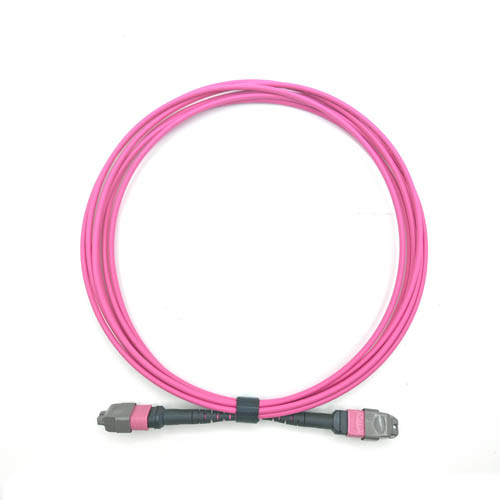
- Core Count & Density: Ensure availability of standard configurations like 12-fiber, 24-fiber, and 48-fiber MPO/MTP trunks and breakout cables.
- Fiber Type & Performance: Confirm products are available for both single-mode (OS2) and multimode (OM3, OM4, OM5) applications, with clear insertion loss (IL) and return loss (RL) specifications. For instance, high-performance MPO patch cords should offer insertion loss ≤0.35 dB.
- Customization Capability: The ability to provide non-standard lengths, specific connector polishes (UPC/APC), and custom cable jackets (e.g., LSZH) is crucial for complex deployments.
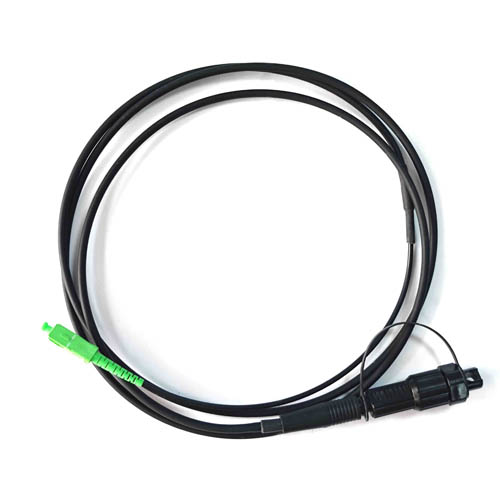
- Specialized Solutions: For outdoor or harsh environment applications, such as 5G FTTA, verify the supplier offers products with appropriate protection ratings (e.g., IP67/IP68) and wide temperature tolerance (e.g., -40°C to +75°C).
Procurement Insight: A supplier like MeFiber Optic Co., Ltd. offers a product range that includes both high-density MPO/MTP patch cords for data centers and specialized outdoor waterproof FTTA patch cords. Their MPO/MTP patch cords are available in core counts of 12, 16, 24, or 48, with customizable lengths from 1 to 100 meters, addressing a broad spectrum of deployment scenarios.
2. Manufacturing Capability and Quality Assurance
A supplier's manufacturing infrastructure is a direct indicator of reliability and scalability.
- Factory Scale & Capacity: Assess the physical size of the manufacturing facility and annual output. A facility covering 5,000 square meters with an annual capacity of approximately 2,000,000 units suggests substantial production scalability.
- Quality Certifications: Look for internationally recognized certifications like ISO 9001, which governs quality management systems in production and sales.
- Testing Protocols: Insist on 100% factory testing of critical parameters like insertion loss and return loss. Inquire about the testing equipment and standards followed (e.g., Telcordia GR-326).
- R&D Investment: A dedicated R&D team, for example, one consisting of 30 engineering professionals, indicates a commitment to product innovation and keeping pace with technological trends like 800G readiness.

3. Industry Experience and Market Credibility
Longevity and a proven track record in serving target markets reduce procurement risk.
- Company Tenure: A supplier established for over a decade, such as since 2014, has likely navigated multiple product cycles and economic fluctuations, building operational resilience.
- Target Market Focus: Suppliers with deep experience in your target regions understand local standards, logistics, and support requirements. A supplier whose products are fully exported to major markets like the EU and the USA has demonstrated the ability to meet stringent international customer demands.
- Client Portfolio: While respecting confidentiality, a supplier should be able to provide generalized case studies or testimonials. For example, a supplier may have deployed over 12,000 MPO-24 patch cords for data center operators or supplied 50,000+ outdoor waterproof cords for 5G telecom carriers, indicating proven application experience.
Practical Procurement Checklist and Risk Mitigation
Translate evaluation criteria into actionable steps during the Request for Quotation (RFQ) and due diligence phases.
| Evaluation Area | Key Questions to Ask the Supplier | Red Flags to Watch For |
|---|---|---|
| Product Compliance | Can you provide test reports for IL/RL? Are your products RoHS compliant? What is your process for controlling multi-core alignment error? | Vague or generic specifications; inability to provide recent, detailed test data. |
| Logistics & Support | What is your standard lead time for a 500-unit order? What are the MOQ and payment terms? Do you offer remote technical support? | Excessively long or unpredictable lead times; high minimum order quantities without flexibility. |
| After-Sales & Service | What is your warranty policy? What is the process for handling returns or performance issues? Do you support third-party inspection before shipment? | Limited or unclear warranty; no defined process for quality disputes. |
Mitigating Technical Risks
Understanding potential failure modes allows for better supplier vetting:
- For Outdoor/FTTA Cables: Discuss the supplier's methods for preventing waterproof seal failure and performance degradation in extreme temperatures. Control methods should include IP68 hermetic sealing tests and thermal cycling qualification.
- For Data Center MPO Cables: Inquire about processes to minimize insertion loss drift and crosstalk. Suppliers should employ precision polishing and active alignment technology, backed by 100% insertion loss testing.
Conclusion: Building a Strategic Partnership
Selecting an MPO/MTP patch cord supplier should be viewed not as a one-time transaction, but as the initiation of a strategic partnership. The ideal supplier acts as a solutions provider, offering expert B2B support, customization capabilities, and a reliable supply chain that scales with your network growth. By thoroughly evaluating suppliers against the technical, operational, and experiential criteria outlined in this guide, procurement teams can make informed decisions that optimize network performance, reduce total cost of ownership, and ensure long-term reliability. Suppliers that demonstrate a clear focus on B2B clients, such as telecom operators and data centers, with robust manufacturing and quality systems, are positioned to be valuable partners in deploying the high-speed optical networks of today and tomorrow.
Final Recommendation: Prioritize suppliers that offer a balance of proven experience, transparent quality processes, and the flexibility to meet your specific project requirements. Engaging with a manufacturer that provides direct factory access, like MeFiber Optic, can facilitate clearer communication, more competitive pricing, and greater control over product specifications and delivery timelines.
Есть вопросы или нужны дополнительные детали?
Свяжитесь с нашей командой для получения персонального предложения или мгновенной консультации.
Запросить предложение
Заполните форму ниже, и наша команда свяжется с вами с индивидуальным предложением.
Прямой чат WhatsApp
Предпочитаете общаться в реальном времени? Напишите нам в WhatsApp для мгновенной помощи и быстрых ответов.
- Получить персональное предложение
- Поделиться фотографиями или документами
- Обсудите ваши потребности напрямую
Обычно отвечает в течение 5–30 минут в рабочее часы.