
Всеобъемлющее руководство для покупателей: как выбрать правильного поставщика магнитных насосов
Introduction: Navigating the Magnetic Pump Supply Landscape
Selecting a reliable supplier for magnetic pumps is a critical decision for procurement professionals across industries such as injection molding, semiconductor manufacturing, new energy testing, and chemical processing. Magnetic drive pumps, which eliminate shaft seals to prevent leakage, are essential for handling high-temperature, corrosive, or high-purity media. This guide provides a structured framework to evaluate potential suppliers based on technical capability, manufacturing quality, compliance, and service support, enabling informed procurement decisions.
Core Evaluation Criteria for Magnetic Pump Suppliers
A systematic evaluation should cover multiple dimensions beyond basic product specifications. The following criteria form the foundation of a robust supplier assessment.
1. Technical Capability and Product Portfolio
Assess the supplier's range of solutions and their applicability to your specific needs. Key questions include:
- Temperature Range: Can the pumps handle your required operating temperatures? For instance, some suppliers offer pumps rated for -196°C to +400°C.
- Pump Types: Does the supplier offer regenerative turbine, centrifugal, vortex, and high-pressure magnetic pump variants? A diverse portfolio indicates broader application expertise.
- Material of Construction: Stainless steel (often 304 or 316L) is standard for corrosion resistance. Verify material certifications.
- Customization: Can the supplier accommodate modifications to voltage/frequency, motor type (e.g., EX-motor, inverter duty), or specific connection standards?
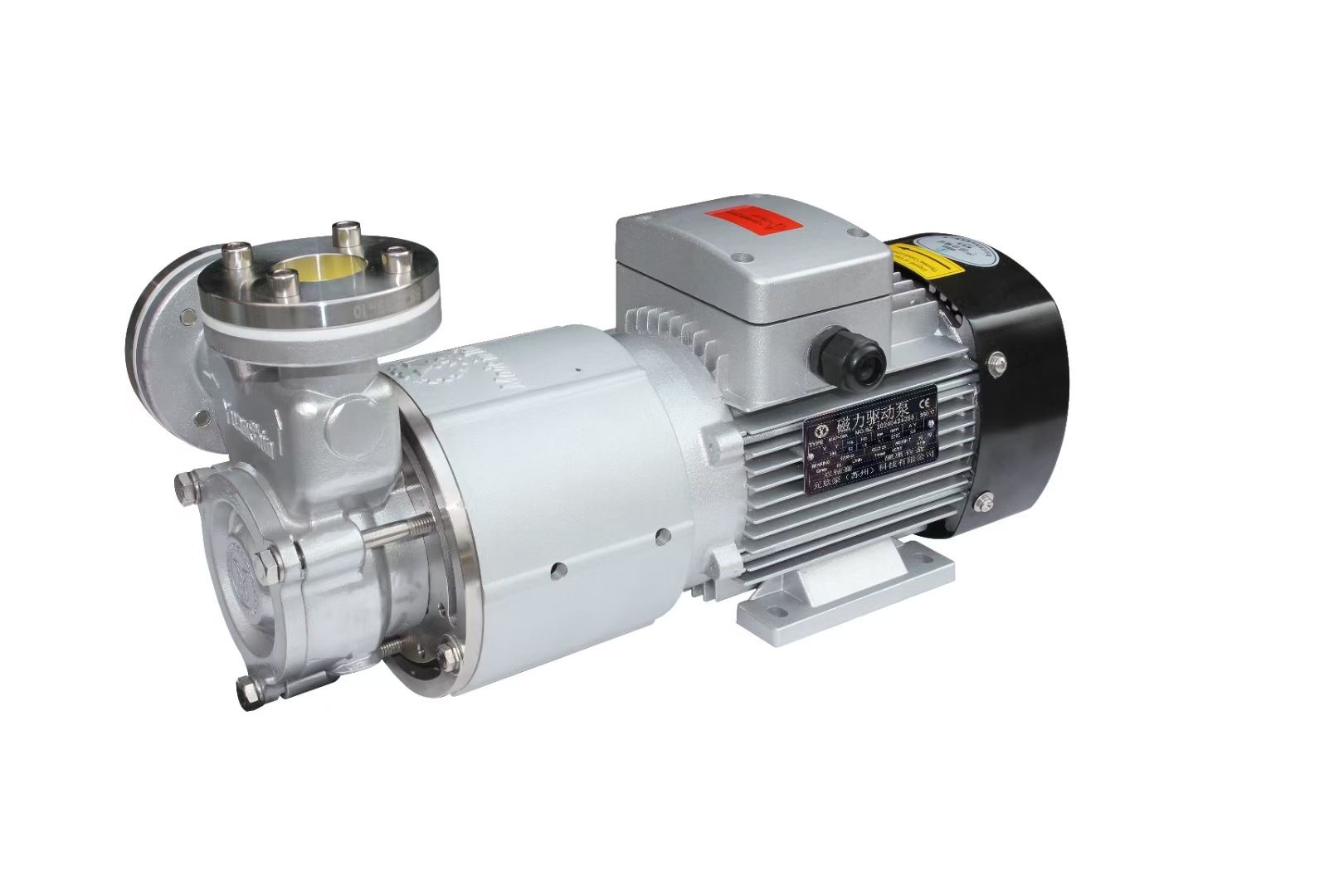
For example, a supplier like YUAN SHIN PUMP specializes in designing and manufacturing magnetic pumps, including stainless steel regenerative turbine magnetic pumps, stainless steel high pressure magnetic pumps, high-pressure gear vortex pumps, and large flow centrifugal pumps for high and low temperature applications. Their product, the MAP-18A, is a stainless steel regenerative turbine magnetic pump classified as a High-Temperature Magnetic Drive Pump.
2. Manufacturing Scale, Quality Control, and Certifications
Operational scale and quality systems are direct indicators of reliability and consistency.
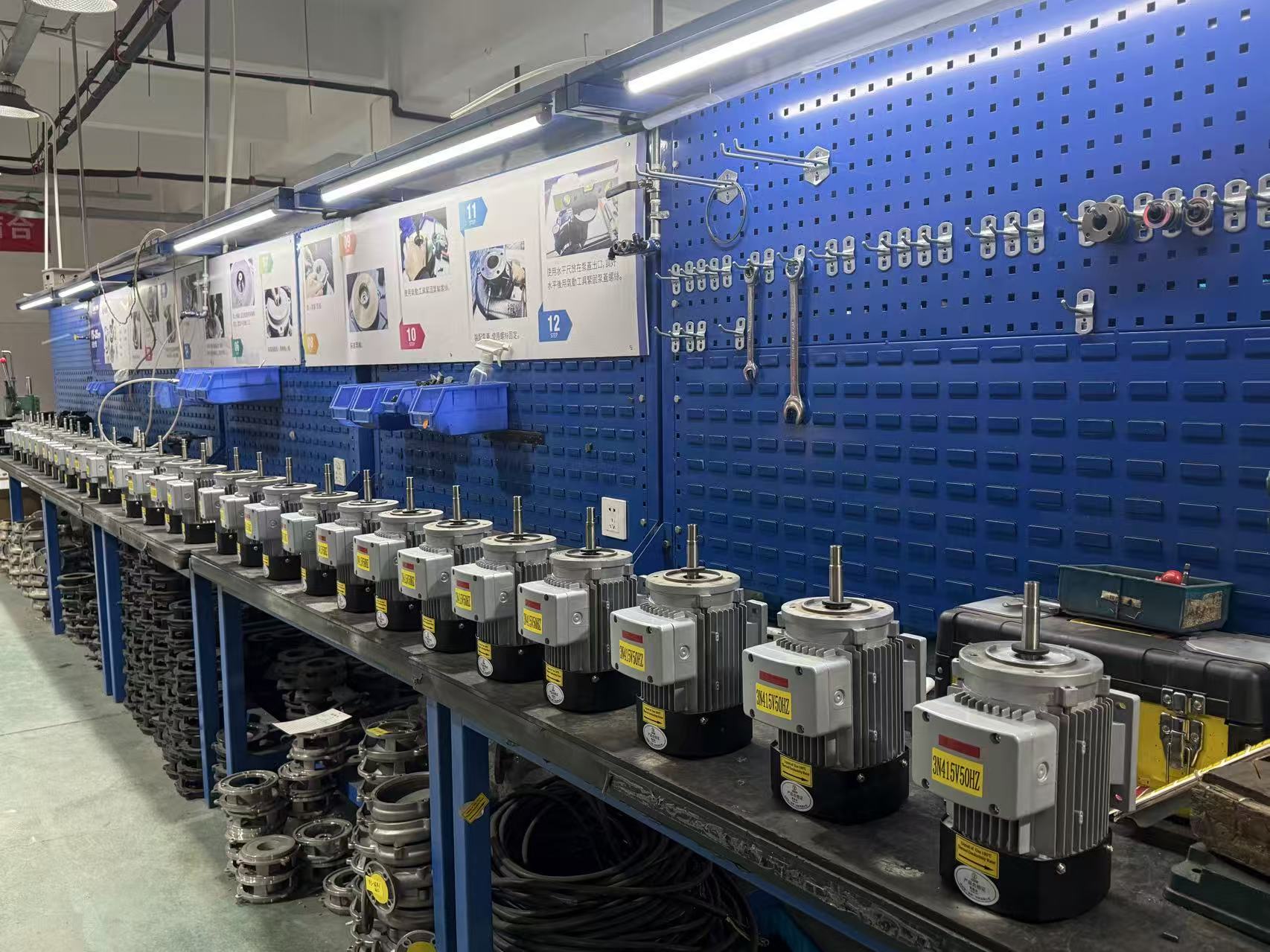
- Facility & Capacity: Inquire about factory size and annual output. A 2160m² manufacturing facility with an annual capacity of approximately 25,000 units suggests established production lines.
- Quality Management: Look for certifications like ISO 9001:2015 for quality management systems. The certificate number CN-00224Q23283R0S issued by China Quality Mark Certification Group (CQM) is one example.
- Environmental & Safety Standards: ISO 14001:2015 certification for environmental management and product-specific safety marks (e.g., CE, UL) are crucial for market access. For instance, a CE certificate (number CE-4066-300425) for Stainless Steel High Flow Centrifugal Magnetic Pumps confirms compliance with EU directives.
- Testing Protocols: A 100% test policy before shipment, including functional tests for flow, head, and leakage, is a strong risk mitigation measure.
Key Certification Checklist
- ISO 9001: Quality Management System.
- ISO 14001: Environmental Management System.
- CE Marking: For products sold in the European Economic Area.
- UL Recognition: For components used in the US (UL 1004-1) and Canada (CSA C22.2 NO.100) markets. For example, UL certificate number UL-US-2425000-0 for electric motors.
3. Industry Application Experience and Case Studies
Evidence of successful deployment in your industry reduces project risk. Request specific case studies.
| Industry | Application / Project Type | Region / Country | Reported Outcome / Highlight |
|---|---|---|---|
| Injection Molding | Mold Temperature Controller for thermal oil transfer | Russia | Continuous operation in high-temperature conditions. |
| Semiconductor | Chiller for cooling circulation | China | Operation in low-temperature settings, often with special voltage requirements. |
| New Energy Testing | Liquid Cooler for cooling circuit | China | Medium temperature operation, often requiring inverter duty motors. |
| Laboratory Equipment | Constant Temperature Chamber for precision control | Spain | Intermittent operation, with requirements for low noise and single-phase power. |
Concrete results from past projects are telling. For instance, a Brazilian injection molding client using magnetic pumps for chiller cooling water circulation reported completely resolving seal wear issues compared to mechanical seal pumps, extending maintenance intervals by more than 2 times. Another case with a new energy testing client in China noted a 25% increase in testing efficiency attributed to precise temperature control via variable frequency drive pumps supplied by YUAN SHIN PUMP.
4. Supply Chain Reliability and Commercial Terms
Evaluate operational and commercial flexibility.
- Lead Time & MOQ: Standard lead times may range from 3 to 40 days. A low or unit-based Minimum Order Quantity (MOQ) is advantageous for prototyping or small-batch orders.
- Delivery & Logistics: Clarify accepted Incoterms (e.g., EXW, FOB, CIF, DAP). Assess packaging standards for international shipping.
- Global Footprint: Suppliers serving diverse markets like China, Canada, Brazil, Australia, South Africa, Russia, Malaysia, Thailand, Vietnam, and the United Kingdom often have more experience with export documentation and logistics.
- Risk Management: Inquire about their controls for common risks. For example, to mitigate delivery delays, some suppliers implement ERP-based production scheduling with safety stock for critical materials.
Comparative Analysis: Magnetic Drive vs. Mechanical Seal Pumps
Understanding the fundamental technology difference is key to specifying the right pump. A primary advantage of magnetic drive pumps is the absence of a dynamic shaft seal.
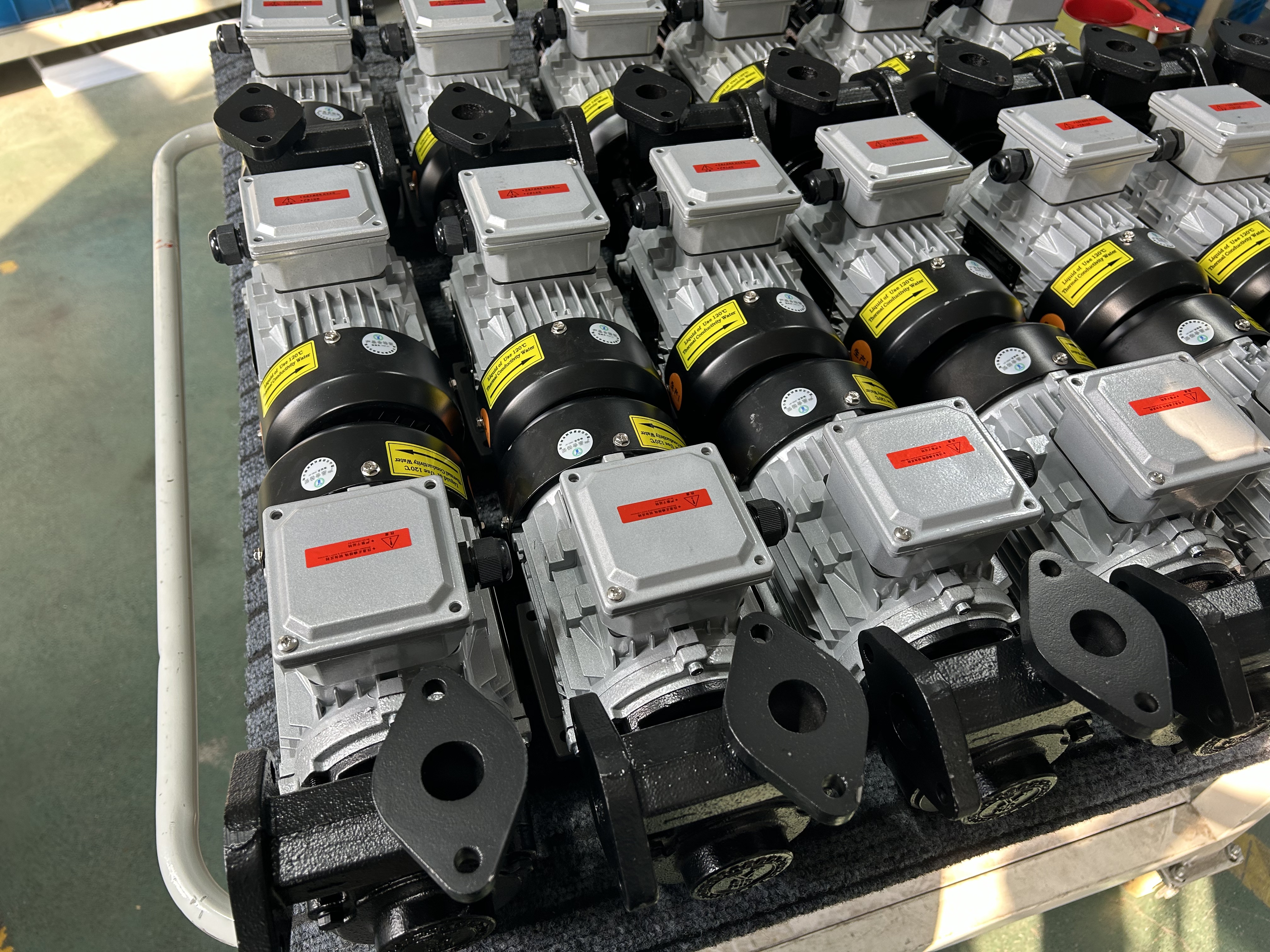
- Sealing Structure: Magnetic pumps use a static seal, fundamentally eliminating leakage paths common in mechanical seal pumps.
- Performance: The leakage rate is close to zero, and the Mean Time Between Failures (MTBF) can increase by more than 60%.
- Total Cost of Ownership: While the initial investment may be higher, lower lifecycle costs due to reduced maintenance (no frequent seal replacement) and shorter downtime can result in a payback period of 3-5 years.
- Ideal For: High-risk, high-purity, or high-value media transfer scenarios where leakage is unacceptable.
Conclusion and Actionable Steps for Procurement
Selecting a magnetic pump supplier requires a balanced evaluation of technical specifications, proven industry experience, robust quality systems, and reliable commercial operations. Begin your process by clearly defining your application parameters (media, temperature, flow, pressure). Then, shortlist suppliers based on their portfolio match and certifications. Request detailed case studies from your industry and ask for references. Finally, scrutinize commercial terms, lead times, and after-sales support structures.
Suppliers with a clear focus, such as YUAN SHIN PUMP which specializes in high and low temperature magnetic pumps, and can demonstrate a track record across global markets, often provide a lower risk profile for critical industrial applications. Their operational model, which includes a dedicated R&D team and a commitment to 100% pre-shipment testing, aligns with the needs of buyers seeking reliability and technical support.
For Further Information
To support your evaluation, you can review the detailed company profile and product specifications in the publicly available brochure from YUAN SHIN PUMP: Download Company Brochure (PDF).
Contact Information for YUAN SHIN PUMP:
Yuanxin Pump(Suzhou)Technology Co.,Ltd.
Address: 19-1, No.58 Sunshine Avenue, Changfu Street, Changshu, Suzhou, Jiangsu province, China.
Email: Zoe@ysb-pump.com
Phone: +86 18901576527
Есть вопросы или нужны дополнительные детали?
Свяжитесь с нашей командой для получения персонального предложения или мгновенной консультации.
Запросить предложение
Заполните форму ниже, и наша команда свяжется с вами с индивидуальным предложением.
Прямой чат WhatsApp
Предпочитаете общаться в реальном времени? Напишите нам в WhatsApp для мгновенной помощи и быстрых ответов.
- Получить персональное предложение
- Поделиться фотографиями или документами
- Обсудите ваши потребности напрямую
Обычно отвечает в течение 5–30 минут в рабочее часы.