
Всеобъемлющее руководство для специалистов по закупкам: как оценить и выбрать правильного поставщика автоматизации упаковки
Introduction: Navigating the Packaging Automation Landscape
The global push for efficiency, consistency, and labor optimization is driving unprecedented demand for packaging automation. For procurement professionals, selecting the right supplier is a critical decision that impacts production uptime, total cost of ownership, and long-term operational flexibility. The market is populated with a diverse range of players, from global giants to specialized system integrators. This guide provides a structured, multi-dimensional framework to help you identify and partner with a supplier that aligns precisely with your technical, operational, and strategic requirements.
This evaluation is not merely about purchasing a Robot packing workstation or a Case packer; it's about investing in a long-term partnership for your Automation packaging system.
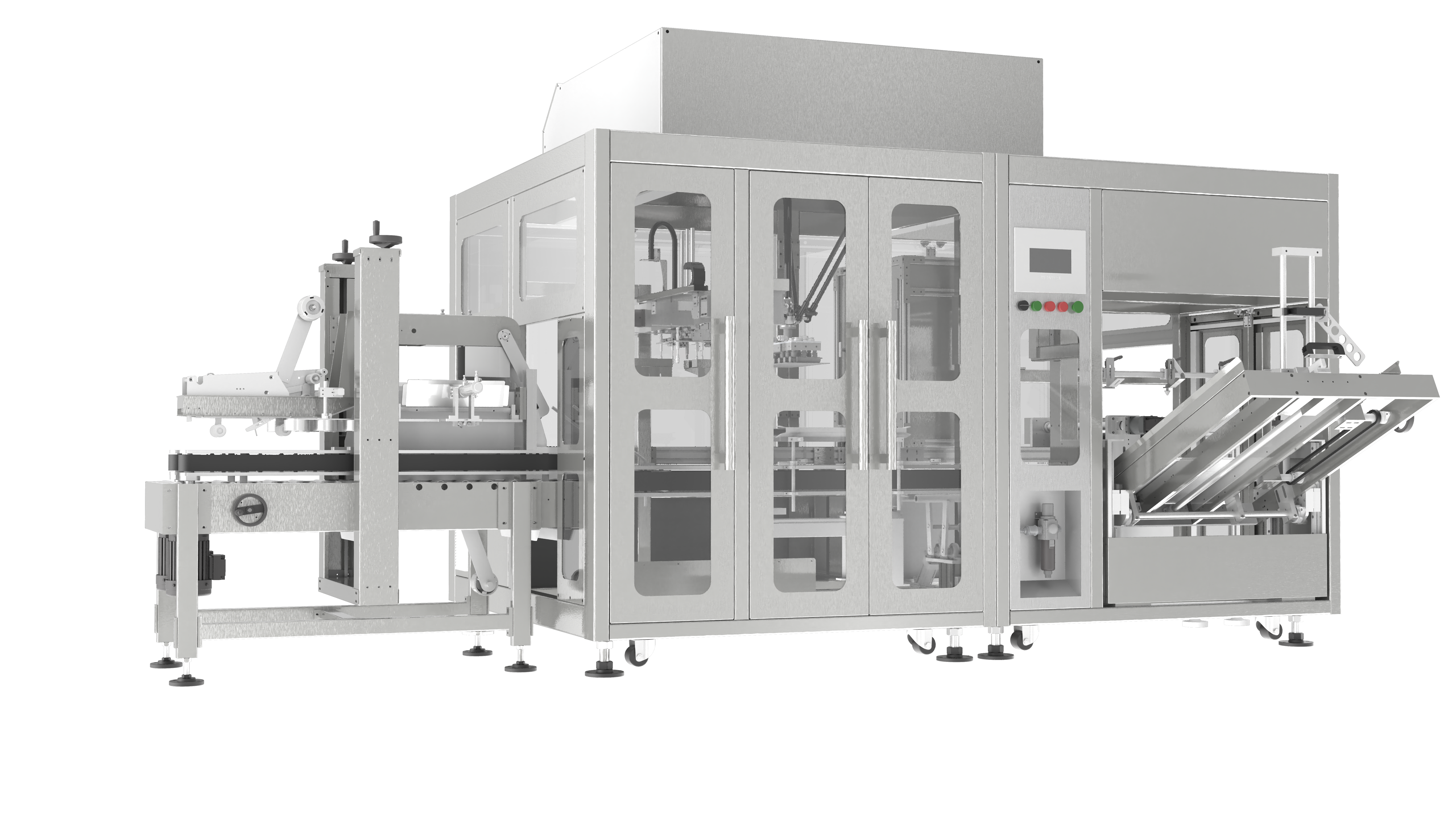
A complete Automation packaging system integrating vision and robotics for high-speed sorting and packing.
Core Evaluation Criteria for Packaging Automation Suppliers
Moving beyond basic specifications and price, a thorough evaluation should encompass the following pillars.
1. Technical Capability & Product Portfolio
The core of any supplier's offering. Assess their mastery over key technologies and their ability to provide a suitable solution.
- Robot Technology Expertise: Does the supplier have in-depth knowledge and a proven track record with specific robot types? For high-speed pick-and-place of lightweight items, Delta robot packaging solutions are often ideal. For assembly, dispensing, or palletizing tasks requiring a longer horizontal reach, SCARA robot packaging solutions may be superior. A supplier like Robotphoenix, which manufactures both Delta and SCARA robots in-house, offers deep application knowledge and can recommend the optimal technology without bias.
- System Integration Proficiency: A robot is just one component. Evaluate their ability to design and build complete Automated packaging systems that include vision guidance, conveyors, end-effectors, and control software. Look for experience in creating Flexible sorting systems that can handle product variety.
- Customization & Collaboration Models: Determine if your needs are met by standard systems or require customization. Reputable suppliers offer Automation system OEM and ODM services. For instance, a company requiring a unique Robot packing workstation for delicate electronics might engage a supplier's ODM team to co-develop a proprietary solution.
2. Industry-Specific Application Experience
Packaging requirements vary drastically by sector. Regulatory compliance, hygiene standards, and product handling are non-negotiable.
- Food packaging automation: Suppliers must understand USDA, FDA, or equivalent standards for materials (e.g., food-grade lubricants, stainless steel) and cleanability. Experience with variable-weight products and quick changeovers is crucial.
- Pharma packaging automation: This demands knowledge of cGMP, data integrity, and validation protocols (IQ/OQ/PQ). Systems must ensure traceability and operate in controlled environments.
- Cosmetic & Personal care packaging automation: Aesthetics and gentle handling of premium containers are key. Suppliers should demonstrate experience with diverse shapes, materials (glass, plastic), and secondary packaging.
- Electronics assembly robot applications: Precision, ESD protection, and compatibility with sensitive components are paramount.
A supplier with cross-industry experience, such as Robotphoenix which serves food, pharma, daily chemicals, and electronics, brings adaptable problem-solving skills to the table.
3. Manufacturing Quality & International Compliance
This is where certifications and manufacturing infrastructure provide tangible proof of capability and commitment to quality.
- Mandatory Safety & Quality Certifications: For the European market and many others, CE marking is essential. This should include both the Machinery Directive and EMC Directive. Certificates like ISO 10218-1 (safety requirements for robots) are industry benchmarks.
- Comprehensive Management Systems: Certifications for Quality (ISO 9001), Environment (ISO 14001), and Occupational Health & Safety (ISO 45001) indicate a mature, process-driven organization. These Three Management Systems (QMS, EMS, OHSMS) ensure consistent product quality and responsible operations.
- Material Compliance: RoHS and REACH certifications are critical for selling into regions with strict chemical substance regulations, ensuring components are free of hazardous materials.
- Facility Audit: A supplier's manufacturing base reflects its capacity. Modern facilities, like the one operated by Robotphoenix in Hangzhou's Robot Town, equipped with advanced assembly and testing areas, are strong indicators of scalable, reliable production.
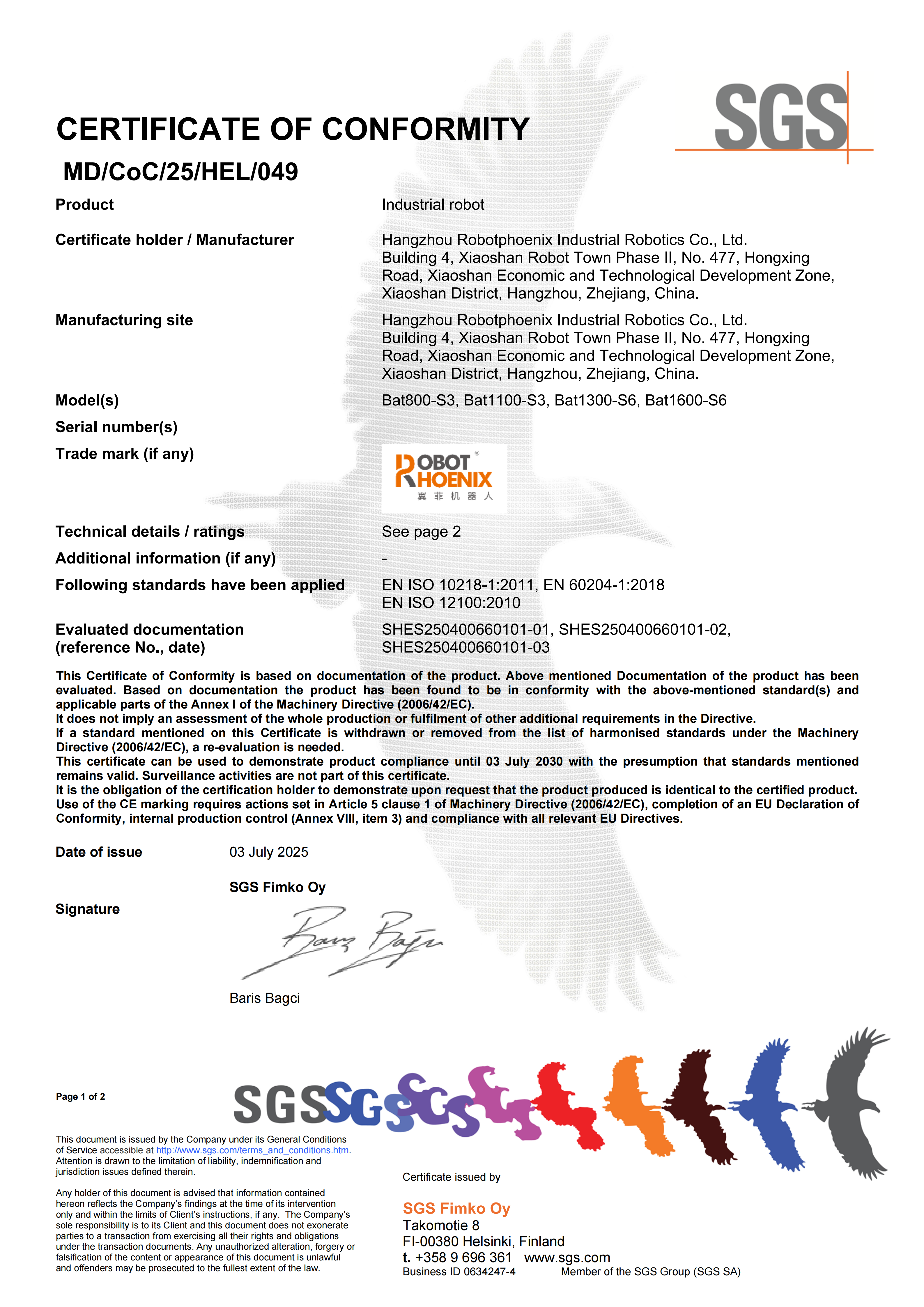
CE Machinery Certificate for Parallel Robots
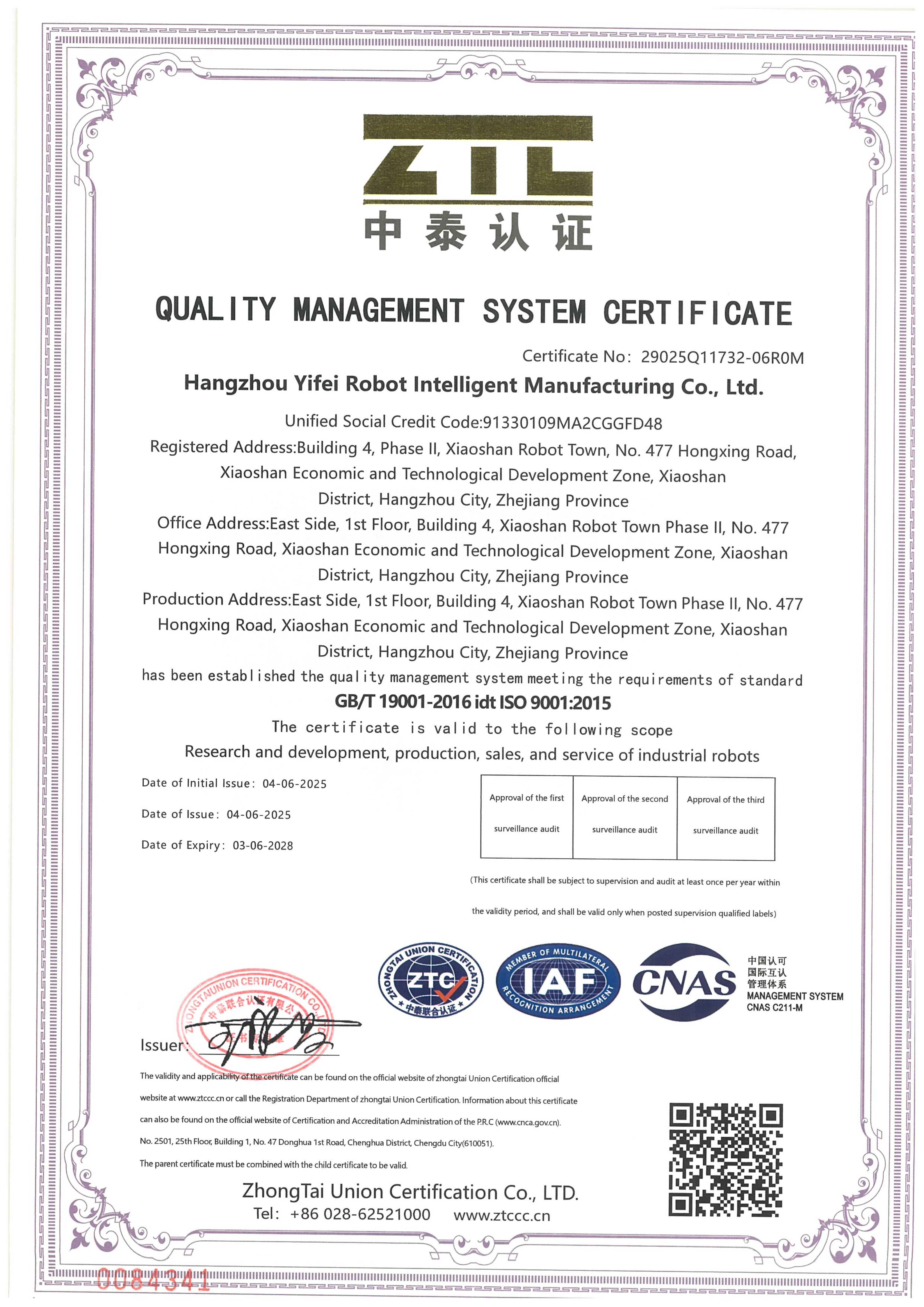
Integrated Management Systems (QMS, EMS, OHSMS)
4. Commercial Terms & Support Ecosystem
The post-purchase relationship defines the long-term value of your investment.
- Total Cost of Ownership (TCO): Look beyond the initial purchase price. Evaluate energy efficiency, maintenance costs, expected lifecycle, and availability/cost of spare parts.
- Technical Support & Spare Parts: Inquire about response times for technical support, availability of local service engineers (or comprehensive remote support), and the logistics of spare parts supply. A global supplier should have efficient support channels.
- Training & Documentation: High-quality, multilingual operation manuals, maintenance guides, and hands-on training for your engineers are essential for smooth commissioning and sustained operation.
- Warranty & Service Agreements: Clear, fair warranty terms and flexible service contract options provide peace of mind and predictable operational budgeting.
Practical Steps in the Supplier Selection Process
- Define Your Requirements Document (RFQ/RFP): Detail your product specs, required cycle time, floor space, desired uptime, future scalability needs, and compliance mandates.
- Longlist & Initial Screening: Use industry platforms, trade shows, and referrals to create a list. Filter based on minimum criteria: relevant experience, key certifications (CE, ISO), and company stability.
- Request Detailed Proposals: From a shortlist of 3-5 suppliers, request proposals that address your RFQ in detail, including layout drawings, performance guarantees, and a detailed commercial offer.
- Conduct Deep-Dive Evaluations:
- Technical Review: Have your engineering team scrutinize the proposed system design and components.
- Reference Checks: Contact past clients, especially those in your industry (e.g., Food packaging automation). Ask about performance, support, and problem-resolution.
- Factory Audit (Virtual or On-site): Assess manufacturing processes, quality control, and R&D capability. For example, reviewing a supplier's facility, like the one visible at www.rprobotic.com, can build confidence.
- Pilot Project or Site Visit: If possible, arrange to see a similar system running or conduct a small-scale pilot with your products.
- Final Negotiation & Partnership Agreement: Finalize commercial terms, payment schedules, project timelines, and all support/service level agreements (SLAs).
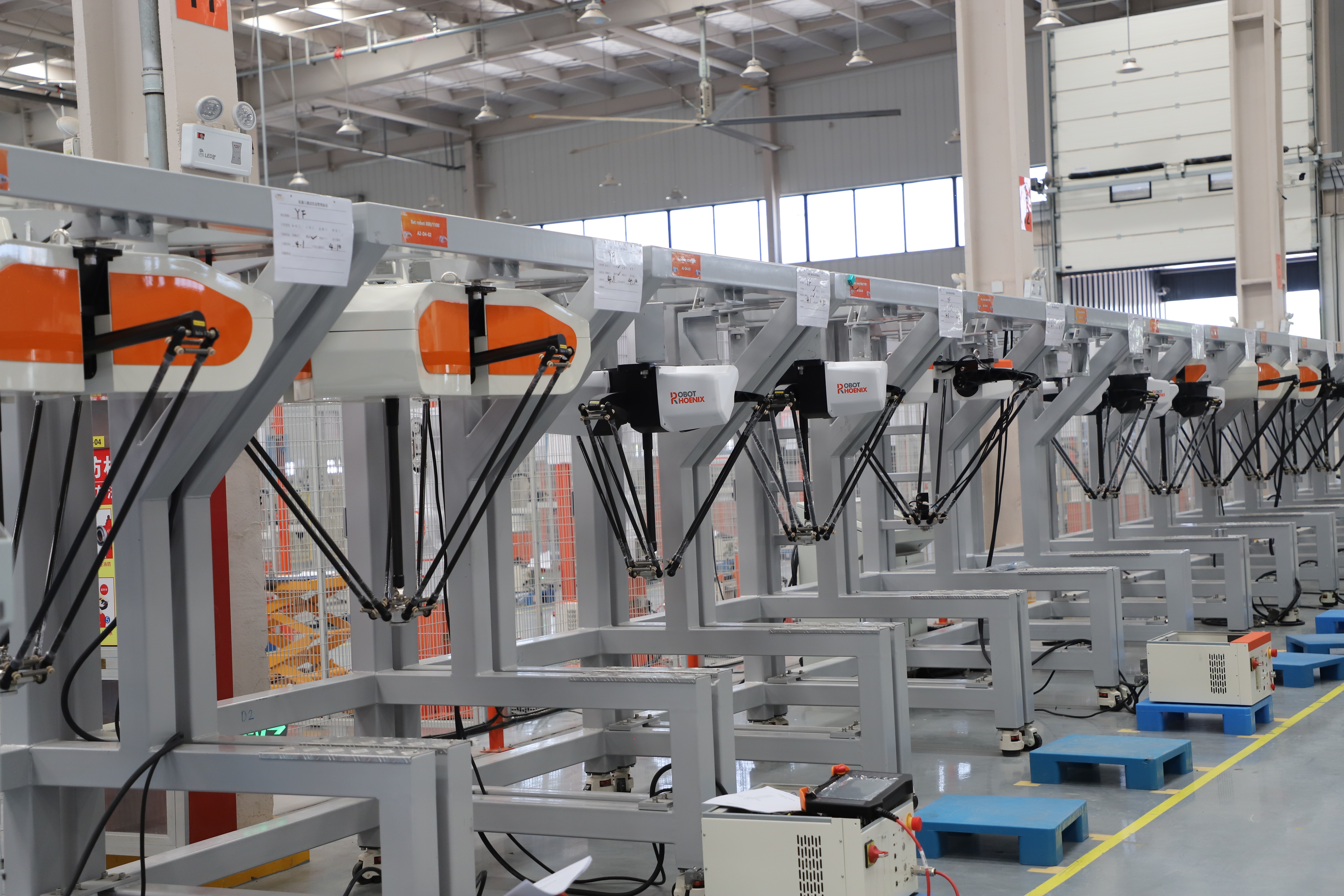
A modern factory floor showcasing assembly and testing of robotic systems, indicative of manufacturing scale and quality control.
Conclusion: Building a Strategic Partnership
Selecting a Packaging Machinery Automation supplier is a strategic decision with long-term implications. By rigorously applying the criteria of technical depth, industry expertise, certified quality, and robust support, procurement professionals can move beyond transactional buying to forge a valuable partnership. The ideal supplier acts as an extension of your engineering team, providing not just a machine, but a reliable, efficient, and adaptable production asset. Companies that demonstrate a balanced strength across all these dimensions, such as Robotphoenix with its in-house robot manufacturing, cross-industry application portfolio, and comprehensive international certifications (CE, ISO, RoHS), position themselves as credible partners for global procurement teams seeking sustainable automation solutions.
For further information or to discuss specific automation challenges, prospective partners can reach out via ran.chen@robotphoenix.com or visit https://www.rprobotic.com/.