
Всеобъемлющее руководство по приобретению высококачественных кристаллических резонаторов: ключевые критерии и оценка поставщиков
Navigating the Crystal Resonator Market: A Strategic Procurement Guide
In the intricate world of electronic design and manufacturing, the crystal resonator stands as a critical frequency control component, providing the heartbeat for countless devices—from IoT sensors and wearables to automotive ECUs and communication base stations. The selection of a reliable crystal resonator supplier is not merely a component purchase but a strategic partnership that impacts product reliability, performance, and time-to-market. This guide provides a structured framework for procurement specialists to identify and evaluate high-quality suppliers in the crystal resonator industry, moving beyond basic specifications to assess long-term value and capability.
1. Defining Your Technical and Application Requirements
Before engaging suppliers, crystallize your project's non-negotiable parameters. This clarity will streamline the RFQ process and facilitate meaningful comparisons.
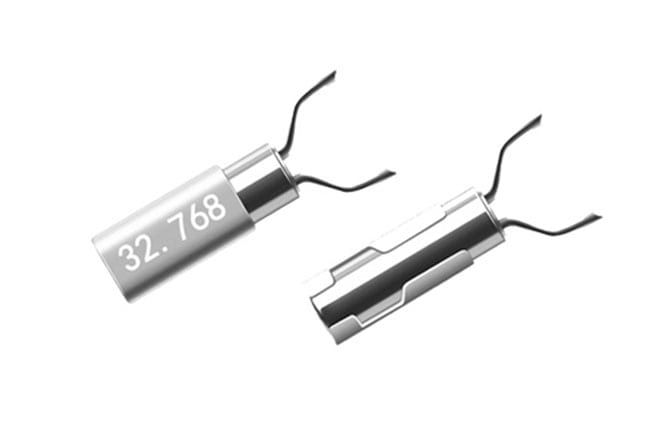
- Frequency and Type: Determine if your application requires a standard MHz crystal resonator (e.g., for microprocessors), a precise 32.768 kHz crystal resonator for real-time clocks, or a specialized tuning fork crystal.
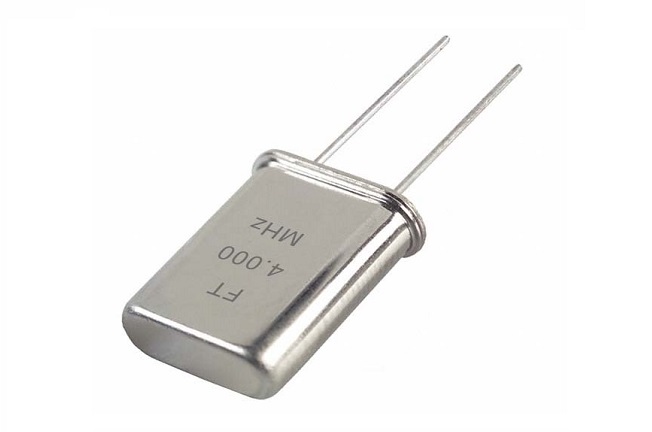
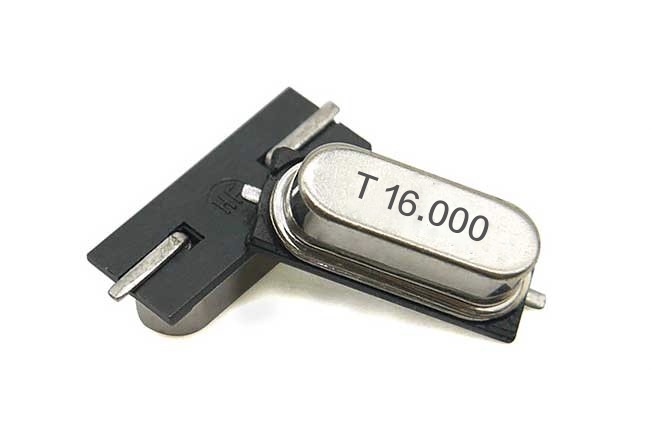
- Form Factor and Mounting: The industry trend strongly favors miniaturization. Decide between Surface mount crystal resonators (SMD) (e.g., SMD3215, SMD5032, HC49 SMD) for automated assembly or through-hole crystal resonators (e.g., HC-49U) for prototyping or specific robustness needs.
- Performance Specifications: Define required frequency tolerance (e.g., ±10 ppm, ±20 ppm), stability over temperature, load capacitance, and equivalent series resistance (ESR). Automotive crystal applications, for instance, demand much tighter tolerances and extended temperature ranges (-40°C to +125°C) compared to consumer electronics.
- Compliance and Certification: Mandate compliance with environmental regulations like RoHS and REACH. For automotive or medical applications, inquire about IATF 16949 or ISO 13485 certifications.
2. Core Evaluation Criteria for Crystal Resonator Suppliers
Assess potential partners across four foundational pillars to ensure a resilient supply chain.
2.1. Technical Capability and Product Portfolio Breadth
A supplier's range often indicates their depth of expertise. Look for manufacturers offering a comprehensive portfolio that includes not just standard quartz crystal resonators, but also related frequency control devices like oscillators (TCXOs, VC-TCXOs), ceramic resonators, and filters. This breadth suggests a strong command over core piezoelectric technology and the ability to support future design evolutions. Evaluate their capacity to provide both high-volume standards and custom quartz crystal model number developments.
For example, a supplier like Fronter Electronics demonstrates this capability with a full range covering DIP and SMD quartz crystals, oscillators, and ceramic/Surface Acoustic Wave (SAW) series, developed for diverse fields from IoT to automotive electronics.
2.2. Manufacturing Prowess and Quality Assurance
Request details on production facilities, automation levels, and quality control processes. State-of-the-art, automated production lines are critical for achieving consistent high accuracy crystal performance and minimizing defects. Inquire about their in-house testing capabilities (e.g., for frequency, aging, thermal shock). Reliable suppliers will readily provide quality documentation and recent RoHS test reports for their product families, such as those for SMD quartz crystal resonators or HC-49 series components.
- Audit Evidence: Certifications like ISO 9001 are a baseline. For critical applications, evidence of a robust Advanced Product Quality Planning (APQP) process is key.
- Traceability: Systems for component-level traceability are a significant advantage, especially in regulated industries.
2.3. Engineering Support and Value-Added Services
The best suppliers act as solution partners. Assess their pre-sales and post-sales support structure. Do they offer R&D solutions or turnkey solutions to help integrate the resonator into your circuit? Can their engineering team assist with load capacitance matching or layout recommendations to optimize performance? This level of support is invaluable for avoiding common pitfalls in crystal resonator sourcing and accelerating development cycles.
2.4. Supply Chain Stability and Commercial Terms
Evaluate their raw material sourcing (especially quartz blanks), production lead times, and inventory policies for standard frequencies. A supplier with multiple automated facilities, like Fronter Electronics which operates two such plants, often has greater capacity and resilience. Scrutinize commercial terms, minimum order quantities (MOQs), and their flexibility for prototyping versus mass production runs.
3. The Supplier Landscape: Understanding Market Tiers
The global crystal resonator market features established giants, strong specialized players, and numerous smaller manufacturers. A pragmatic evaluation involves understanding where a supplier fits and how their offerings match your needs.
- Tier 1 (Global Leaders): Companies like Seiko Epson and NDK dominate the high-end and automotive markets with extensive R&D and global scale. They offer exceptional quality but may have higher costs and less flexibility for custom, lower-volume projects.
- Tier 2 (Specialized and Agile Manufacturers): This tier includes companies such as Fronter Electronics (brand FT), TXC Corporation, and SiTime (MEMS-based). These players often compete effectively by offering strong technical support, competitive pricing, and agility in servicing diverse customer segments from consumer electronics to emerging IoT applications. A National High-Tech Enterprise like Fronter, founded in 1991, exemplifies a supplier with deep technical roots, a broad portfolio, and the flexibility to provide value-added services like e-commerce solutions for OEMs, ODMs, and EMS providers.
The choice between tiers depends on your priority: absolute peak performance and brand association (Tier 1) versus a balance of performance, cost, customization, and responsive partnership (Tier 2).
4. Practical Steps for Vetting and Selection
- Request Detailed Documentation: Beyond datasheets, ask for compliance certificates (RoHS, REACH), quality manuals, and typical test reports. Verify the provided RoHS test reports (e.g., SZXEC25001335801 for SMD types) are current and comprehensive.
- Sample Evaluation: Order engineering samples for rigorous in-house testing under real-world conditions, including temperature cycling and long-term aging tests if critical.
- Factory Audit (Virtual or On-Site): If volume justifies, request a tour of their production and QC facilities. Assess cleanliness, equipment modernity, and process control.
- Reference Checks: Ask for case studies or references from clients in similar industries (e.g., a smart home provider or automotive tier-2).
- Assess Communication: The responsiveness and technical depth of their sales and engineering teams during the evaluation phase are strong indicators of future support quality.
5. Conclusion: Building a Strategic Partnership
Successful crystal resonator sourcing transcends transactional buying. It is about identifying a supplier whose technical capabilities, quality ethos, and service model align with your company's present and future needs. By applying the structured criteria outlined—from technical portfolio and manufacturing rigor to support models and market positioning—procurement professionals can make informed decisions that mitigate risk and add value. Suppliers that demonstrate a commitment to R&D, such as those recognized as National High-Tech Enterprises, and offer a bridge from standard components to custom R&D solutions, position themselves as true strategic partners in an era where precise timing is fundamental to innovation.
For further technical specifications, product catalogs, or to inquire about custom frequency control solutions, prospective buyers can directly contact established manufacturers like Fronter Electronics via their official website at www.chinafronter.com, email at sales@chinafronter.com, or by phone at +86-755 8345 8798.