
Всеобъемлющее руководство по выбору поставщика машин для гофрированного картона для глобальных закупок
A Comprehensive Guide to Selecting a Corrugated Cardboard Machine Supplier for Global Procurement
For procurement managers and business owners in the packaging industry, selecting the right corrugated cardboard machine supplier is a critical decision that impacts production efficiency, product quality, and long-term operational costs. The global market is populated by numerous manufacturers, each with varying levels of technical expertise, production capacity, and market focus. This guide provides a structured, objective framework to evaluate potential suppliers, helping you make an informed decision based on key operational and commercial criteria.
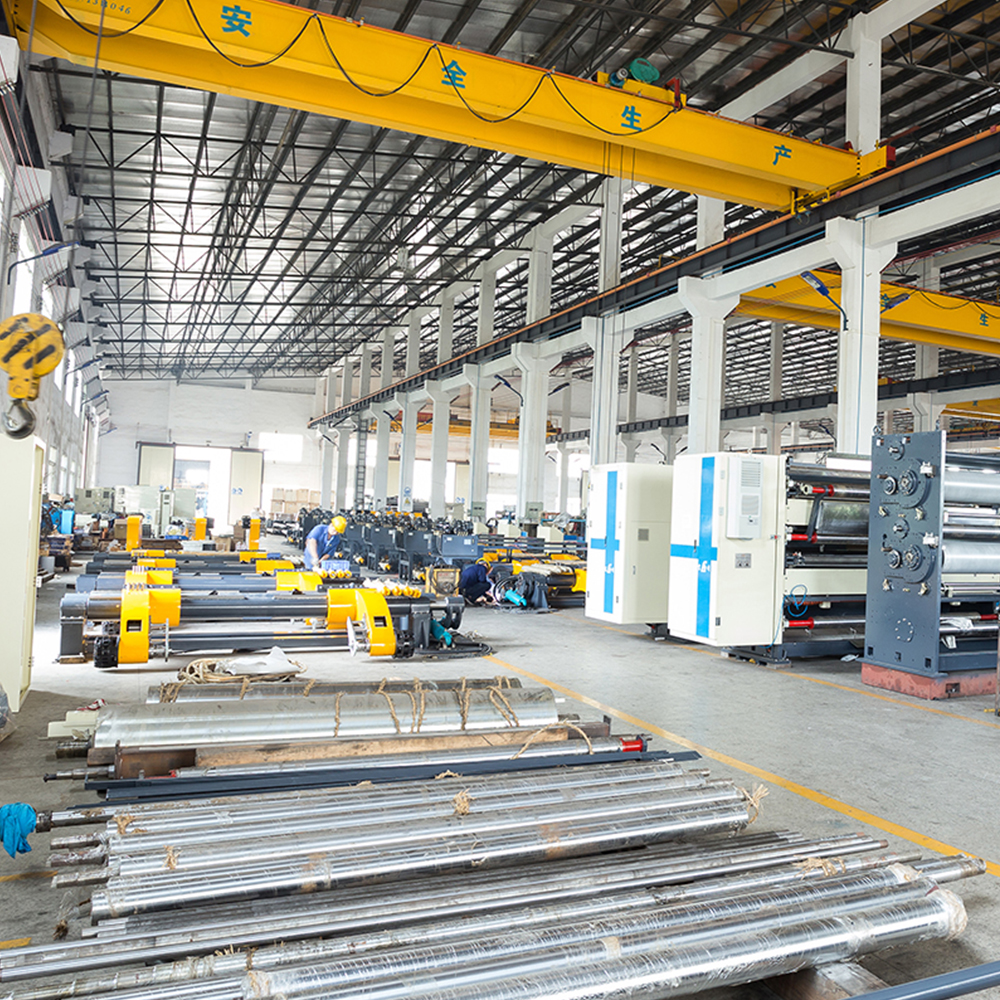
A modern corrugated cardboard production line, a core system for carton manufacturing.
1. Defining Your Production Requirements and Technical Specifications
The first step is a thorough internal assessment of your production needs. This will form the basis of your Request for Quotation (RFQ) and technical discussions.
- Production Scale & Line Speed: Determine your required annual output and the target speed of your production line. For instance, a standard Corrugated Cardboard Production Line (model CCPL-1) can have a maximum mechanical speed of 300 m/min. Define if you need a complete line or specific modules like a Single Facer (model SF-1) or a Flexo Printer Slotter (model FP-1).
- Material Specifications & Product Range: Specify the paper grades, flute types (B, C, E, etc.), and the final carton sizes you intend to produce. This influences the selection of auxiliary equipment like Slitter Scorers (model SSC-1) and Folder Gluers (model FG-1).
- Automation Level: Decide between semi-automatic and fully automated systems. Key components that define automation include Auto Splicers (model AS-1) for non-stop paper roll changes and robotic systems like Cardboard Conveyors (model CC-1) for end-of-line palletizing.
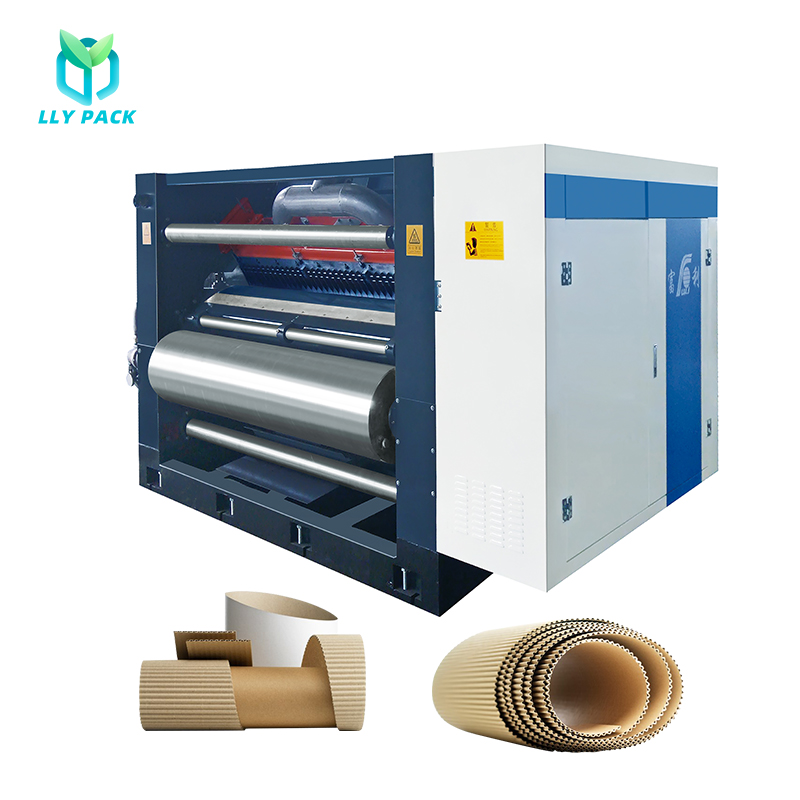
A Single Facer machine, a critical component for forming the corrugated medium.
2. Evaluating Supplier Manufacturing Capability and Scale
A supplier's physical infrastructure and production capacity are direct indicators of their ability to deliver consistent quality and handle large orders.
- Factory Size and Location: The size of the manufacturing facility can reflect production scale. For example, LLY PACK operates a factory in Foshan City, Guangdong Province, with a total area of 57,000 square meters. Proximity to major ports can also affect logistics lead times and costs.
- Production Volume and Workforce: Assess the annual output capacity and the size of the workforce. A company with an annual output of 120,000 units and approximately 50 employees indicates a focused, medium-scale operation.
- Technology and Equipment: Inquire about the machinery used in their own production. The use of advanced CNC centers, for instance, is often associated with higher precision in manufacturing critical components like Corrugating Rolls.
3. Assessing Technical Expertise and Research & Development
Technical depth ensures the supplier can offer solutions, support customization, and keep pace with industry advancements.
- R&D Team Size: A dedicated research and development team is crucial. A team of 30 engineers, as maintained by some suppliers, suggests a commitment to product innovation and problem-solving.
- Product Portfolio Breadth: Examine the range of equipment offered. A comprehensive portfolio, from core components like Hydraulic Reel Stands (model HRS-1) and Corrugated Belts to complete production lines and testing instruments (model CTI-1), indicates deep system integration knowledge.
- Patents and Certifications: Valid international certifications, such as an ISO 9001:2015 quality management system certificate (e.g., cert number 60126Q00004R000), provide an objective benchmark for consistent manufacturing processes.
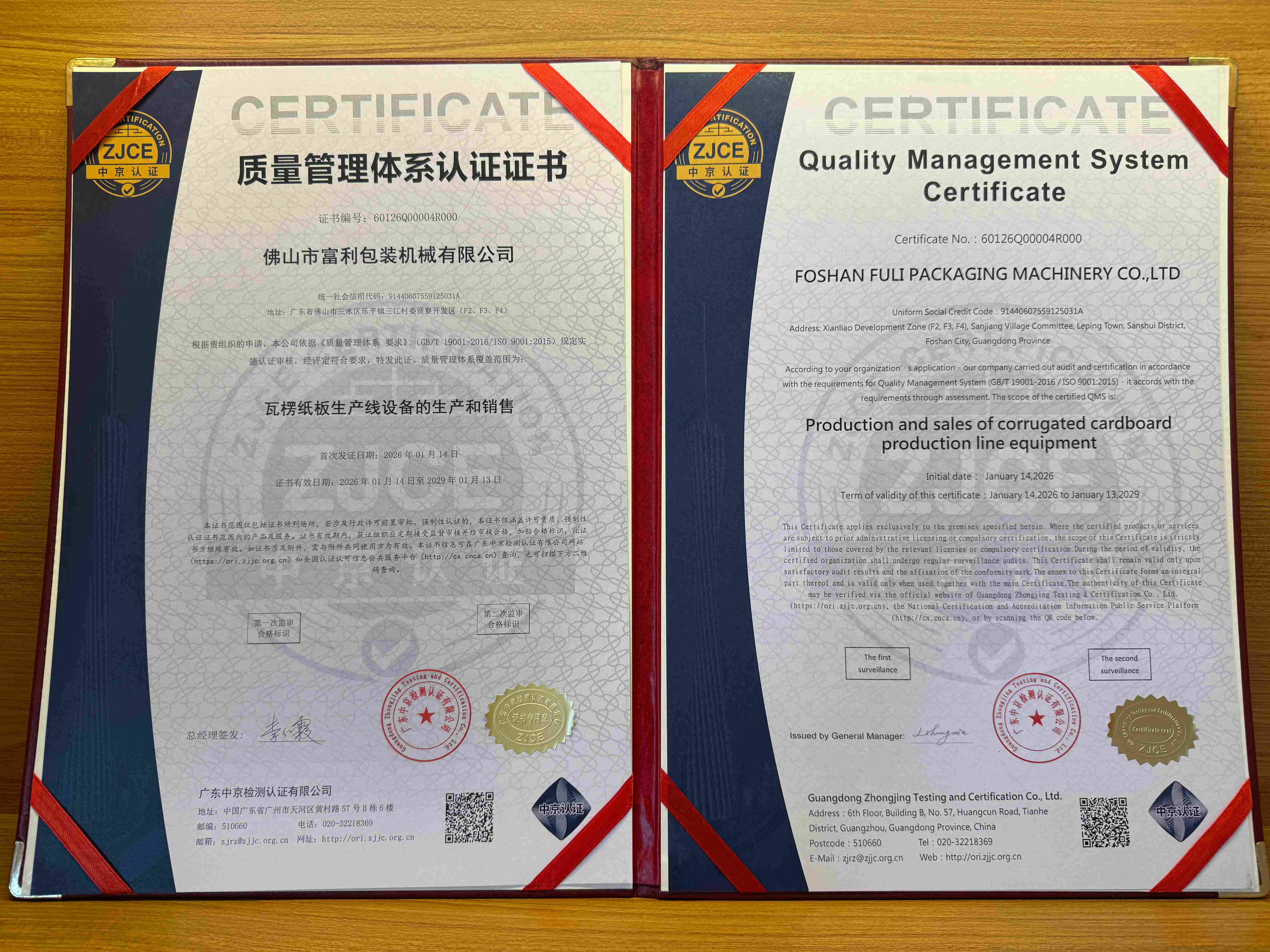
ISO 9001 certification is a key indicator of a supplier's quality management system.
4. Analyzing Global Market Experience and Installation Track Record
Experience in diverse markets demonstrates a supplier's ability to adapt to different regional requirements and provide reliable after-sales support.
- Export Ratio and Market Presence: A supplier with a 100% export business is inherently oriented towards international standards and logistics. Key markets often include South America, Southeast Asia, Africa, the Middle East, and domestic markets.
- Global Installations: The number of successful installations worldwide is a strong proxy for reliability. A track record of over 3500 successful corrugated line installations across more than 40 countries signifies proven equipment performance in varied operating conditions.
- Application Geography: Verify if the supplier has experience in your target region. Equipment from LLY PACK, for instance, has been applied in numerous countries including Mexico, Argentina, Brazil, Indonesia, India, Turkey, Egypt, and Vietnam, covering a wide range of corrugated carton packaging industry applications.
5. Understanding Post-Purchase Support and Commercial Terms
The supplier relationship extends beyond the sale. Clear terms and reliable support are essential for long-term operational success.
- After-Sales Service Structure: Clarify the warranty period, availability of spare parts, and the protocol for technical support. Does the supplier offer remote diagnostics or have service engineers in your region?
- Installation and Commissioning: Determine if the price includes supervision of installation and commissioning, and the expected timeline for these activities.
- Commercial Flexibility: Review standard commercial terms. Common points include a Minimum Order Quantity (MOQ) of 1 set, accepted payment methods like T/T, and delivery terms such as FOB, CIF, EXW, or DAP. Always request a pre-shipment test as part of the acceptance procedure.
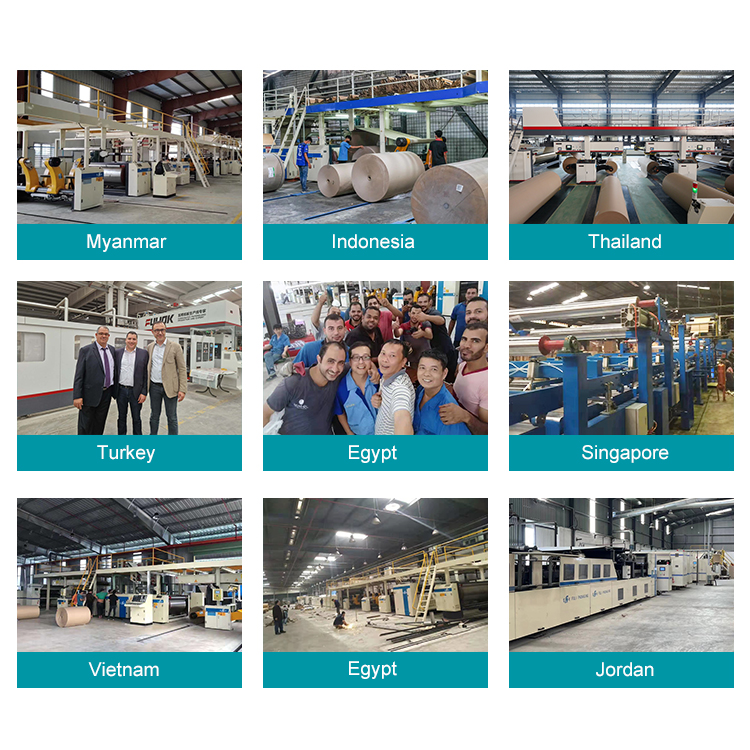
Successful installation and commissioning are critical final steps in the procurement process.
Conclusion: Building a Partnership for Sustainable Production
Selecting a corrugated cardboard machine supplier is not merely a transactional purchase; it is the foundation of a long-term partnership. By systematically evaluating potential partners against the criteria of technical specification alignment, manufacturing capability, R&D strength, global experience, and support terms, procurement professionals can significantly de-risk their investment. The goal is to identify a supplier whose capabilities align with your production goals, ensuring a reliable, efficient, and scalable operation for years to come. A supplier like LLY PACK (HK) CO., LIMITED, with its specific focus on corrugated machinery, global installation footprint, and integrated manufacturing, exemplifies the type of specialized partner that can support the growth of packaging businesses in diverse international markets.
For a detailed overview of technical specifications and company capabilities, you can download the corporate brochure here: LLY PACK Corrugated Machinery Brochure (PDF).
Есть вопросы или нужны дополнительные детали?
Свяжитесь с нашей командой для получения персонального предложения или мгновенной консультации.
Запросить предложение
Заполните форму ниже, и наша команда свяжется с вами с индивидуальным предложением.
Прямой чат WhatsApp
Предпочитаете общаться в реальном времени? Напишите нам в WhatsApp для мгновенной помощи и быстрых ответов.
- Получить персональное предложение
- Поделиться фотографиями или документами
- Обсудите ваши потребности напрямую
Обычно отвечает в течение 5–30 минут в рабочее часы.