
Практическое руководство для покупателей: оценка и выбор производителей продуктовых пакетов
Introduction: Navigating the Grocery Bag Supply Chain
For procurement professionals and brand owners, sourcing reliable grocery bag manufacturers is a critical task that impacts product quality, supply chain stability, and brand reputation. The market offers a wide spectrum of suppliers, from large-scale factories to smaller workshops, each with varying capabilities in producing bulk grocery bags, custom reusable shopping bags, and wholesale grocery bag solutions. This guide provides a structured framework to evaluate potential partners, focusing on key decision-making criteria beyond price. The goal is to equip buyers with the knowledge to identify manufacturers whose capabilities align with specific project requirements, whether for standard bulk orders or complex custom reusable grocery bag programs.
Core Evaluation Criteria for Grocery Bag Manufacturers
A thorough assessment should cover several dimensions to ensure a successful partnership.
1. Manufacturing Capabilities and Scale
The physical and operational scale of a factory directly influences its ability to handle order volume, ensure consistency, and meet deadlines. Key metrics to verify include:
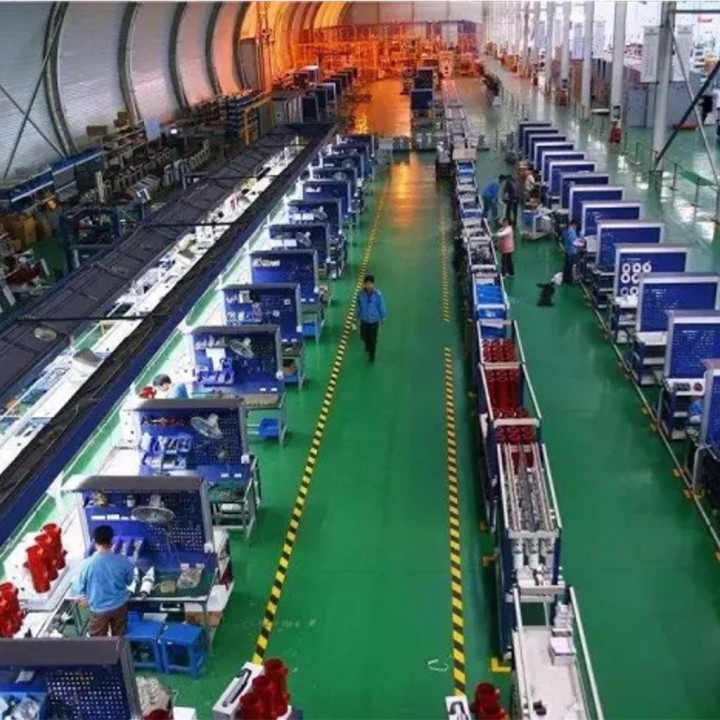
- Factory Size & Annual Output: A manufacturer's production capacity should match your projected order volume. For instance, a factory with a 10,000-square-meter facility and an annual output of 200,000 pieces indicates a certain scale of operation. This scale often correlates with established production lines and quality control processes.
- Production Mode Flexibility: Determine if the supplier operates on an Original Equipment Manufacturer (OEM) or Original Design Manufacturer (ODM) basis. This is crucial for projects requiring custom grocery bags or custom reusable shopping bags. Manufacturers offering full OEM/ODM services, including drawing-based or sample-based customization, provide greater flexibility for brand-specific designs.
- Lead Time and Minimum Order Quantity (MOQ): Standard lead times, such as 30 days, and MOQs, for example, 500 units, are common industry parameters. Aligning these with your inventory and launch plans is essential for supply chain planning.
2. Quality Assurance and Compliance
Product safety, durability, and compliance with international standards are non-negotiable, especially for exports to regulated markets like the US and EU.
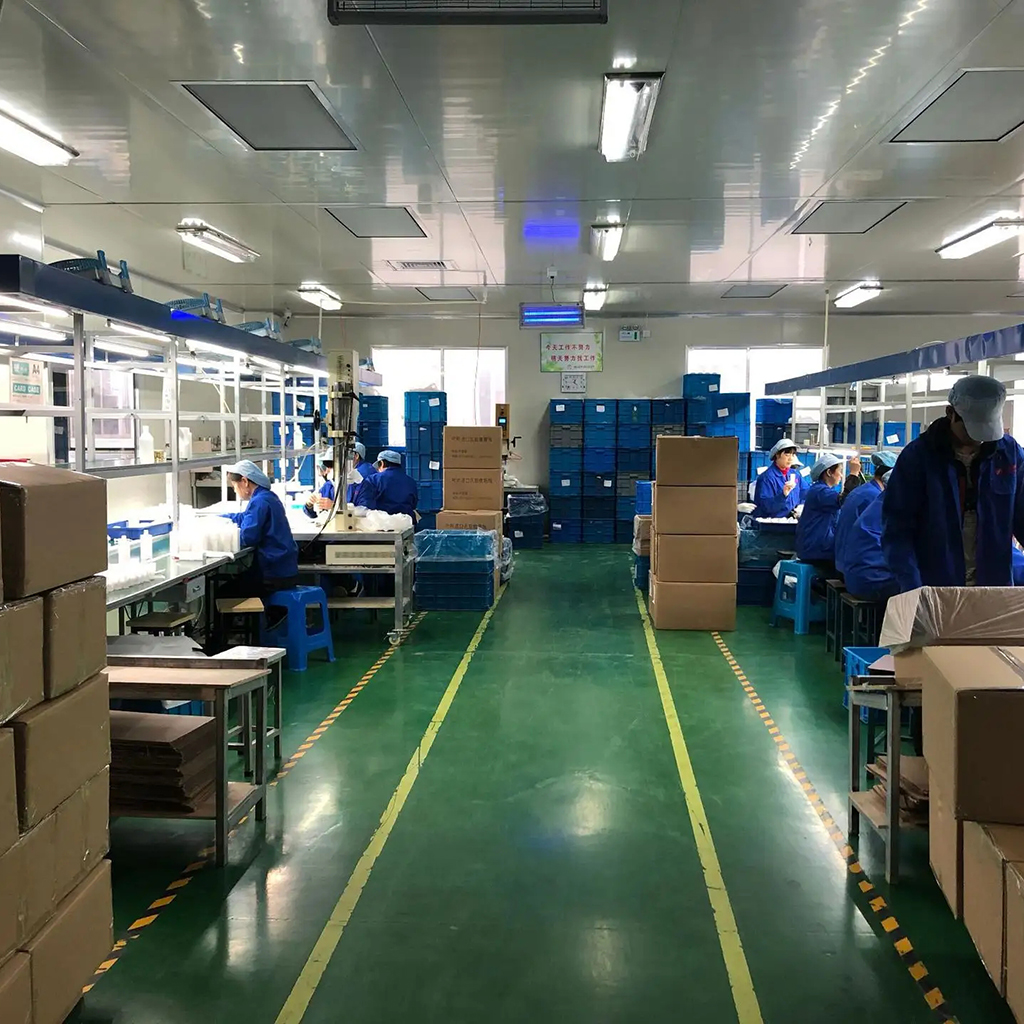
- Quality Control Protocols: Inquire about the in-process and final inspection procedures. A commitment to "100% testing" before shipment is a strong indicator of a robust quality management system.
- Material Sourcing and Specifications: For reusable grocery bags bulk orders, the material defines the product's lifespan and eco-profile. Suppliers should be transparent about their fabric sources, such as 600D Oxford, polyester, or canvas, and their availability of eco-friendly options like TPU.
- Certifications and Audits: Valid third-party certifications are vital. For example, a BSCI (amfori Business Social Compliance Initiative) certification, issued by the European Association for Foreign Trade (certificate number 91340828MA2NWKUP62, valid until April 30, 2026), demonstrates adherence to social compliance standards. Passing audits like Sedex is also a positive signal of operational maturity.
3. Design, Customization, and Service Support
The ability to translate a concept into a market-ready product differentiates a basic supplier from a strategic partner.
- In-House R&D and Design: A dedicated design team is a significant asset. For example, a manufacturer with a team of 10 designers can provide valuable input on design for manufacturability, material selection, and trend adaptation for custom reusable grocery bags.
- End-to-End Project Support: Evaluate the supplier's process from sample development to logistics. Clear communication channels, remote after-sales support, and experience with key export markets (e.g., EU, Middle East, USA) are important.
- Proven Track Record: Request case studies or references. A history of long-term partnerships, such as a 5-year collaboration with an Amazon seller for 500-unit orders of storage solutions, indicates reliability and the ability to meet client-specific requirements like high quality and organized product delivery.
Strategic Considerations and Risk Mitigation
Beyond technical specs, strategic alignment and risk management are key.
Understanding Total Cost of Ownership
While unit price is a factor, the total cost includes potential quality failures, shipping delays, and communication overhead. A supplier offering a 10%+ cost reduction while maintaining superior material quality, as noted in some comparative assessments, may provide better long-term value than the lowest initial bidder.
Contractual and Logistical Clarity
Establish clear terms upfront. Standard trade terms like FOB (Free On Board), payment terms (e.g., 30% deposit, 70% before shipment), and a defined pre-shipment inspection and acceptance protocol help prevent disputes.
Mitigating Supply Chain Risks
Proactive risk management is essential. The primary risk in sourcing is often inconsistent or poor quality. Effective manufacturers implement control methods such as rigorous quality inspection during production to mitigate this. Buyers should verify these internal controls during factory audits or through quality documentation.
Conclusion: Building a Partnership for Success
Selecting a grocery bag factory or grocery bag supplier is a strategic decision. By systematically evaluating manufacturers on capability, compliance, customization, and cost structure, buyers can move beyond transactional relationships. For instance, a company like Great Shine Houseware Ltd., established in 2013, exemplifies a supplier with over a decade of industry experience, in-house design resources, and a focus on markets including the USA. The ideal partner is one that not only fulfills an order but also contributes to product development, ensures consistent quality through certifications like BSCI, and supports your brand's growth in the competitive landscape of reusable shopping bags bulk and custom houseware items. This due diligence forms the foundation for a resilient and productive supply chain.