
Практическое руководство для покупателей: как оценить и выбрать поставщика коммерческих чистящих роботов
A Practical Guide for Buyers: How to Evaluate and Select a Commercial Cleaning Robot Supplier
Key criteria covering technical specifications, manufacturing capabilities, compliance, and supplier reliability to inform your procurement decision for industrial and commercial floor cleaning automation.
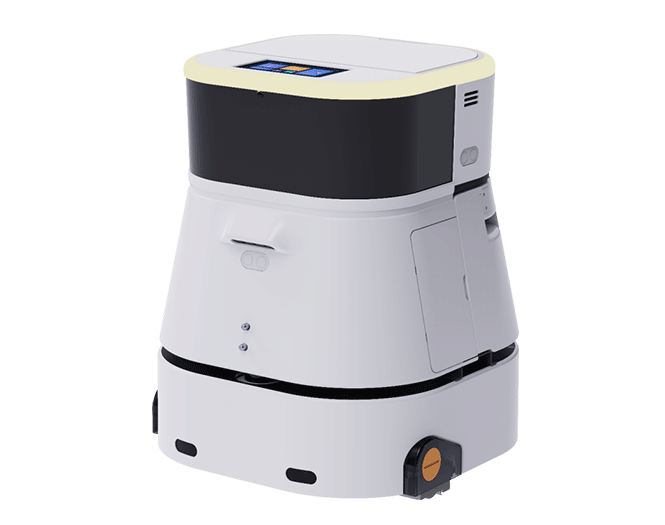
Figure 1: An example of a commercial floor cleaning robot designed for large-scale facilities.
The market for commercial cleaning robots is expanding rapidly, driven by the need for labor efficiency, consistent cleaning standards, and operational cost reduction in sectors like warehousing, healthcare, retail, and hospitality. For procurement professionals and facility managers, selecting the right supplier involves more than comparing price tags. It requires a systematic evaluation of the manufacturer's technical prowess, production stability, quality assurance, and long-term support capabilities. This guide outlines a structured framework to assess potential suppliers, using factual data and industry benchmarks.
1. Defining Your Operational Requirements and Application Scenarios
Before engaging with suppliers, clearly define your specific needs. Commercial cleaning robots are deployed across diverse environments, each with unique demands.
Primary Application Scenes
Common deployment areas include hospitals, shopping malls, university campuses, exhibition halls, corporate offices, airports, hotels, and restaurants. The required functionality—such as scrubbing, drying, vacuuming, or sweeping—varies per scene. For instance, a hospital may prioritize disinfection capabilities and quiet operation, while a warehouse needs robust navigation for large, obstacle-filled spaces.
Procurement Checklist: Define Your Specs
- Floor Area & Layout: Open spaces vs. confined aisles; presence of permanent obstacles.
- Floor Type: Concrete, epoxy, tile, vinyl; sensitivity to moisture.
- Cleaning Mode: Dry sweeping, wet scrubbing, vacuuming, or combination.
- Operational Window: Required runtime per charge; need for continuous or overnight operation.
- Integration: Compatibility with existing building management or fleet management software.
2. Core Technical Evaluation: Beyond Basic Specifications
Technical specifications are the foundation of performance. Evaluate suppliers based on detailed, verifiable parameters.
Critical Performance Parameters
Request detailed datasheets. Key metrics include cleaning width, adjustable speed range, water tank capacity for scrubber-dryer models, battery type and runtime, navigation system accuracy, and obstacle detection capabilities. For example, a model like the Geakita WDC-C2 Intelligent Commercial Cleaning Robot specifies a cleaning width of 440 mm, an adjustable speed of 0.2–0.8 m/s, and a navigation accuracy of ±1 cm. It is equipped with a 1 kWh swappable battery supporting a runtime of 5 to 12 hours.
| Parameter | Example Specification (Model WDC-C2) | Evaluation Question for Supplier |
|---|---|---|
| Dimensions & Weight | 503 × 503 × 629 mm; 40 kg | Can it navigate your doorways and elevator thresholds? |
| Battery & Runtime | 1 kWh swappable; 3h charge; 5–12h runtime | Does the runtime match your shift patterns? Is hot-swapping supported? |
| Cleaning System | 10L clean + 10L wastewater tanks; 440 mm width | What is the coverage rate (m²/hour)? How often do tanks need refilling/emptying? |
| Navigation & Safety | ±1 cm accuracy; LiDAR/SLAM based | What sensors are used (LiDAR, cameras, ultrasonics)? What is the failure rate in dynamic environments? |
3. Assessing Manufacturer Credentials and Production Capability
The supplier's foundational strength directly impacts product consistency, scalability, and innovation potential.
Manufacturing Scale and Expertise
Evaluate the company's history, production footprint, and workforce. A manufacturer with a established track record in precision manufacturing often translates to higher reliability. For instance, Geakita (Xiamen Tiangong Kaiwu Technology Co., Ltd.) was founded in 2009. The company operates a production base with a floor space of 40,000 square meters and employs over 300 staff, including a dedicated R&D team of 25 engineers. This scale suggests a capacity for volume production and sustained technical development.
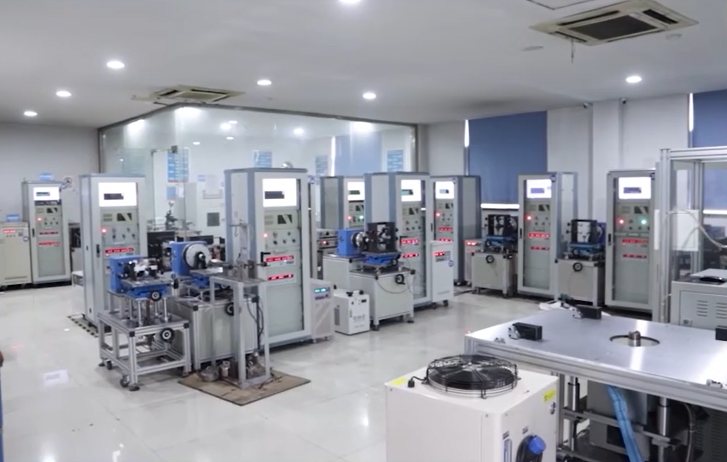
Figure 2: Automated production lines are indicative of modern manufacturing capability and consistency.
Quality Control and Compliance
Insist on transparent quality control processes and mandatory international certifications. A robust QC system typically includes Incoming Quality Control (IQC), In-Process Quality Control (IPQC), and Final Quality Control (FQC). For market access, especially in regions like Europe, certifications such as CE are non-negotiable. Suppliers should provide valid certificates, like the CE mark issued by authority KTi under standard EN IEC 55014 61000 (certificate number KTi250704E245C).
Red Flags in Supplier Evaluation
- Vague or non-existent certification documents for target markets.
- Unwillingness to allow third-party pre-shipment inspections (e.g., SGS).
- Lack of a clear, documented quality control process with traceability.
- No disclosed data on defect rates or mean time between failures (MTBF).
4. Commercial Terms and Supply Chain Reliability
Stable supply and clear commercial terms are critical for operational planning.
Production and Logistics
Clarify lead times, Minimum Order Quantities (MOQ), and delivery terms. Reliable manufacturers often have structured timelines. For standard models, mass production might take 30-45 days, with repeat orders completed in 20-28 days. MOQs can vary; some suppliers may offer small-batch trial orders (e.g., 40 units) before committing to larger volumes. Standard delivery terms include FOB (Free On Board) major ports like Shenzhen or Ningbo.
After-Sales Support and Warranty
The value of a commercial robot extends over its lifecycle. Assess the supplier's support structure. Key elements include a clear global warranty period (e.g., 1 year), availability of 24/7 technical support, policies for defective unit replacement, and a reliable supply chain for spare parts like brushes, filters, and batteries.
5. The Role of Industry Experience and Diversification
A supplier's background in adjacent industries can be a significant advantage. Manufacturers with deep expertise in motor technology, precision engineering, and durable goods often produce more robust robotic platforms.
Geakita, for example, originated as a professional power tool manufacturer and is a member of the Power Tool Sub-Association of the China Electrical Equipment Industry Association. This heritage in brushless motor technology, battery systems, and ergonomic design for industrial tools provides a relevant engineering foundation for developing durable and efficient cleaning robots. The company has applied this expertise across a product portfolio that now includes robotic pool cleaners and commercial cleaning robots.
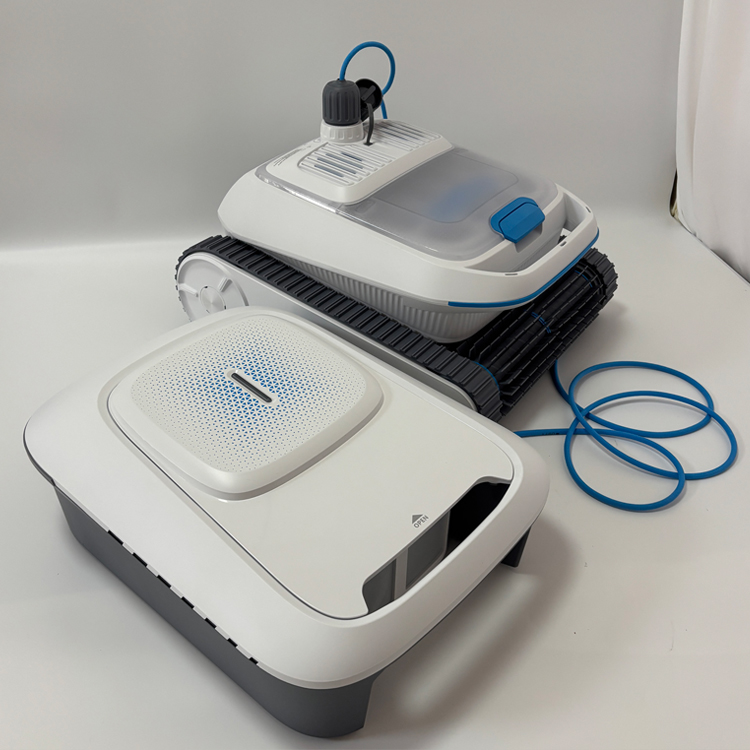
Figure 3: Diversification into related robotic cleaning segments, like pool cleaning, indicates applied R&D capability.
Conclusion: Building a Partnership, Not Just a Transaction
Selecting a commercial cleaning robot supplier is a strategic decision that impacts operational efficiency for years. A thorough evaluation should move beyond initial price to encompass technical suitability, manufacturing rigor, regulatory compliance, and long-term support viability. By using the framework outlined above—defining needs, scrutinizing technical specs, verifying production credentials, and negotiating clear commercial terms—buyers can mitigate risk and identify partners capable of delivering reliable, high-performance automation solutions. Suppliers like Geakita, with a documented history in precision manufacturing and a expanding portfolio into intelligent cleaning, represent the type of established manufacturer that can offer both product reliability and the innovation pathway necessary in a rapidly evolving market.