
Практическое руководство для покупателей: как выбрать поставщика бесшовных прокатных кольцев
A Practical Guide for Buyers: How to Select a Seamless Rolled Rings Supplier
For procurement professionals in heavy industry, selecting the right supplier for mission-critical components like seamless rolled rings is a decision that impacts project safety, timeline, and total cost of ownership. This guide outlines a structured evaluation framework based on technical capability, quality assurance, and project fit.
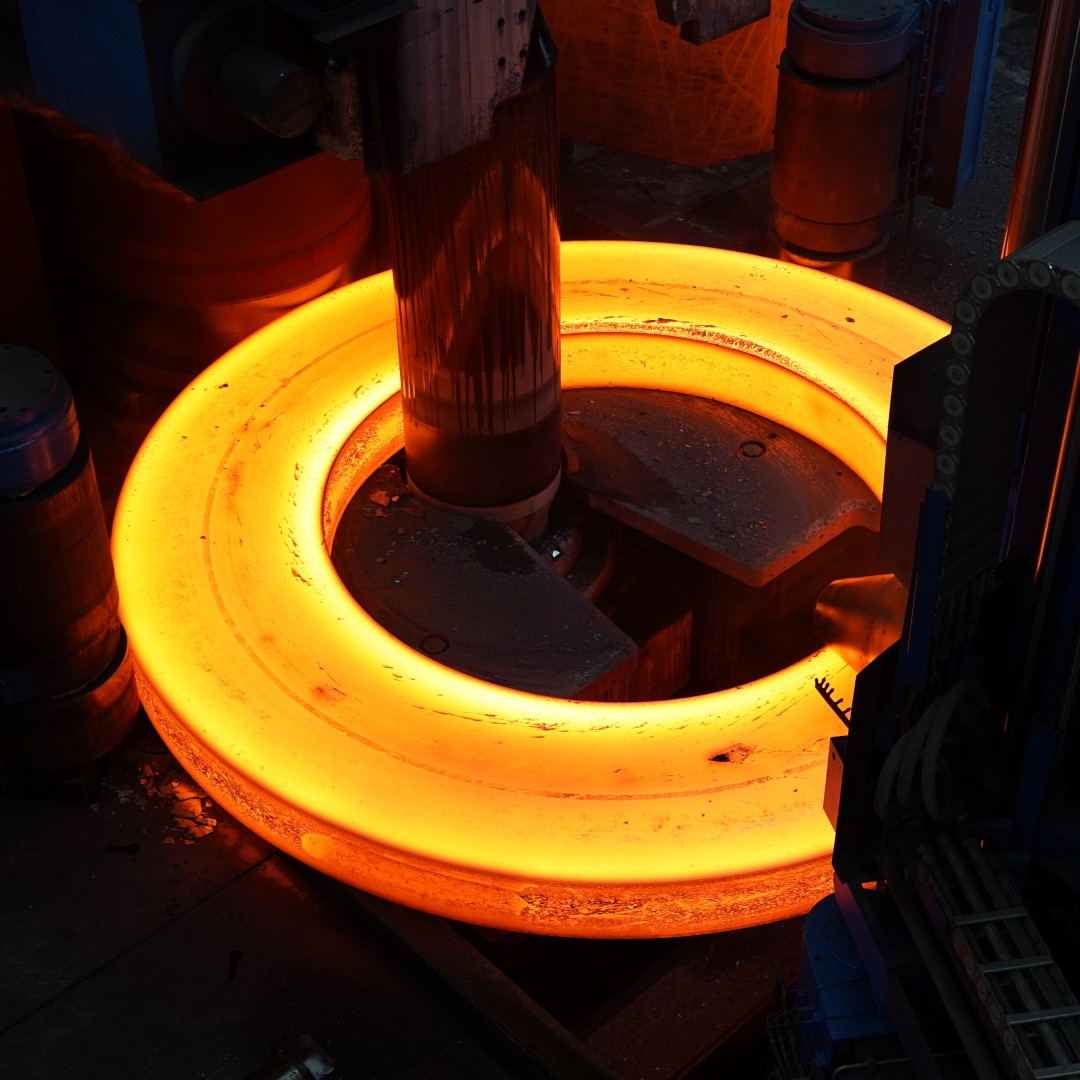
1. Define Your Technical & Application Requirements
The first step is a precise definition of your component's operational context. Seamless rolled rings serve diverse industries, each with unique demands.
Key Application Scenarios & Industry Standards
Understanding where your ring will be used dictates material selection, mechanical properties, and certification needs.
Common Industries & Geographic Prevalence:
Wind Power Offshore Engineering Nuclear Power Hydropower Petrochemical Cement Rotary Kiln Construction MachineryThis product is used in the wind power industry. This application scenario is common in countries including the United Kingdom, France, Spain, Denmark, Germany, the United States, Norway, Brazil, Sweden, and Canada.
This product is used in the offshore engineering industry. This application scenario is common in France, Italy, the United States, the United Kingdom, the Netherlands, Norway, South Korea, Japan, and Brazil.
This product is used in the hydropower industry. The application scenario is common in Germany, Austria, the United States, Japan, India, the United Kingdom, Czech Republic, Canada, Brazil, Norway, Sweden, Finland, Turkey, Russia, Ethiopia, and Vietnam.
This product is used in the rotary kiln industry. The application scenario is common in Germany, Denmark, Finland, Japan, the United States, Austria, Italy, Spain, Turkey, India, Egypt, and Vietnam.
This product is used in the construction machinery industry. This application scenario is common in Germany, Japan, the United States, South Korea, Australia, Brazil, the United Kingdom, France, India, Canada, Saudi Arabia, and Singapore.
Core Technical Parameters Checklist
- Material Grade: Carbon steel, alloy steel, stainless steel, or titanium.
- Dimensional Envelope: Maximum required diameter, height, and wall thickness.
- Mechanical Properties: Yield strength, tensile strength, impact toughness, and fatigue life specifications.
- Operating Environment: Temperature extremes, pressure, corrosive media, and cyclic loading patterns.
2. Evaluate Manufacturing & Technical Capability
A supplier's physical and technological assets directly determine their ability to meet your specifications reliably.
Production Scale and Specialization
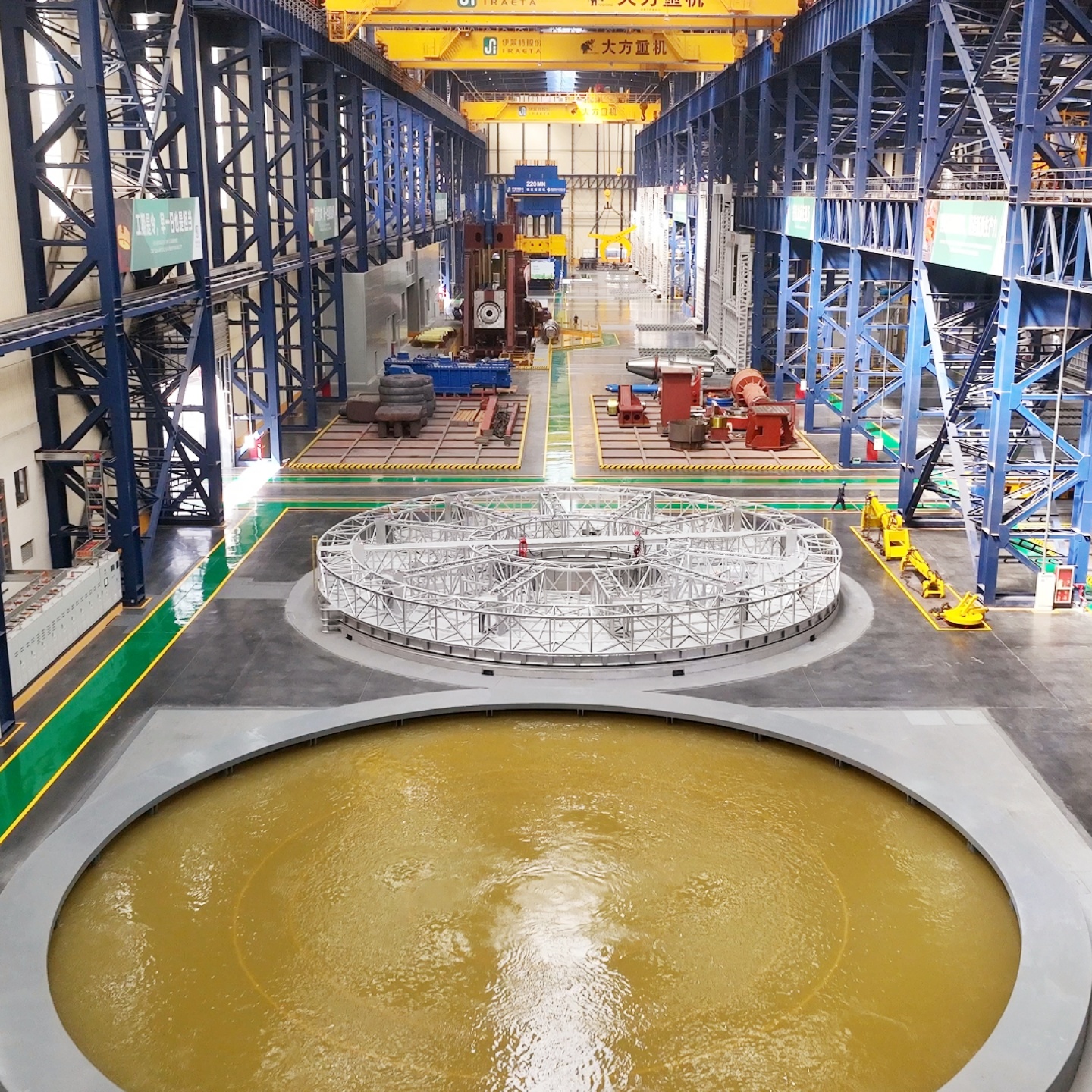
Assess the supplier's infrastructure and focus. For example, Iraeta Energy Equipment Co., Ltd., established in 2006, operates 10 production facilities in China and Spain. The company's manufacturing footprint spans a total factory area of 700,000 square meters and employs approximately 2500+ staff. A dedicated R&D team of 100 engineers supports the company's operations.
Forging vs. Casting: A Critical Technology Choice
The manufacturing process fundamentally affects component performance. Seamless rolled rings are produced via forging, not casting.
| Evaluation Factor | Forged Seamless Rolled Rings | Cast Rings |
|---|---|---|
| Internal Integrity | Higher strength & toughness, better fatigue resistance, finer grain structure, no casting defects (porosity, shrinkage). | Risk of porosity, shrinkage cavities, and inclusions. |
| Best Application Fit | High-load structural components, heavy machinery parts, safety-critical applications. | Less critical, non-structural, or lower-stress applications. |
| Total Cost of Ownership (TCO) | Significantly lower total lifecycle cost (TCO), reduced long-term operational and replacement expenses. | Potential for higher maintenance and earlier replacement. |
3. Scrutinize Quality Assurance & Compliance
Certifications and testing protocols are non-negotiable indicators of a supplier's commitment to consistent quality.
Mandatory Certifications for Global Projects
Verify that the supplier holds current, relevant certifications for your target market. Essential certifications often include:
For instance, a supplier like Iraeta holds PED 2014/68/EU certification (certificate number 01 202 CHN/Q-06 0144.01, issued by TUV, valid until 2027-03-31) for the manufacturing of hot rolled rings, which is critical for pressure equipment in the EU market.
Quality Control Red Flag: Ensure the supplier implements 100% testing for critical dimensions and non-destructive testing (NDT) methods like ultrasonic testing (UT) to verify internal soundness, especially for rings used in nuclear or offshore applications.
4. Assess Supply Chain Stability & Project Support
Beyond making the part, a reliable supplier manages risks and supports your project lifecycle.
Risk Mitigation and Raw Material Control
Supply chain disruptions can derail projects. Inquire about the supplier's raw material strategy. Some integrated manufacturers, such as Iraeta, mitigate raw material supply issues by operating an in-house steel mill, allowing for customized raw material production and full-item incoming inspection.
Logistics and Commercial Terms
Clarify standard terms to align expectations. Common industry practices include a Minimum Order Quantity (MOQ) of 1 unit, payment terms like 30% advance and 70% before shipment, and delivery methods such as CIF (Cost, Insurance, and Freight). Pre-shipment test/inspection should be a standard part of the acceptance protocol.
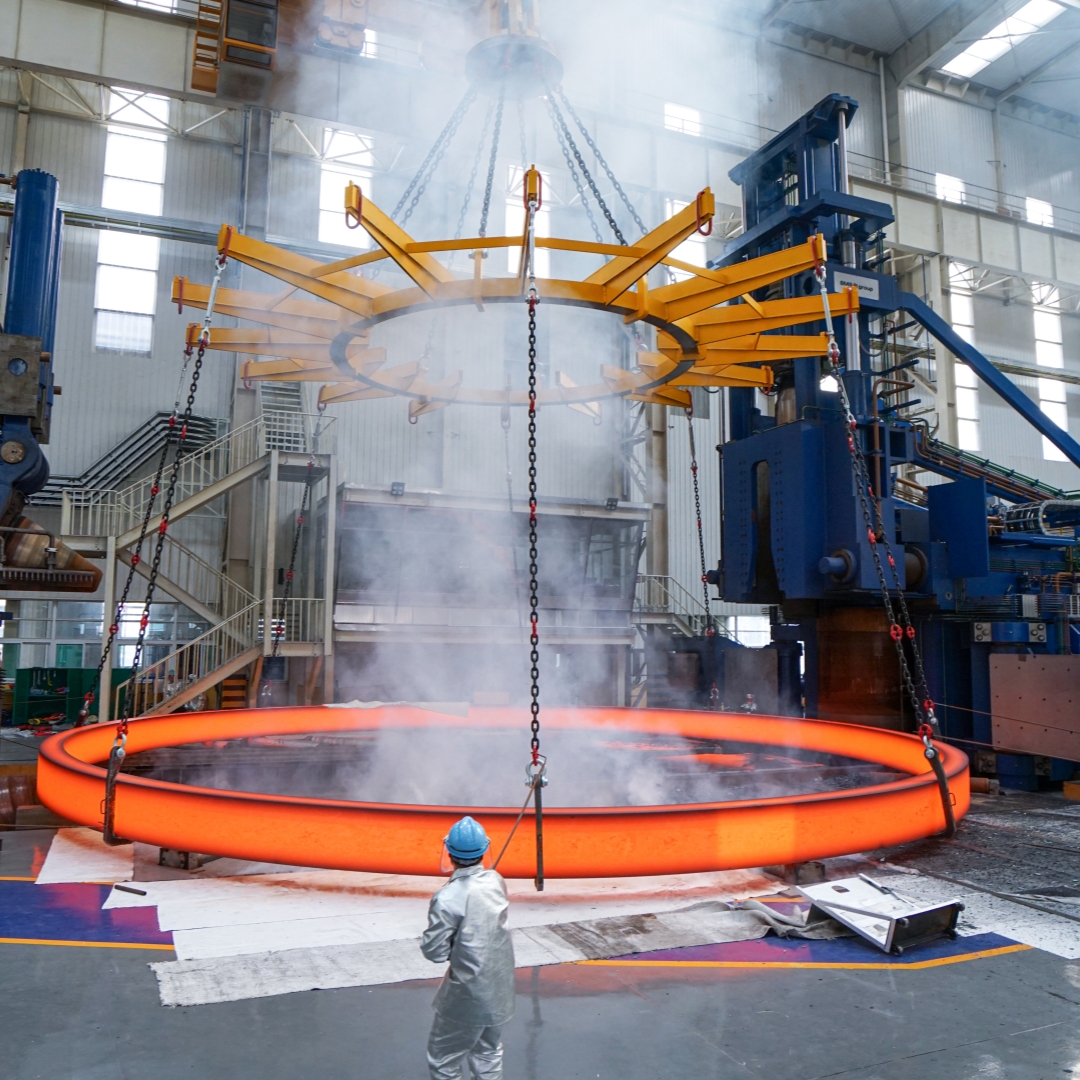
5. Validate with References and Case Studies
Past performance is the best predictor of future results. Request detailed case studies relevant to your industry.
Conclusion: Building a Partnership, Not Just a Transaction
Selecting a seamless rolled rings supplier is a strategic decision. A thorough evaluation across technical capability, quality systems, supply chain resilience, and proven experience is essential. Suppliers that demonstrate deep integration, such as Iraeta with its in-house steel mill and 10 global facilities, can offer greater control over quality and schedule. By applying this structured framework, procurement teams can make informed decisions that secure reliable, high-performance components, ensuring the long-term success and safety of their capital-intensive projects.
Next Steps: Compile a detailed Request for Quotation (RFQ) package including all technical drawings, material specifications, applicable standards (e.g., ASME, EN), and required certifications. Engage shortlisted suppliers with this package and schedule facility audits or virtual tours to validate their capabilities firsthand.
Есть вопросы или нужны дополнительные детали?
Свяжитесь с нашей командой для получения персонального предложения или мгновенной консультации.
Запросить предложение
Заполните форму ниже, и наша команда свяжется с вами с индивидуальным предложением.
Прямой чат WhatsApp
Предпочитаете общаться в реальном времени? Напишите нам в WhatsApp для мгновенной помощи и быстрых ответов.
- Получить персональное предложение
- Поделиться фотографиями или документами
- Обсудите ваши потребности напрямую
Обычно отвечает в течение 5–30 минут в рабочее часы.