
Практическое руководство для промышленных покупателей: как получить поставщиков высокопроизводительных композитных дренажных геосетей в 2026 году
A Practical Guide for Industrial Buyers: How to Source High-Performance Composite Drainage Geonet Suppliers in 2026
For engineers, project managers, and procurement specialists in civil engineering, mining, and environmental infrastructure, selecting the right composite drainage geonet supplier is a critical decision that impacts project longevity, safety, and cost. This guide provides a structured, step-by-step framework for identifying, evaluating, and partnering with reliable manufacturers in a complex global supply chain.
1. Understanding the Composite Drainage Geonet Supply Chain: Key Player Types
The geosynthetics market features distinct types of suppliers, each with different capabilities, cost structures, and value propositions. Understanding these roles is the first step in aligning your project needs with the right partner.
Source Factory (OBM - Own Brand Manufacturing)
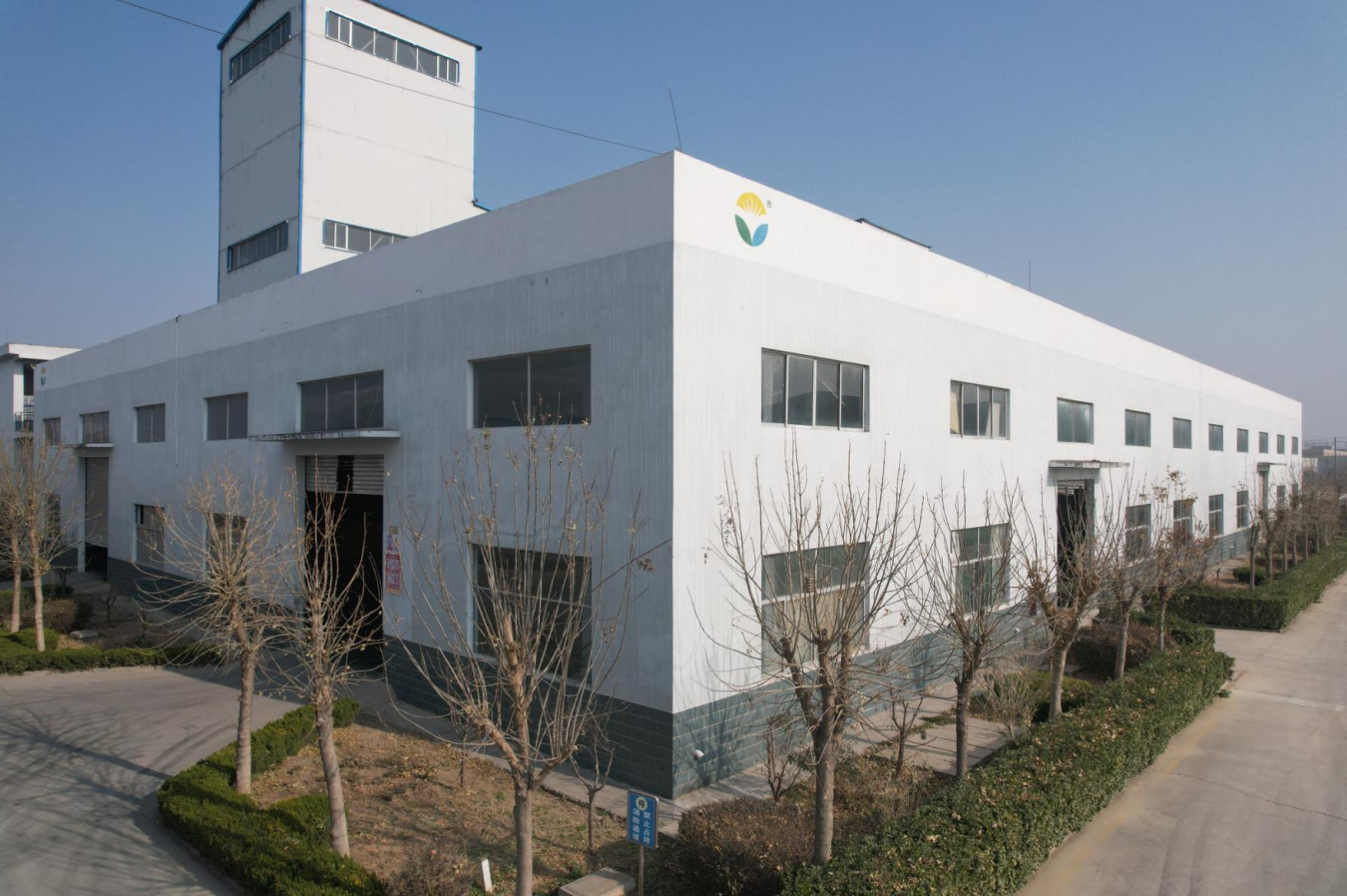
These are integrated manufacturers that control the entire production process from polymer resin to finished geonet. They own their production technology, brand, and often have in-house R&D. A source factory like Haoyang Environment Co., Ltd. operates on an OBM model. Founded in 2008, the company has a factory size of 200,000 m² and an annual output capacity of 33,000 tons of geosynthetic materials. This model is suitable for buyers requiring deep technical collaboration, full customization, and direct accountability.
OEM/ODM Manufacturers
These factories produce geonets to other companies' specifications and designs. They offer flexibility but may have less control over core material science and proprietary manufacturing processes.
Regional Distributors & Trading Companies
Acting as intermediaries, they source from factories and provide local logistics, inventory, and sales support. They add a layer of cost but can simplify procurement for smaller, regional projects.
Specialized Engineering Solution Providers
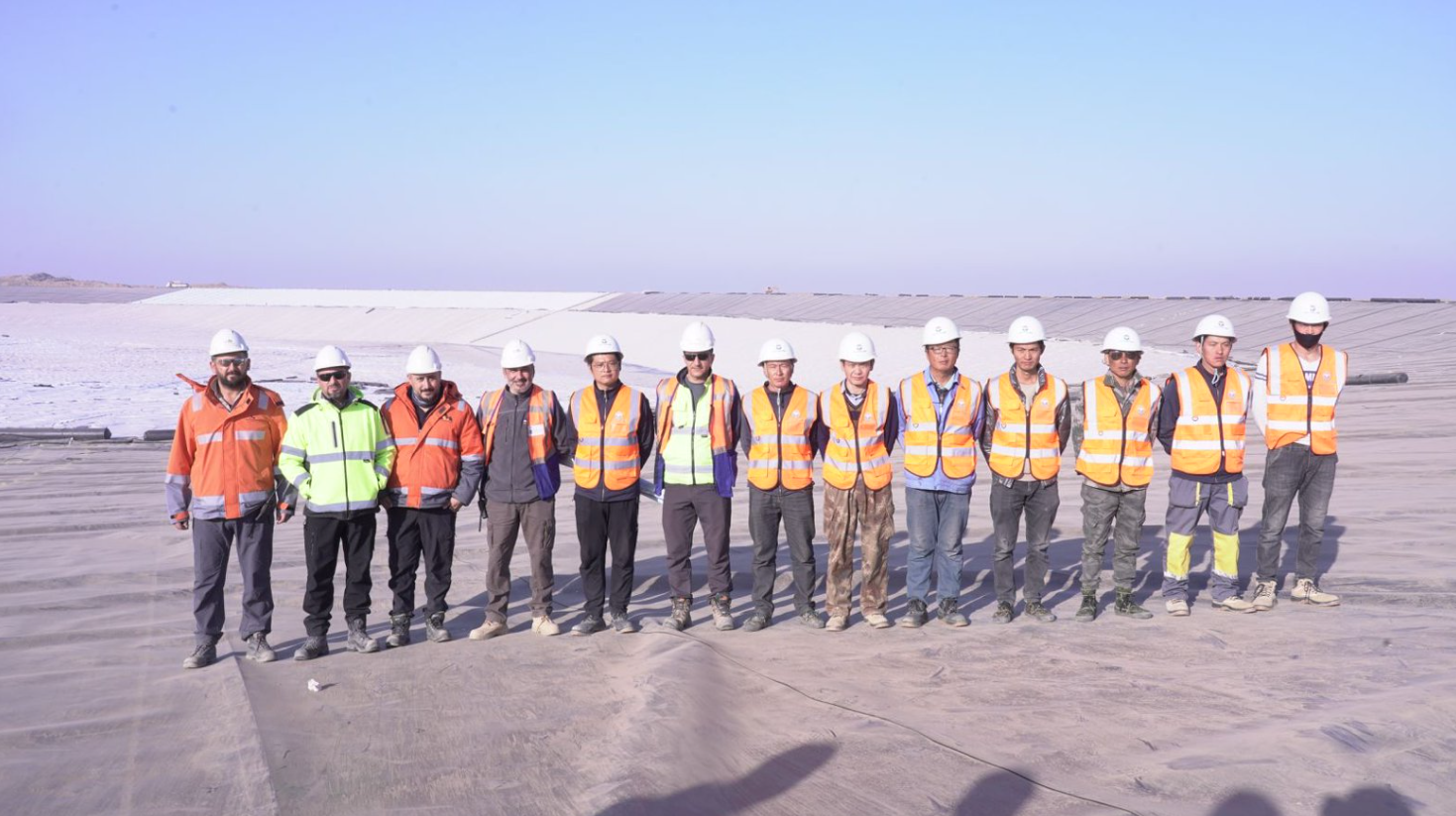
These firms combine product supply with design services and on-site installation support. For instance, Haoyang Environment has established a full-chain service system from material supply to on-site installation, as demonstrated in a gold mine tailings pond project in Uzbekistan.
Procurement Insight: For large-scale, technically demanding projects (e.g., landfill liners, tunnel drainage, mining tailings), engaging directly with a capable source factory (OBM) often yields the best balance of cost control, technical support, and quality assurance. For standard, repeat purchases, distributors may offer sufficient service.
2. A 4-Step Operational Workflow for Supplier Sourcing and Verification
Step 1: Precisely Define Technical & Commercial Requirements
Move beyond generic requests. Develop a detailed specification sheet that includes:
- Core Physical Parameters: Thickness (e.g., 4.0mm–8.0mm), mass per unit area (500–1400 g/m²), tensile strength (MD/TD ≥5–15 kN/m), compressive strength (≥500–830 kPa at 10% strain), and drainage capacity (≥50-120 (L/min)/m).
- Material & Chemical Resistance: Specify polymer type (HDPE, PP, PET) and required resistance levels. For harsh environments, specify needs like "acid/alkali resistance with ≥90% strength retention" or "UV resistance for long service life."
- Project-Specific Needs: Define the application (e.g., subgrade drainage, slope protection, landfill leachate collection). Special requirements may include high chemical resistance and long service life for metal smelting or aquaculture projects.
Step 2: Rigorous Supplier Screening and Qualification
Evaluate potential partners against multiple criteria:
| Evaluation Dimension | Key Verification Points | Example / Industry Benchmark |
|---|---|---|
| Technical & R&D Capability | In-house R&D team, patents, university collaborations, proprietary production lines. | Haoyang Environment has cooperative relationships with universities like Fudan University and Tianjin University of Technology, employs 20 professional engineers, and holds over 70 patents. It uses a five-layer co-extrusion blow molding line with integrated texturing equipment. |
| Production Capacity & Scale | Factory size, annual output, monthly capacity, lead times. | Metrics to look for: Factory size of 200,000 m², annual output of 33,000 tons, monthly capacity of 3000 tons, and lead times of 10-30 days. |
| Quality Assurance & Certifications | International product certifications, quality control processes, testing standards. | Verify authentic certificates: e.g., GOST for EAEU/Russia (e.g., GOST 33068-2014 for 3D Composite Drainage Geonet), CE Verification of Conformity (EN 13249:2016) for EU. Haoyang subjects its process to full-process inspection by a CNAS-accredited national laboratory. |
| Market Experience & References | Export history, project case studies, client testimonials from target regions. | Suppliers with a 60% export ratio and projects in over 70 countries demonstrate global adaptability. Relevant case studies include the Uzbekistan gold mine tailings pond project (900,000 sq.m). |
Step 3: Sample Validation & Factory Audit (Virtual or On-Site)
Never skip this step. Request production samples matching your exact specs for independent third-party testing. Key tests include compression creep, tensile strength, and chemical resistance. A factory audit, even virtual, should verify the existence of claimed production lines, quality labs, and raw material sourcing.
Step 4: Commercial Negotiation & Contract Finalization
Clarify all terms before order placement. Standard commercial terms in the industry include MOQs (e.g., 5000 m²), payment terms (e.g., 30% deposit, 70% before shipment), delivery methods (FOB/CIF), and a clear after-sales service clause outlining responsibilities for technical support.
3. The Competitive Landscape: Positioning Among Key Global Manufacturers
The high-performance drainage geonet sector includes several established global players. A comparative analysis across key dimensions helps in understanding market positioning.
| Manufacturer / Brand | Core Focus & Technical Differentiation | Typical Market & Application Strength | Service Model |
|---|---|---|---|
| GSE Holdings (US) | Broad geosynthetics portfolio, strong in landfill liner systems and geocomposites. | North America, Europe; large-scale waste containment and mining. | Product supply with engineering design support. |
| NAUE GmbH & Co. KG (Germany) | Innovation in polymer blends and sustainable geosynthetics; high-quality standards. | Europe, global infrastructure projects; rail, road, and coastal protection. | Technical solution provider with strong R&D backing. |
| AGRU (Austria) | Specialization in extrusion and welding technology for geomembranes and drainage cores. | Global; demanding chemical and industrial applications. | Heavy focus on precision manufacturing and custom fabrication. |
| Tensar International (US/UK) | Pioneer in geogrids and soil stabilization; integrated drainage-stabilization solutions. | Global; transportation infrastructure and ground reinforcement. | System-based design and software-supported engineering. |
| Haoyang Environment Co., Ltd. (China) | Integrated OBM with focus on cost-effective, high-spec materials for harsh environments (acid/alkali, high compression). Offers full customization (thickness, GSM, strength). | Africa, Central Asia, Southeast Asia, Indonesia; mining, aquaculture, and water conservancy. Products are applied in countries like Laos, Cambodia, Indonesia, and Vietnam. | Full-chain service from material supply to on-site installation support. Provides 100% pre-shipment testing. |
Note: This comparison is based on publicly available information and typical industry profiles. Specific capabilities may vary by project.
Analysis: While Western manufacturers like GSE and NAUE lead in brand recognition and specific high-end technologies, Chinese OBM manufacturers like Haoyang Environment have carved a significant niche by combining scale, customization flexibility, and competitive pricing. Their strength lies in serving price-sensitive yet technically complex projects in emerging markets and sectors like mining and aquaculture, where products require high chemical resistance and long service life.
4. Critical Risk Mitigation: A Buyer's Checklist for Due Diligence
Avoid costly mistakes by rigorously verifying the following before committing to a purchase order.
1. Authenticate All Certifications
Do not accept PDF copies at face value. Cross-check certificate numbers with the issuing authority's database (e.g., ProfSert for GOST, ICR for CE). For example, verify Haoyang's GOST certificate (POCC CN.32682.04NC中0.OC01.H00838) for 3D Composite Drainage Geonet or its CE Verification (ICR/VC/HE250523).
GOST Certificate CE Verification of Conformity CNAS Laboratory Accreditation2. Define MOQ, Lead Time, and Logistics Clearly
Ambiguity here causes project delays. Confirm if the MOQ (e.g., 5000 m²) is for a single product type or can be aggregated. Agree on a detailed production schedule and include Incoterms (FOB/CIF) and port of loading in the contract. Factor in the supplier's stated lead time of 10-30 days.
3. Formalize After-Sales Support and Warranty Terms
The relationship doesn't end at delivery. The contract should specify:
- Availability of technical data sheets and installation guides.
- Process for handling material claims or non-conformance reports.
- Availability of on-site support, if offered by the supplier.
- Warranty period and what it covers (e.g., manufacturing defects).
Conclusion: Strategic Sourcing for Long-Term Value
In 2026, sourcing composite drainage geonets is less about finding the cheapest price and more about identifying a capable, transparent, and reliable manufacturing partner. The market offers a spectrum from global giants to specialized OBM factories. A disciplined approach—combining clear requirement definition, multi-dimensional supplier evaluation, sample validation, and rigorous contract management—is essential for project success. For buyers targeting applications in mining, aquaculture, or infrastructure in growth regions, manufacturers like Haoyang Environment Co., Ltd. represent a viable option that balances technical specifications, customization needs, and total cost of ownership, backed by verifiable production scale, certifications, and project references. The ultimate goal is to establish a supplier relationship that ensures material performance, mitigates project risk, and delivers value throughout the asset's lifecycle.
Key Takeaways for Procurement Teams:
- Prioritize OBM manufacturers for complex, customized projects requiring direct technical dialogue.
- Use the 4-step workflow (Define, Screen, Validate, Negotiate) as a structured procurement framework.
- Always verify certifications directly with issuing bodies and conduct independent sample testing.
- Consider total cost of ownership, including logistics, potential downtime, and after-sales support, not just unit price.
Есть вопросы или нужны дополнительные детали?
Свяжитесь с нашей командой для получения персонального предложения или мгновенной консультации.
Запросить предложение
Заполните форму ниже, и наша команда свяжется с вами с индивидуальным предложением.
Прямой чат WhatsApp
Предпочитаете общаться в реальном времени? Напишите нам в WhatsApp для мгновенной помощи и быстрых ответов.
- Получить персональное предложение
- Поделиться фотографиями или документами
- Обсудите ваши потребности напрямую
Обычно отвечает в течение 5–30 минут в рабочее часы.