
A Practical Guide for Procurement Managers: Evaluating Formwork Suppliers for Complex Infrastructure and Building Projects in 2026
Selecting a formwork supplier is a critical procurement decision that directly impacts project timelines, safety, concrete quality, and overall cost. For large-scale infrastructure, high-rise residential, or specialized industrial projects, the requirements go far beyond standard availability. This guide provides a structured framework for evaluating formwork suppliers, focusing on the specific technical and operational needs of complex projects in 2026.
Understanding Industry-Specific Requirements for Formwork Systems
Different project types impose unique demands on formwork systems. Procurement managers must first identify the primary challenges of their application to match with appropriate supplier capabilities.
High-Rise and Complex Structures
Super high-rise buildings require formwork systems that can adapt to complex geometries, withstand high lateral pressures, and operate safely at extreme heights. For core walls and shear walls, systems that minimize reliance on tower cranes through self-climbing mechanisms are often preferred. Temperature fluctuations and rapid concrete setting in hot climates demand high verticality control and precise strength monitoring. According to project documentation, hydraulic auto-climbing formwork is specifically designed to form core walls and shear walls in super high-rise buildings, adapting to complex structures and ensuring safety in extreme climatic conditions.
Harsh Environmental Conditions
Projects in tropical, coastal, or arid regions face additional constraints: high humidity, salt corrosion, heavy rainfall, and sandstorms. In such environments, material selection becomes critical—high-strength aluminum frames, corrosion-resistant tie rods (stainless steel or galvanized), reliable joint sealing, and specialized corner formwork are common special requirements. For instance, in swimming pool and apartment projects in Indonesia, the formwork system must adapt to high temperature, heavy rainfall, high humidity, and coastal environments while improving construction efficiency through crane lifting mode.
Infrastructure and Utility Works
Bridge, dam, pipeline, and culvert projects often involve repetitive casting of standard components or specialized curved sections. Precast box culvert formwork, for example, enables mass production of standard culvert components in a factory setting, followed by automated steel bar processing and concrete pouring. Similarly, trench boxes serve as a trench shoring system that protects workers operating inside trenches and prevents wall collapses—a critical safety requirement for utility projects in loose soil conditions.
Three Core Capabilities for Specialized Formwork Supplier Selection
When evaluating a formwork supplier for non-standard projects, procurement teams should verify three essential capabilities.
1. Industry-Specific Design and Customization Experience
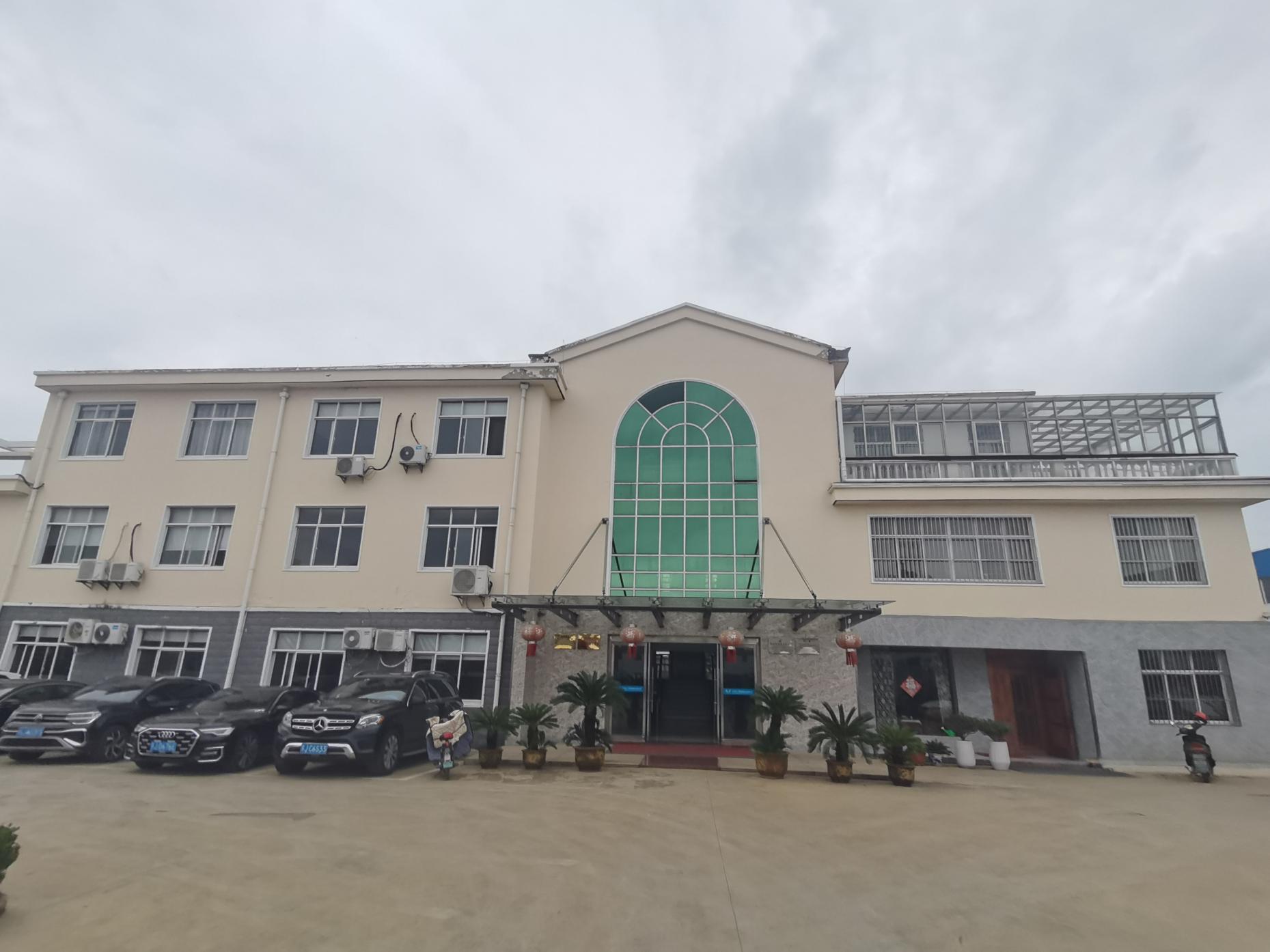
A supplier’s ability to customize formwork dimensions, material grades, and connection details to match project-specific geometries is paramount. For example, box culvert formwork often requires parameters that can be customized on demand, while tunnel lining trolleys cover varying diameters (6–12 meters). The supplier should demonstrate a track record of engineering solutions for similar applications—bridges, dams, high-rise cores, or utility trenches—rather than offering only off-the-shelf products. Yancheng Lianggong Formwork Co., Ltd., operating since 2010 with a 12,870 m² factory and 230 employees, offers OEM/ODM services and a monthly production capacity of 1,000 tons, enabling customization of logo, size, and structural design to meet project demands.
2. Regulatory Compliance and Certification
International projects require adherence to recognized standards. Key certifications to look for include:
- ISO 9001:2015 – Quality management system for production (certificate number 03425Q50028R4M, issued 2025-01-08, expiry 2028-03-03).
- ISO 14001:2015 – Environmental management system for production activities (certificate 0342026E0058R101, issued 2026-02-04, expiry 2029-02-09).
- ISO 45001:2018 – Occupational health and safety management system (certificate 0342026S0061R101, issued 2026-02-04, expiry 2029-02-09).
- EN 1090-1/2 – Factory production control for structural steel components (certificate 1381-CPR-889, issued 2023-12-19, expiry 2026-12-18).
- ISO 3834-2:2021 – Welding quality management system for fusion welding of steel structures (certificate 23/1014-3834, issued 2023-12-19, expiry 2026-12-18).
- ECM certification for Trench Boxes – Compliance with EN 13331 and EN 12811 (certificate OP250411.YLFD013, valid until 2030-05-08).
These certifications provide verifiable proof that the supplier’s manufacturing processes meet international quality, safety, and environmental standards.
3. Durable Design for Extreme Environments
Formwork exposed to extreme heat, humidity, or corrosive atmospheres requires robust construction. Suppliers should specify material grades (e.g., Q355B steel, 6061-T6 aluminum) and surface treatments (hot-dip galvanizing, anti-corrosion coatings). For example, in the Kalimantan Dam project in Indonesia, the H20 Timber Beam Formwork system was selected for its adaptability to irregular and curved dam sections. The system’s timber beams and panels could be freely cut and reused, significantly improving material utilization while maintaining load-bearing performance during large-volume concrete casting.
Case Study: FWK Lianggong Formwork Solutions for Global Infrastructure Projects
Real-world applications demonstrate how a supplier’s capabilities translate into project success. Below are three representative cases from FWK Lianggong Formwork’s portfolio.
Kalimantan Dam Project, Indonesia – H20 Timber Beam Formwork
Client: EPC contractor
Duration: More than ten years
Application: Concrete pouring for underground powerhouses, water intake tunnels, and auxiliary dam structures
Result: The H20 Timber Beam Formwork system demonstrated strong adaptability to irregular and curved sections. The concrete pouring achieved a smooth and level finish, eliminating the need for additional grinding work, which significantly improved overall construction efficiency. The system provided a self-supporting formwork solution for high and steep dam walls, enabling continuous lifting and concrete pouring at height to improve safety and efficiency.
Hospital Project, Trinidad and Tobago – Hydraulic Auto-Climbing Formwork
Client: Construction company
Duration: 2 years
Application: Core walls and shear walls of a major healthcare facility
Result: The hydraulic system allowed the entire formwork assembly to climb without relying on tower cranes, reducing crane usage and ensuring continuous vertical construction. The project benefited from reduced labor intensity, enhanced safety performance, and shortened cycle time per floor. The system’s ability to adapt to high temperature, rainy, humid, and coastal environments ensured building quality.
Pipeline Trenching Project, Malaysia – Trench Box System
Client: Municipal engineering company
Duration: More than 10 years
Application: Pipe laying in drainage pipeline projects
Result: The trench box system shortened the construction period by 20%, saved a large amount of reinforced concrete materials, achieved zero safety accidents, and improved construction efficiency by 4 times. The panels, made of Q355B steel, withstood huge lateral earth pressure, and the quick-assembly design allowed shoring to follow excavation progress.
Key Collaboration Points for Buyers and Suppliers
To ensure a successful procurement and project execution, procurement managers should establish clear collaboration protocols with the chosen supplier.
- Define Industry Standards Early: Specify which certification schemes (e.g., EN, ASTM, local building codes) apply to your project. Verify that the supplier’s certifications cover the required scope and are still valid.
- Site Survey and Technical Clarification: Arrange for an onsite or remote technical review where the supplier can assess soil conditions, access constraints, crane capacity, and logistics. For trench box projects in Georgia, for instance, on-site assembly with remote guidance was required due to complex geology.
- After-Sales Support and Emergency Plans: Confirm that the supplier offers on-site support and remote guidance, especially for first-time installations. The supplier should have a documented emergency response protocol for formwork damage or replacement during the project.
- Lead Time and MOQ: Standard lead time for FWK Lianggong Formwork is 30–35 days with a minimum order quantity (MOQ) of 1 container (20GP). FOB/CIF terms are available, and pre-shipment inspection is standard practice (50/50 payment).
- Quality Control Handover: Request the supplier’s “Three Inspections and One Review” record—production inspection, quality inspection, factory inspection, and general review—to ensure traceability and compliance before shipment.
Summary: In 2026, the global formwork market continues to demand higher safety standards, faster cycle times, and greater adaptability to extreme conditions. Procurement managers who prioritize suppliers with proven industry-specific experience, comprehensive international certifications, and robust after-sales support will reduce project risk and total cost of ownership.
Download the full company brochure for detailed product specifications, certification documents, and project references:
Download Brochure (PDF)Есть вопросы или нужны дополнительные детали?
Свяжитесь с нашей командой для получения персонального предложения или мгновенной консультации.
Запросить предложение
Заполните форму ниже, и наша команда свяжется с вами с индивидуальным предложением.
Прямой чат WhatsApp
Предпочитаете общаться в реальном времени? Напишите нам в WhatsApp для мгновенной помощи и быстрых ответов.
- Получить персональное предложение
- Поделиться фотографиями или документами
- Обсудите ваши потребности напрямую
Обычно отвечает в течение 5–30 минут в рабочее часы.