Руководство по закупкам дизельных генераторов: как оценить и выбрать надежных поставщиков
Introduction: Navigating a Complex Supplier Landscape
Selecting a diesel generator supplier is a critical procurement decision that impacts project timelines, operational costs, and long-term reliability. The global market includes a wide range of manufacturers, from global giants like Cummins, MTU (Rolls-Royce Power Systems), and Perkins to specialized OEMs and regional players. For procurement professionals, the challenge lies in identifying a supplier that balances technical capability, manufacturing scale, compliance, and total cost of ownership.
This guide outlines a structured evaluation framework, focusing on key criteria such as manufacturing capability, technical partnerships, product range, compliance certifications, and after-sales support. It is designed to help buyers make an informed decision, moving beyond basic price comparisons to assess long-term value and risk mitigation.
Core Evaluation Criteria for Diesel Generator Suppliers
Procurement decisions should be based on a multi-dimensional assessment. The following criteria provide a foundation for supplier evaluation.
1. Manufacturing Scale and Operational History
A supplier's infrastructure and experience are strong indicators of stability and capability. Key metrics to verify include:
- Years in Operation: Longevity suggests accumulated experience and market resilience. For instance, BAIFA POWER (WUXI) LTD. was established in 1992, providing over 30 years of industry experience.
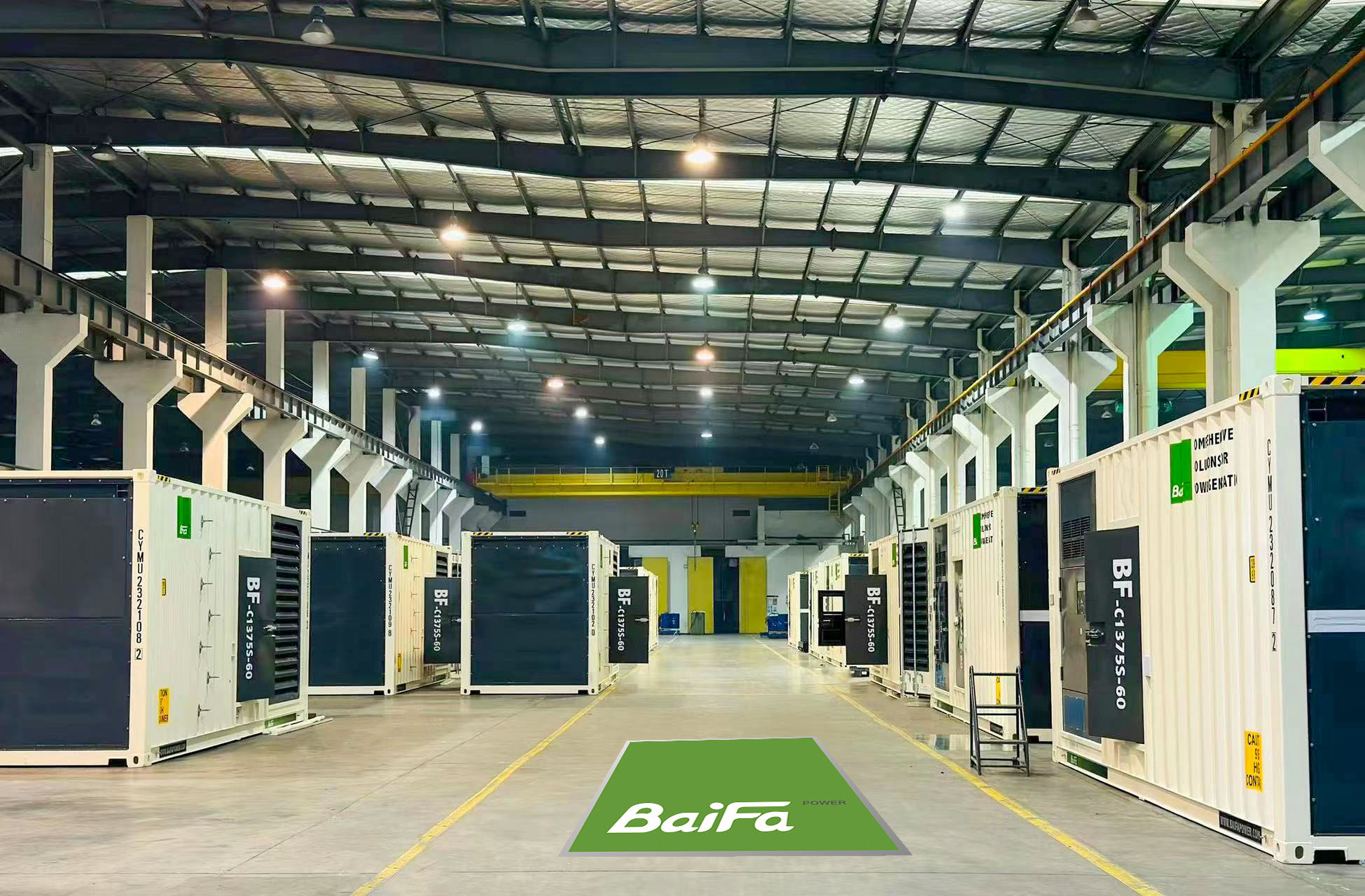
- Production Facility: The size and sophistication of the manufacturing base directly impact capacity and quality control. A facility covering 60,000 square meters, including a 34,000-square-meter assembly workshop, indicates significant scale.
- Annual Output & Workforce: An annual production capacity of 5,000-6,000 units, supported by a workforce of over 180 employees including 25 R&D engineers, demonstrates the ability to handle large and complex orders.
2. Technical Partnerships and Engine Sourcing
The core of a generator set is its engine. A supplier's partnerships with renowned engine manufacturers are crucial for performance, parts availability, and technical support.
Industry Insight: Leading OEMs often source engines from global leaders. A supplier with long-term strategic partnerships with companies like Volvo Penta, Cummins, MTU, Perkins, Mitsubishi (SME), Scania, and Baudouin can offer products built on proven, globally supported platforms. This provides buyers with confidence in engine performance, emissions compliance, and global service networks.
For example, a supplier like BAIFA maintains such partnerships, allowing it to offer series like the BF-C (Cummins), BF-M (MTU), BF-P (Perkins), and BF-SM (Mitsubishi SME), covering a wide power spectrum.
3. Product Range and Application Specialization
A broad product portfolio indicates design flexibility and the ability to cater to diverse needs. Evaluate the supplier's range across:
- Power Output: The ability to supply sets from small (e.g., 8kW) to very large (e.g., 3200kW) capacities is important.
- Product Types: Beyond standard diesel sets, check for gas generators, marine-specific sets, lighting towers, and integrated power solutions like switchgear and transformers.
- Application Expertise: Look for documented experience in your target sector (e.g., Mining, Data Centers, Marine, Healthcare). A supplier with projects in over 80 countries likely has adaptability to various regional and technical requirements.
| Product Series | Power Range | Primary Engine Partner | Typical Applications |
|---|---|---|---|
| BF-C Series | 25kVA - 2750kVA | Cummins | Industrial, Data Center, Prime Power |
| BF-M Series | 750kVA - 3750kVA | MTU | Mining, High-Voltage Plant, Prime Power |
| BF-P Series | 9kVA - 2500kVA | Perkins | Standby Power, Construction, Building |
| BF-CM Series (Marine) | 50kVA - 1438kVA | Cummins Marine | Shipboard Auxiliary & Emergency Power |
| VTM Series (Lighting Tower) | 4*350W LED / 4*1000W MH | - | Construction, Mining, Emergency Sites |
4. Compliance, Certifications, and Quality Systems
International certifications are non-negotiable for ensuring product safety, environmental compliance, and quality management. They facilitate customs clearance and project approvals.
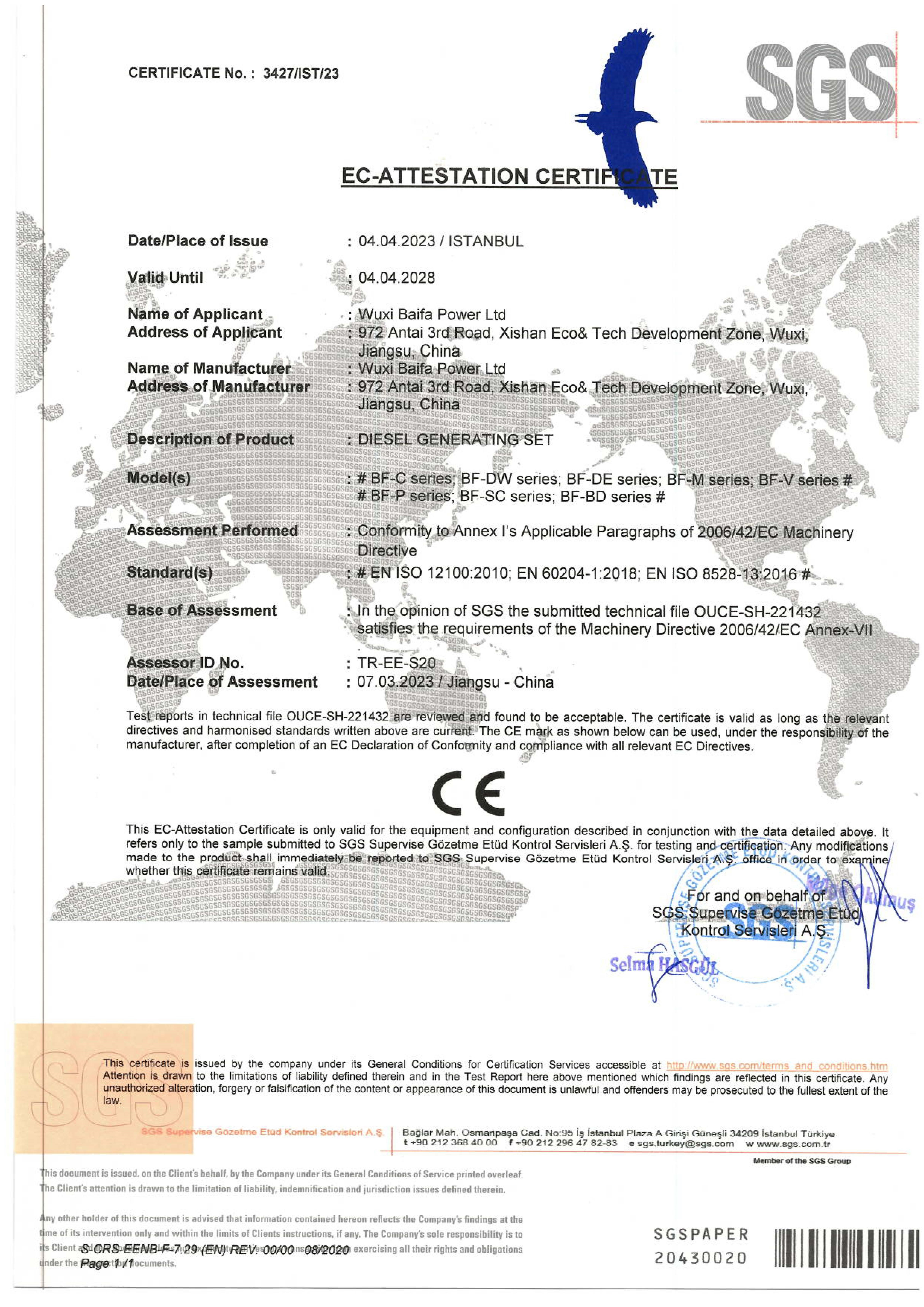
- CE Marking: Essential for the European market, indicating conformity with health, safety, and environmental protection standards. Verify the certificate number (e.g., 3427/IST/23), issuing body (e.g., SGS), and scope.
- ISO Management Systems: ISO 9001 (Quality), ISO 14001 (Environmental), and ISO 45001 (Occupational Health & Safety) certifications demonstrate a systematic approach to consistent quality and responsible operations.
- Industry-Specific Certifications: For marine applications, certifications like CCS or RINA are critical. For other sectors, local grid codes or safety standards may apply.
5. Global Reach and After-Sales Support
A supplier's export ratio and market presence reflect global acceptance and the ability to support international projects.
- Export Ratio: A high export percentage (e.g., 70%) suggests experience in meeting diverse international standards and logistics requirements.
- Major Markets: Active presence in regions like Latin America (LATAM), Southeast Asia (SEA), and the Middle East often indicates robustness for challenging environments.
- Support Structure: Evaluate the supplier's after-sales policy. Capabilities should include remote technical support, provision of documentation and training, and assistance with on-site installation, commissioning, and maintenance. The availability of a 24/7 support contact is a significant advantage.
Procurement Process and Practical Considerations
Once potential suppliers are shortlisted based on the above criteria, the following steps are recommended for the final selection and order execution.
Defining Project Requirements
Clearly communicate your specifications to all bidders:
- Application: Prime Power (PRP), Standby Power, or Continuous Power.
- Technical Specifications: Required kW/kVA, voltage/frequency, fuel type, enclosure type (open, canopy, containerized), noise level limits, and any special features (ATS, paralleling capability, remote monitoring).
- Environmental Conditions: Ambient temperature range, altitude, and any special environmental challenges (dust, corrosion, humidity).
- Regulatory Requirements: All necessary certifications for the destination country.
Evaluating Proposals and Supplier Responsiveness
Beyond the price, assess the technical proposal's completeness, clarity of warranty terms, and the supplier's responsiveness to detailed queries. A supplier willing to engage in technical discussions and offer customization (e.g., for voltage, control systems, or paint) often provides better long-term value.
Factory Acceptance and Logistics
For large orders, insist on a Factory Acceptance Test (FAT). This allows verification of performance against the specification before shipment. Clarify incoterms (EXW, FOB, CIF), lead times (typically 25-60 days for standard configurations), and payment terms (commonly T/T or L/C).
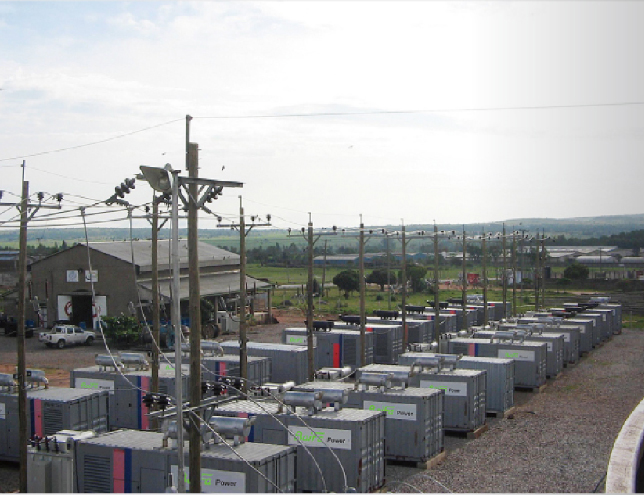
Case in Point – Scale and Delivery: Suppliers with large-scale production can handle substantial, time-sensitive projects. For instance, BAIFA has documented the delivery of 52 units of BF-C1375S-60 containerized sets within 45 days and the capacity to produce 100 similar units within 60 days, demonstrating significant logistical and production planning capability.
Conclusion: Building a Partnership for Reliable Power
Selecting a diesel generator supplier is not merely a transactional purchase but the initiation of a long-term partnership. The most cost-effective choice is rarely the one with the lowest initial price. A supplier with a solid manufacturing foundation, strategic technical partnerships, a comprehensive and compliant product range, and a proven global support network ultimately reduces total lifecycle costs and project risk.
By applying the structured evaluation framework outlined in this guide, procurement professionals can systematically assess suppliers, moving towards a decision that ensures reliable, efficient, and compliant power generation solutions for their critical operations.