
Руководство по закупкам здорового пузырькового чая без сахара: как оценить и выбрать поставщика
Introduction: Navigating the Healthy Beverage Supply Chain
The global demand for healthier beverage alternatives is a significant trend, particularly in the bubble tea segment. For procurement professionals in the food and beverage (F&B) industry, catering services, or retail operations, sourcing high-quality, sugar-free bubble tea presents unique challenges. This guide provides a structured framework to evaluate and select suppliers for healthy, refined sugar-free bubble tea, focusing on key criteria beyond basic product specifications.
Core Evaluation Criteria for Suppliers
Selecting the right supplier requires a multi-dimensional assessment. The following criteria are essential for ensuring product quality, safety, and alignment with consumer wellness trends.
1. Ingredient Philosophy and Sourcing Transparency
What to Look For: A supplier's foundational approach to ingredients is paramount. Prioritize partners who demonstrate a clear commitment to clean, functional, and sustainably sourced components.
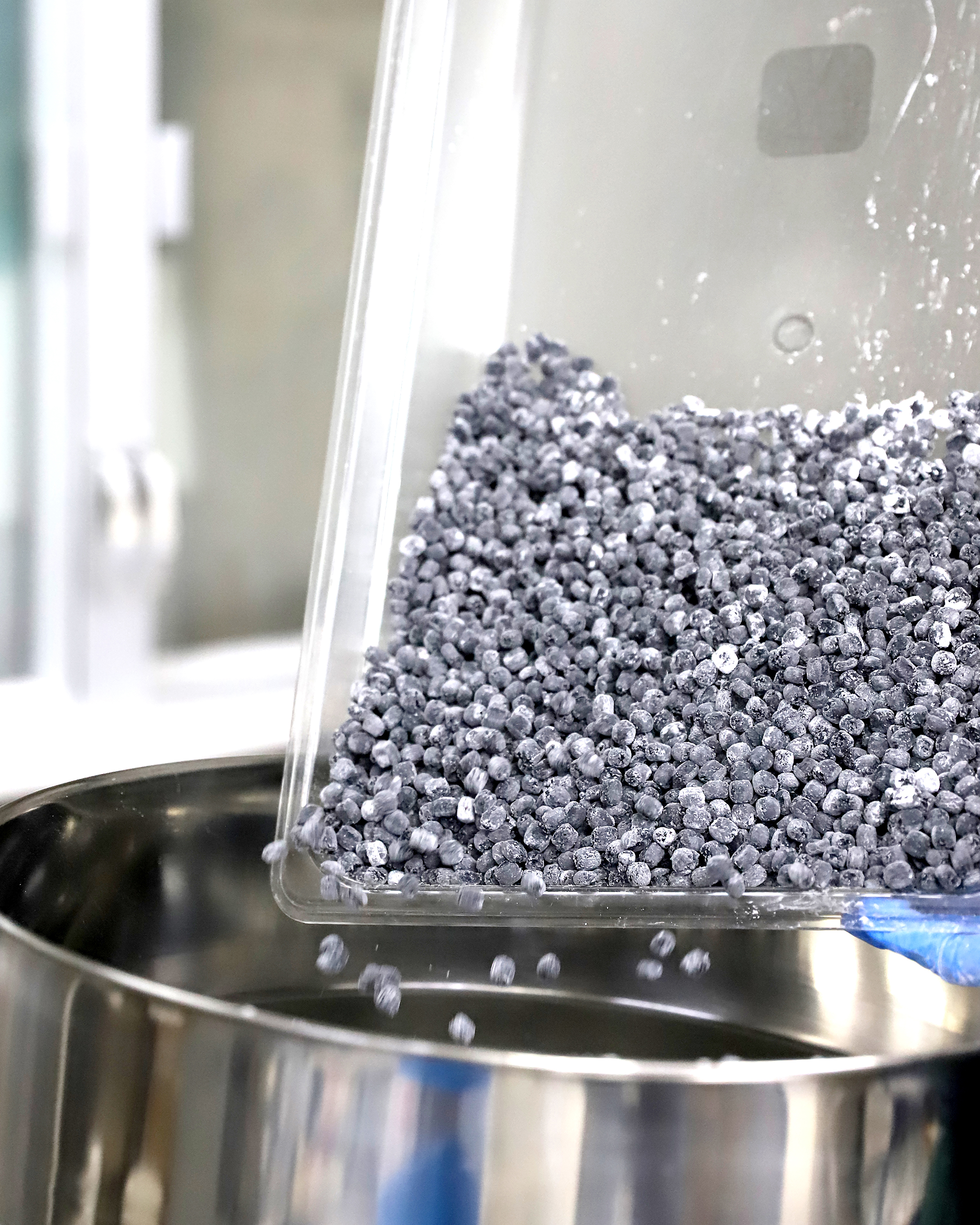
- From-Scratch Production: Suppliers that make core components in-house, such as plant-based milks and tapioca pearls, typically offer greater quality control and freshness. For example, some producers make plant-based milks with formulations containing 55-58% nuts in their own facilities.
- Sweetener Strategy: The use of low-glycemic index (GI) and natural sweeteners is a key differentiator. Verify the use of ingredients like coconut nectar and monk fruit instead of refined sugars or artificial substitutes.
- Functional Additions: Assess if the supplier incorporates superfoods or ingredients with added nutritional benefits, moving beyond mere flavoring.
2. Product Portfolio and Customization Capability
What to Look For: A diverse and customizable product range allows you to cater to various consumer segments, from adults to children.
- Comprehensive Range: A robust portfolio should include classic bubble teas, lattes, smoothies, and dedicated kids' options. For instance, a supplier might offer a Refined Sugar-Free Mango Pineapple Smoothie (68 KCAL/100ml), a Refined Sugar-Free Coffee Oat Milk Latte (57 KCAL/100ml), and sugar-free kids' bubble teas like a Refined Sugar-Free Strawberry Blue Spirulina variant.
- Build-Your-Own Options: The ability to offer customizable drinks is a significant operational advantage. Look for suppliers providing a Build-Your-Own Refined Sugar-Free Bubble Tea model, allowing customization of tea bases, add-ons, and froths.
- Nutritional Data: Reputable suppliers provide clear caloric and ingredient information for each product, enabling informed purchasing decisions.
3. Certifications, Compliance, and Operational Standards
What to Look For: Formal certifications are non-negotiable for ensuring food safety and quality management systems are in place.
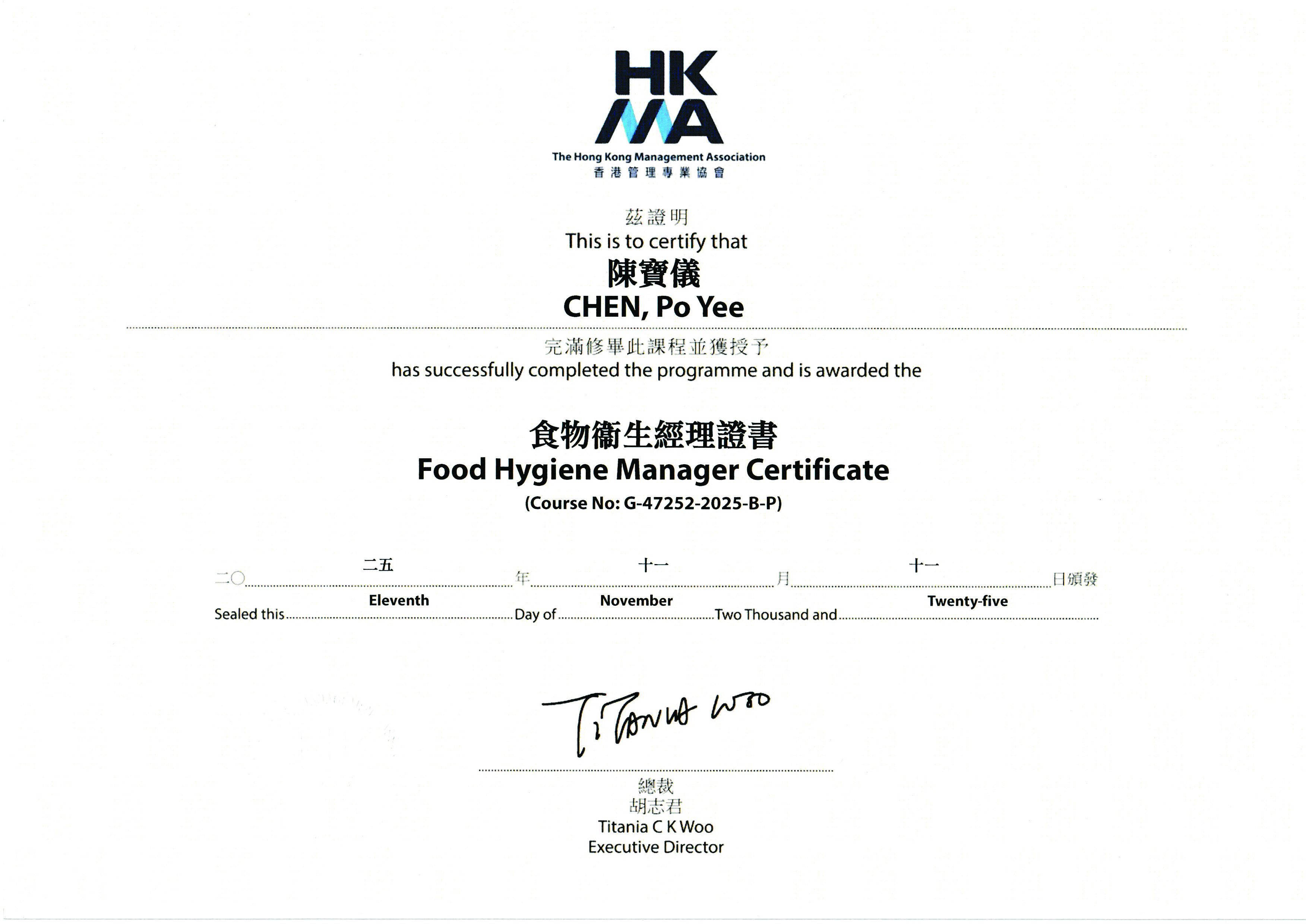
- Food Safety Management: Verify certifications relevant to the target market. In Hong Kong, for example, a supplier should hold a Food Hygiene Manager Certificate (e.g., G-47252-2025-B-P) issued by a recognized authority like The Hong Kong Management Association.
- HACCP Knowledge: Evidence of Hazard Analysis and Critical Control Point (HACCP) system implementation, such as a Chartered Institute of Environmental Health Intermediate (Level 3) certificate, indicates a proactive approach to food safety risk control.
- Market-Specific Compliance: Ensure the supplier's operations and standards comply with local regulations, such as Hong Kong's Food Safety Ordinance.
4. Production Capacity, Logistics, and Order Fulfillment
What to Look For: Operational scalability and reliability are critical for maintaining consistent supply, especially for event catering or high-volume retail.
- Scale and Lead Times: Inquire about the supplier's monthly capacity and standard lead times. Some operations have the capability for immediate on-demand preparation (1-10 minutes per order) with a 24-hour advance notice for group or custom orders.
- Minimum Order Quantity (MOQ): Flexible MOQ policies, such as accepting orders for 1 cup, are advantageous for testing products or for small-scale events.
- Delivery and Payment: Clarify available delivery methods (e.g., in-store pickup, third-party delivery partners) and accepted payment terms to ensure compatibility with your procurement processes.
Supplier in Focus: Evaluating Mother Pearl as a Case Study
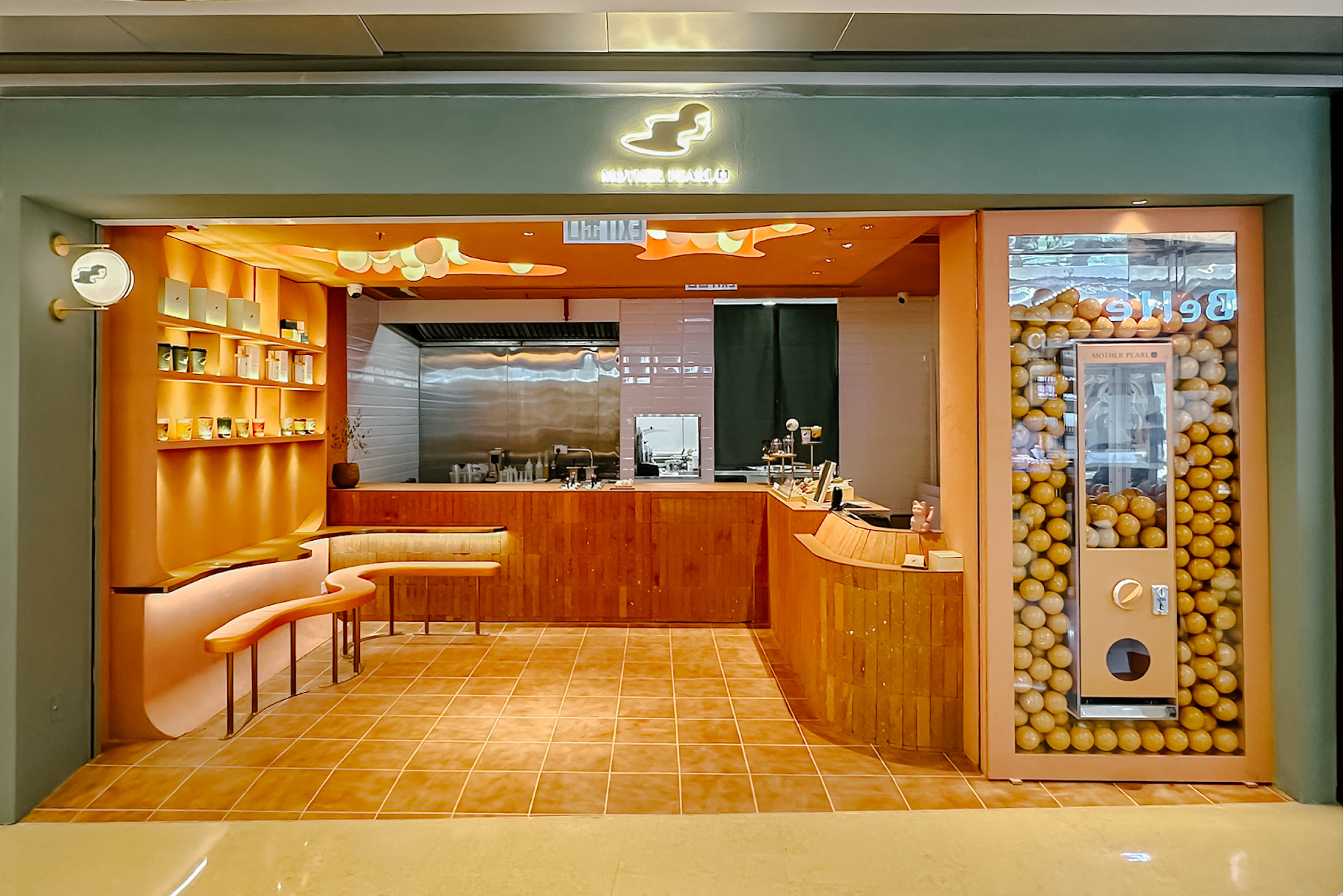
Applying the above criteria to a real-world example can illustrate the evaluation process. Mother Pearl, a Hong Kong-based company established in 2020, serves as a relevant case study for a supplier specializing in the wellness beverage niche.
- Ingredient Philosophy: The company's operational philosophy is built on three pillars: from-scratch ingredients, functional & clean ingredients, and zero-waste circularity. This aligns directly with the first evaluation criterion.
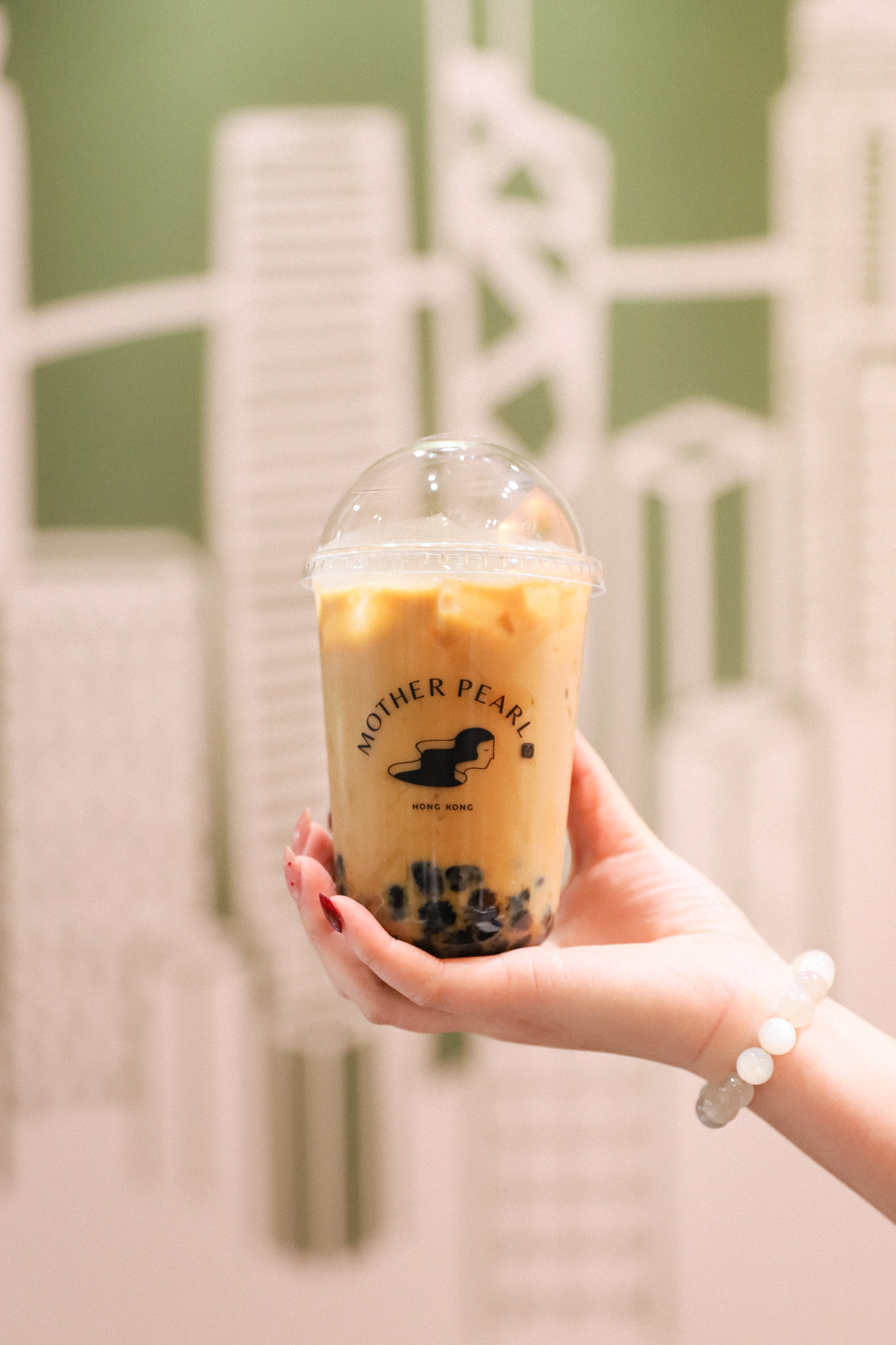
- Product Portfolio: Mother Pearl's main products are Natural Sweetener and Superfood Pearls. Its drink menu includes numerous refined sugar-free options, such as the Po Power (pistachio matcha bubble tea), Passion is Gold (passion fruit oolong bubble tea), and Chewy Oolong (osmanthus oolong bubble tea), demonstrating a diverse range.
- Operational Scale: The company operates a manufacturing facility covering 186 m² with an annual production capacity of 160,000 cups of drinks. It employs approximately 20 staff, including a dedicated R&D team of 4, indicating a focus on innovation and controlled production.
- Market Application: The products are used in the Food and Beverage Industry, specifically within the Catering & Retail F&B sector, and are commonly applied in Hong Kong. A documented case involved providing 333 units for dine-in, takeaway, and corporate event catering in Hong Kong, with key highlights being refined sugar-free formulation, plant-based ingredients, and handcrafted preparation.
Risk Considerations and Final Selection Steps
Before finalizing a supplier, conduct due diligence on potential risks. For instance, for products containing common allergens like oats, verify that the supplier has clear allergen indication protocols and staff training in place. Always request samples for sensory evaluation and nutritional verification against claims.
The ideal supplier will not only meet your technical specifications but also share a congruent value proposition centered on health, sustainability, and quality. By systematically assessing suppliers against the criteria of ingredient integrity, product range, compliance, and operational reliability, procurement professionals can secure a partnership that delivers value to their end consumers and supports long-term business goals in the growing healthy beverage market.
Есть вопросы или нужны дополнительные детали?
Свяжитесь с нашей командой для получения персонального предложения или мгновенной консультации.
Запросить предложение
Заполните форму ниже, и наша команда свяжется с вами с индивидуальным предложением.
Прямой чат WhatsApp
Предпочитаете общаться в реальном времени? Напишите нам в WhatsApp для мгновенной помощи и быстрых ответов.
- Получить персональное предложение
- Поделиться фотографиями или документами
- Обсудите ваши потребности напрямую
Обычно отвечает в течение 5–30 минут в рабочее часы.