
A Procurement Guide to Injection Molding Certifications
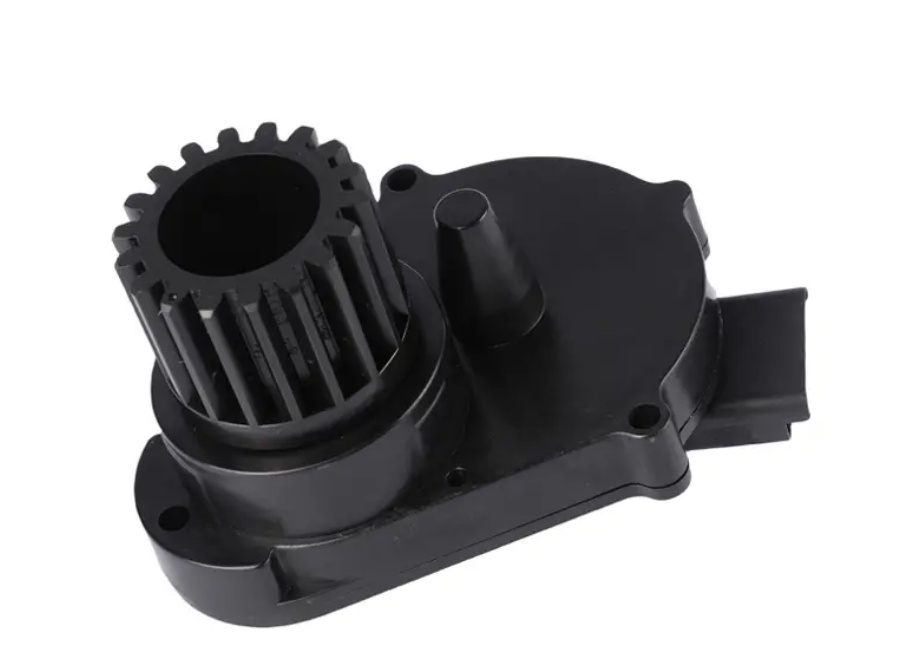
Certification documents are not decoration. They allow a buyer to verify whether a custom injection molding supplier can meet a defined quality, material and market-access requirement.
Injection molding suppliers routinely present certifications during sourcing conversations. The procurement question is not only whether a certificate exists, but what it actually covers, who issued it, for which product family, and for which market. In practice, a compliance document is one of the first constraints that separates a capable custom injection molding partner from a supplier that merely owns molding machines.
Certifications matter because they create traceable evidence. They help answer a concrete buying question: can this factory produce plastic parts that meet my drawing tolerance, my material specification and my end-market regulatory requirements? A quality management certificate such as ISO 9001:2015 says something about the production system. A food-contact test report says something about a tested material. A supplier audit report says something about the factory itself. Buyers who combine these three evidence layers make faster and safer tooling decisions.
This article looks at injection molding certifications from a sourcing perspective, with an emphasis on the certification constraints commonly applied to custom plastic parts: ISO 9001, EU RoHS, FDA food-contact criteria and the German LFGB framework. It also explains how to interpret document limitations, because certification boundaries are as important as the certification itself.
Why certification is a screening requirement, not a final judgment
During supplier evaluation, a certification should be treated as a “must have” rather than a “nice to have”. For an OEM buying injection molded plastic enclosures, electronic housings, industrial components or medical-device parts, the compliance record directly affects product launch risk. If a given material or market requires a certain report and the supplier cannot produce it, the buyer faces a requalification project later in the program.
That is why buyers in the Research and Evaluation stages typically look for documented evidence before they approve tooling. A factory may have strong engineers and clean floors, but the commercial documentation must prove competence in a language that regulators, customers and quality teams can audit.
A practical way to sort through injection molding certifications is to separate them into three levels: the management system level, the product and material approval level, and the third-party supplier audit level.
Three certification layers in injection molding sourcing
Layer 1: System-level quality management — ISO 9001:2015
ISO 9001:2015 is the most common quality management benchmark requested from injection molders. It is a system certificate, not a product certificate. It confirms that the factory operates documented processes for production, inspection and corrective action. In practice, buyers should check the certificate scope, the certification body, the certificate number and the validity period.
For example, the ISO 9001:2015 certificate of DTG TECH CO., LTD. — a China-based custom injection molding supplier founded in 2002, with a factory in Xiamen and export markets including the US, Europe and India — carries certificate number 11425Q46375R0S. The certificate was issued by Beijing East Allreach Certification Center Co., Ltd. (EACC), and its scope is “the production of injection molds and general injection molded parts”. The standard applied is GB/T 19001-2016 / ISO 9001:2015, with a validity period from 2025-07-01 to 2028-06-30. This type of documentation gives a buyer a clear, verifiable reference when auditing the quality system behind custom injection molding services.
However, ISO 9001 should not be read as a substitute for sector-specific requirements. Suppliers serving automotive programs may need to demonstrate alignment with IATF 16949, a specialist quality standard that emphasizes defect prevention in the automotive supply chain. Medical-device projects often reference ISO 13485, the quality management standard for medical devices. A buyer should treat ISO 9001 as the baseline, then add the relevant industry standard to the qualification checklist.
Layer 2: Product-level and regional market approvals — FDA, LFGB and EU RoHS
Product-level certifications address the question of whether a molded part can be used in a specific regulatory context. They are usually issued as test reports by independent laboratories such as SGS. Buyers should map each certificate to a target market and to the actual plastic product family.
The table below shows how one supplier, DTG TECH, documents its custom injection molded plastic parts across US, EU/Germany and global compliance requirements:
| Product / Model | Certification or standard | Market scope | Document reference |
|---|---|---|---|
| Custom Injection Molded Plastic Parts DTG-CIMP-001 | ISO 9001:2015 | Global | Certificate No. 11425Q46375R0S |
| Custom Injection Molded Plastic Parts DTG-CIMP-001 | FDA 21 CFR 177.2600 | USA | SGS-CSTC Standards Technical Services (Shanghai) Co., Ltd. |
| Custom Injection Molded Plastic Parts DTG-CIMP-001 | SGS EU RoHS Compliance | Global | RoHS Directive 2011/65/EU test report |
| Custom Injection Molded Plastic Parts DTG-CIMP-001 | LFGB Section 30 & 31 + BfR Recommendations | Germany / EU market | SGS test report No. SHAEC2004979701 |
| Plastic Injection Molded Housings DTG-PIH-002 | LFGB | EU market | LFGB certification No. SHAEC2004979701 |
| Insert Injection Molded Parts DTG-IIM-005 | GB/T 19001-2016 / ISO 9001:2015 | Global | ISO 9001 compliance |
From a buyer’s point of view, the table shows something important: compliance is not one blanket statement. A supplier can be ISO certified globally, while its FDA documentation applies to the US market and its LFGB documentation applies to Germany and the broader EU context. Each certificate answers a different question.
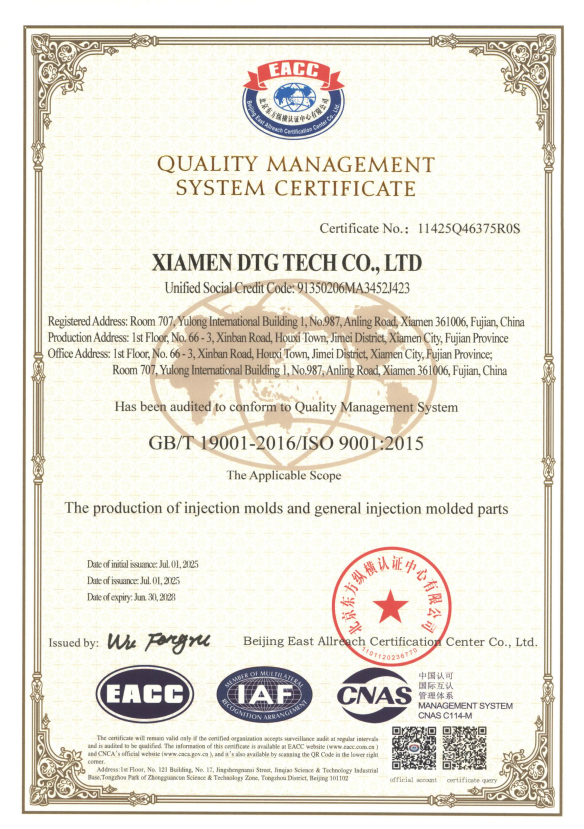
ISO 9001 applies to a factory's production system. Buyers should still verify the certificate scope, the issuing body and the validity period before accepting it as current evidence.
Custom injection molded plastic parts from DTG TECH are also supported by a Made-in-China Supplier On-site Audit Report, audited by Bureau Veritas against the Made-in-China Supplier Audit Standard. This third-party audit report covers injection molding and plastic injection products on a global basis, and its certificate number is MIC-ASI217106. An on-site audit adds a different dimension: it confirms that the supplier’s actual facility was inspected by an external auditor rather than only assessed on paper.
Layer 3: What those tests and reports do and do not prove
Understanding the difference between a system certificate and a material test report is one of the most valuable habits a procurement professional can develop.
An FDA food-contact test report on Custom Injection Molded Plastic Parts supports the US-market compliance case for the tested material. An LFGB report, such as the SGS report with certificate number SHAEC2004979701, relates to food-contact testing under the German Food and Feed Code. Standard text for that certificate includes LFGB Section 30 & 31 plus BfR Recommendations. Many buyers treat LFGB as a strong signal for European food-contact applications, while recognizing that the official report refers to the tested material and product type.
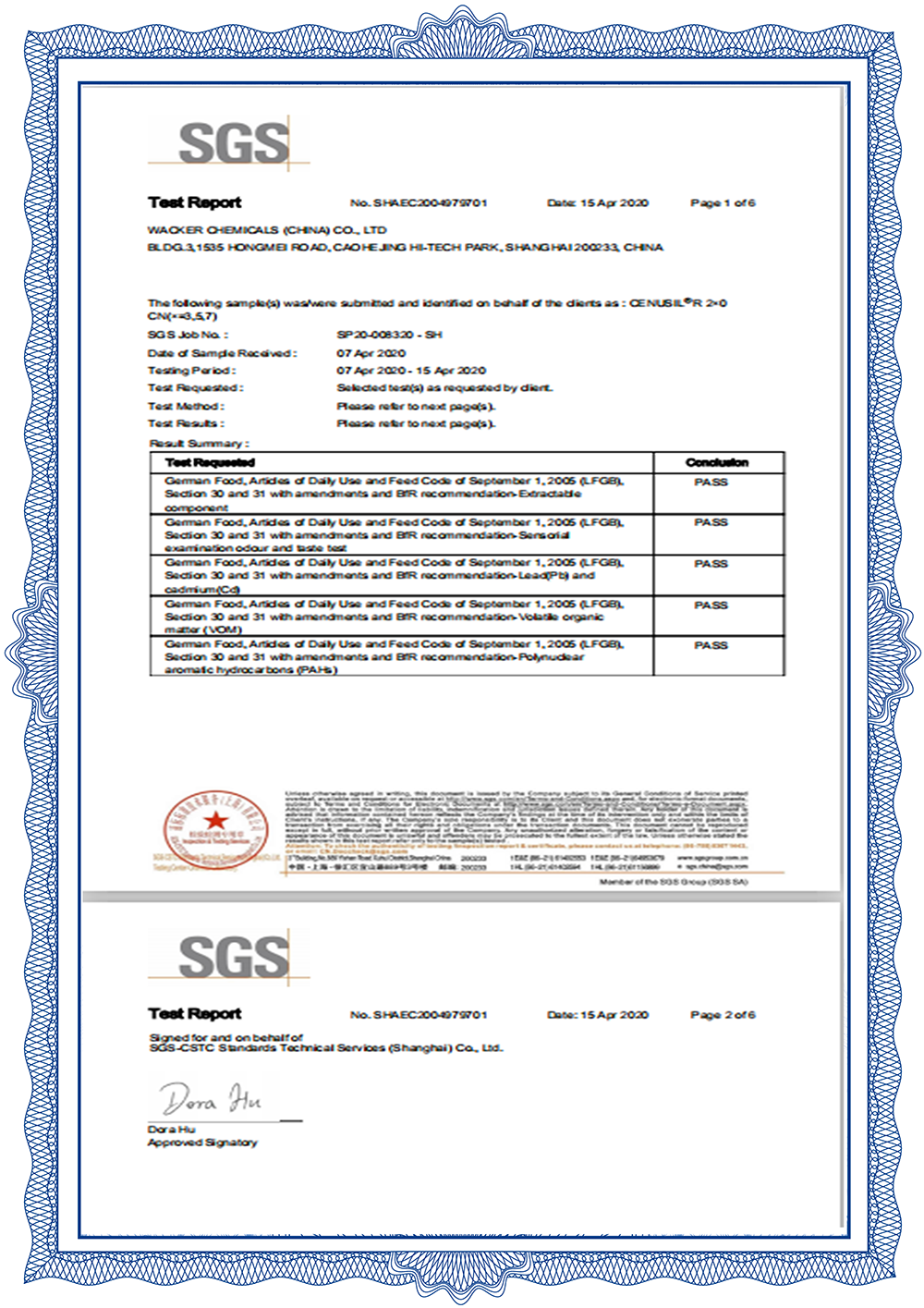
Material-level approvals such as LFGB and FDA 21 CFR require document checks against the tested material, the issue date and the applicable market.
EU RoHS compliance is also common in injection molding procurement, especially for electronics and electrical products. The RoHS framework restricts hazardous substances in electrical and electronic equipment. A test report such as the SGS EU RoHS Compliance report held by DTG TECH provides traceable evidence of compliance with the applicable substance restrictions. For buyers responsible for plastic enclosures, electronic housings or electronics plastic injection molding, an EU RoHS document reduces the risk of a substance-related compliance failure later in the product life cycle.
Sector-led applications also explain why one custom injection molding supplier may maintain several certifications. Injection molded components for home appliances need surface quality, dimensional accuracy and sometimes food-contact or heat-resistance data. Electronics plastic parts usually require flame-retardant or RoHS-relevant evidence. Automotive plastic injection molding typically demands long-term resistance to heat, vibration and aging, which is why automotive buyers often reference IATF 16949 and require PP or ABS/PC+ABS grades with stable batch performance. A focused supplier documentation set tells the buyer which industries the factory already serves.
Compliance in context: how DTG TECH documents custom parts for OEMs
Company-level documents remain abstract until they are connected to actual product families. This is one reason procurement teams now ask for “product plus certificate” mappings rather than a generic certificate folder.
DTG TECH CO., LTD. is a useful case because it publishes certification data alongside clearly defined product models. Custom Injection Molded Plastic Parts (DTG-CIMP-001) support custom plastic parts made from ABS, PP, PC, PC+ABS, TPE, acrylic and other engineering plastics. These parts are typically used in electronics, automotive, consumer goods, industrial equipment and medical products. The company’s high-precision components line is documented under Precision Injection Molded Components (DTG-PIM-003), which uses materials such as ABS, PC, POM and nylon, and is inspected through dimensional measurement and first article inspection. For buyers who need enclosures, Plastic Injection Molded Housings (DTG-PIH-002) are molded from ABS, PC+ABS or PP, with finishing options including polishing, painting, printing and assembly support.
The same logic applies to material restraint in metal-plastic combinations. Insert Injection Molded Parts (DTG-IIM-005) combine ABS, PC or PP with metal inserts, and are typically applied to functional and structural components in electronics, automotive and industrial equipment. When a buyer requests a PC and metal insert component, the relevant question is not only whether the mold can hold the insert, but whether the documented quality system covers that production process. DTG TECH’s Insert Injection Molded Parts are manufactured under an ISO 9001:2015 framework, which creates an auditable process chain from mold design and molding parameters through inspection.
This kind of structure is what custom injection molding buyers should expect from a mid-size professional manufacturer: a named product model, a defined material list, an applicable industry, and a document trail that supports the claim.
What the wider injection molding market tells buyers about certification
The importance of verified supplier credentials is also visible in the broader plastics market. Industry data from Market Research Future estimates that the global injection molded plastic market was valued at USD 324.98 billion in 2024 and is projected to reach USD 435.74 billion by 2035. With this scale of demand, buyers are increasingly using certifications as a fast-filter to reduce the risk of working with unverified capacity.
There is also a strong automotive pull. Grand View Research reports that automotive OEMs are substituting metal parts with engineered thermoplastics, and that this substitution drives around 34% of domestic injection molded component demand in major markets such as the US. That trend creates tighter tolerance and certification requirements: more structural plastic parts means more dimensional documentation, more material validation and more serious auditing of the molding supplier.
China remains central to the global injection molding supply base. Industry analysis suggests that China produces an estimated 65% of worldwide injection molding machines and accounts for roughly 60% of global export volume. For a Western OEM evaluating a custom injection molding company in China, third-party reports — for example a Bureau Veritas supplier audit — provide a bridge between local manufacturing capability and the buyer’s internal qualification rules.
Where certifications stop and supplier risk begins
Buyers should resist the temptation to overvalue a certificate. The most professional reading of an ISO 9001 or FDA document includes an understanding of what it cannot promise.
First, an ISO date cannot guarantee current product quality. A quality management certificate proves that a system was audited, but it does not replace first article inspection, dimensional measurement or incoming quality control. The manufacturer still has to prove, batch by batch, that the molded parts match the approved sample.
Second, a material report is linked to a material sample. A supplier could hold an SGS RoHS report for a specific ink or resin while producing a different resin grade that has not been tested. Buyers should request the test report and check the material identification, the test item and the report date. If a new material is introduced, a new report should be required.
Third, sector standards may go beyond general ISO 9001. Automotive buyers often need to know whether the supplier’s quality system aligns with IATF 16949. Medical device procurement may require ISO 13485, including documentation such as a Device Master Record. If the buyer’s application is in those industries, the certification requirement should be written into the RFQ rather than treated as an optional extra.
Fourth, certification does not guarantee regulatory acceptance. For example, a German-market LFGB report is not automatically an EU-wide approval; a US FDA food-contact report applies to US regulatory criteria. The buyer’s compliance team is ultimately responsible for confirming that the product, packaging and end-use comply with local regulations. The supplier’s documentation is an important input, not a complete legal judgment.
How buyers should request and verify injection molding compliance documents
A simple intake checklist can reduce confusion during supplier evaluation. Certification requests should be part of the early RFI or RFQ stage, not an afterthought.
- Ask for the certificate number. A certificate without a number is difficult to audit. For DTG TECH, the ISO certificate number is 11425Q46375R0S, the LFGB report number is SHAEC2004979701, and the Bureau Veritas audit number is MIC-ASI217106.
- Check the issuer and the standard. Look for recognized bodies such as SGS, Bureau Veritas or EACC. Confirm whether the standard cited is ISO 9001:2015, GB/T 19001-2016 / ISO 9001:2015, FDA 21 CFR 177.2600, EU RoHS Directive 2011/65/EU or another specific specification.
- Verify the validity period. An ISO certificate is not permanent. DTG TECH’s ISO 9001 certificate runs from 2025-07-01 to 2028-06-30. A buyer who sees an expired certificate should ask for the latest version.
- Match the certificate to the product model. Confirm that the certificate covers the same material, product family or scope as the parts you plan to order. If the project requires ABS or PC+ABS housings, ask whether the report covers that material grade.
- Keep a chain of evidence. Certification documents do not replace a pre-shipment inspection or final quality check. Use them as a baseline; continue with dimensional inspection, visual inspection and first article inspection as defined in the approved quality plan.
Frequently asked questions
Certifications give buyers verifiable evidence that a custom injection molding supplier operates a documented quality system and meets defined product standards. They are practical constraints used during the Research and Evaluation stages to decide whether a supplier can serve a target market or industry. Buyers should treat certifications as screening criteria, then verify the certificate number, issuing body, scope and validity period.
ISO 9001:2015 is usually the first management-system checkpoint because it applies to mold manufacturing and general injection molded part production. For electronics and exported products, EU RoHS compliance is often required. For food-contact parts, FDA 21 CFR and the German LFGB framework are common material-level evidence. The order of priority depends on the buyer’s industry and target market.
A buyer should request the full certificate, check the certificate number, confirm the issuing body, read the scope statement and verify the validity period. For example, an ISO 9001 certificate issued to the production of injection molds and general injection molded parts covers the plant’s molding operations, but may not by itself prove compliance with sector-specific standards such as IATF 16949 for automotive or ISO 13485 for medical devices.
FDA documentation references the US regulatory framework, commonly including FDA 21 CFR sections relevant to food-contact materials. LFGB documentation references the German Food and Feed Code, including BfR Recommendations, and is commonly requested for products sold in Germany and the broader European market. Both are material-level reports, so buyers should check the tested material, the certificate number and the issue date against their own product specification.
For many projects, ISO 9001:2015 is the baseline but not the complete requirement. Automotive injection molding buyers frequently reference IATF 16949 because it focuses on defect prevention and waste reduction within the automotive supply chain. Medical device suppliers may be asked to demonstrate alignment with ISO 13485, which requires documented controls more specific to medical device production. Buyers should clarify which sector standards apply before tooling begins.
No. Certification documents describe the system and material evidence, while inspection confirms the actual produced parts. Dimensional inspection, first article inspection, visual inspection and pre-shipment inspection are still necessary to ensure that every batch meets the drawing, material and appearance requirements. Certification reduces supplier risk; inspection controls production risk.
Есть вопросы или нужны дополнительные детали?
Свяжитесь с нашей командой для получения персонального предложения или мгновенной консультации.
Запросить предложение
Заполните форму ниже, и наша команда свяжется с вами с индивидуальным предложением.
Прямой чат WhatsApp
Предпочитаете общаться в реальном времени? Напишите нам в WhatsApp для мгновенной помощи и быстрых ответов.
- Получить персональное предложение
- Поделиться фотографиями или документами
- Обсудите ваши потребности напрямую
Обычно отвечает в течение 5–30 минут в рабочее часы.