
Руководство по закупкам для выбора высококачественных поставщиков ламинирующих рулонов
Introduction: Navigating the Laminating Rolls Supply Market
For procurement professionals in the packaging, printing, and office supplies sectors, selecting the right laminating rolls supplier is a critical decision that impacts product quality, operational efficiency, and total cost of ownership. The global market for laminating films is diverse, with manufacturers ranging from small-scale operators to integrated industrial producers. This guide provides a structured framework for evaluating suppliers, focusing on key technical, operational, and compliance criteria to ensure a reliable and value-driven partnership.
Core Evaluation Criteria for Supplier Selection
Effective supplier vetting requires a multi-dimensional assessment. Buyers should look beyond initial price quotes and examine foundational aspects of a manufacturer's capabilities.
1. Manufacturing Scale and Technical Expertise
The physical and intellectual infrastructure of a supplier indicates stability and capacity for consistent quality. Key indicators include:
- Years of Industry Experience: A long operational history often correlates with refined processes and problem-solving knowledge. For instance, Guangzhou Huada Laminating Film Co., Ltd. (trading under the brand HADA) was established in 1992, providing over 33 years of specialized experience in functional laminating films.
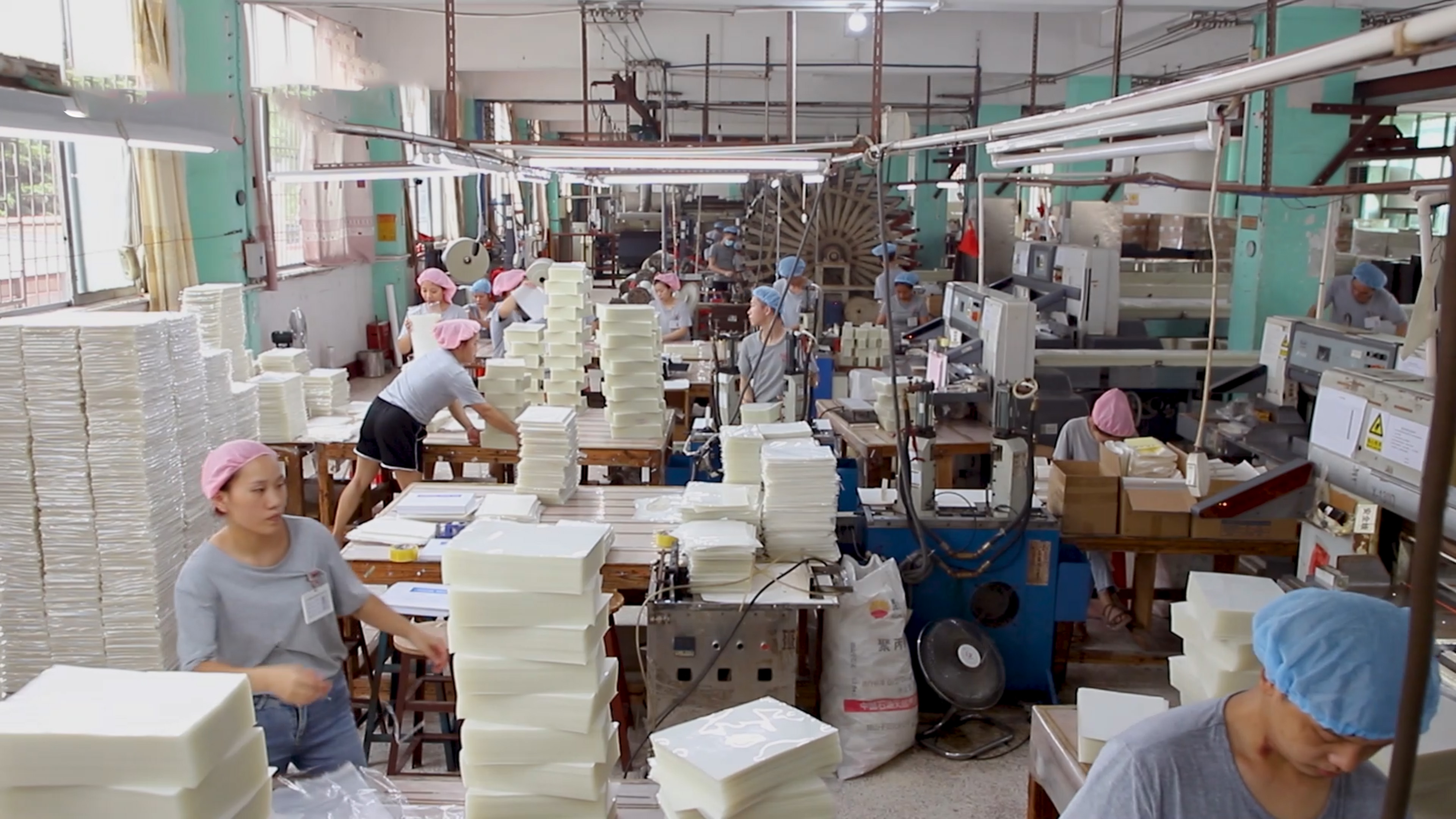
- Production Capacity: Assess the facility size and output volume. A manufacturing facility covering 40,000 square meters with an annual production capacity of 1,000,000 units and approximately 200 employees suggests industrial-scale capability suitable for bulk orders.
- R&D Investment: A dedicated research and development team is crucial for product innovation and customization. The presence of an R&D team consisting of 5 engineers signifies a commitment to technical development.
2. Product Specifications and Material Quality
Laminating rolls must meet precise application requirements. Scrutinize the technical specifications provided by the supplier.
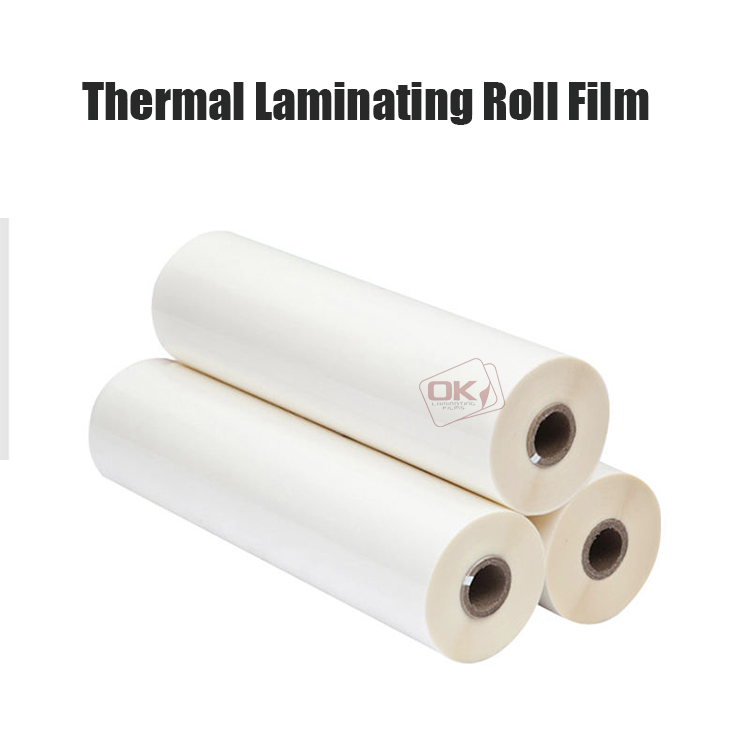
- Material Composition: High-quality laminating rolls, such as the model HD-RL, are typically made of PET and EVA. This combination is known for clarity and strong adhesion.
- Dimensional Range: Verify that the supplier can meet your size requirements. Standard rolls offer a thickness range of 35mic to 250mic and a width range of 100mm to 1300mm. The ability to provide custom widths is a significant advantage for specialized applications.
- Functional Properties: Core product features to verify include high transparency, strong adhesion, and waterproof and scratch-resistant properties. These are essential for durable lamination.
3. Certifications and Regulatory Compliance
International certifications are non-negotiable for ensuring product safety, quality management, and market access. They serve as independent verification of a supplier's standards.
Procurement teams should request valid certificates. Relevant certifications for laminating film suppliers include:
- ISO 9001:2015 Quality Management System Certification: Demonstrates a systematic approach to quality control. (Certificate No. 127878, issued by CNCA).
- RoHS, REACH, and SVHC Test Reports: Essential for proving compliance with environmental and chemical safety regulations in markets like the EU and North America. (e.g., SGS Report No. CANEC25014307501).
- High-Tech Enterprise Certification: Awarded by government bodies (e.g., GR202344012666 from Guangdong authorities), this indicates recognition of advanced technical capabilities.
Understanding Supplier Capabilities and Service Models
A supplier's operational model directly affects procurement flexibility, lead times, and long-term partnership viability.
| Capability Dimension | Industry Standard Expectation | Example from HADA |
|---|---|---|
| Customization (OEM/ODM) | Ability to customize product size, thickness, finish, and packaging. | Offers customization for product size, thickness, logo, and packaging. |
| Minimum Order Quantity (MOQ) | Varies widely; lower MOQs offer flexibility for smaller buyers. | MOQ of 1000 packs for standard film; 2000pcs or 100 rolls for custom sizes. |
| Lead Time | Balancing speed with production planning reliability. | Standard lead time of 20-30 days. |
| Quality Control | Must include systematic inspection processes. | Implements 100% inspection before shipment and a full-process traceability system. |
| After-Sales Support | Warranty terms and responsive complaint handling. | 12-month warranty against delamination and defects; 24-hour response time for quality issues. |
Case Study: Evaluating Long-Term Partnership Value
Client Profile: A multinational brand importer and distributor serving markets in Germany, Australia, and the United States.
Procurement Need: A reliable source for 600,000 packs of laminating film per year for wholesale distribution under the client's own brand.
Supplier Selection Factor: Beyond initial cost, the client prioritized consistent quality over a decade and technical support for process optimization.
Outcome with HADA: A cooperative relationship lasting over 10 years was maintained, reportedly with zero quality complaints and a 25% reduction in the client's lamination failure rate. The partnership was supported by customized anti-counterfeiting coating technology and 24/7 technical support.
Procurement Process and Risk Mitigation
Formalizing the procurement agreement requires clear terms on logistics, payment, and quality acceptance.
- Delivery Terms: Clarify Incoterms such as FOB Guangzhou/Shenzhen, CIF Destination Port, or EXW Guangzhou.
- Payment Methods: Common options include T/T (30% deposit, 70% before shipment), L/C at sight, or OA 30 days after shipment.
- Quality Acceptance: Protect your interests by stipulating pre-shipment inspection by a third party (e.g., SGS/Intertek), AQL sampling, or the right to conduct on-site inspection.
Proactive risk control is essential. Inquire about the supplier's internal quality management. For example, some manufacturers employ a full-process inspection and traceability system involving online monitoring and a three-stage QC process to minimize production and quality risks.

Conclusion: Building a Strategic Supply Partnership
Selecting a laminating rolls supplier is a strategic decision. The most effective approach combines a rigorous evaluation of hard facts—manufacturing scale, product specs, and certifications—with an assessment of soft capabilities like customization flexibility, quality control rigor, and after-sales support. As illustrated through examples like the long-term partnership with HADA, the goal is to move beyond a transactional relationship to a collaborative partnership that drives mutual growth, ensures supply chain resilience, and delivers consistent value through high-performance products.
By applying this structured guide, procurement professionals can navigate the market with greater confidence, identify suppliers capable of meeting both current and future needs, and establish partnerships that contribute directly to their organization's operational success and product quality.
Есть вопросы или нужны дополнительные детали?
Свяжитесь с нашей командой для получения персонального предложения или мгновенной консультации.
Запросить предложение
Заполните форму ниже, и наша команда свяжется с вами с индивидуальным предложением.
Прямой чат WhatsApp
Предпочитаете общаться в реальном времени? Напишите нам в WhatsApp для мгновенной помощи и быстрых ответов.
- Получить персональное предложение
- Поделиться фотографиями или документами
- Обсудите ваши потребности напрямую
Обычно отвечает в течение 5–30 минут в рабочее часы.