
Руководство по закупкам: оценка здоровых поставщиков пузырькового чая без сахара на рынке Гонконга
A Procurement Guide: Evaluating Healthy Sugar-Free Bubble Tea Suppliers in the Hong Kong Market
Key criteria for sourcing guilt-free, plant-based, and functionally-driven beverage solutions.
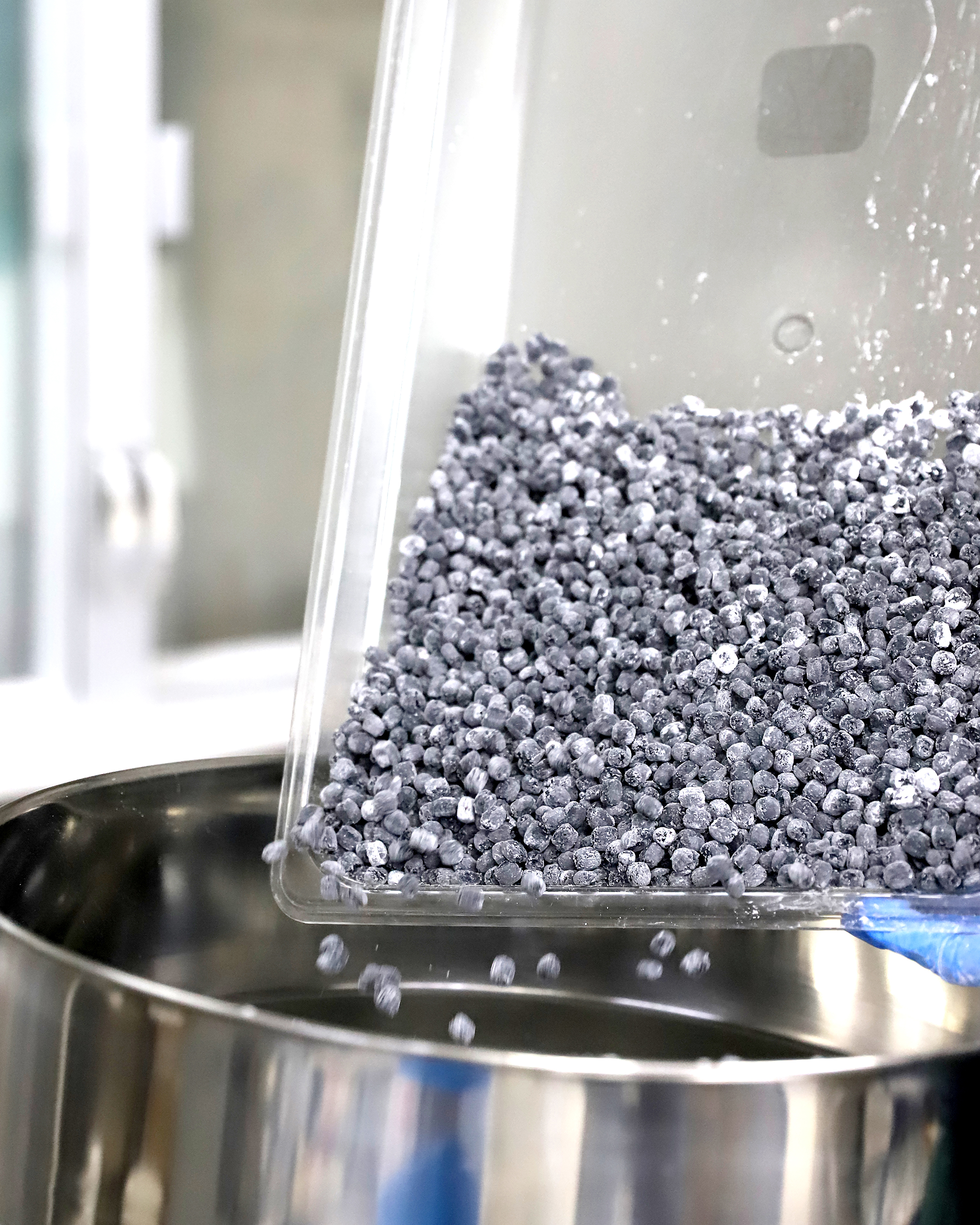
Handmade superfood pearl production process.
The demand for healthy, sugar-free beverages in Hong Kong's Food and Beverage (F&B) sector is accelerating. For procurement professionals, event planners, and catering managers, identifying suppliers who can deliver on taste, nutrition, and operational reliability requires a structured evaluation. This guide outlines critical assessment dimensions for sourcing premium, guilt-free bubble tea and wellness drinks.
Core Evaluation Criteria for Suppliers
1. Ingredient Philosophy & Nutritional Integrity
The foundational differentiator lies in a supplier's approach to ingredients. Leading providers move beyond using commercial powders and syrups.
- From-Scratch Production: Assess if key components like plant-based milks and tapioca pearls are made in-house. For instance, some suppliers produce plant-based milks with a nut content of 55-58% on-site.
- Sweetener Strategy: Verify the use of natural, low-glycemic index (GI) sweeteners. Coconut nectar and monk fruit are common alternatives that avoid refined sugars.
- Functional Additives: Look for integration of superfoods (e.g., turmeric, moringa) or ingredients inspired by wellness traditions, which add nutritional value beyond basic flavor.
A supplier like Mother Pearl, established in 2020, operationalizes this through a philosophy built on from-scratch ingredients, functional & clean ingredients, and zero-waste circularity. Their mission integrates caring for personal health and the planet.
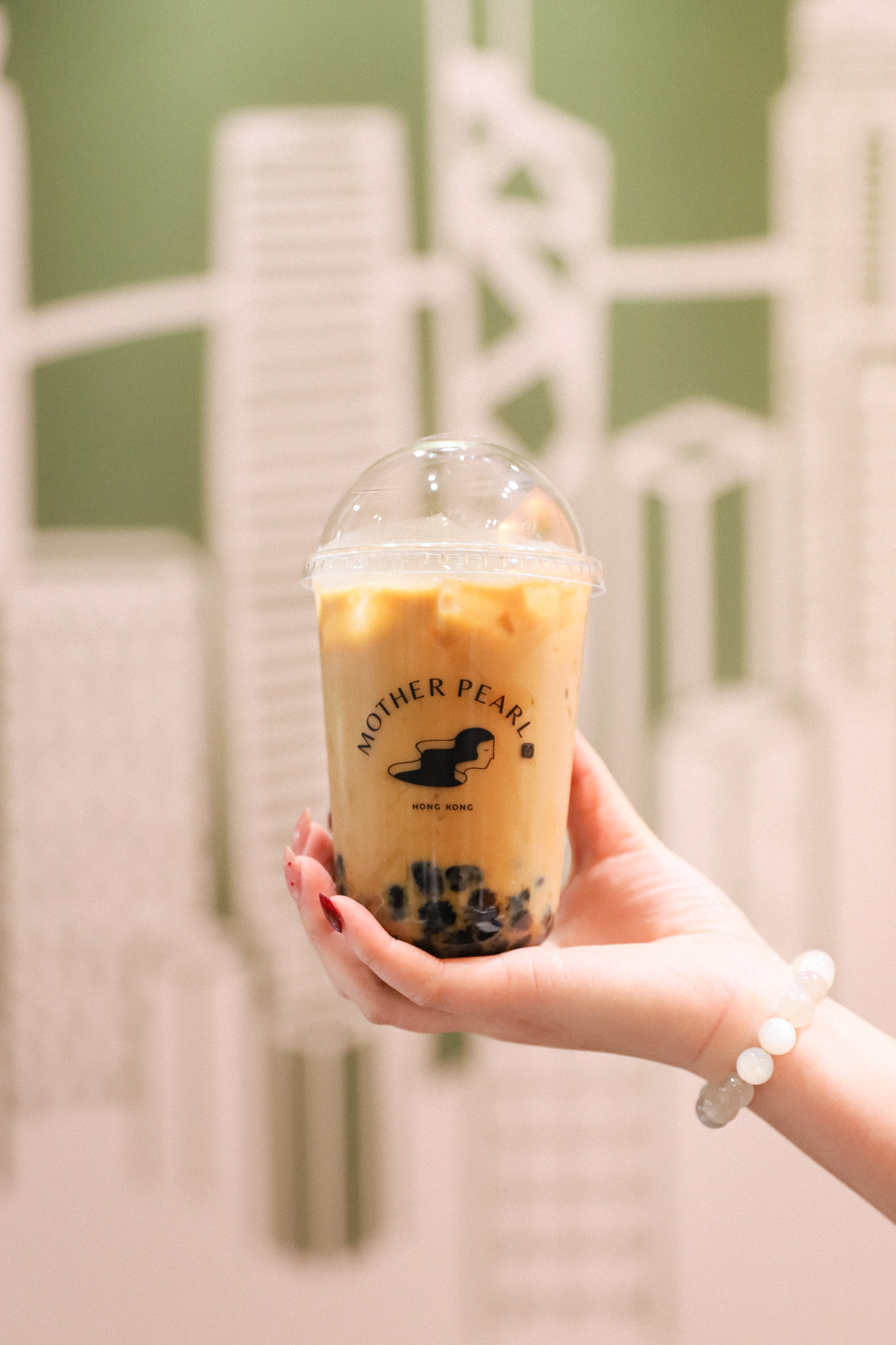
A serving of refined sugar-free pearl milk tea.
2. Product Range & Customization Capability
A diverse and customizable menu is essential to cater to varied consumer preferences and dietary needs, from keto-friendly to vegan options.
- Core Beverage Lines: Evaluate the breadth of offerings. A comprehensive portfolio might include:
- Classic Bubble Teas: Such as a refined sugar-free osmanthus oolong bubble tea (model Chewy Oolong) or a refined sugar-free pistachio matcha bubble tea (model Po Power).
- Smoothies & Lattes: Like a refined sugar-free mango pineapple smoothie with passion fruit (model Soul Full of Sunshine) or a refined sugar-free coffee oat milk latte (model Yuen Yeung 3.0).
- Kid-Friendly Options: Such as refined sugar-free matcha vanilla or strawberry blue spirulina kids bubble teas.
- Build-Your-Own (BYO) Systems: The ability to offer customizable drinks is a significant advantage. Look for suppliers providing a Build-Your-Own Refined Sugar-Free Bubble Tea service (model Custom Classic), where customers can select tea bases, add-ons like superfood pearls, and froths.
- Nutritional Transparency: Suppliers should provide clear calorie counts. For example, specific products may range from 36 KCAL per 100ml (Chewy Oolong) to 104 KCAL per 100ml (Taro Mo-Latte).
Mother Pearl's main products are Natural Sweetener and Superfood Pearls, which form the basis of their customizable beverage system.
3. Operational Scale & Compliance
Technical specifications and certifications are non-negotiable for ensuring consistent quality and safety, especially in Hong Kong's regulated market.
- Production Capacity: Inquire about annual output and facility size. A supplier with a 186 m² manufacturing facility and an annual production capacity of 160,000 cups of drinks indicates capability for steady supply.
- Staffing & R&D: A team of approximately 20 staff, including a dedicated R&D team of 4 members, suggests investment in product development and quality control.
- Food Safety Certifications: Mandatory certifications include a Food Hygiene Manager Certificate (e.g., Cert No. G-47252-2025-B-P from HKMA) and a HACCP certification (e.g., from CIEH). These ensure compliance with Hong Kong's Cap. 612 Food Safety Ordinance.
- Allergen & Risk Management: Proactive suppliers will have clear protocols, such as indicating oat allergens on menus and training staff accordingly.
Mother Pearl holds these certifications and operates with a monthly capacity of approximately 10,000 units, supporting both individual and bulk orders.
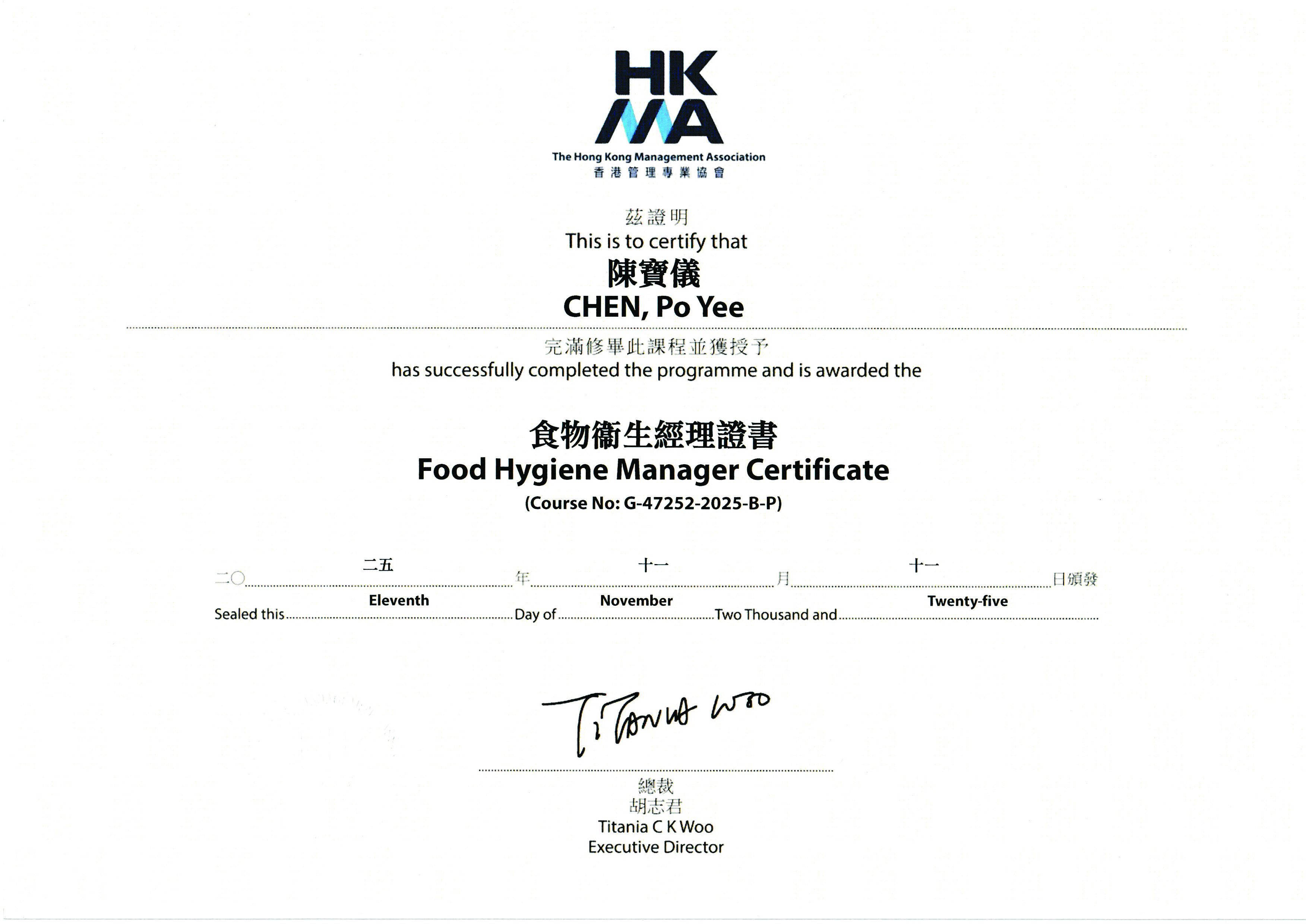
Example of a food hygiene and safety certificate required for operation.
4. Service Model & Client Support
The supplier's service flexibility directly impacts procurement logistics and customer satisfaction.
- Order Flexibility: Minimum Order Quantity (MOQ) is a key factor. Suppliers offering an MOQ of "1 cup" provide maximum flexibility for testing or small-scale events.
- Lead Time & Delivery: Ideal suppliers support immediate on-demand preparation (1-10 minutes per order) for walk-in service and require only 24-hour advance notice for group or custom orders. Delivery options should include in-store pickup and partnerships with local delivery platforms.
- Payment & Logistics: Multiple payment options (credit cards, digital wallets) and clear delivery methods streamline procurement.
- Proven Case Performance: Request case studies. A successful case might involve serving 333 units for corporate or event catering in Hong Kong, resulting in stable operation and high customer satisfaction, with highlights being refined sugar-free, plant-based, low-calorie, handcrafted, and eco-friendly packaging.
Suppliers like Mother Pearl, which focus on the Hong Kong market with 0% export ratio, are often adept at local logistics and customer service norms.
Comparative Landscape in Hong Kong
While this guide focuses on evaluation criteria, procurement professionals should be aware of the market context. The healthy beverage segment in Hong Kong includes various players, from traditional bubble tea chains offering sugar-free modifications to specialty wellness cafes. The key differentiator for suppliers like Mother Pearl is the foundational commitment to from-scratch, functionally-driven ingredient systems, as opposed to simply replacing sugar with artificial sweeteners in otherwise conventional recipes. This results in a product that is positioned not just as a beverage but as a wellness-oriented offering.
Procurement Checklist Summary
- Ingredient Audit: Confirm in-house production of bases/milks and use of natural, low-GI sweeteners.
- Menu & Customization: Verify a diverse range, including BYO options, with clear nutritional data.
- Capacity Check: Assess annual output, facility size, and staffing levels against your volume needs.
- Certification Verification: Request valid Food Hygiene Manager and HACCP certificates.
- Service Terms: Clarify MOQ, lead times, delivery methods, and payment options.
- Reference Cases: Ask for specific examples of successful B2B or event catering deployments.
The shift towards health-conscious consumption in Hong Kong's F&B industry is structural. For procurement decisions, prioritizing suppliers with a transparent, ingredient-first philosophy, robust operational compliance, and flexible service models mitigates risk and ensures alignment with consumer trends. Evaluating suppliers against these concrete criteria will lead to more informed, sustainable partnerships in the growing healthy sugar-free beverage segment.
Есть вопросы или нужны дополнительные детали?
Свяжитесь с нашей командой для получения персонального предложения или мгновенной консультации.
Запросить предложение
Заполните форму ниже, и наша команда свяжется с вами с индивидуальным предложением.
Прямой чат WhatsApp
Предпочитаете общаться в реальном времени? Напишите нам в WhatsApp для мгновенной помощи и быстрых ответов.
- Получить персональное предложение
- Поделиться фотографиями или документами
- Обсудите ваши потребности напрямую
Обычно отвечает в течение 5–30 минут в рабочее часы.