
Руководство по закупкам: как определить сертифицированных поставщиков для окон и дверей вилл высокого класса
A Procurement Guide: How to Identify Certified Suppliers for High-End Villa Windows and Doors
Navigating international standards and certifications to secure quality, compliance, and long-term value in luxury residential fenestration.
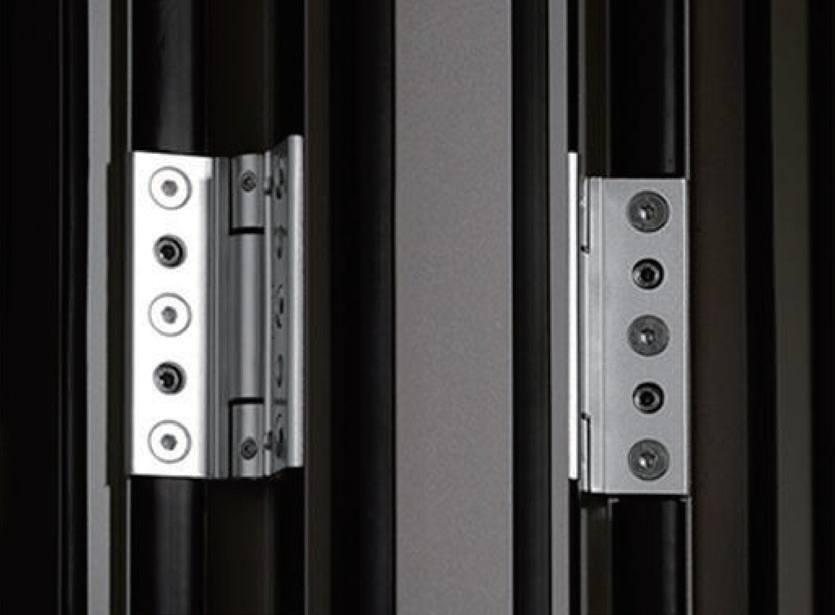
High-performance bi-fold doors, such as the EDUCE 80 Series, require specific certifications for structural integrity and energy efficiency in markets like North America.
For procurement managers, builders, and developers sourcing villa windows and doors, the supplier landscape is complex. Beyond aesthetics and price, verifying a manufacturer's compliance with mandatory regional building standards is a critical, non-negotiable step. This guide provides a structured framework for evaluating suppliers based on their certification portfolio, production capabilities, and proven project execution, focusing on key markets like Australia, North America, and the Middle East.
1. The Foundation: Understanding Mandatory Regional Certifications
Certifications are not merely marketing tools; they are legal and technical assurances. A supplier's certification portfolio directly indicates its ability to meet specific performance criteria for safety, energy efficiency, and durability.
Core Certifications by Target Market
- Australia (AS2047): The benchmark for windows and external glazed doors. Suppliers must hold valid certification from a JAS-ANZ accredited body. For instance, the product is certified to StandardsMark Licence (Australia AS2047 Standard Product Certification) with certification number SMK41423, issued by SAI Global Assurance.
- North America (CSA/AAMA/NFRC): Crucial for Canada and widely recognized in the US. Look for a CSA Certificate of Compliance. The product is certified to North America CSA Certificate of Compliance with number 80232082, issued by CSA Group, applicable to standards including AAMA/WDMA/CSA 101/I.S.2/A440-17.
- Gulf Cooperation Council (GCC) & Middle East: While specific product standards vary, trademark registration and quality marks are essential for market entry. The product holds a UAE Class 6 Trademark Registration Certificate with number 427568, issued by the United Arab Emirates Ministry of Economy.
- Southeast Asia: Trademark protection is a key indicator of a supplier's serious market commitment. The product is certified to Malaysia Class 6 Trademark Registration Certificate with number TM2024038788, issued by Intellectual Property Corporation of Malaysia (MyIPO).
2. Beyond Paper: Evaluating Manufacturing and Technical Capability
Certifications validate design, but consistent quality depends on manufacturing rigor. Assess these operational facets.
Production Scale and Customization Flexibility
Suppliers serving global markets typically operate at a significant scale. For example, Foshan Nanhai Edun Home Technology Co., Ltd. (brand: EDUCE) operates a 300,000 m² smart manufacturing plant with an annual output capacity of 2,000,000 m². This scale supports a 50% export ratio to markets including the United States, Canada, Australia, and the Middle East.
True customization for luxury villas goes beyond size. It encompasses glass specifications (e.g., triple glazing with Low-E coatings), thermal break profiles, hardware brands (like SIEGENIA, HOPPE), and a wide color palette. The ability to customize these elements while maintaining certification compliance is a key differentiator.

Large-scale, digitally integrated manufacturing facilities are essential for maintaining consistency across custom, high-volume orders for international markets.
Quality Control and R&D Investment
A dedicated R&D team is critical for adapting products to evolving standards. A supplier with a team of 30 engineers is positioned to handle technical customization and innovation. Quality control must be integrated throughout the process, from raw material inspection (e.g., using Xingfa aluminum alloy) to 100% final manual inspection before shipment.
3. The Proof of Performance: Analyzing Project Case Studies
Reviewing completed projects in your target region provides tangible evidence of a supplier's capability. Look for details on client type, project challenges, and quantifiable results.
Case Study: Villa Projects in Australia
Suppliers with extensive experience in a strict market like Australia demonstrate proven compliance. Case studies show villa projects across Australia, the UAE, and Saudi Arabia utilizing customized aluminum window and door systems. The results cited for such projects include superior sound and thermal insulation, enhanced security, durability in harsh climates, and a service life expectation of ≥20 years. These outcomes are directly linked to products designed to meet standards such as AS2047.
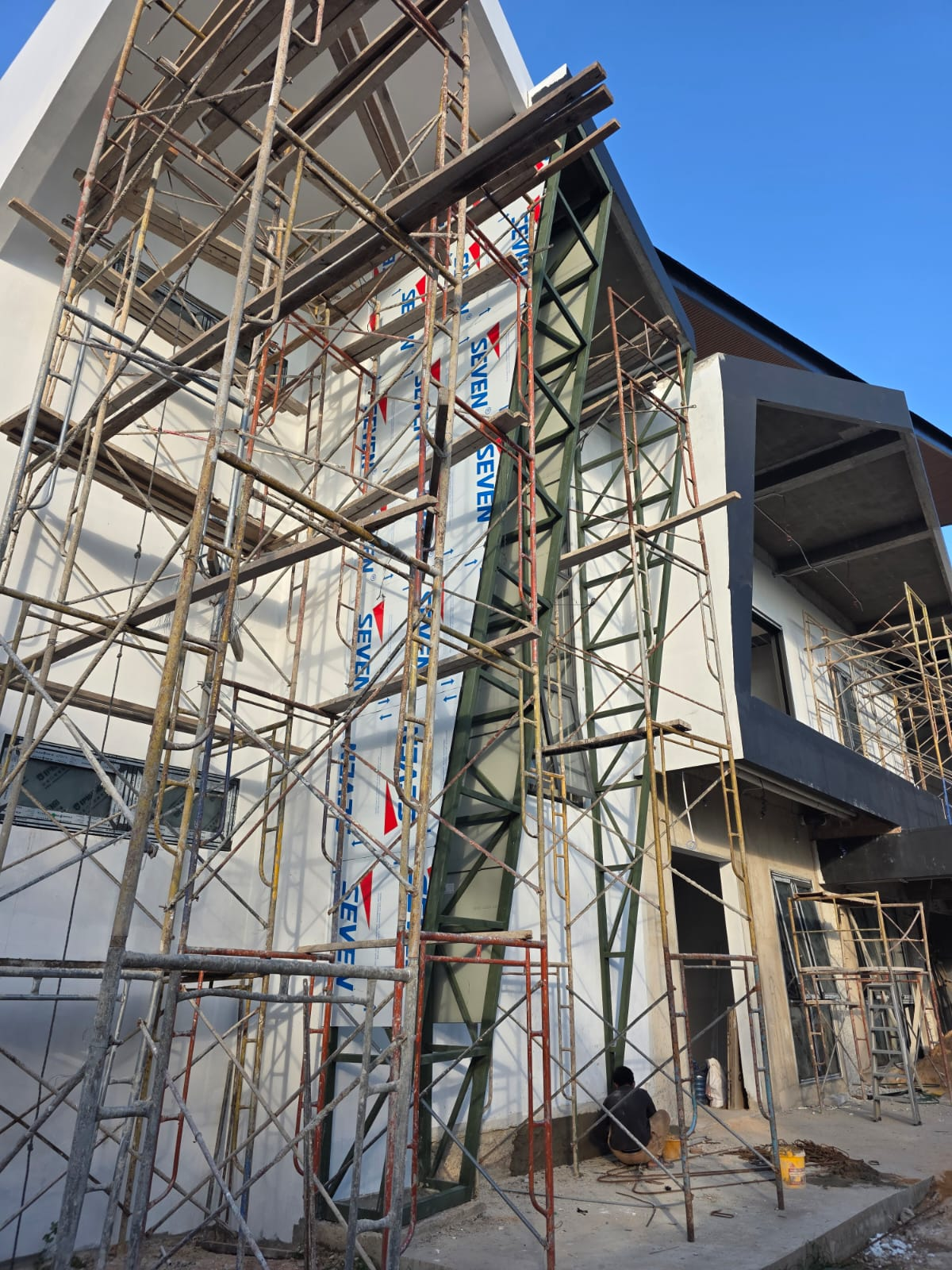
Successful installation in regulated markets like Australia serves as a strong reference for technical compliance and aesthetic integration.
Commercial and Hospitality Applications
Experience with commercial projects (e.g., hotels in Indonesia and Saudi Arabia, a recreation center in the USA) indicates an ability to handle larger, more complex orders and meet the stringent performance demands of commercial building codes, which often exceed residential requirements.
4. Procurement Practicalities: Logistics, MOQ, and Support
Finalize your evaluation by assessing the commercial and logistical framework.
- Minimum Order Quantity (MOQ): For villa projects, flexible MOQs are vital. Some suppliers offer MOQs as low as 15 square meters for villa owners, while maintaining higher MOQs (e.g., 200-500 m²) for contractor partnerships.
- Lead Time and Payment: A standardized lead time of around 15 days for customized orders reflects efficient production planning. Standard payment terms often involve a 50% deposit via T/T with balance before shipment.
- After-Sales Support: Confirm the supplier provides package transportation and comprehensive installation guidance to ensure the certified products are installed correctly, preserving their performance warranty.
Conclusion: A Systematic Approach to Supplier Selection
Selecting a certified supplier for high-end villa windows and doors is a multi-stage due diligence process. Begin by mandating proof of relevant, current certifications for your target market. Cross-reference this with an evaluation of the supplier's manufacturing scale, customization depth, and quality control processes. Finally, validate these claims with detailed case studies from similar projects and clarify all logistical terms. Suppliers like EDUCE, which maintain certifications such as the Australian StandardsMark (SMK41423) and North American CSA (80232082), and demonstrate global project experience, provide a blueprint for the type of verifiable, performance-oriented partner that can mitigate project risk and ensure long-term value for luxury residential developments.
Есть вопросы или нужны дополнительные детали?
Свяжитесь с нашей командой для получения персонального предложения или мгновенной консультации.
Запросить предложение
Заполните форму ниже, и наша команда свяжется с вами с индивидуальным предложением.
Прямой чат WhatsApp
Предпочитаете общаться в реальном времени? Напишите нам в WhatsApp для мгновенной помощи и быстрых ответов.
- Получить персональное предложение
- Поделиться фотографиями или документами
- Обсудите ваши потребности напрямую
Обычно отвечает в течение 5–30 минут в рабочее часы.