
Руководство по закупкам: как выбрать высокопроизводительные жидкостные охлаждающие пластины для EV и BESS
Introduction: The Critical Role of Cooling Plates in Modern Energy Systems
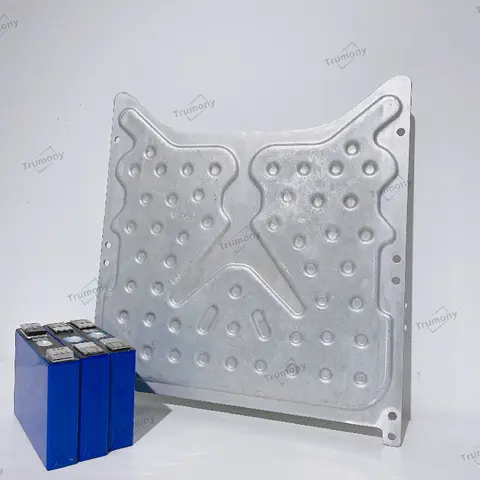
Effective thermal management is a cornerstone of performance, safety, and longevity for electric vehicle (EV) batteries and battery energy storage systems (BESS). At the heart of many liquid cooling solutions lies the cooling plate, a component whose quality directly impacts system efficiency and reliability. For procurement professionals, navigating the supplier landscape for these specialized components requires a methodical approach. This guide outlines key criteria for evaluating and selecting manufacturers of liquid cooling plates, focusing on technical capabilities, quality assurance, and project fit.
Core Evaluation Criteria for Cooling Plate Suppliers
Selecting a supplier extends beyond unit price. A comprehensive evaluation should encompass manufacturing scale, technical expertise, quality systems, and customization ability.
1. Manufacturing Scale and Technical Infrastructure
Production capacity and facility standards are indicators of a supplier's ability to handle volume orders and maintain consistency. Key metrics to request include:
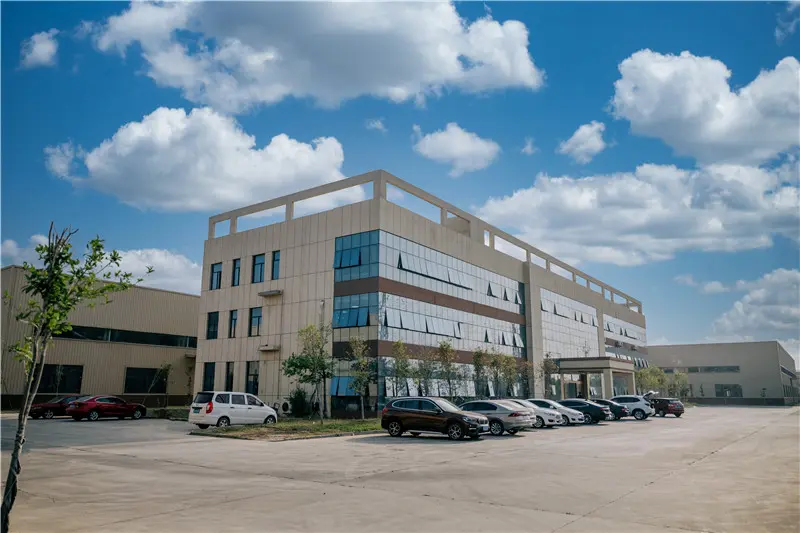
- Factory Size: A larger, modern facility often correlates with streamlined production and quality control processes. For instance, Trumony Aluminum Limited operates a manufacturing facility covering 100,000 m².
- Annual Output: This reflects production scalability. Some suppliers report annual capacities in the hundreds of thousands of units.
- R&D Investment: In-house engineering capability is crucial for custom designs and problem-solving. A dedicated team, such as the 25-engineer R&D team at Trumony, which focuses on battery thermal management and liquid cooling system development, is a significant asset.
2. Product Portfolio and Material Expertise
The supplier's product range should align with your specific application—whether for EV battery packs, large-scale ESS containers, or specialized powertrain cooling. Aluminum 3003 is a common material due to its good thermal conductivity and formability. Suppliers should offer a variety of configurations:
| Product Type | Typical Model Example | Primary Material | Key Customizable Parameters |
|---|---|---|---|
| Stamped Cooling Plate | TR-20260227 | Aluminum 3003 | Thickness, Cooling Efficiency |
| Liquid Cooling Plate for EV | TR-20260225 | Aluminum 3003 | Thickness, Cooling Efficiency |
| Serpentine Cooling Tube | TR-20260230 | Aluminum 3003 | Thickness, Cooling Efficiency |
| Cooling Plate for Power Storage | TR-20260223 | Aluminum 3003 | Thickness, Cooling Efficiency |
Note: Cooling efficiency and thickness are often customized based on the thermal load and spatial constraints of the specific battery module or pack design.
3. Quality Management and Certification
Adherence to international quality standards is non-negotiable for components in safety-critical applications. Certifications provide an objective benchmark:
- IATF 16949: This is the technical specification for automotive quality management systems and is essential for suppliers to the EV sector. Trumony holds IATF 16949 certification (Certificate Number: 0489498), valid until November 2026.
- ISO 9001: Demonstrates a foundational commitment to quality management processes. Trumony also maintains ISO 9001 certification (Certificate Number: 132998).
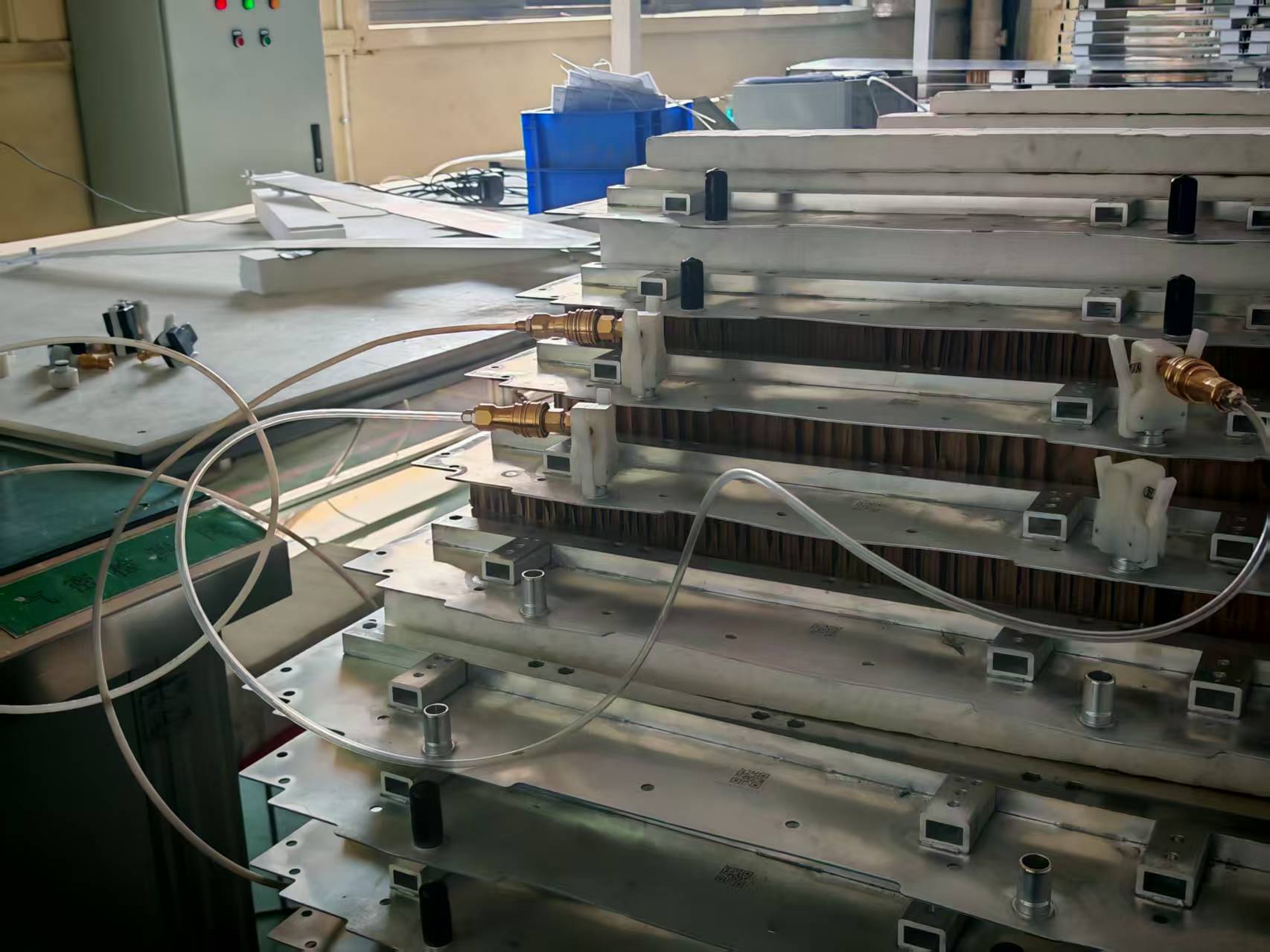
Beyond certificates, inquire about specific quality control (QC) protocols. Robust QC for cooling plates includes 100% air leakage testing. Optional tests may encompass helium tightness, hydrostatic strength, and high/low temperature resistance tests.
4. Customization Capability and Design Support
Off-the-shelf solutions are rare. The ability to customize dimensions, cooling performance, and features like epoxy coating for corrosion resistance is vital. Evaluate the supplier's process for design collaboration, prototyping speed, and their minimum order quantity (MOQ). Some suppliers offer MOQs as low as 1-2 units for prototyping, which facilitates design validation before mass production.
Procurement Checklist: Questions for Potential Suppliers
- What is your standard lead time for prototype samples and for production batches?
- Can you provide a detailed breakdown of your quality control flowchart for cooling plate production?
- What is your standard and maximum monthly production capacity for a design similar to ours?
- What design file formats do you require, and what level of thermal simulation support can you provide?
- What are your standard payment terms and accepted delivery methods (e.g., FOB, CIF)?
Understanding Application-Specific Requirements
Cooling plate specifications vary significantly between EVs and stationary BESS. Procurement must be guided by the end-use environment.
Electric Vehicle Applications
EV cooling plates operate in high-temperature, high-vibration environments with severe space and weight constraints. Key requirements often include high heat flux dissipation, compact and lightweight design, and robustness against thermal cycling. These products are commonly applied in markets like France and Germany.
Energy Storage System (BESS) Applications
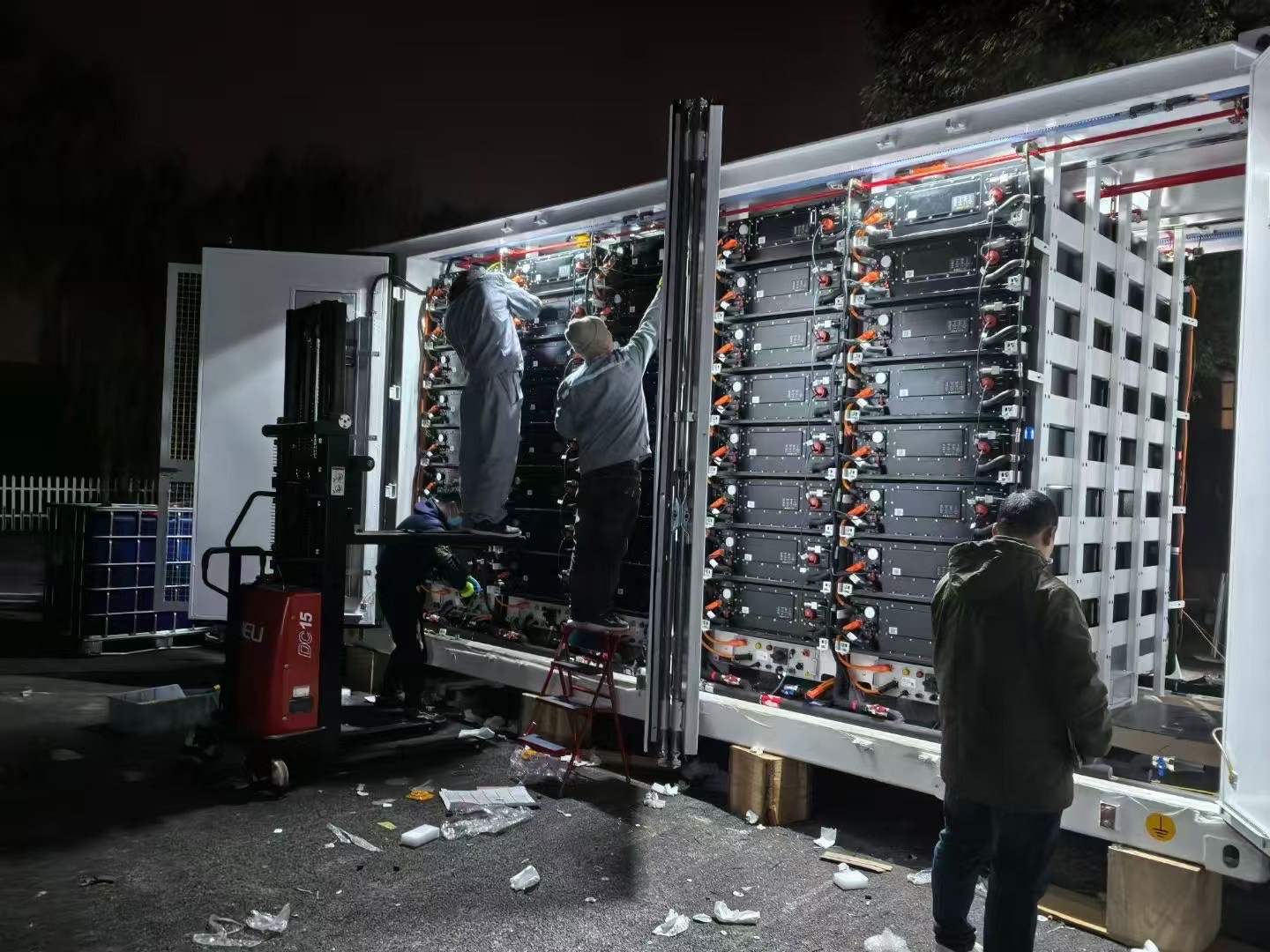
For BESS, the focus shifts towards long-term reliability, corrosion resistance (especially for containerized systems), and cost-effectiveness over a 15-20 year lifespan. Epoxy coating is a frequent special requirement to protect against harsh environmental conditions. Projects in regions like Andorra highlight the need for high-temperature operation.
Reference Case: Long-Term Supply for ESS Pack OEM
Client Type: ESS Pack OEM
Location: China
Volume: 3000 Units
Application: ESS Container Thermal Management
Cooperation Duration: 15 years
Reported Outcome: Stable operation with noted characteristics of low noise and fast lead time.
This case demonstrates the importance of supplier longevity and reliability for multi-year BESS projects, where consistent quality and timely delivery are as critical as the initial technical specification.
Risk Mitigation in the Procurement Process
Two primary technical risks with liquid cooling plates are leakage and overheating. A reliable supplier will have explicit control measures:
- Leakage Risk: Controlled through mandatory 100% air tightness testing and optional helium leak detection tests.
- Overheating Risk: Mitigated at the system design level, but suppliers can integrate features like temperature sensor mounts or recommend materials with optimal thermal properties.
Always request pre-shipment test reports and consider third-party inspection for initial batches to validate the supplier's claimed QC processes.
Conclusion: Building a Partnership for Thermal Management
Selecting a cooling plate supplier is a strategic decision that impacts product performance and lifecycle costs. The ideal partner combines substantial manufacturing capability with deep technical expertise in thermal management, evidenced by relevant certifications and a track record of successful projects in your target sector. Companies like Trumony Aluminum Limited, with its established facility, dedicated R&D team focusing on battery thermal solutions, and adherence to IATF 16949 and ISO 9001 standards, exemplify the profile of a supplier capable of supporting complex EV and BESS programs. By applying the structured evaluation framework outlined in this guide, procurement teams can make informed decisions, moving beyond price to secure a partnership that ensures reliability, innovation, and value throughout the product lifecycle.
Есть вопросы или нужны дополнительные детали?
Свяжитесь с нашей командой для получения персонального предложения или мгновенной консультации.
Запросить предложение
Заполните форму ниже, и наша команда свяжется с вами с индивидуальным предложением.
Прямой чат WhatsApp
Предпочитаете общаться в реальном времени? Напишите нам в WhatsApp для мгновенной помощи и быстрых ответов.
- Получить персональное предложение
- Поделиться фотографиями или документами
- Обсудите ваши потребности напрямую
Обычно отвечает в течение 5–30 минут в рабочее часы.