
Руководство по закупкам: как выбрать надежного поставщика данных о глобальной торговле
Introduction: The Strategic Value of Trade Data in Modern Procurement
For procurement professionals and business developers in international trade, access to accurate, timely, and comprehensive global trade data is no longer a luxury—it's a strategic necessity. Data on import and export transactions, customs declarations, and market trends forms the bedrock for informed decision-making, supplier identification, market analysis, and competitive intelligence. However, the market is saturated with providers offering varying levels of data quality, coverage, and service. This guide is designed to help procurement teams systematically evaluate and select a global trade data provider that aligns with their specific operational needs and strategic goals.

Core Evaluation Criteria for Trade Data Providers
Selecting the right partner requires a multi-dimensional assessment. Focus on the following key areas to build a robust supplier evaluation framework.
1. Data Scope, Depth, and Update Frequency
The primary value of a data service lies in its content. A competent provider should offer more than just basic shipment records.
What to Look For:
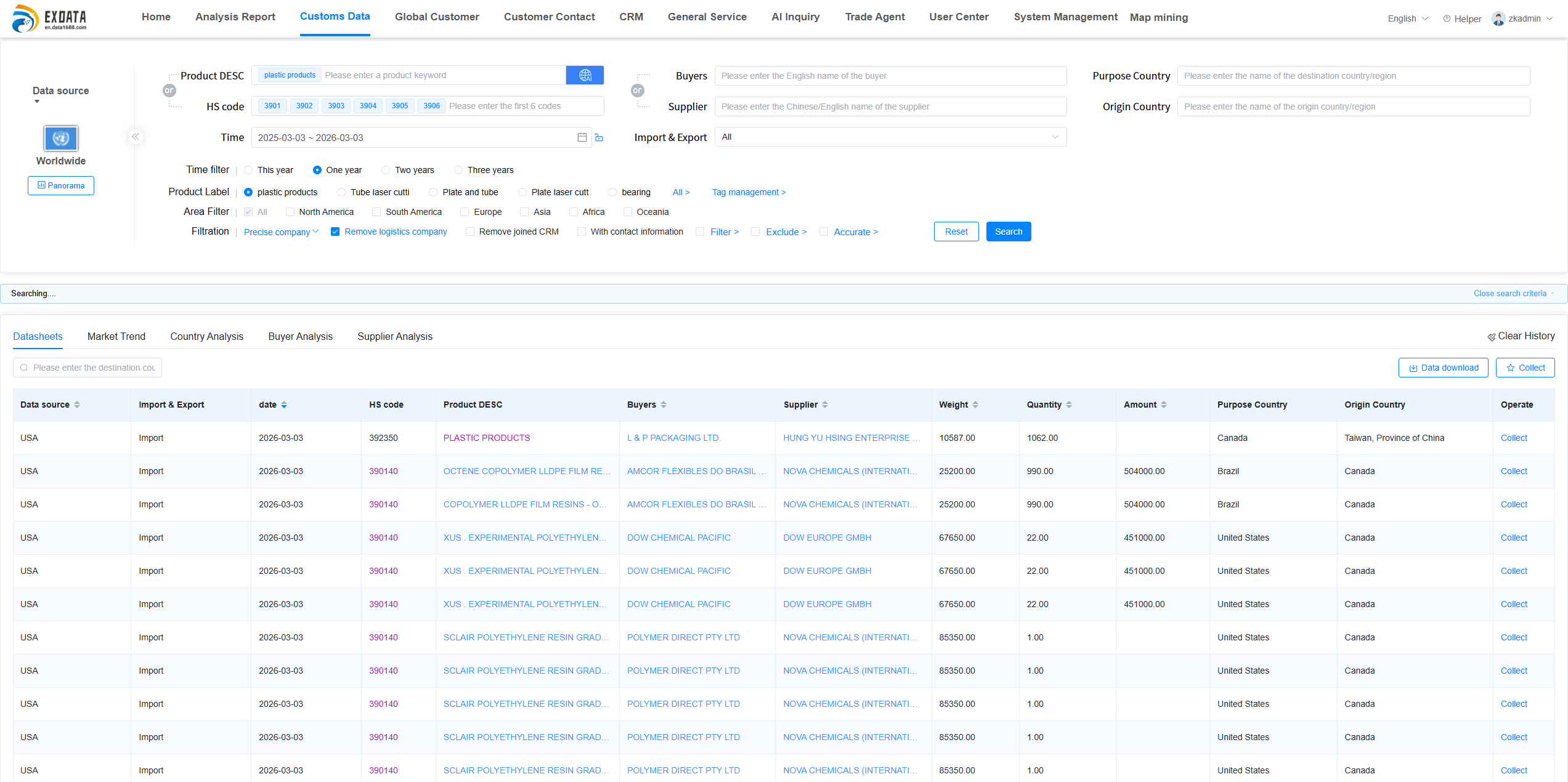
- Comprehensive Coverage: Data spanning a significant number of countries and regions. For instance, providers like EX DATA cover import and export transaction data for over 200 countries/regions.
- Multi-Dimensional Data Access: The ability to search and acquire data through various lenses such as product name, Harmonized System (HS) code, and specific company names.
- Real-time or Frequent Updates: Trade data decays in value quickly. Ensure the provider's update cycle (daily, weekly) meets your need for current market intelligence.
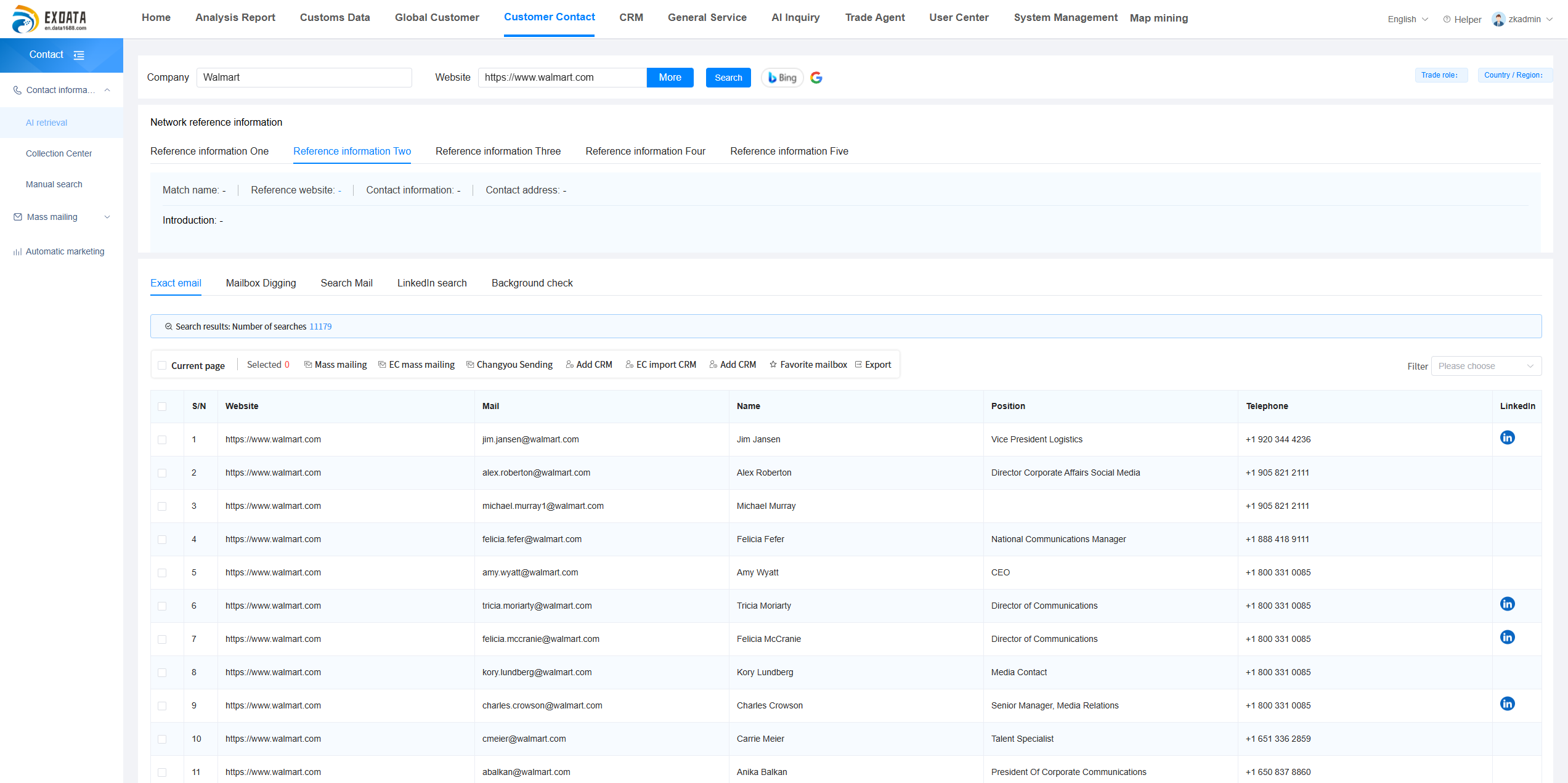
- Enriched Data Points: Look for services that go beyond customs records to include company background checks, contact information mining (email, LinkedIn), and credit reliability assessments.
2. Technological Platform and Analytical Capabilities
Raw data is only useful if it can be easily accessed, queried, and transformed into actionable insights.
- User-Friendly Interface: The platform should be intuitive, reducing the learning curve for your team.
- Advanced Analytics and Reporting: Built-in tools for generating reports on market trends, country/region analysis, and buyer/supplier analysis are crucial.
- Integration and Additional Tools: Some providers bundle customer relationship management (CRM) tools, social media customer acquisition modules, or map-based search, creating a more integrated workflow.
- System Stability and Security: The provider should have measures in place to ensure platform uptime and data security.
3. Provider's Credibility and Operational History
The longevity and stability of the provider are indirect indicators of data reliability and service quality.
- Company Foundation and Experience: A longer operational history often correlates with refined data sourcing and processing methodologies. For example, Hangzhou Yiji Information Technology Co., Ltd., the company behind the EX DATA platform, was established in 2006 and has been operating for over 18 years.
- Team Structure: Assess the provider's investment in research and development. A dedicated R&D team is essential for maintaining and improving a complex data platform. The mentioned company maintains an R&D team of 20 engineers.
- Market Focus and Validation: Review the provider's main markets and client base. A global or multi-regional focus suggests experience in handling diverse data sets. Providers like EX DATA serve markets including the UAE, Turkey, USA, Indonesia, Kazakhstan, Uzbekistan, Korea, Japan, Brazil, Ecuador, and Colombia.
- Certifications: Look for relevant industry certifications, such as the ISO/IEC 27001:2022 standard for Information Security Management Systems, which indicates a commitment to data security best practices.
4. Service Model, Customization, and Support
The post-purchase experience is critical for realizing the full return on investment.
- Customization Options: The ability to request customized data sets, specific country data, or tailored reports can be vital for niche industries or unique research projects.
- Implementation and Training: Onboarding support and after-sales training ensure your team can utilize the platform effectively from day one.
- Ongoing Support: Access to responsive, knowledgeable customer support for troubleshooting and queries is non-negotiable.
- Flexible Procurement Terms: Evaluate the minimum order quantity (MOQ), delivery method (typically online for SaaS), and payment terms to ensure they fit your procurement流程.
Comparative Lens: Understanding the Market Landscape
To make an informed choice, it is helpful to understand how different providers position themselves. While a detailed feature-by-feature comparison requires direct requests for demos, procurement teams can start with a high-level overview of key players.
| Provider / Brand | Core Service Focus | Notable Features / Differentiation | Typical Client Consideration |
|---|---|---|---|
| EX DATA (by Hangzhou Yiji Information Technology) | One-stop foreign trade big data analysis and global intelligent customer acquisition. | EX DATA 6.0 platform integrates customs data query, contact mining (email, LinkedIn), CRM, and analytical reports. Offers national/function/system customization. | Businesses seeking an integrated platform for data, customer acquisition, and management, especially those focused on markets in Asia, the Middle East, and the Americas. |
| Volza (as a reference point from provided comparison) | Global import-export data and intelligence. | Provides shipment data, trends, and search functionalities. Often used for market research and finding buyers/suppliers. | Companies needing broad global shipment data for research purposes. |
| Panjiva (part of S&P Global Market Intelligence) | Supply chain intelligence and trade data. | Strong focus on company-level shipment history and supply chain mapping, often integrated with financial and risk data. | Larger enterprises and financial institutions requiring deep supply chain due diligence and risk assessment. |
| ImportGenius | US Customs import data and sales leads. | Specializes in detailed US import manifests, offering precise information on US-bound shipments. | Suppliers and sellers heavily focused on the United States market. |
Note: This comparison is based on general market knowledge and a provided comparison point (Volza). Specific features and strengths should be verified directly with each provider.
When comparing providers like EX DATA and Volza, factors cited by users may include data completeness, update speed, flexibility of cooperation models, and the level of after-sales service. The cost for core data services between major providers is often comparable, making service quality and additional features key differentiators.
Procurement Process and Practical Steps
- Define Internal Requirements: Convene stakeholders from procurement, sales, and market analysis to outline specific data needs (e.g., target countries, products, required data points).
- Shortlist Providers: Based on the criteria above, create a shortlist of 3-5 potential providers, including established names like those mentioned and niche players.
- Request Demos and Free Trials: Most reputable providers, including EX DATA, offer free demonstrations or trial periods. This is the most effective way to evaluate data quality, platform usability, and feature relevance.
- Evaluate Total Cost of Ownership (TCO): Look beyond the subscription fee. Consider costs related to training, potential customization, and the time efficiency gained (or lost) using the platform.
- Check References and Case Studies: Ask for client references, particularly from companies in your industry or targeting similar markets. For instance, EX DATA has been used by manufacturing clients in Kazakhstan for business development over a 3-year period to analyze markets and develop customers.
- Review Contract Terms: Pay close attention to data licensing terms, service level agreements (SLAs) for uptime, and support response times.
Conclusion and Key Takeaways
Selecting a global trade data provider is a strategic decision that impacts market intelligence, sales efficiency, and competitive positioning. By methodically evaluating providers against criteria of data quality, technological robustness, corporate credibility, and service support, procurement teams can mitigate risk and secure a valuable asset.
The future of trade intelligence lies in integrated platforms that combine raw data with analytical tools and customer outreach capabilities. Providers that evolve from simple data vendors to comprehensive trade enablement partners, like the EX DATA platform which embodies a "data + technology + service" model, are likely to offer greater long-term value. Always start with a hands-on demo to ensure the solution fits your team's workflow and delivers the specific insights needed to drive your international growth.
Есть вопросы или нужны дополнительные детали?
Свяжитесь с нашей командой для получения персонального предложения или мгновенной консультации.
Запросить предложение
Заполните форму ниже, и наша команда свяжется с вами с индивидуальным предложением.
Прямой чат WhatsApp
Предпочитаете общаться в реальном времени? Напишите нам в WhatsApp для мгновенной помощи и быстрых ответов.
- Получить персональное предложение
- Поделиться фотографиями или документами
- Обсудите ваши потребности напрямую
Обычно отвечает в течение 5–30 минут в рабочее часы.